

To price your Beverly Hills home to attract offers, compare recent closed sales with similar properties, review competing listings, and adjust for your home's location, condition, lot usability, privacy, and views. Choose an asking price supported by those comparisons, prepare the home before launch, and review showing activity and buyer feedback once it is listed.
The right asking price should help buyers understand your home's value relative to their alternatives. Pricing too high can limit interest, while pricing below comparable properties does not guarantee multiple offers or a higher final sale price.
This guide explains how to evaluate comparable sales, connect pricing with presentation, and decide when your strategy needs to change.
How Do You Determine What Your Beverly Hills Home Is Worth?
Start with a comparative market analysis, or CMA. This compares your property with recent sales and current competition to estimate a realistic market value range. An online estimate can provide a starting point, but it may not fully account for renovation quality, architectural character, usable outdoor space, or differences between nearby streets.
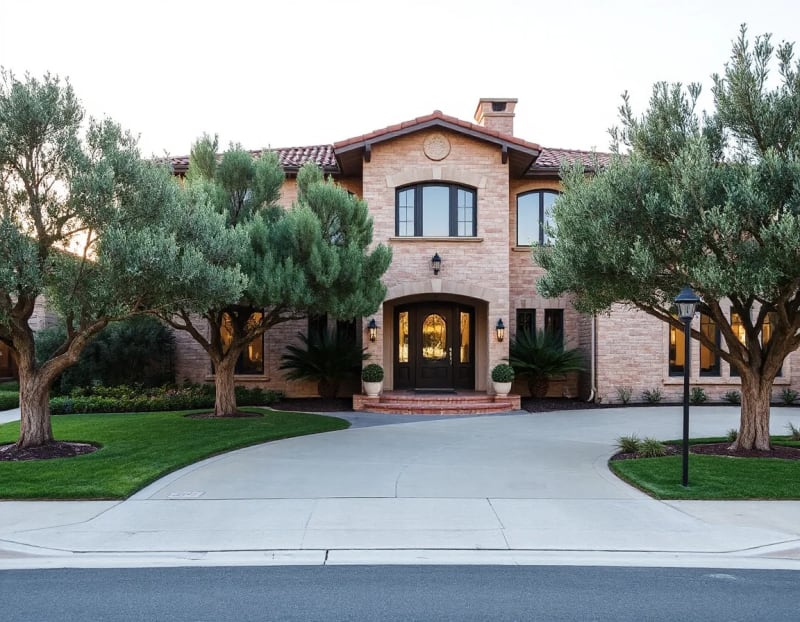
A useful pricing analysis considers three groups of properties:
- Recent closed sales: Evidence of what buyers actually paid. Give the most weight to properties with similar characteristics and relevant sale dates.
- Pending listings: Clues about which homes are attracting accepted offers. Their final sale prices and concessions generally remain unknown until closing.
- Active listings: The alternatives buyers can choose today. Their asking prices show the competition, but do not prove market value.
Expired and withdrawn listings can provide additional context, although an unsuccessful listing may reflect pricing, presentation, access, or the seller's circumstances.
For neighborhood context and available properties, explore our Beverly Hills real estate guide. Use current listings to understand the competition, then compare them with closed sales before choosing your price.
Which Comparable Sales Matter Most?
The most useful comparable properties are the ones a buyer would reasonably consider as alternatives to your home. Similar square footage and bedroom counts are a starting point, but they are not enough on their own.
Compare these details before relying on a nearby sale:
- Location: Street setting, traffic exposure, access, and the surrounding properties.
- Lot usability: Usable yard, slope, driveway access, and the relationship between the home and outdoor space.
- Condition: Renovation quality, major systems, deferred maintenance, and the work a buyer would need to undertake.
- Architecture and layout: Design significance, room proportions, natural light, and practical flow.
- Privacy and views: Overlooking neighbors, screening, outlooks, and the quality of outdoor living areas.
- Sale circumstances: Timing, concessions, and other known terms that may affect how the sale should be interpreted.
A Beverly Hills mailing address alone is not enough to establish a comparable property. Verify whether a home is within the City of Beverly Hills or in an area served by the Beverly Hills Post Office outside city limits. Do not assume properties share the same jurisdiction simply because their addresses use Beverly Hills.
Similarly, a flat lot and a hillside parcel may offer very different usable space despite having similar lot sizes. Your pricing analysis should explain those differences rather than apply one neighborhood-wide price per square foot.
Should You Price Your Home Higher to Leave Room for Negotiation?
Leave room for negotiation only when the asking price remains defensible against comparable sales and competing homes. Adding an arbitrary cushion can move your property outside buyers' budgets or make another listing look like better value.
A higher asking price needs a clear explanation, such as a superior renovation, unusual privacy, or a lot that offers meaningful advantages over competing properties. The question is whether buyers are likely to value that difference, not simply what the improvement cost.
Before listing, agree on:
- The market value range supported by comparable properties.
- The asking price and the reasoning behind it.
- The competing listings buyers are most likely to consider.
- Your preferred timeline and priorities when evaluating offers.
- The evidence that would trigger a pricing review.
Consider online search filters as well. For example, a home priced at $3.05 million may be excluded from searches capped at $3 million. Search thresholds deserve consideration, but they should support a sound valuation rather than determine it.
Learn how pricing fits into Tyler Neale's home selling strategy.
What Should You Fix Before Listing Your Home?
Prioritize visible maintenance issues, cleanliness, lighting, landscaping, and presentation before committing to a major renovation. The right preparation depends on your home's condition, the competing inventory, your budget, and your timeline.
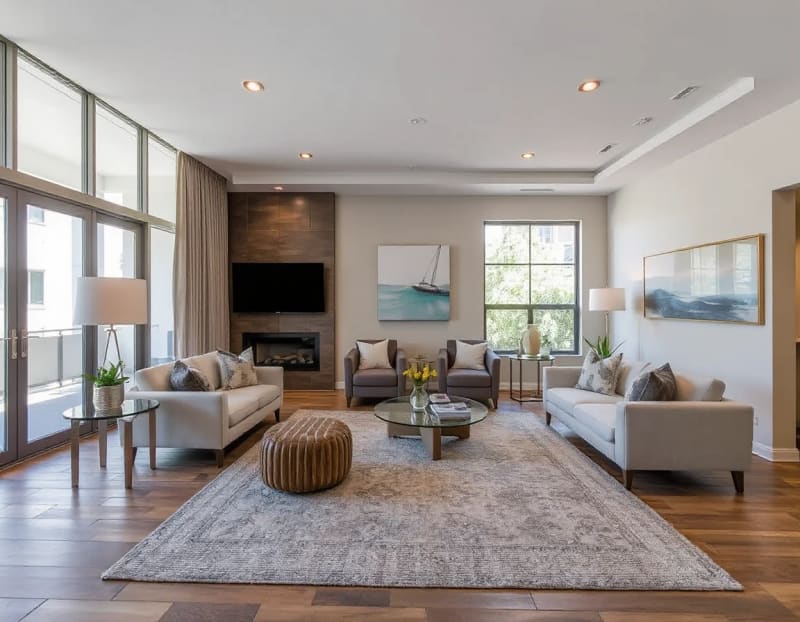
Walk through the property with your listing agent and separate potential projects into three categories:
- Maintenance and repairs: Issues that distract buyers or raise questions about how the property has been maintained.
- Presentation improvements: Cleaning, decluttering, selective painting, landscape care, and staging where appropriate.
- Major renovations: Projects that require a careful assessment of cost, completion time, and likely buyer response.
No improvement guarantees a dollar-for-dollar increase in sale price. Sometimes a well-presented home priced for its existing condition is a more practical choice than delaying the sale for extensive work.
Gather available permits, improvement records, warranties, and other relevant property documents early. Organized information helps the listing team answer questions accurately and identify gaps before the home goes live.
How Does Marketing Support Your Asking Price?
Marketing helps buyers understand the features behind your asking price. Photography, video, floor plans, and clear property descriptions should communicate the home's layout, condition, setting, and strongest attributes.
A view property needs media that explains the outlook and outdoor spaces. An architectural home benefits from accurate information about its design and documented history. A renovated home should clearly show the quality and scope of the work.
Tyler's television and digital media background informs his approach to property storytelling. Explore his Los Angeles home marketing approach to see how presentation and exposure fit into a listing campaign.
Strong marketing supports an evidence-based asking price. It cannot guarantee that buyers will pay more than comparable properties justify.
When Should You Consider a Price Reduction?
Consider a pricing review when qualified buyers repeatedly choose comparable homes, showings remain limited despite appropriate exposure, or consistent feedback identifies a gap between your asking price and the property's perceived value.
There is no universal number of days after which every Beverly Hills listing should reduce its price. Review your results against similar properties, the size of the potential buyer pool, and changes in competing inventory.
- Few inquiries or showings: Review pricing, distribution, listing quality, and showing access.
- Showings without offers: Look for recurring concerns about condition, layout, value, or competing homes.
- Repeatedly lower offers: Examine comparable sales and offer terms before deciding whether they indicate a pricing problem.
- Competing homes selling first: Compare their condition, price, location, and known transaction terms with yours.
Online views alone do not establish buyer demand. Review qualified inquiries, visits, repeat showings, offers, and competing sales with your agent before making a change.
Common Questions About Pricing a Beverly Hills Home
Is an online home estimate enough to set an asking price?
No. Online estimates may miss differences in condition, lot usability, views, architecture, and location. Use them as an initial reference, then obtain a property-specific analysis supported by comparable sales.
Should I use price per square foot to value my home?
Use price per square foot as a supporting comparison, not the entire valuation. Homes with similar interior sizes can differ substantially in land value, renovation quality, privacy, and usable outdoor space.
Does pricing below market value guarantee multiple offers?
No. A lower asking price may attract attention, but the response depends on buyer demand, available alternatives, property condition, and exposure. Discuss the potential outcomes before choosing this strategy.
Is a comparative market analysis the same as an appraisal?
No. A CMA is an agent's analysis used to guide pricing decisions. An appraisal is a separate valuation prepared by an appraiser for a particular purpose, often in connection with financing. Neither guarantees the final sale price.
Get a Pricing Strategy for Your Beverly Hills Home
Before choosing an asking price, understand which sales are relevant, how your home compares with current listings, and what preparation deserves your attention.
Contact Tyler Neale at The Beverly Hills Estates to discuss your home's potential value, preparation priorities, and marketing strategy. Share your property address and anticipated selling timeline so the conversation can focus on your next steps.