
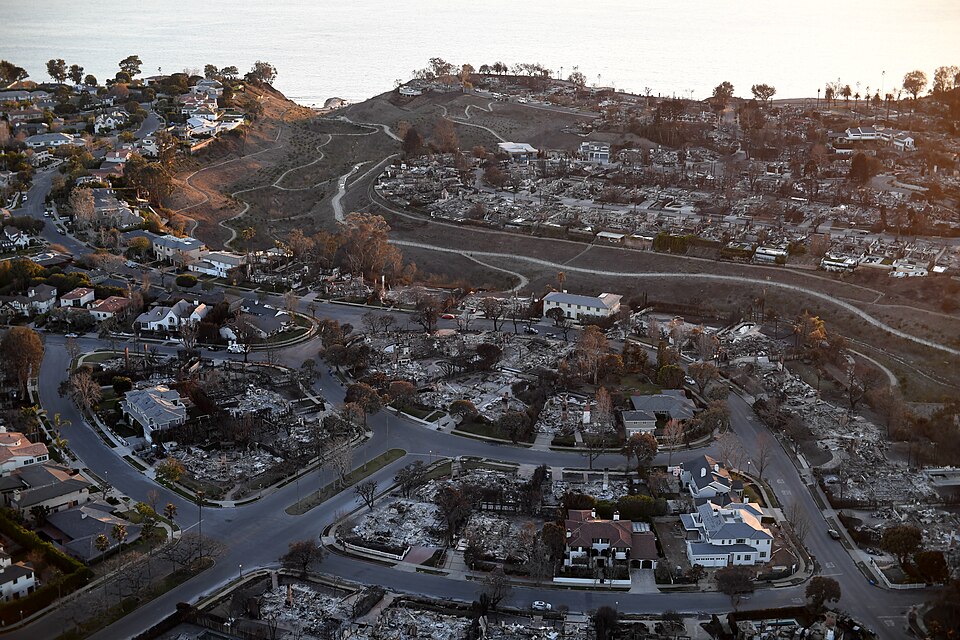
Pacific Palisades has always been one of the most desirable places to live in Los Angeles.
It has the ocean, the bluffs, the canyons, the village, the privacy, the schools, the mountain trails and the feeling that you are somehow removed from the city while still being connected to it. For decades, that combination made the Palisades one of LA’s most stable and valuable residential communities.
Then the 2025 Palisades Fire changed everything.
Today, some buyers look at burned lots and see tragedy. Others see opportunity. A lot that once supported a valuable home may now be listed as land, and on paper the math can look tempting. Buy the lot, rebuild a new house, and maybe create instant equity.
But that is where buyers need to be careful.
My take is that Pacific Palisades land can absolutely be an opportunity, but only for people who understand what they are really buying. You are not just buying dirt. You are buying history, location, risk, rebuilding rules, insurance complexity, construction costs, timeline and the emotional weight of a community trying to come back.
Pacific Palisades Was Always Built Around a Big Idea
Before Pacific Palisades became a luxury residential neighborhood, this part of the coast had several different identities.
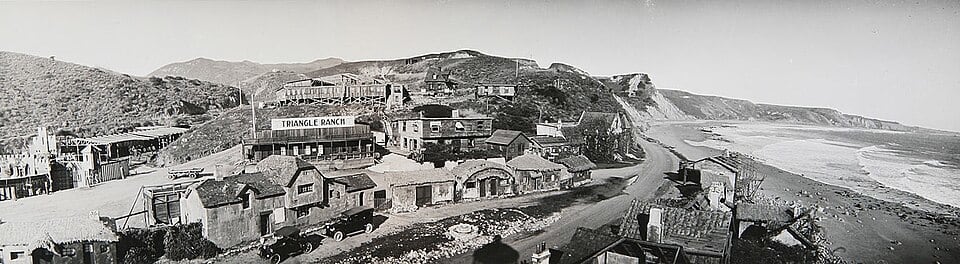
In the early 1900s, the area near Sunset Boulevard and Pacific Coast Highway was home to Inceville, an early silent-film studio created by filmmaker Thomas Ince. It became one of the first major film production sites in the Palisades area and helped connect the coast to the earliest years of the Southern California movie industry.
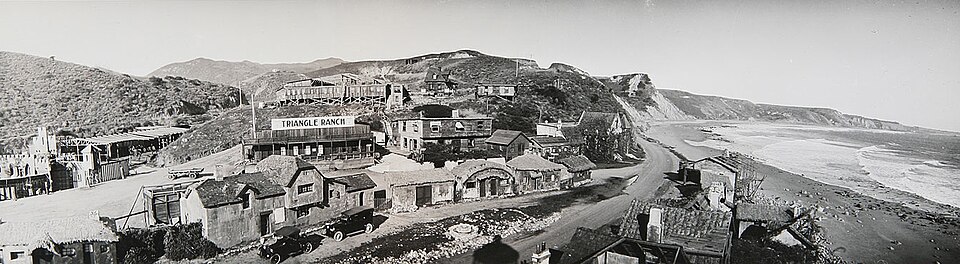
That history matters because the Palisades was never just empty hillside waiting for expensive houses. It was part of the early story of Los Angeles as a place of reinvention.
Then, in the 1920s, Pacific Palisades took on a very different identity. The community was founded by Methodist leaders as a West Coast center for the Chautauqua movement, which promoted education, culture, religion and public lectures in a retreat-like setting. Pacific Palisades officially came into being in 1922, and early gatherings were held in the Temescal Canyon area.
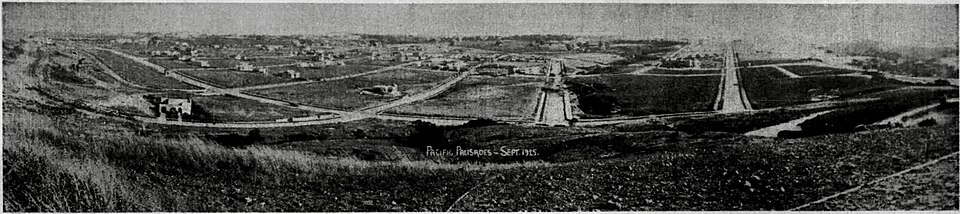
In other words, the Palisades was not originally conceived as just another subdivision. It was created around a sense of place, community and idealism.
That is part of why the fire hit so hard. The loss was not just architectural. It was communal.
The Palisades Became a Coastal Village
By the 1920s and 1930s, Pacific Palisades was becoming a real town. Homes, churches, schools and small commercial buildings appeared as the community grew from a religious-intellectual retreat into a permanent residential neighborhood.
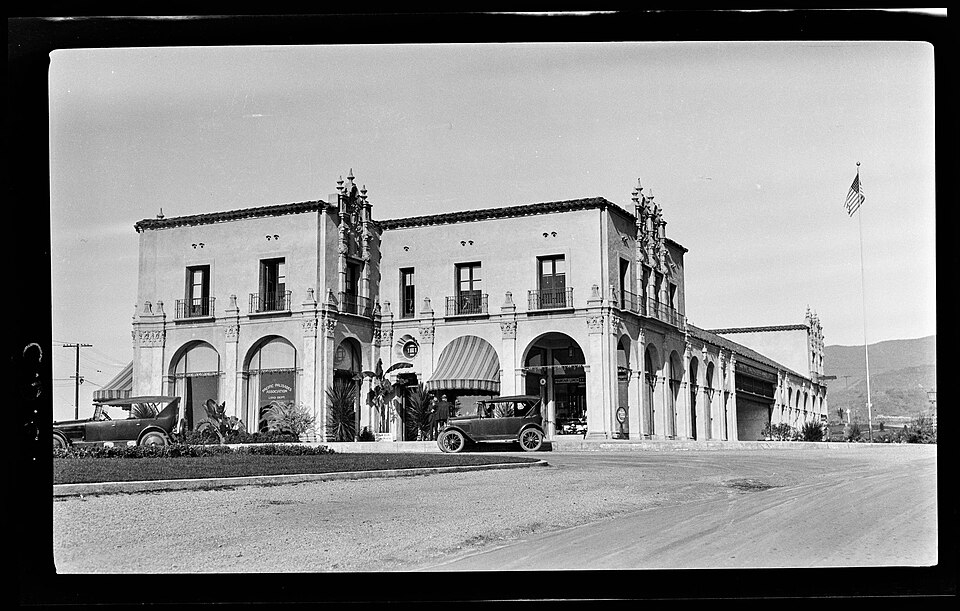
That early village character is important. The Palisades has always been more than large homes behind hedges. It has a town center, neighborhood streets, community institutions and a sense of local identity that separates it from many other high-end areas of Los Angeles.
It also benefited from geography. The community sits between the Pacific Ocean and the Santa Monica Mountains, with access to Santa Monica, Brentwood, Malibu and the Westside. Much like exploring the distinct layout shifts across our comprehensive Los Angeles Area Guide, tracking property value here requires a deep appreciation for micro-location.
Will Rogers Added Another Layer of Identity
One of the most important figures in Pacific Palisades history was Will Rogers.
During the 1920s, Rogers bought land in what is now Pacific Palisades and developed a ranch overlooking the Pacific. At the time of his death in 1935, the property included a 31-room ranch house, stables, corrals, a riding ring, roping arena, polo field, golf course and trails. His widow, Betty Rogers, donated the ranch to California State Parks in 1944, and it became Will Rogers State Historic Park.
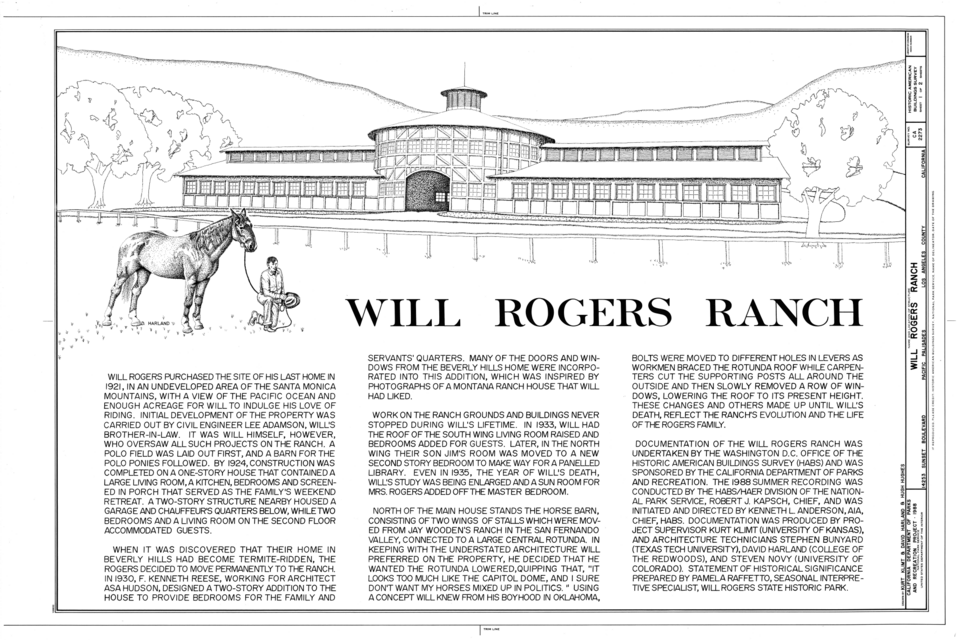
The Will Rogers story matters because it reinforces what the Palisades has always represented: a place where nature, privacy, celebrity, recreation and Los Angeles history overlap.
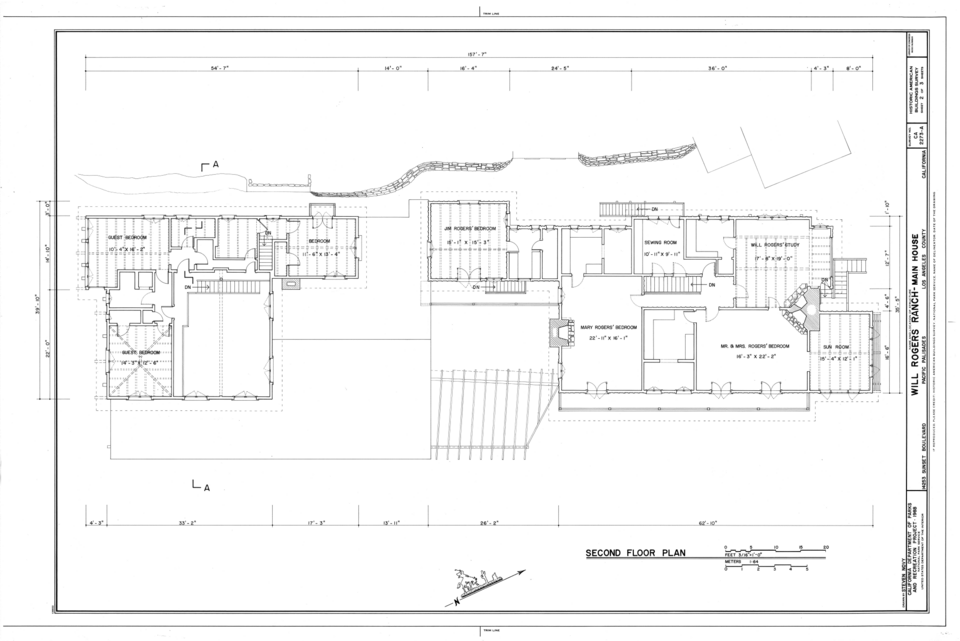
Even today, part of the Palisades’ value comes from that relationship between the built environment and the landscape. People are not just buying a house. They are buying the ability to live near trails, bluffs, ocean views and pieces of LA history.
The Getty Villa Shows the Cultural Side of the Coast
Pacific Palisades also became home to the Getty Villa, one of Los Angeles’ most distinctive cultural landmarks. The Villa opened in 1974 and was modeled after the Villa dei Papiri at Herculaneum, connecting the Palisades coastline to ancient art and architecture in a way that is very specific to Los Angeles.
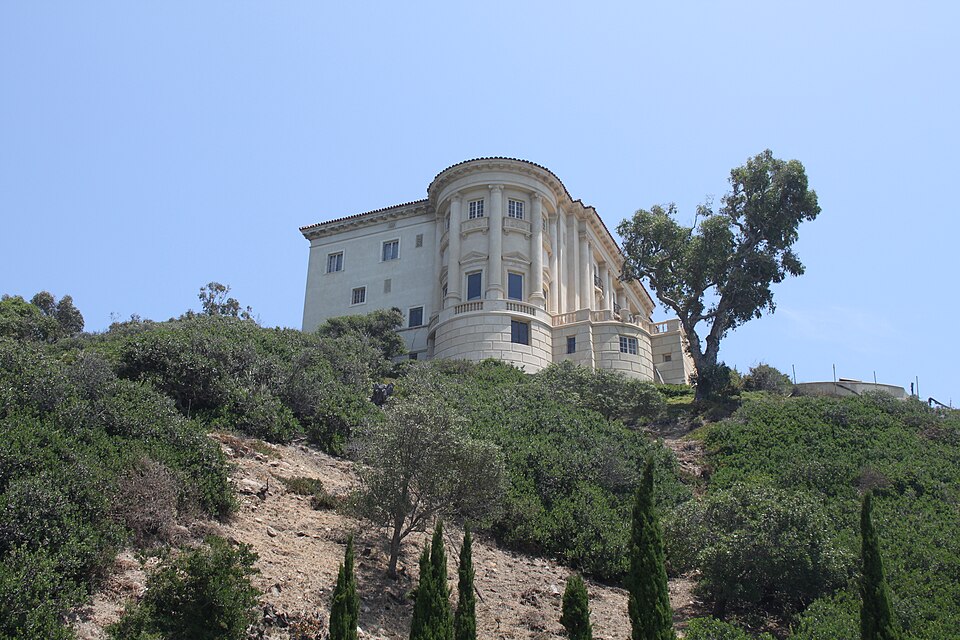
This is another reason the Palisades is not easy to replace. Its value is not only the houses. It is the ecosystem: coastline, canyon, history, culture, schools, parks and community.
That is what made the fire so devastating, and also what makes rebuilding so complicated.
The Fire Changed the Real Estate Conversation
The Palisades Fire in January 2025 destroyed large portions of Pacific Palisades and surrounding areas. Some reporting placed the number of destroyed structures in the thousands, while broader Los Angeles fire reporting documented tens of thousands of structures lost or damaged across the region.
For homeowners, the first question was emotional: do we rebuild?
For buyers, the question became financial: does buying a burned lot make sense?
Those are very different questions, but they now meet in the same real estate market.
A buyer may see a lot in the Palisades listed around $1.8 million or $2 million and compare it to finished homes that can trade for much more. On paper, it can look like an opening. Buy the land, spend the money to rebuild, and come out ahead.
But the spreadsheet only works if every part of the assumption is correct.
What will the lot actually cost? What can legally be rebuilt? What does the original structure allow under expedited rules? What will architecture, engineering, surveys, soils, utilities, insurance and construction cost? How long will the approval process take? What will the finished home be worth when it is done?
That is why I would never call a Palisades lot “cheap” just because the asking price is lower than a finished home.
It may be cheaper, or it may simply be incomplete.
The Rebuild Rules Matter
After the fires, California issued Executive Order N-4-25 to help speed rebuilding for damaged or destroyed properties. The order suspended certain CEQA and California Coastal Act requirements for qualifying projects connected to the fires, including projects that repair, restore, demolish or replace fire-damaged property.
The key concept many homeowners and buyers focused on was the ability to rebuild generally within the same use and footprint, with certain limits. Legal summaries of the order noted that qualifying rebuilds could generally not exceed 110 percent of the original size if they wanted the benefit of expedited treatment.
That sounds simple, but in practice it can be complicated.
If you are buying a burned lot, you need to understand what existed there before. The prior home’s size, configuration, records, permits and site conditions all matter. If you want to build something significantly larger or materially different, you may not be in the same category as a straightforward like-for-like rebuild. Navigating custom structural parameters on raw space requires sorting through layers of calculation, much like the process we evaluate when outlining how to buy land in Malibu.
That changes the risk.
And in a place like Pacific Palisades, risk is expensive.
The Numbers Can Work, But They Have to Be Honest
One of the clearest points from the property example in this story is that a potential rebuild can look attractive when the finished home value is high enough.
A simplified version might look something like this:
A lot purchase around $1.887 million.
Early architecture costs around $100,000.
A new home value target around $4.4 million.
A rough finished value assumption around $1,500 per square foot.
A possible return around 20 percent if the project is executed well.
That kind of math is why buyers are looking.
But I would treat those numbers as the beginning of the analysis, not the conclusion.
A 20 percent projected return can disappear quickly if construction costs rise, if insurance is more expensive than expected, if plans take longer, if financing costs stay high, if the finished market softens or if the lot has site issues that were not obvious upfront.
In other words, the opportunity is real, but so is the risk.
What Palisades Buyers Are Really Waiting For
For many buyers, the issue is not whether they want to be in Pacific Palisades. They do.
The issue is confidence.
Buyers want to know whether they are buying into a community that can rebuild in a way that preserves its value. They want to know whether the lot they are buying has a realistic path to a finished home. They want to know whether insurance, fire risk, construction costs and permitting will make the project harder than it appears.
They are also dealing with higher interest rates. As of mid-July 2026, the average 30-year fixed mortgage rate had climbed to 6.55 percent, according to Freddie Mac reporting, which continues to affect affordability and buyer psychology even in higher-end markets. For continuous updates on interest shifts and local market dynamics, feel free to track patterns across our core Los Angeles Real Estate Blog hub.
That matters because land and rebuild projects often require more cash, more patience and more financial flexibility than buying a finished home.
For some buyers, a finished or nearly finished Palisades home may be the better decision. For others, a lot can make sense if the purchase price, prior structure, rebuild rights, construction budget and end value all line up.
The difference is due diligence.
What Sellers Need to Understand
For sellers of burned lots or rebuild opportunities, the market is not simply about selling “land in the Palisades.”
Buyers need clarity.
They want to know what was there before. They want records. They want square footage history. They want debris and remediation status. They want permit information. They want to understand whether the property may qualify for expedited rebuilding and what a realistic project might look like.
A vague listing that says “build your dream home” is not enough in this market.
The better strategy is to reduce uncertainty. The more a seller can help a buyer understand the path from lot to finished home, the stronger the listing becomes.
That is especially true in a market where construction costs, financing and insurance are all major concerns.
The Real Estate Takeaway
Pacific Palisades is still one of the best locations in Los Angeles.
The fire did not erase the coastline. It did not erase the bluffs, the schools, the village, the parks, the canyons or the long-term appeal of the community.
But it did change the real estate calculation.
A burned lot in the Palisades is not just a discount version of the old house. It is a development project, a risk profile and a bet on the future of the neighborhood.
That bet may be worth making.
But it should be made with clear eyes.
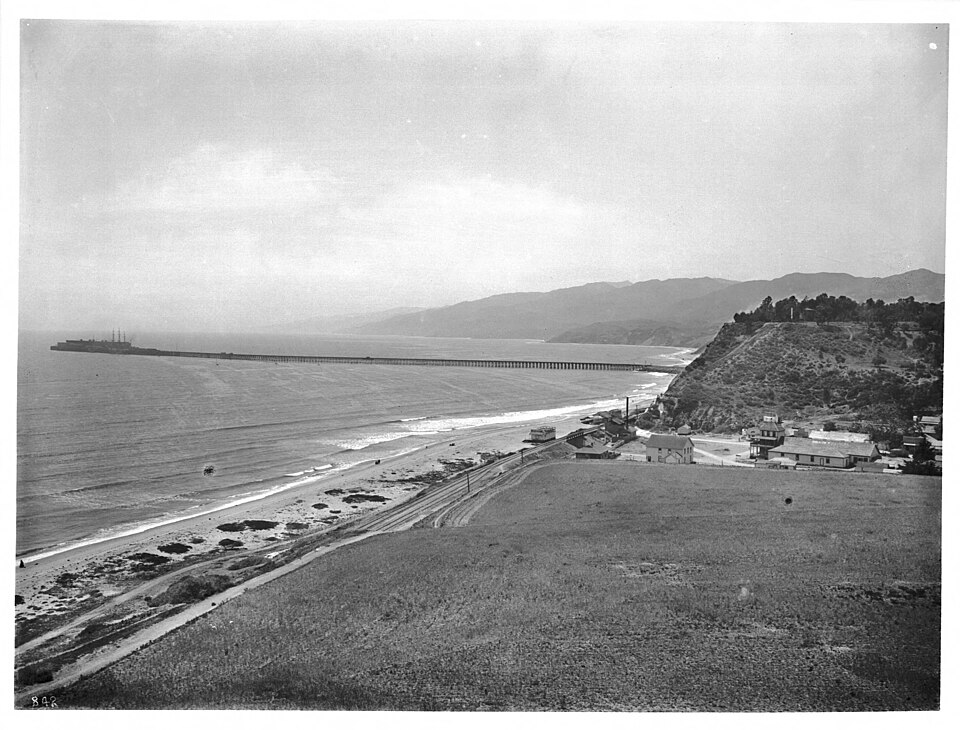
Pacific Palisades has reinvented itself before. It was film land, a religious-intellectual retreat, a coastal village, a celebrity ranch community, a luxury residential market and now a place facing one of the most important rebuilds in Los Angeles history.
The question is not whether the Palisades will remain valuable.
I believe it will.
The question is who understands the difference between buying opportunity and buying uncertainty.
If you are considering buying or selling in Pacific Palisades, whether it is a finished home, a rebuild opportunity or a fire-damaged lot, feel free to read more about my practice or contact me, Tyler Neale directly. I can help you evaluate not just the asking price, but the history, risks, construction assumptions and long-term value behind the decision.