


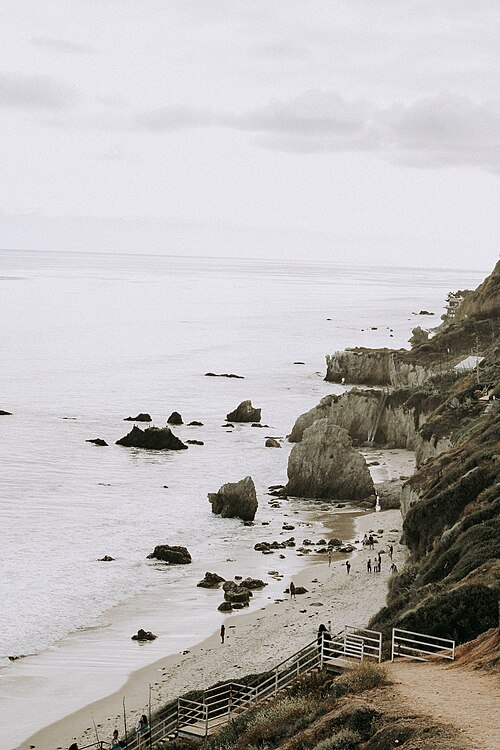
A vacant lot in Malibu can feel like the ultimate real estate fantasy.
There is no dated house to remodel. No strange layout to fix. No seller’s design choices to undo. Just land, ocean air, and the possibility of building the exact home you want.
That is the dream.
The reality is more complicated.
My take is that land in Malibu often looks simpler than it really is. People see a parcel near the beach and think they are buying potential. In truth, they are usually buying a long and expensive process before a single wall goes up.
A Malibu lot priced around $2.5 million may look like a deal when finished homes nearby trade for much more. But in Malibu, the land price is only the first number.
The Lot Price Is Only the Beginning
The mistake many buyers make is comparing raw land to finished homes as if the gap between the two is pure profit.
That is rarely how it works.
If a completed Malibu beach house is worth several million dollars more than a vacant lot, the empty lot can look like the bargain. But a finished home has already absorbed the pain of architecture, engineering, permits, construction, inspections, delays, and site-specific surprises.
A lot has not.
In Malibu, the gap between land and finished house is not just construction cost. It is time, risk, expertise, and uncertainty. Much like evaluating properties in other prime coastal areas like our Venice Beach neighborhood guide, value is deeply anchored in micro-location and structural development reality.
That is why I do not look at a Malibu lot and ask only, “What is the asking price?” I ask, “What will it actually take to turn this into a livable, valuable, permitted home?”
Those are two very different questions.
Malibu Is Not an Easy Place to Build
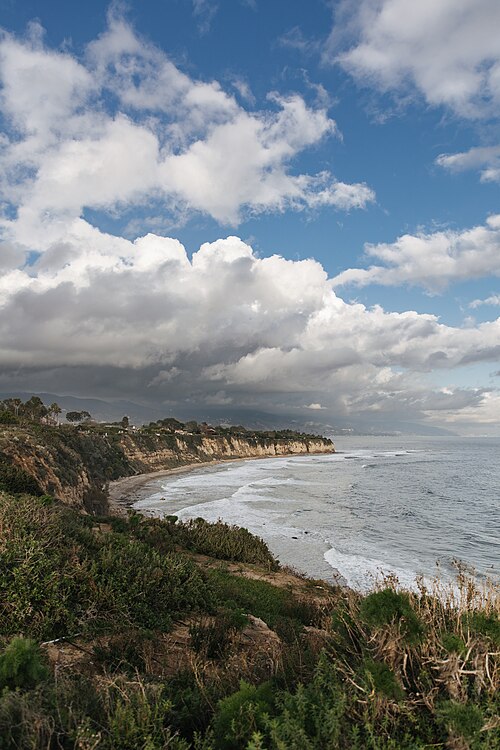
Malibu is one of the most desirable places to live in Los Angeles County, but it is also one of the more complicated places to build. Unlike the traditional coastal footprints explored in our guide to living in Santa Monica, Malibu's geography demands navigating an intensely strict local framework.
The entire city is within the coastal zone, and Malibu’s Local Coastal Program gives the city authority to review and approve coastal development permits at the local level. That means new construction is not just a normal building department process. Coastal rules, environmental sensitivity, public safety, geology, site access, and neighborhood context can all become part of the review.
That is part of what people are paying for when they buy a finished home in Malibu. They are not just buying the structure. They are buying the fact that somebody else already got it approved and built.
When you buy land, you are stepping into that process yourself.
That can be worth it if you want control over the final product. But it is not the same as buying a house. Land requires patience, capital, and a very clear understanding of what can actually be built.
Before You Build, You Start Spending
One of the most important things to understand about Malibu land is that the spending starts long before construction.
Before you have a finished design, you may need an architect, structural engineer, geotechnical engineer, surveyor, civil engineer, septic consultant, and other specialists depending on the lot.
As a rough example, early pre-construction costs might include:
Architect: around $125,000
Structural engineer: around $35,000
Geotechnical engineer: around $20,000
And that is before you have paid to build the house.
These numbers will vary based on the project, but the larger point is what matters: a buyer can spend serious money before there is visible progress on the site.
This is where people can get into trouble. They buy the lot because the price seems manageable compared with finished homes. Then they realize the soft costs, carrying costs, and timeline are much heavier than expected.
Land is not passive. It demands decisions.
Septic, Geology, and Site Conditions Matter
Many Malibu properties also require careful review of wastewater systems. The City of Malibu has a specific process for new onsite wastewater treatment systems, commonly referred to as OWTS or septic systems. Before submitting for a new system, the city directs applicants to contact the Planning Department regarding requirements, checklists, forms, and submittal steps.
That might sound like a technical detail, but it can have a major impact on what you can build.
A septic system affects layout, usable land, setbacks, grading, and cost. Geology can affect foundations, retaining walls, drainage, slope stability, and structural design. Coastal exposure can affect materials, maintenance, and long-term durability.
In other words, the site itself can change the entire deal.
Two Malibu lots can look similar on a map and have completely different development realities.
That is why local expertise matters so much. A buyer should not evaluate Malibu land by square footage alone. The real question is not simply how big the lot is. The real question is how buildable it is.
Time Is a Cost Too
Time is one of the most underestimated costs in Malibu development.
If you buy a multimillion-dollar lot, you may be carrying that property for months or longer while plans are being prepared, reviewed, revised, and approved. During that time, you may be paying property taxes, insurance, financing costs, consultant fees, and opportunity cost. While urban infill development pathways face their own distinct regulatory hurdles—as highlighted across our broader Los Angeles Area Guide—coastal development paths have an entirely unique timeline footprint.
Even if everything goes relatively smoothly, the process can be slow. If the lot has unusual constraints, the timeline can stretch further.
That matters because every month changes the economics.
A buyer who thinks they are getting a bargain can end up with a very different calculation if the project takes longer than expected. This is especially true in a higher-rate environment, where carrying costs can be more painful.
Construction Costs Are Where the Math Gets Serious
Then comes the biggest number: construction.
A cheap build does not really exist on the Malibu coast. Coastal construction is difficult. Labor is expensive. Materials are expensive. Access may be challenging. Engineering can be specialized. Fire, wind, salt air, drainage, and site conditions all matter.
For a high-end Malibu project, a rough construction figure around $1,000 per square foot is not hard to imagine, and some projects can exceed that depending on design, finishes, site work, and complexity. While other regional expansions focus heavily on high-density commercial arenas—similar to the massive shifts outlined in our guide to living in Inglewood—Malibu construction remains an exercise in strict custom estate engineering.
Once you combine land, soft costs, approvals, construction, septic, utilities, carrying costs, and contingencies, the total project cost can rise very quickly.
That is why a $2.5 million lot is not really a $2.5 million opportunity.
It may be the beginning of a project that ultimately requires millions more to complete.
The question is whether the finished value justifies the total cost, time, and risk.
Why People Still Do It
With all of that said, people still buy land in Malibu for a reason.
When it works, the result can be extraordinary.
A well-designed Malibu home offers something that is very hard to replicate anywhere else in Los Angeles: ocean views, privacy, natural beauty, limited supply, and the emotional pull of living along one of the most iconic coastlines in the country.
Malibu is not just expensive because houses are large. Malibu is expensive because the lifestyle is scarce.
There are only so many places where you can live close to the ocean, surrounded by mountains, with a sense of escape that still keeps you connected to Los Angeles.
That is the appeal. It is real.
But the appeal should not blind buyers to the numbers.
What Malibu Buyers Are Really Waiting For
For many buyers right now, the question is not whether Malibu is desirable. It obviously is.
The question is whether the cost of land, construction, financing, and time makes sense in the current market.
Higher interest rates have changed buyer psychology across Los Angeles. Freddie Mac reported the average 30-year fixed mortgage rate at 6.49 percent as of July 9, 2026. Even affluent buyers care about financing costs, opportunity cost, and how long capital is tied up in a project.
That is especially true with land.
A finished home gives you immediate use. A lot gives you a process.
So Malibu land buyers are watching three things closely: the price of the lot, the cost to build, and the value of the finished home.
If those three numbers do not line up, the project may not make sense, no matter how beautiful the setting is.
For sellers, the lesson is different. In a cautious market, buyers need clarity. They want to know what can be built, what studies have been completed, what approvals may be needed, what the likely timeline is, and how the lot compares with finished-home values nearby.
A land listing that simply says “build your dream home” is not enough.
The better strategy is to reduce uncertainty wherever possible.
The Real Estate Takeaway
Buying land in Malibu is not really about finding the cheapest way into the market.
It is about understanding the full cost of creating the home you imagine.
That includes the land price. But it also includes architecture, engineering, geotechnical work, septic, permits, construction, carrying costs, delays, and risk.
Sometimes the opportunity is real.
Sometimes the “deal” is only a deal because the hard part has not started yet.
That is why I think buyers need to be very careful with Malibu land. The beach, the views, and the fantasy are powerful. But the spreadsheet has to work too.
Malibu rewards patience, expertise, and good judgment. It punishes assumptions.
If you are considering buying land, building a home, or selling property in Malibu, feel free to read more about my practice or contact me, Tyler Neale directly. I can help you evaluate not just the listing price, but the full economics, development risk, and long-term value behind the decision.