
Bel Air is one of the most famous luxury neighborhoods in Los Angeles, but it has always sold something slightly different than Beverly Hills.
Beverly Hills sells visibility. Rodeo Drive, the Beverly Hills Hotel, palm-lined streets and the name itself all operate as public symbols of wealth.
Bel Air sells privacy.
That difference is the key to understanding the neighborhood.
From the beginning, Bel Air was designed to feel removed from the city below. It had gates, winding roads, large lots, hillsides, estate settings and a sense that if you lived there, you were not trying to be seen by everyone. You were trying to disappear into one of the most exclusive residential environments in Los Angeles.
My take is that Bel Air may be the purest expression of private luxury in LA. It was built to keep the outside world at a distance, but over time, the outside world became obsessed with what was behind the gates.
Bel Air Was Created by an Oil Fortune
Bel Air was founded by Alphonzo Bell, an oilman, real estate developer and former tennis player who purchased 600 acres in west Los Angeles. The first tract for the new community was filed in 1923 and included 128 home lots. Today, the Bel-Air Association describes the neighborhood as covering more than 2,000 properties between Mulholland Drive, Sunset Boulevard, Beverly Glen Boulevard and Sepulveda Boulevard.
This origin matters because Bel Air was not an accidental neighborhood. It was planned.
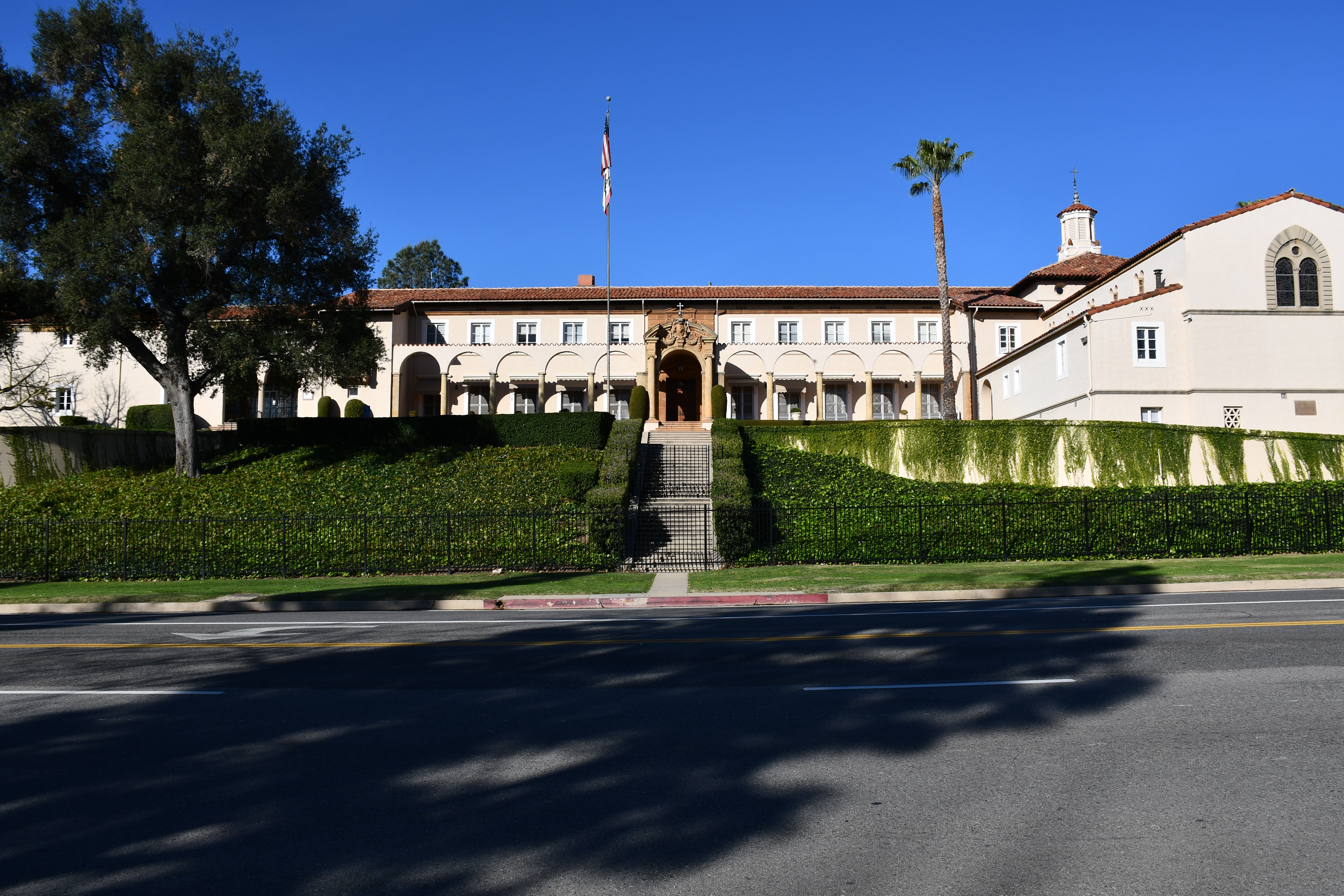
Bell’s land sat in the hills west of Beverly Hills, above Sunset Boulevard, with views, privacy and enough topography to create something that felt secluded without being remote. That combination is still the foundation of Bel Air real estate value.
The neighborhood was close enough to the city to be useful, but far enough above it to feel exclusive. That is one reason Bel Air has remained so durable. It was designed around scarcity from the start.
The Gates Were the Point
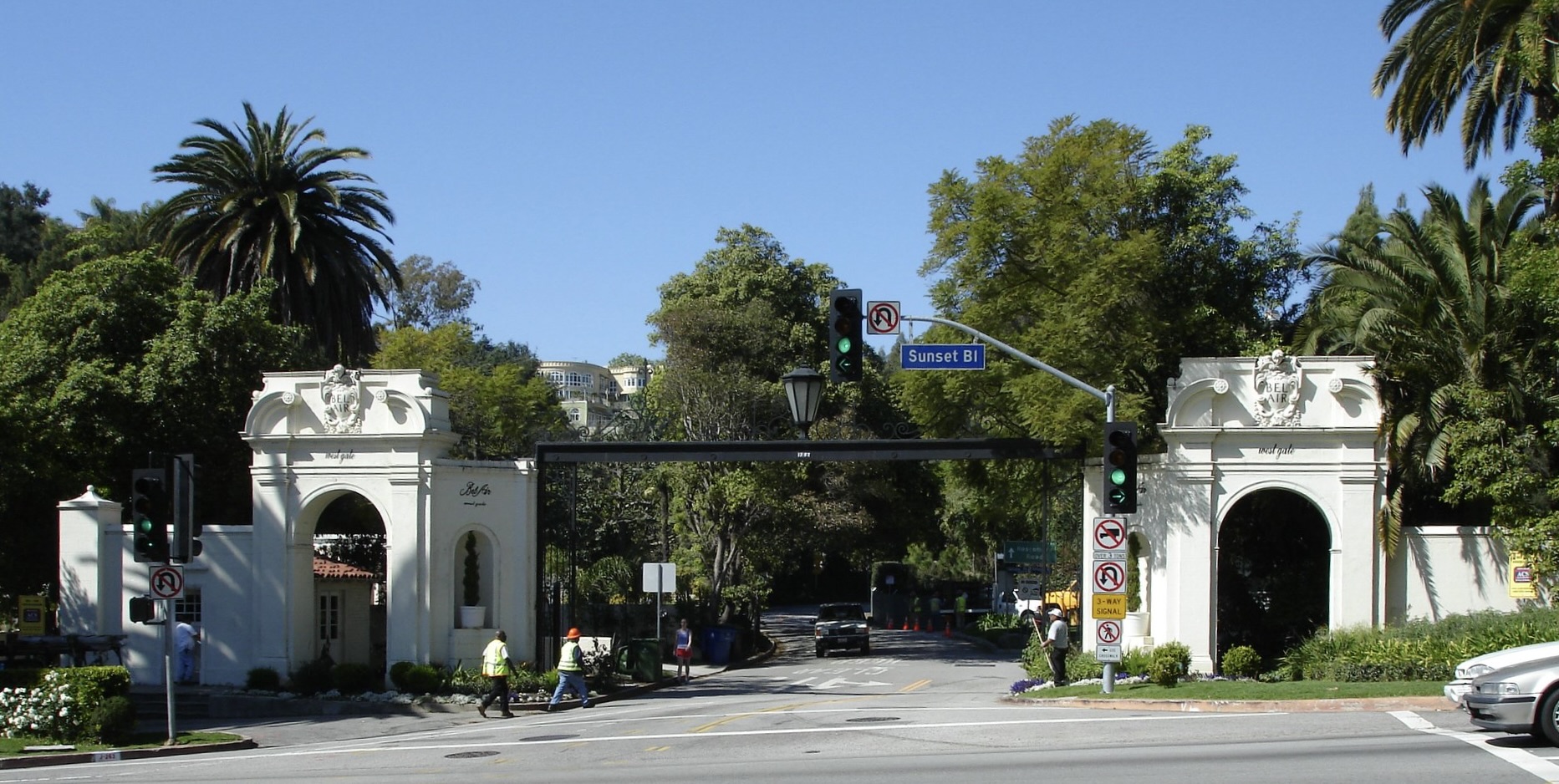
The gates are one of the most important symbols in Bel Air. They tell you immediately that you are entering a different kind of Los Angeles—not a shopping district, a beach town, or a walkable village, but a private residential world.
That was deliberate. Bel Air was marketed as a place of estates, not celebrity spectacle. It was supposed to be refined, quiet and controlled. The original vision was closer to a “community of gentlemen’s estates” than a glamorous Hollywood showcase. A Los Angeles Times neighborhood profile noted that Bell wanted actors kept out of what he envisioned as an exclusive estate community, but that Hollywood money eventually overwhelmed that restriction.
That is one of the most interesting contradictions in Bel Air history. The neighborhood was built partly to avoid the movie-star energy associated with Beverly Hills. But over time, movie stars and entertainment money helped make Bel Air globally famous.
Bel Air Was the Anti-Beverly Hills
This is where Bel Air becomes especially fascinating. Beverly Hills embraced the visible side of wealth, highlighting hotels, retail, celebrity sightings and civic image-making. Bel Air took a different path. Bel Air’s power was not in being seen; it was in being hard to access.
That is why the neighborhood’s streets matter so much. Bel Air is not arranged like a conventional grid. Its roads curve through canyons and hillsides. Properties hide behind gates, walls, trees and long driveways. Even when a house is enormous, it may not fully reveal itself from the street.
In most luxury neighborhoods, the house announces status. In Bel Air, the gate often does that first. For real estate, that privacy has real value. Buyers are not just paying for a structure. They are paying for distance, control and discretion.
Hollywood Got In Anyway
The irony is that Bel Air eventually became one of the great Old Hollywood addresses.
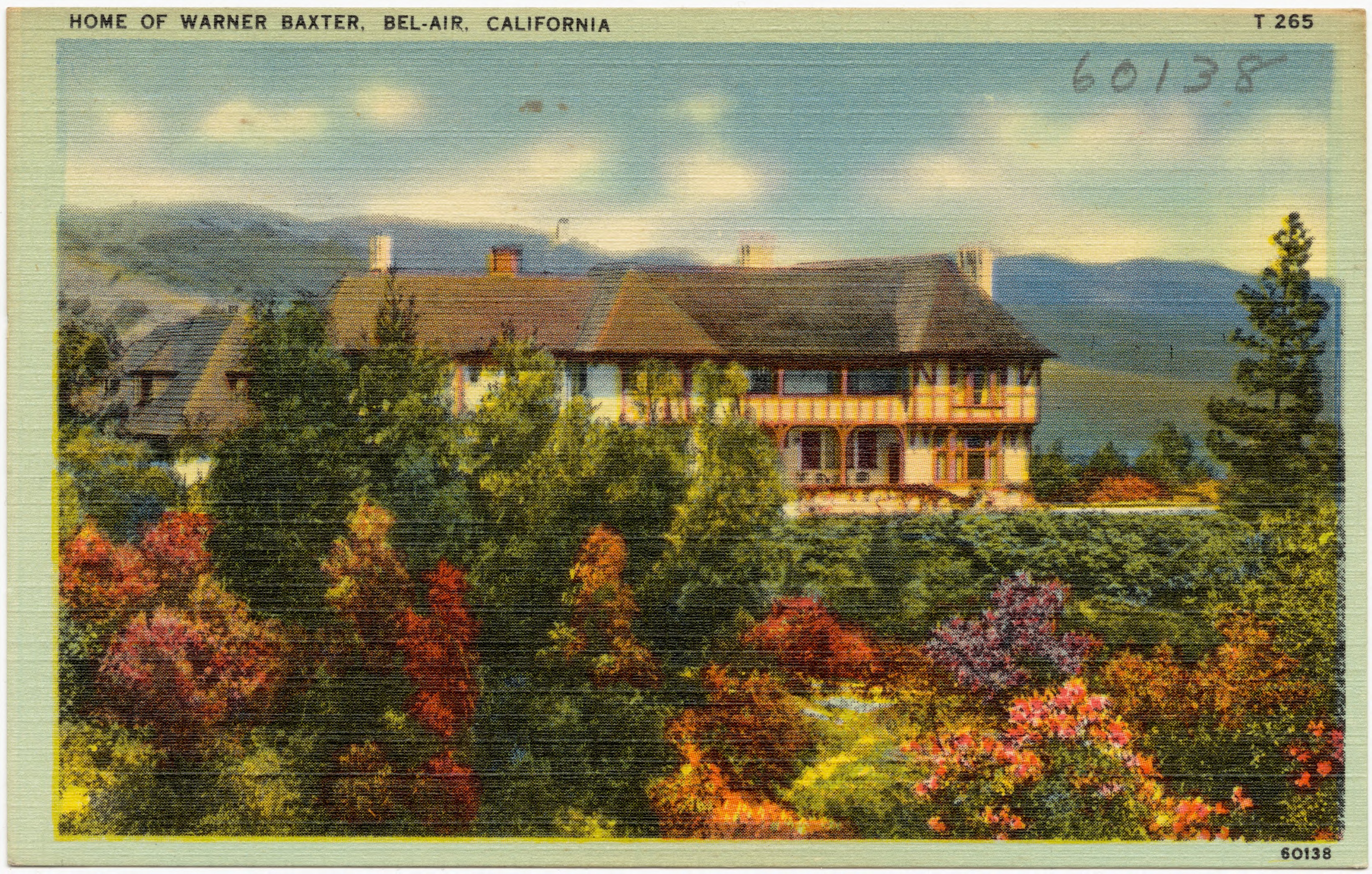
Once the film industry created enough wealth, the gates could not keep Hollywood out forever. Actors, producers and entertainment figures wanted exactly what Bel Air offered: privacy near the studios, prestige without the foot traffic and estates where they could live beyond the public eye.
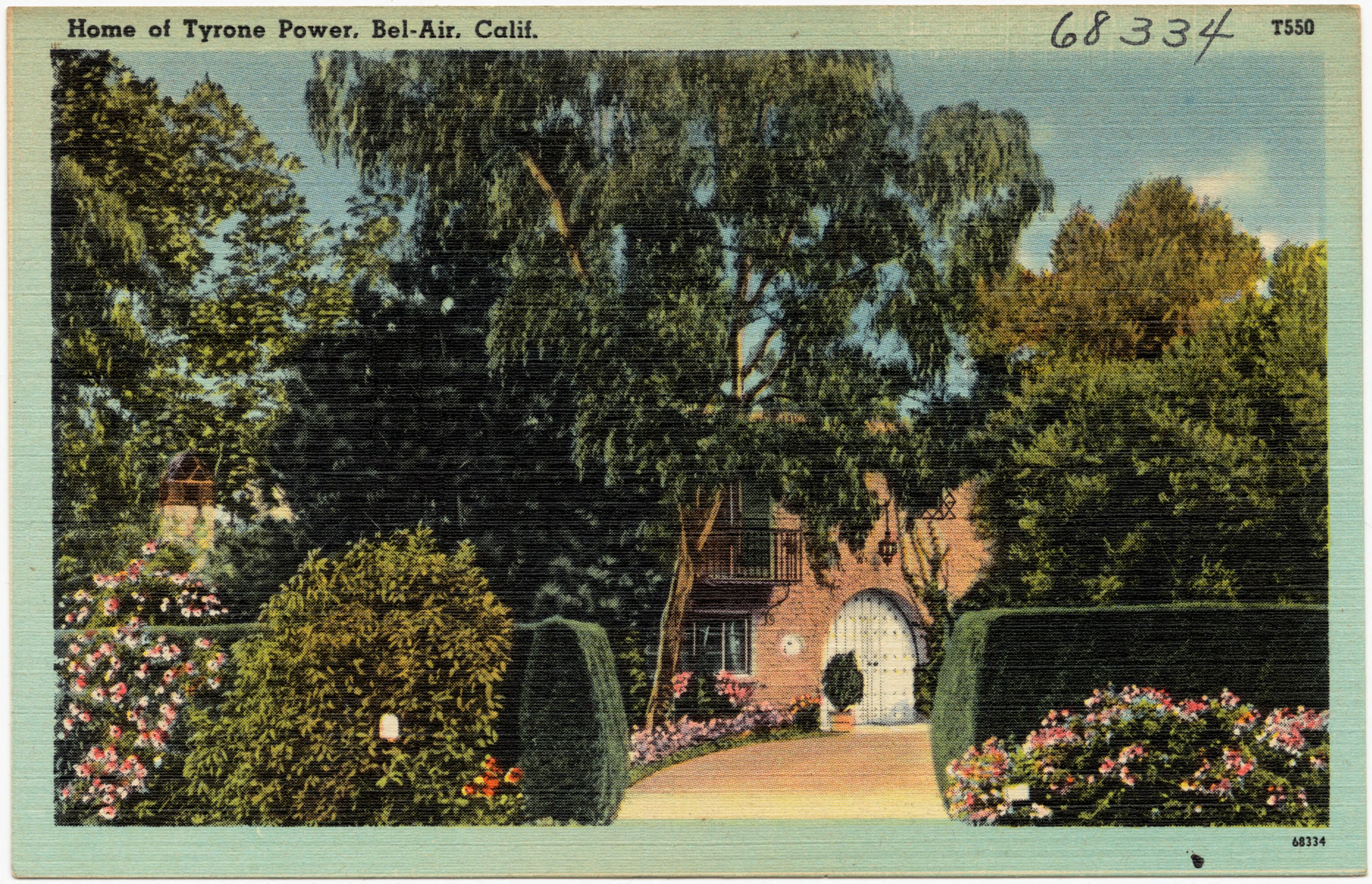
This is why Bel Air became so powerful as a luxury market. It combined contradictions that wealthy buyers wanted: it was close to everything, but it felt removed; it was famous, but private; it had Hollywood history, but less of the public spectacle of Beverly Hills. That combination still defines the neighborhood today.
Hotel Bel-Air Made Privacy Glamorous
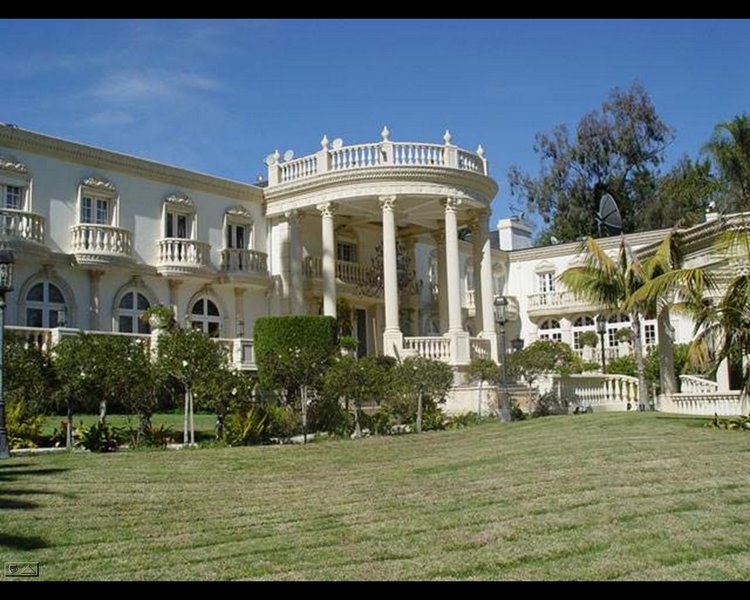
The Hotel Bel-Air helped turn Bel Air’s privacy into a form of glamour. The hotel’s site began as part of Alphonzo Bell’s original development. In 1946, Texan hotel entrepreneur Joseph Drown purchased 18 acres from Bell, including the original building, and transformed the property into the Hotel Bel-Air.
Unlike the Beverly Hills Hotel, which is more visible and socially theatrical, Hotel Bel-Air became associated with retreat. It was where people went when they wanted luxury without being on display. That distinction is important. In Los Angeles, there are different kinds of status: there is the status of being recognized, and there is the status of not needing to be recognized. Bel Air has always leaned toward the second.
The Neighborhood Became a Mansion Laboratory
As Los Angeles wealth grew, Bel Air became one of the places where the definition of a mansion kept expanding. Old estates gave way in some cases to larger compounds. Hillside parcels were assembled. Existing homes were replaced or radically enlarged. Architecture shifted from traditional estates to contemporary glass boxes, resort-scale compounds and spec mega-mansions designed for an international buyer pool.
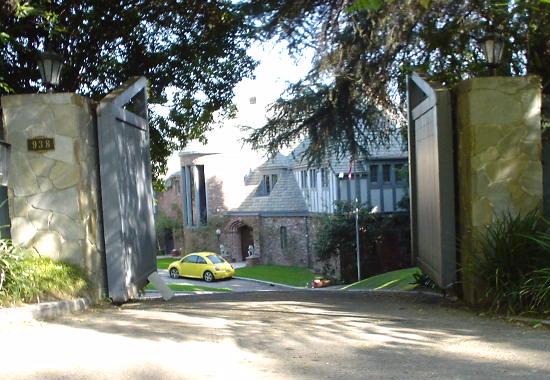
That evolution has not always been smooth. Bel Air has seen some of the most extreme real estate experiments in the country. The One, the 105,000-square-foot Bel Air mega-mansion developed by Nile Niami, was once expected to ask as much as $500 million but ultimately sold at auction in 2022 for about $126 million. Then, in 2026, a separate Bel Air mega-mansion came to market for $400 million, aiming for a national price record.
Those numbers are almost absurd, but they say something important about Bel Air. At the very top of the market, Bel Air is not only competing with Beverly Hills or Holmby Hills. It is competing with global wealth itself.
Bigger Does Not Always Mean Better
This is where my opinion comes in. Bel Air can support some of the most expensive homes in the world, but that does not mean every oversized house in Bel Air is automatically valuable. The best Bel Air properties have more than size. They have land, privacy, views, architecture, access, usable grounds and a sense of permanence. The weaker ones are just big.
That distinction matters more now than it did a few years ago. In a higher-rate, more selective luxury market, buyers are scrutinizing price, quality and long-term value more carefully. Freddie Mac reported the average 30-year fixed mortgage rate at 6.55 percent as of July 16, 2026, and even wealthy buyers are paying more attention to the cost of capital and opportunity cost.
For Bel Air sellers, that means the listing strategy has to be precise. You cannot simply say “Bel Air” and expect the market to do the work. Is the property in East Gate Old Bel Air? Is it near the Hotel Bel-Air? Does it have city views? Canyon privacy? A flat pad? Architectural pedigree? A gated motor court? A history? A usable lot? Those details are the market. Effectively navigating this space requires deep alignment with a targeted luxury property marketing strategy to ensure the correct narratives reach qualified buyers.
What Bel Air Buyers Are Really Paying For
Bel Air buyers are not just paying for square footage. They are paying for privacy, land, views, address value and the ability to live in a neighborhood that still feels separate from Los Angeles even though it sits in the middle of the Westside.
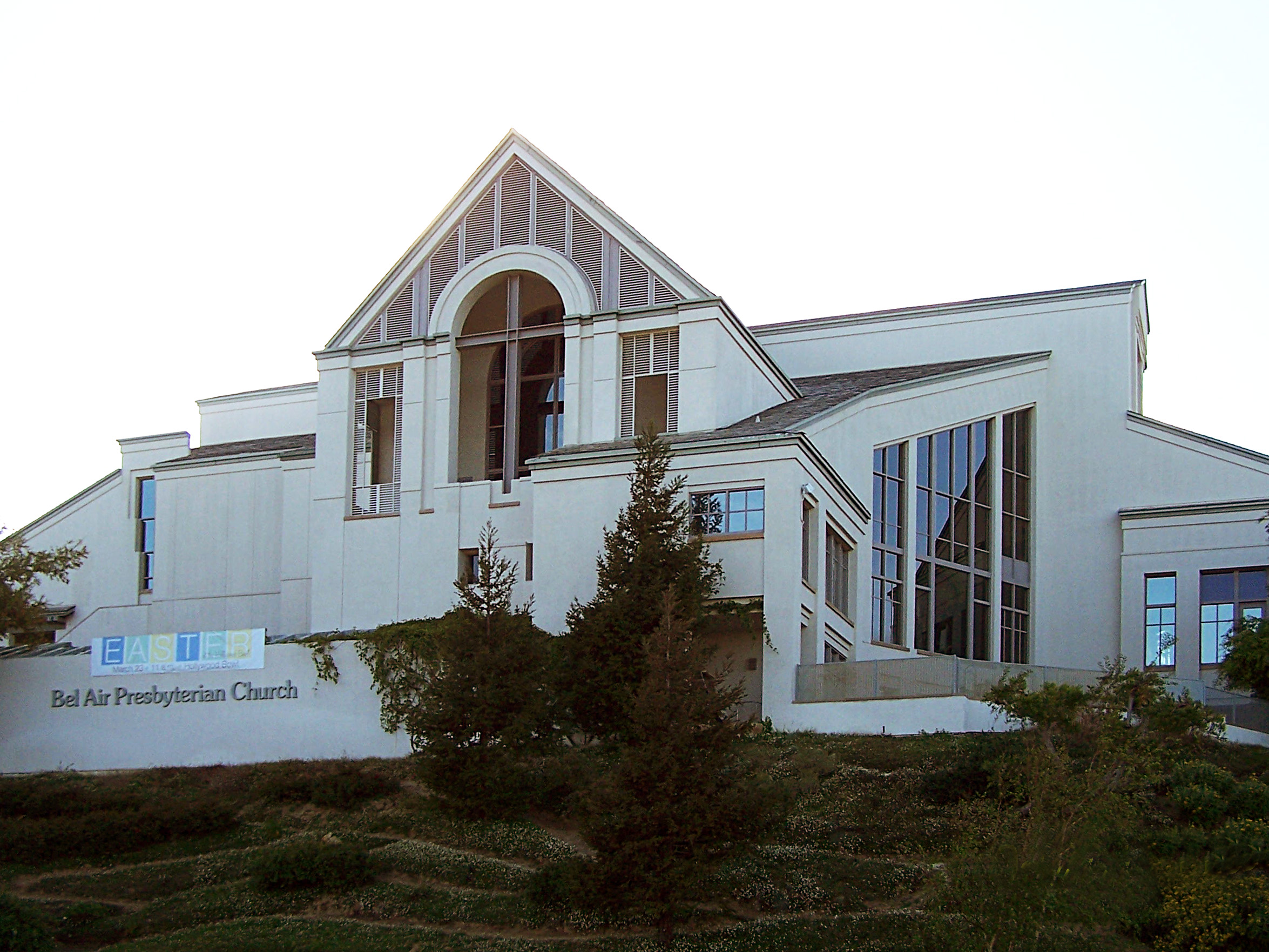
That is why Bel Air is so block-specific and property-specific. A house behind the East Gate is not the same as a property in upper Bel Air. A view estate above the canyon is not the same as a private lower Bel Air compound. A historic Old Hollywood house is not the same as a new spec mansion. They may all carry the Bel Air name, but they do not offer the same lifestyle or buyer pool. In Bel Air, value comes from the combination of privacy, access, setting and story across the broader Los Angeles real estate landscape.
The Real Estate Takeaway
Bel Air is one of the best examples of how Los Angeles luxury is not one thing. Beverly Hills is visible luxury. Malibu is coastal luxury. Holmby Hills is estate luxury. Bel Air is private luxury.
That identity goes all the way back to Alphonzo Bell’s original vision. He created a gated residential enclave in the hills and tried to control who belonged there. The irony is that the very people he wanted to keep out helped make Bel Air one of the most famous wealthy neighborhoods in the world. Today, Bel Air still carries that tension: it wants privacy, but it produces headlines; it wants discretion, but it attracts record-setting listings; it wants to feel hidden, but everyone knows the name. That contradiction is exactly why it remains so powerful.
If you are considering buying or selling in Bel Air, contact me, Tyler Neale. I can help you understand not just the price, but the gate, the street, the lot, the architecture, the privacy and the long-term value behind one of Los Angeles’ most exclusive real estate markets.