
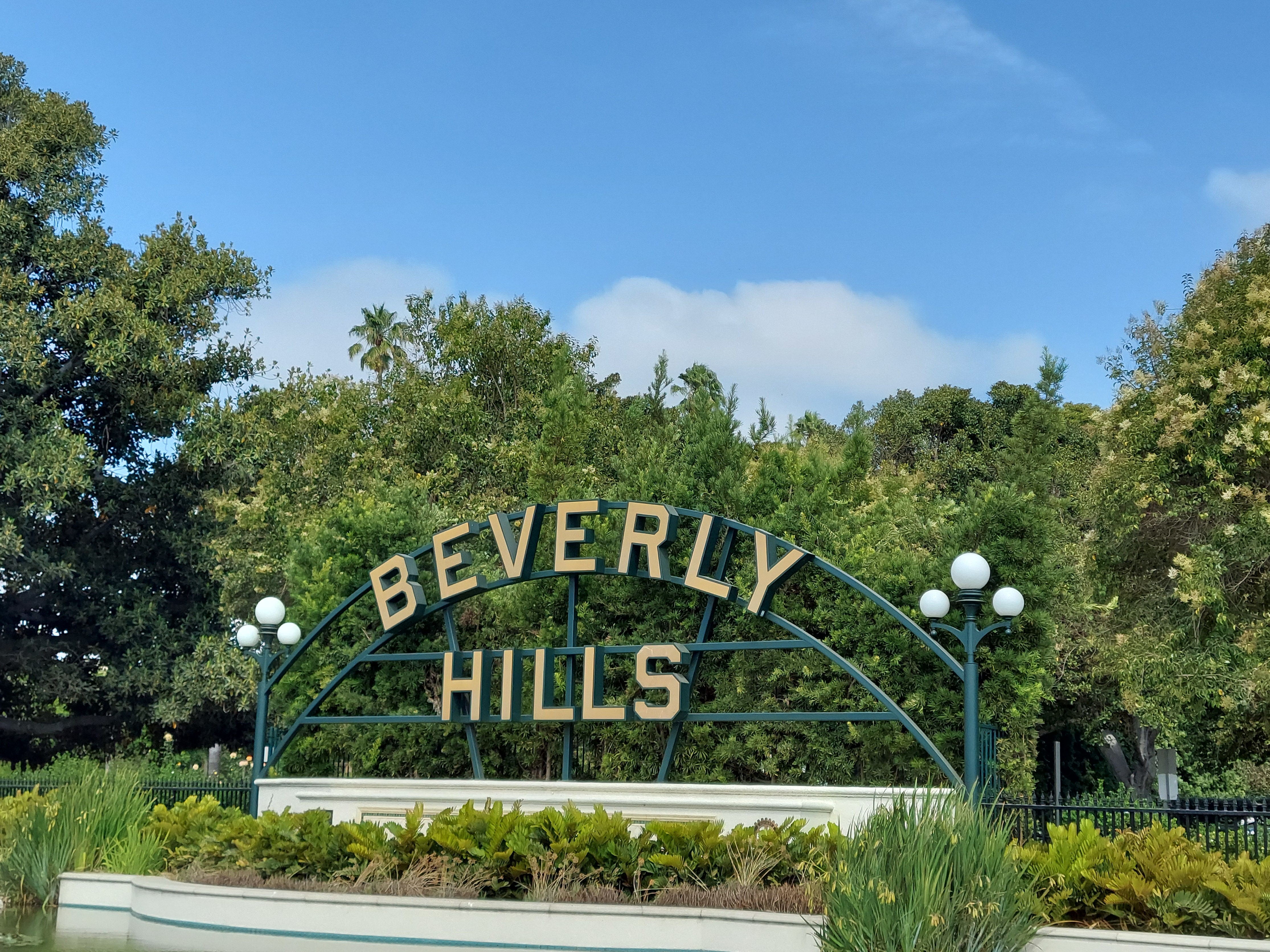
Beverly Hills is so famous now that it almost feels inevitable.
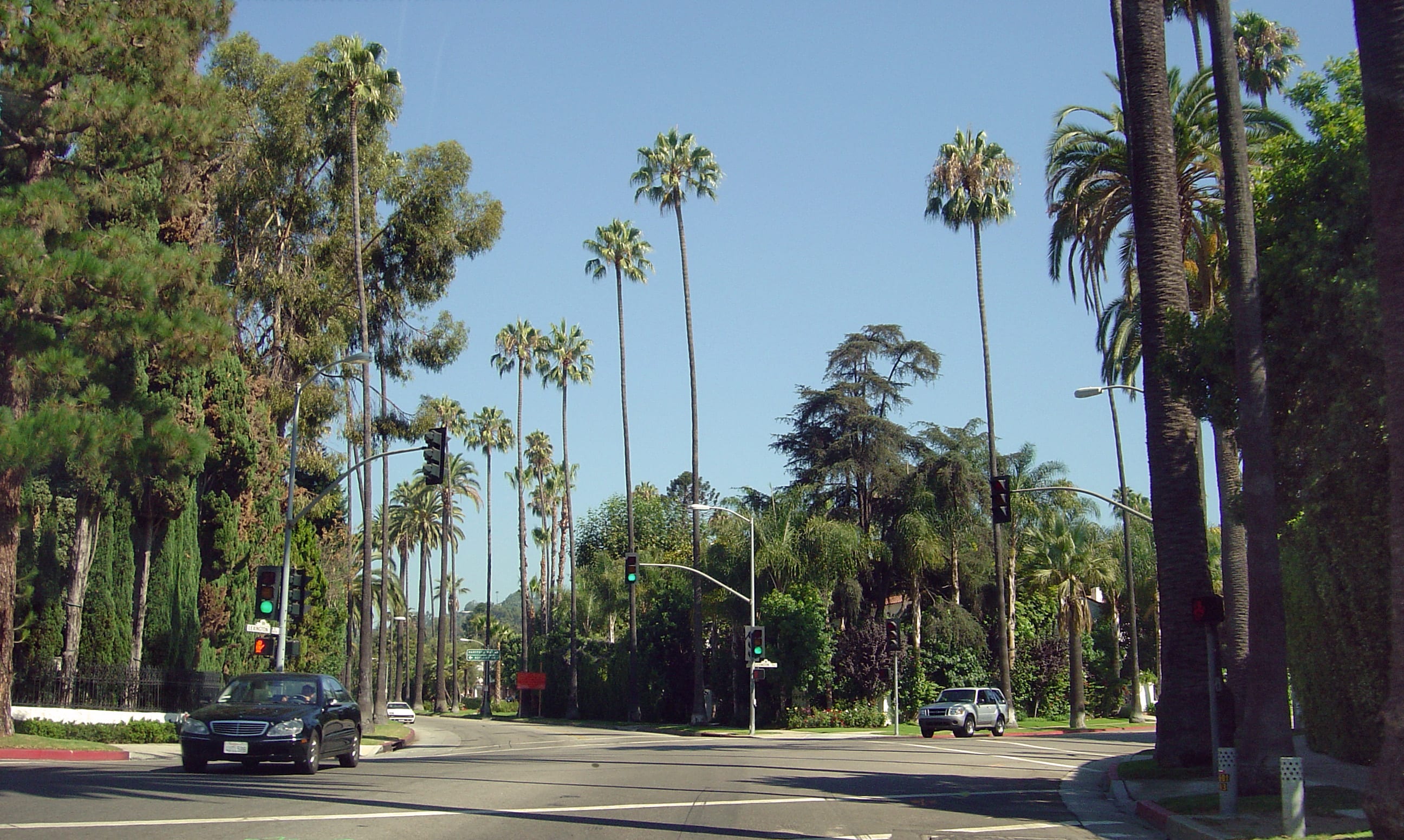
The name itself has become shorthand for money, celebrity, shopping, privacy, palm trees, gated estates and some of the most valuable residential real estate in America.
But Beverly Hills did not begin as a luxury city.
It began as ranch land. Then it became a failed oil play. Then a speculative residential development. Then a hotel town. Then a movie star colony. Then a global symbol of wealth.
And now, after more than a century of cultivating an image of exclusivity, Beverly Hills is entering another chapter: public transit is finally arriving.
That is what makes Beverly Hills so interesting to me. It is not just a rich city. It is one of the most successful real estate branding stories in Los Angeles history.
Before Beverly Hills, There Was Rancho Rodeo de las Aguas
Long before Rodeo Drive or the Beverly Hills Hotel, the land was part of Rancho Rodeo de las Aguas, meaning “Gathering of the Waters.” The City of Beverly Hills traces the area’s early land grant history to Maria Rita Valdez Villa, who received the land in 1838.
That early name matters because water shaped the area before luxury did.
The land had natural springs and enough agricultural value to support ranching, bean fields and settlement. It was not yet glamorous. It was useful.
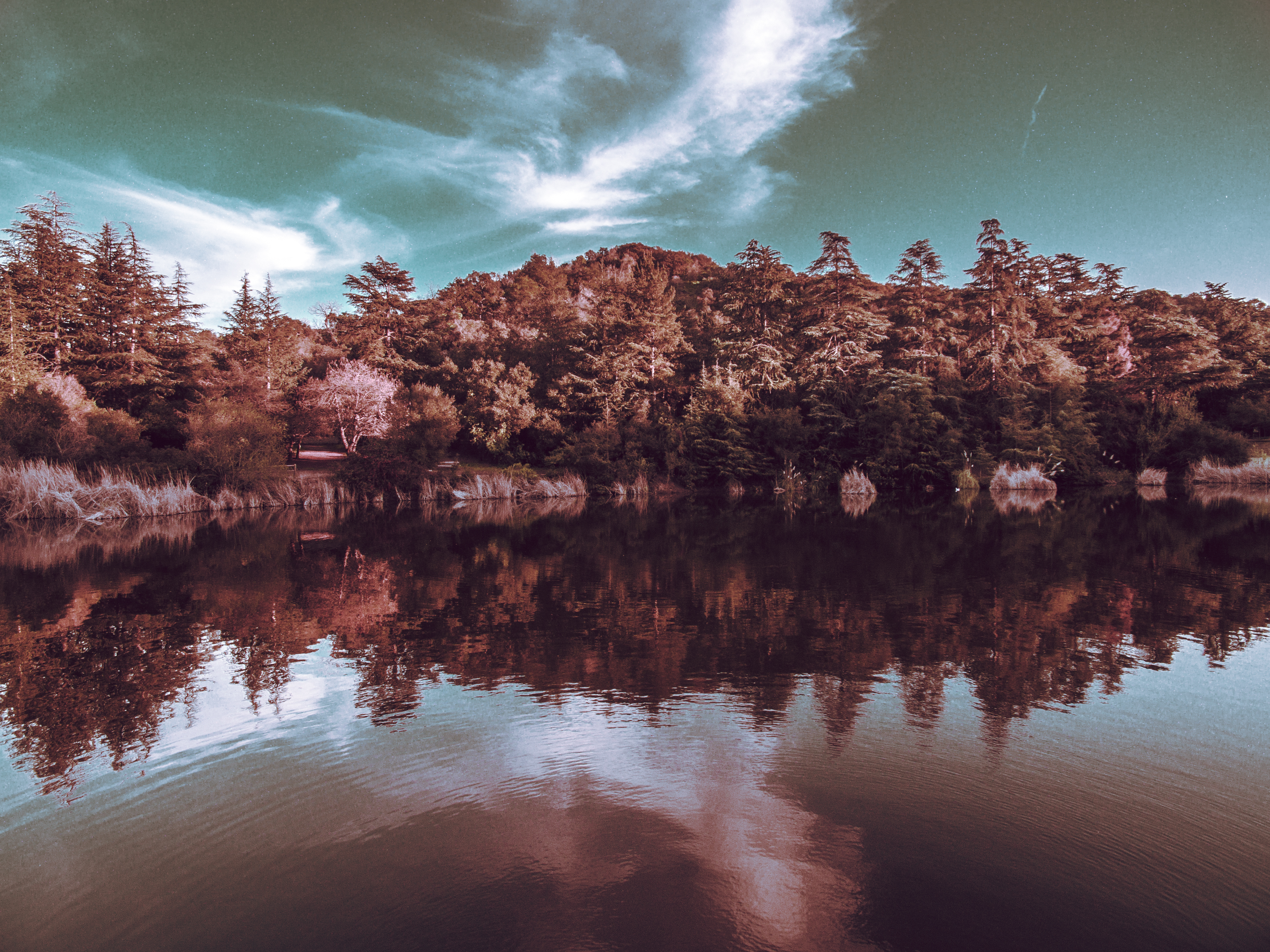
This is one of the things people forget about high-end real estate. The glamour comes later. The first question is almost always geography.
Beverly Hills had location, water, open land and proximity to Los Angeles. That combination created the possibility for something valuable, even before anyone knew exactly what it would become.
The Failed Oil Field That Became a Luxury City
In 1900, Burton Green and a group of partners purchased the land for the Amalgamated Oil Company and began drilling. They were hoping to find oil. They did not find enough to justify the original plan.
That failure changed Los Angeles history.
Instead of becoming another Southern California oil field, the land was repositioned as a residential community. Green and his partners leaned into the area’s beauty and location. The streets were planned with curves, landscaping and an image of refinement.
That is the real estate lesson. Sometimes the best use of land is not the first use someone imagines.
Beverly Hills could have become industrial. Instead, it became aspirational.
The Hotel Came Before the City
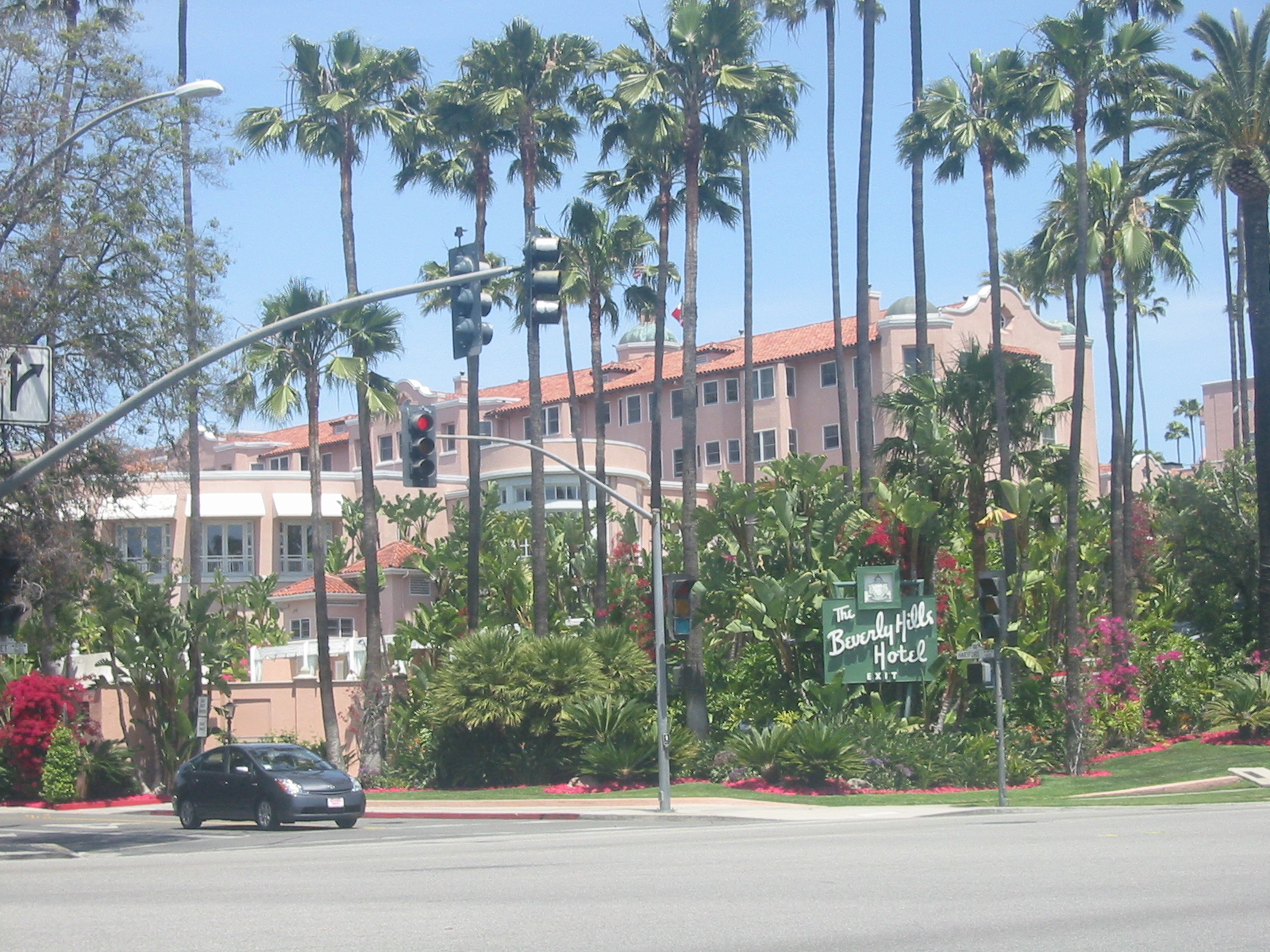
One of the most important facts about Beverly Hills is that the Beverly Hills Hotel opened before Beverly Hills was even officially a city.
The hotel opened in 1912 as a way to attract visitors and prospective buyers to the new development. The City of Beverly Hills was incorporated two years later, on January 28, 1914.
That is incredible when you think about it.
The hotel was not just a place to stay. It was a sales tool. It helped create the lifestyle people were supposed to want before the city had fully arrived.
That strategy still works in luxury real estate today. You do not just sell property. You sell the feeling around the property.
Beverly Hills understood that early.
Hollywood Made Beverly Hills Famous
Beverly Hills became globally recognizable because the movie industry moved in.
Douglas Fairbanks and Mary Pickford helped lead that shift when they moved into what became Pickfair in 1919. The City of Beverly Hills describes their arrival as part of the wave that brought Hollywood stars into the area, including figures like Charlie Chaplin, Will Rogers, Rudolph Valentino and others.
Once that happened, Beverly Hills became more than a suburb.
It became the place where movie stars lived.
That association changed everything. The homes were not just homes. They were proof of arrival. The streets were not just streets. They were part of the mythology of Hollywood success.
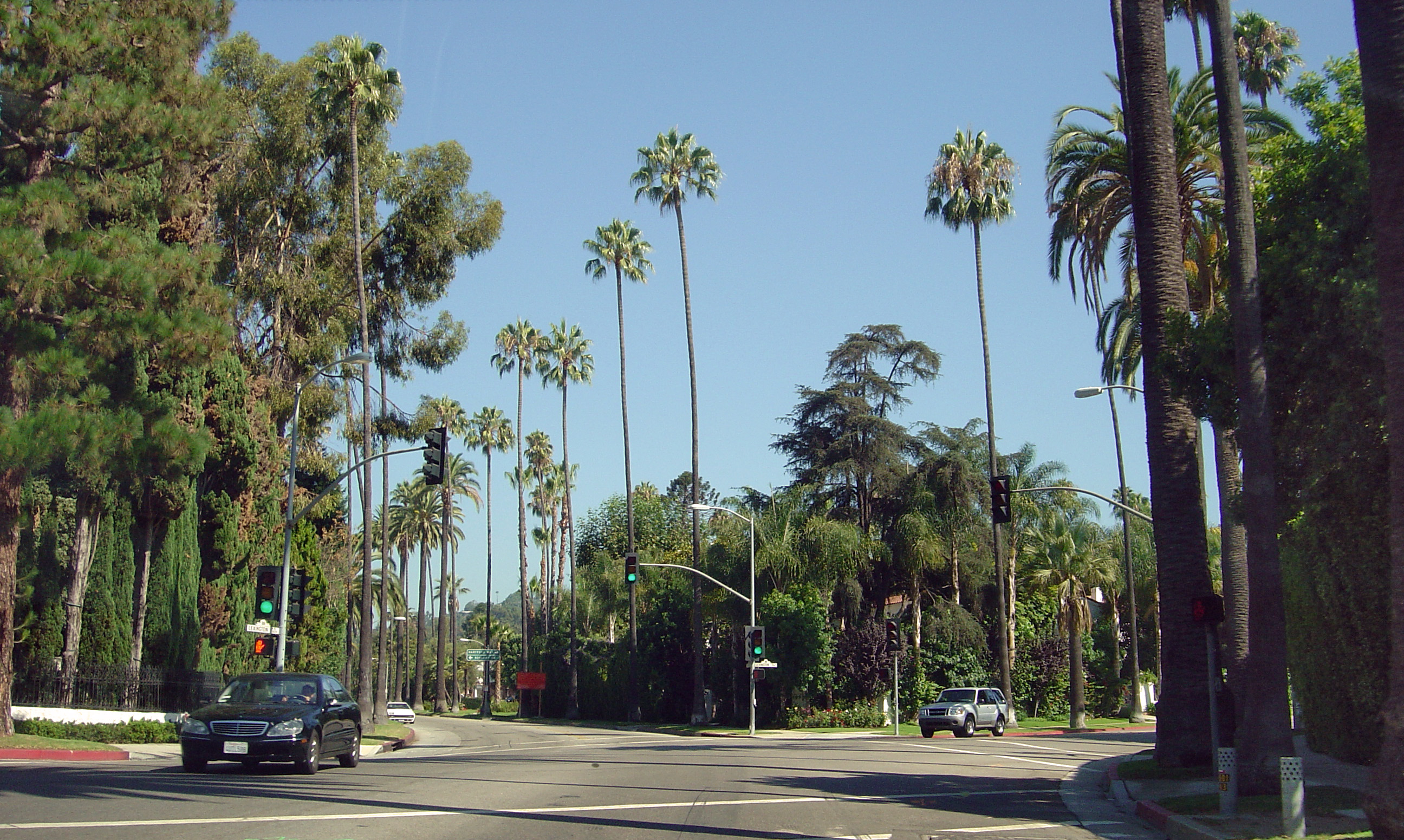
This is still a huge part of Beverly Hills real estate value. Buyers are not only buying square footage. They are buying history, privacy, address value and the emotional weight of the name.
In Los Angeles, the right address can become part of the property itself.
Rodeo Drive Turned Luxury Into a Public Stage
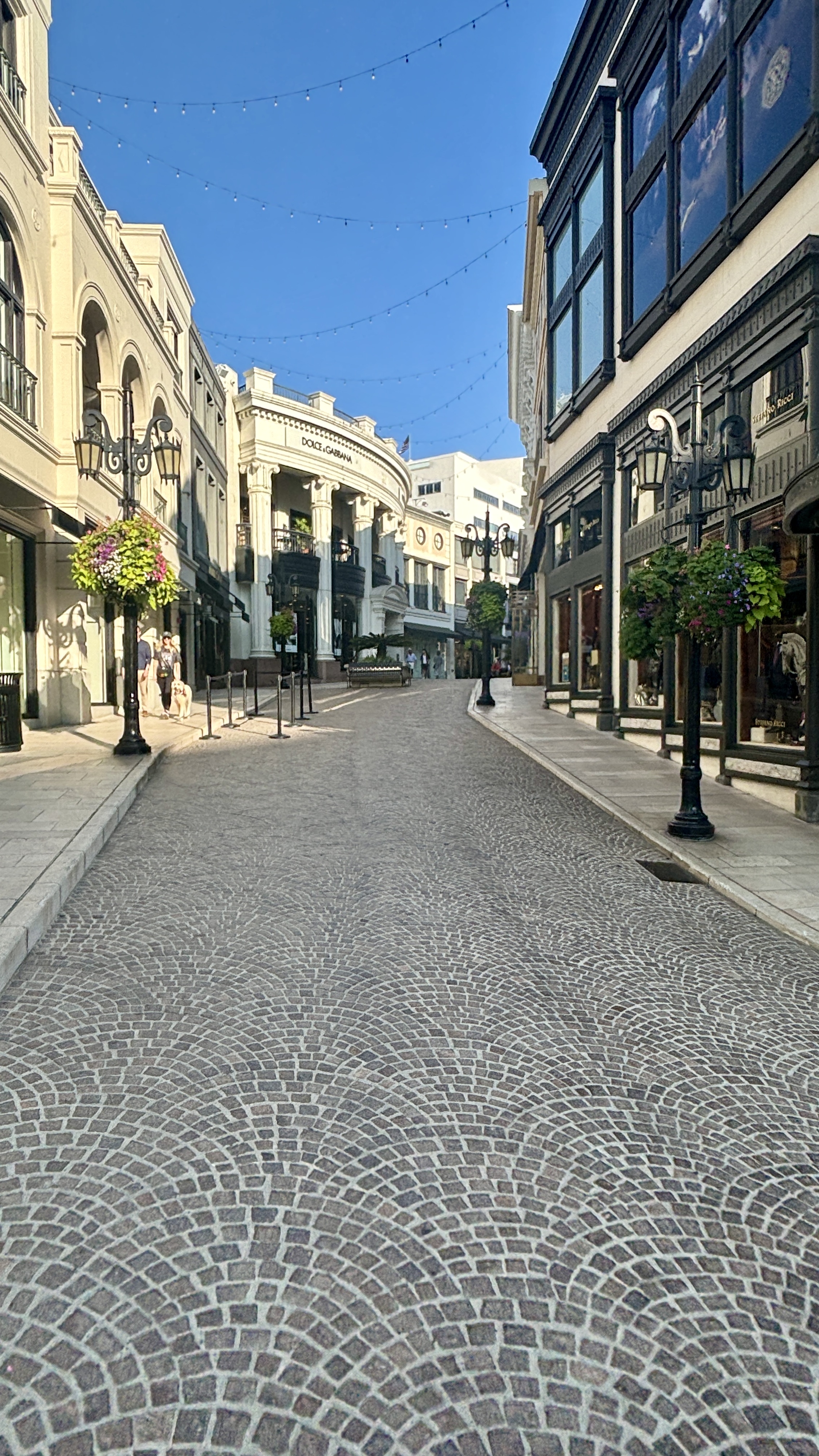
Rodeo Drive is one of the clearest examples of Beverly Hills understanding image.
It is not just a shopping street. It is a stage.
People come to Rodeo Drive to buy, but also to look, walk, photograph and participate in the fantasy. That matters because it reinforces Beverly Hills as a global luxury brand.
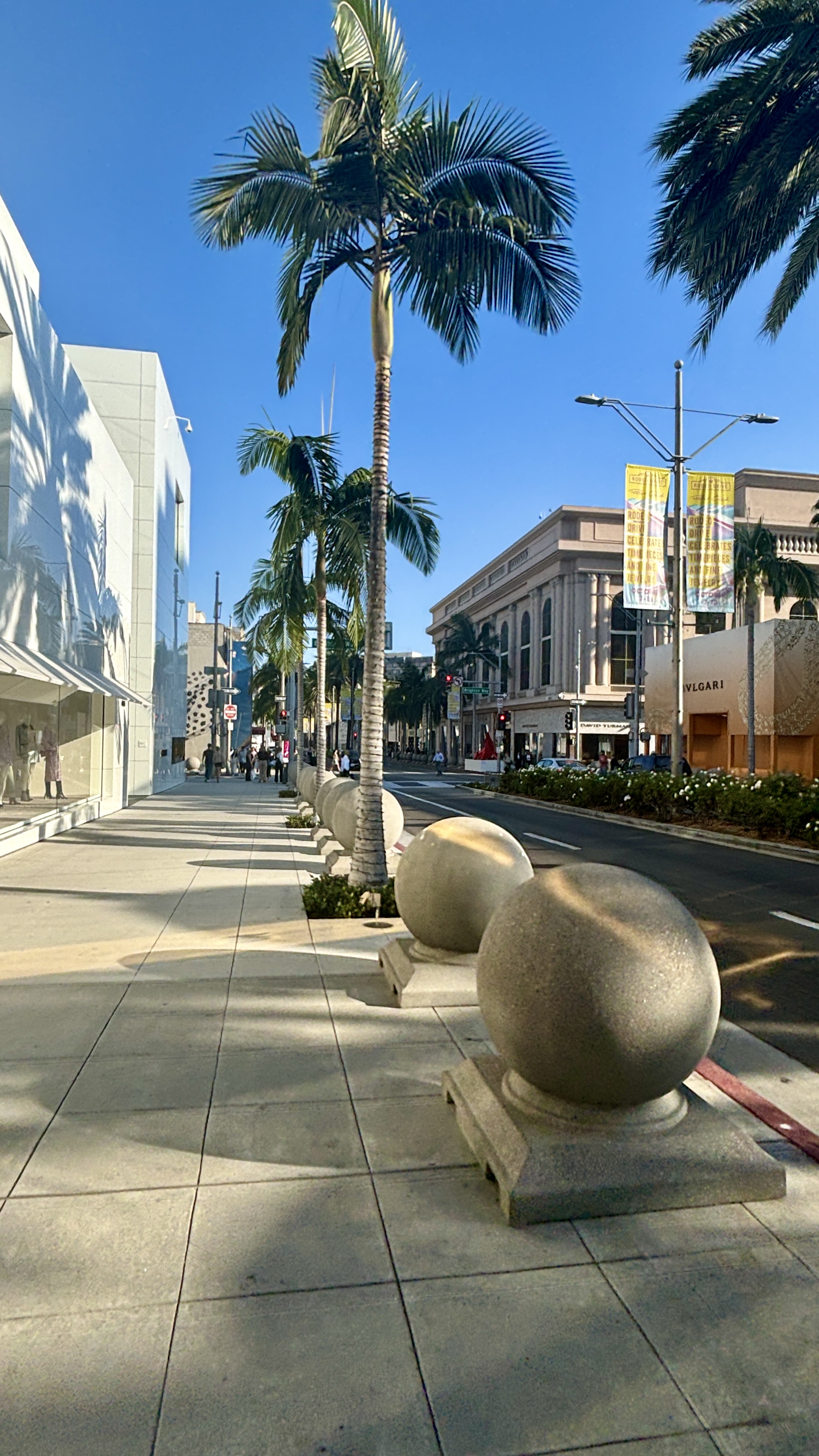
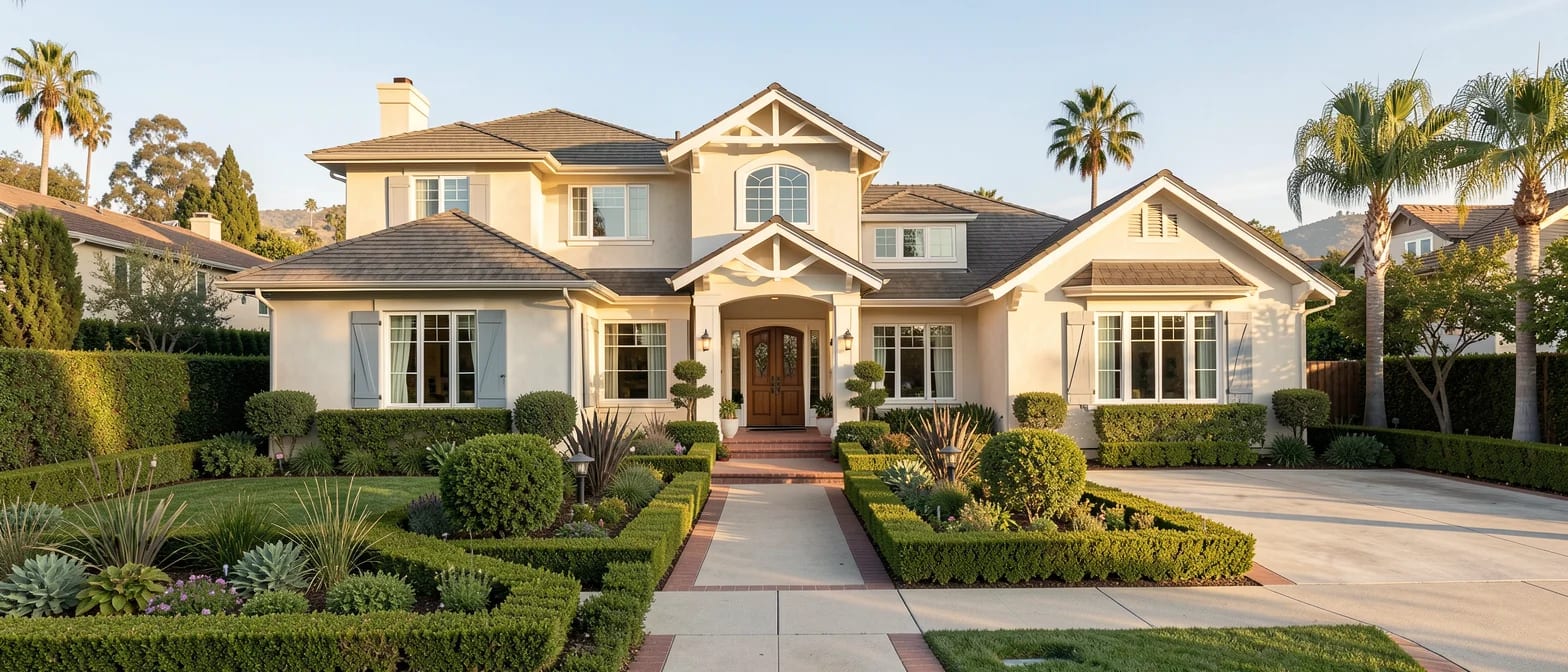
For homeowners, that brand has real value. A house in Beverly Hills benefits from the city’s entire ecosystem: hotels, restaurants, retail, policing, landscaping, schools, privacy, architecture and global recognition.
That is why Beverly Hills can command a premium even compared with other wealthy parts of Los Angeles.
Beverly Hills Is Also a Real City
The mistake outsiders make is thinking Beverly Hills is only a movie set.
It is also a functioning city with its own police department, fire department, city government, library, parks, schools and civic identity.
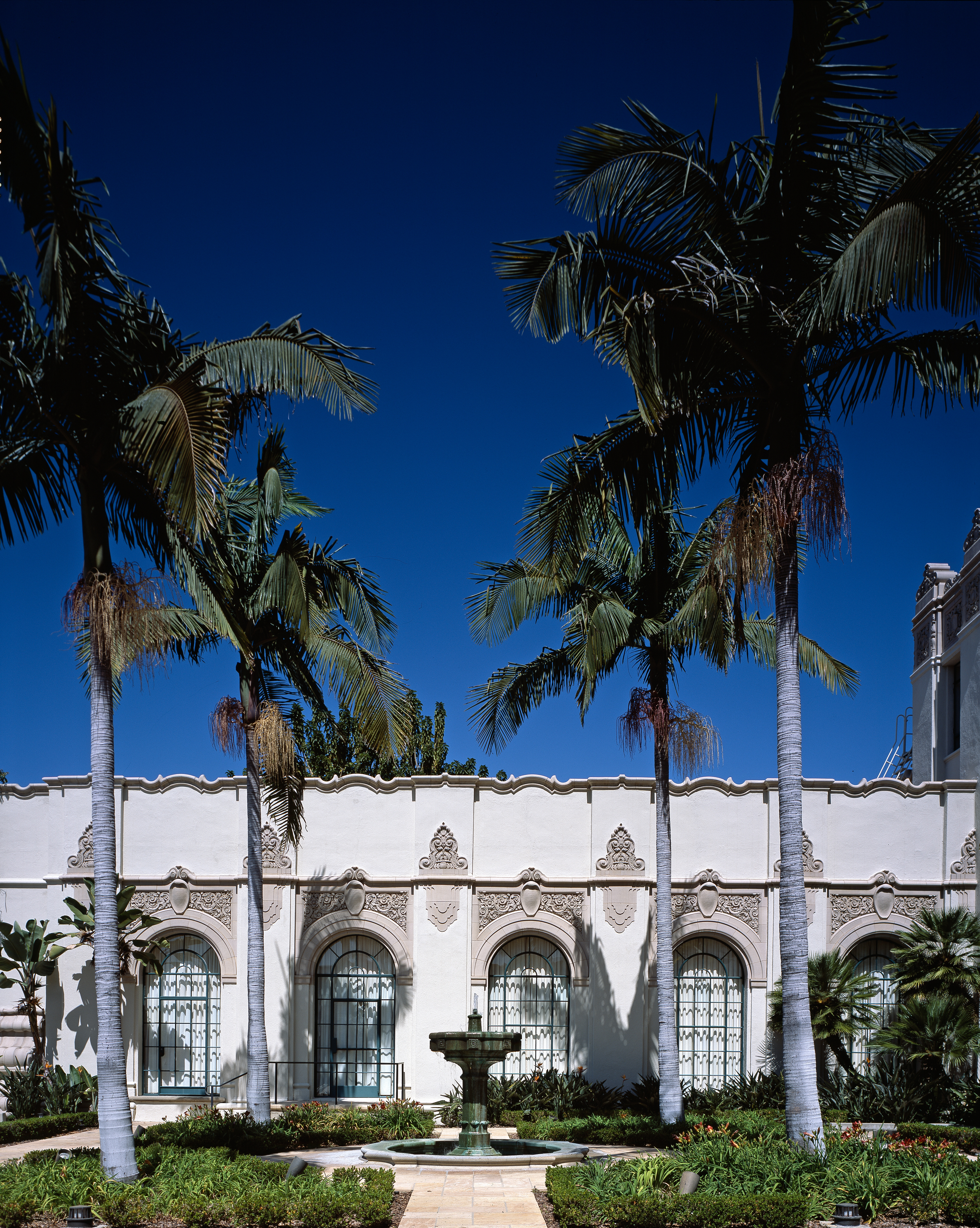
That civic structure matters. Beverly Hills is not just a neighborhood inside Los Angeles. It is its own municipality. That gives it more control over services, planning, branding and local priorities than many other affluent areas that are part of the City of LA.
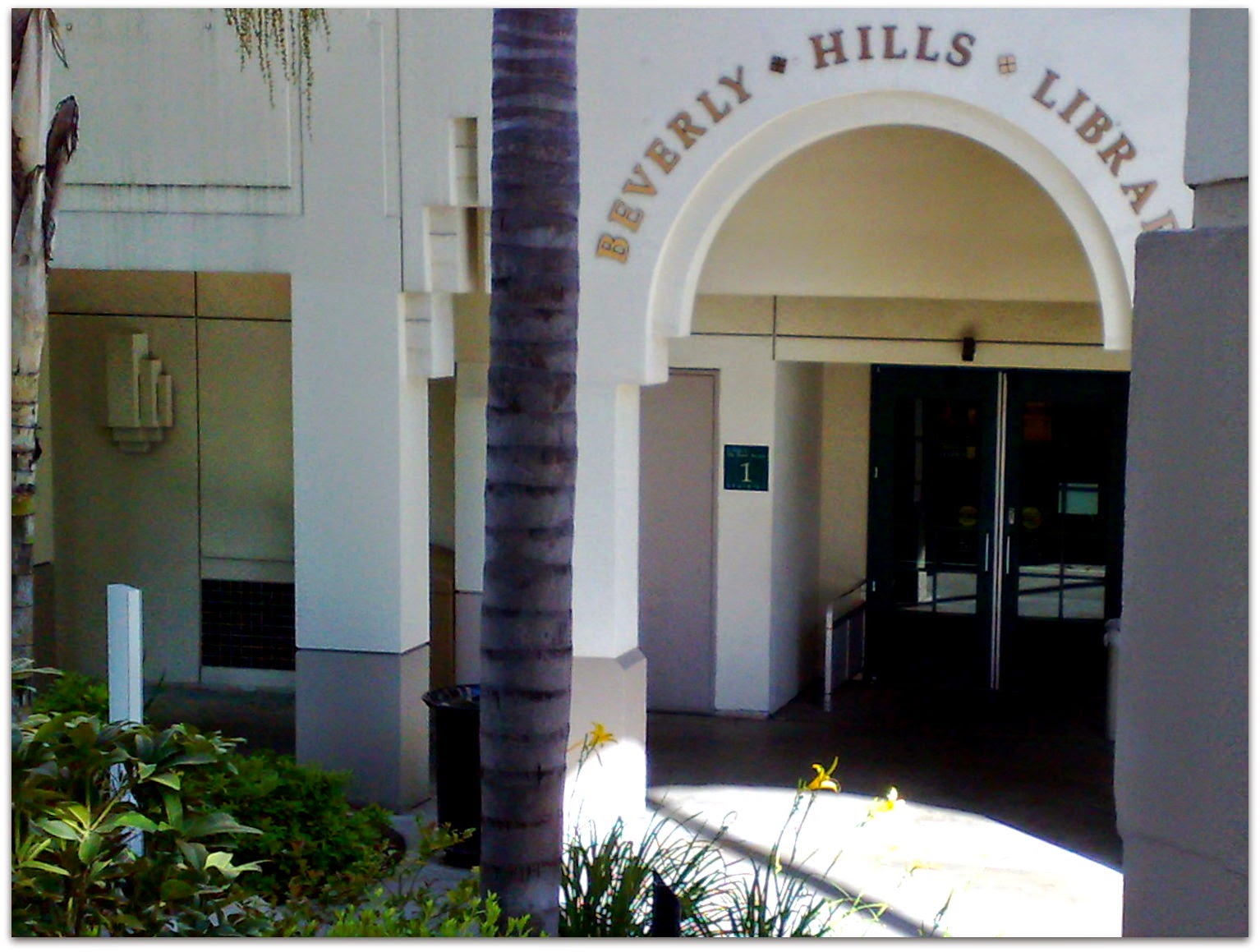
For buyers, that can be part of the appeal. People often talk about Beverly Hills in terms of glamour, but the day-to-day value is also practical: services, safety, maintenance, schools, walkability in certain pockets and civic attention to detail.
Greystone Shows the Scale of Beverly Hills Ambition
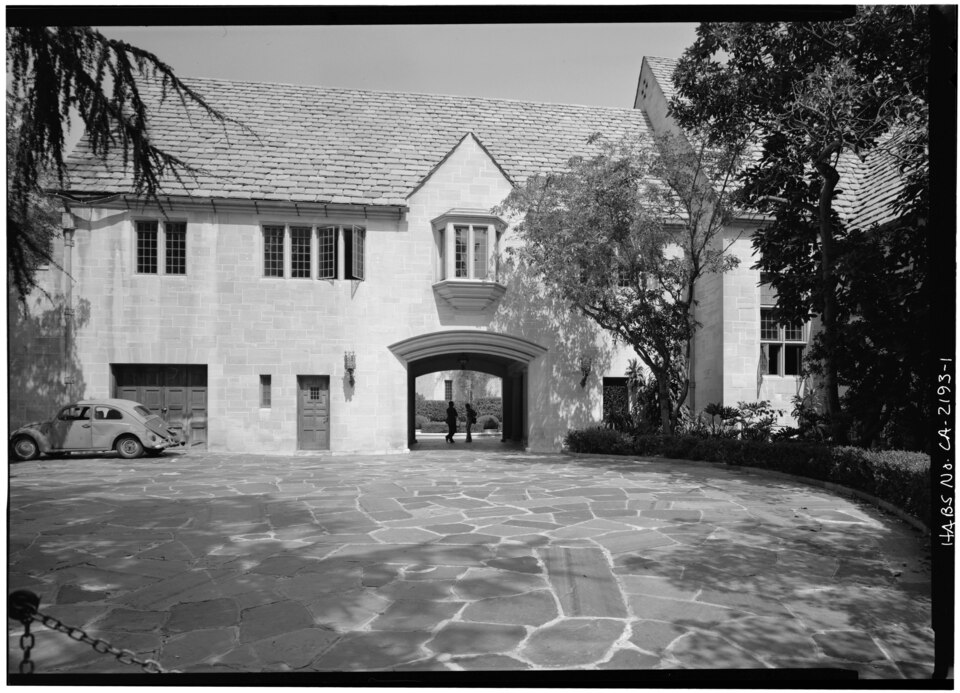
Greystone Mansion is one of the clearest examples of Beverly Hills at its most ambitious.
Completed in 1928 for Ned Doheny, the son of oil tycoon Edward L. Doheny, Greystone became one of the great estate properties in Los Angeles. The City of Beverly Hills owns and operates Greystone Mansion and Gardens today.
What I find interesting is how Greystone connects so many Beverly Hills themes at once: oil money, architecture, scandal, privacy, Hollywood and public memory.
Beverly Hills has always been more complicated than just glamour.
That complexity is part of what makes it valuable.
The Subway Fight Says a Lot About Beverly Hills
The other side of Beverly Hills is its resistance to change.
For years, the Metro D Line extension faced intense pushback as it moved west through the Wilshire corridor. Beverly Hills became one of the most visible battlegrounds, especially over concerns connected to tunneling beneath Beverly Hills High School.
But the project kept moving.
Metro’s D Line Extension Section 1 opened on May 8, 2026, bringing service to Wilshire/La Brea, Wilshire/Fairfax and Wilshire/La Cienega, right at the eastern edge of Beverly Hills. Section 2 will bring service deeper into Beverly Hills, including the Beverly Dr station, with the city describing that opening as anticipated in spring 2027.
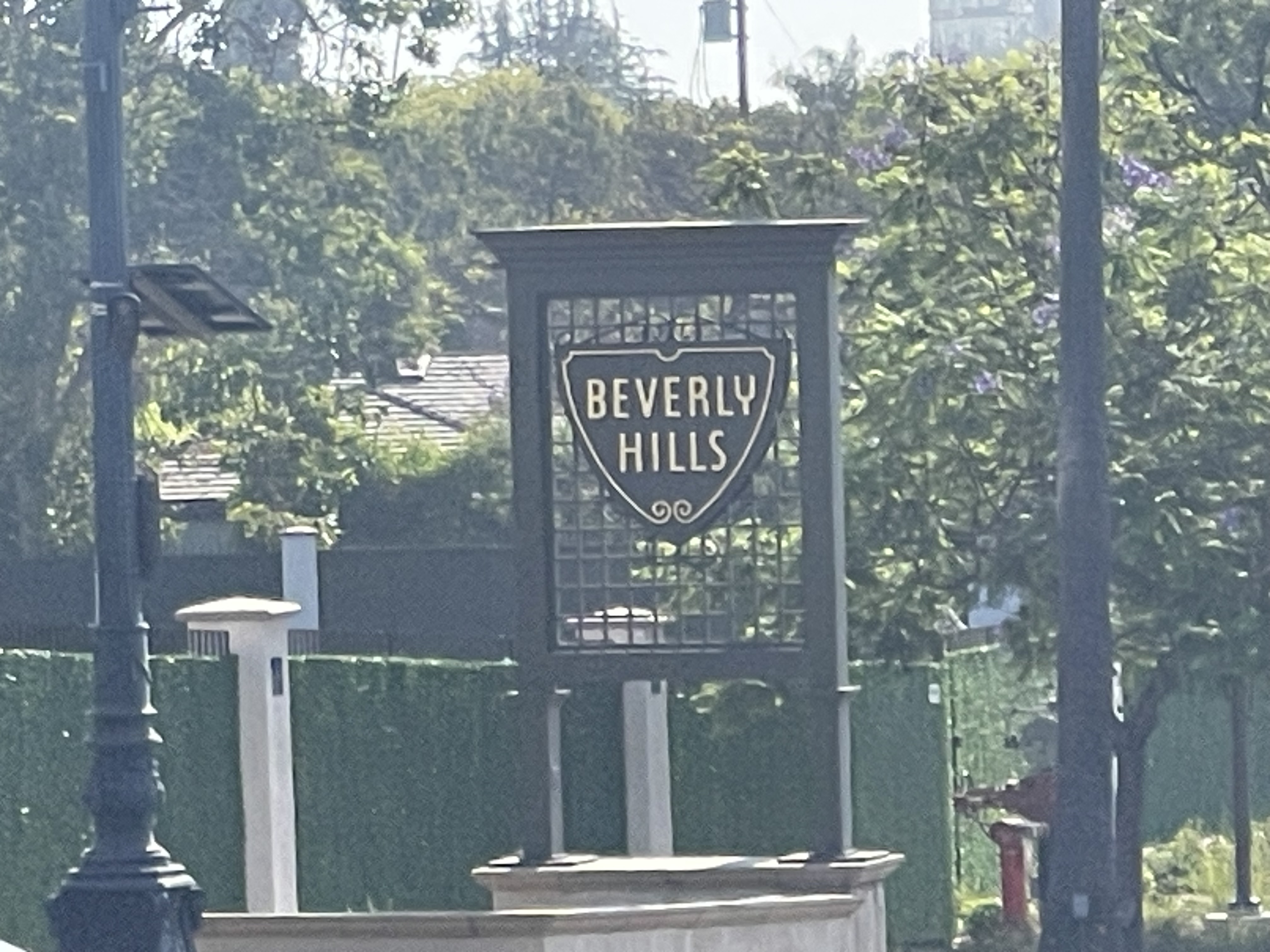
This is a big deal.
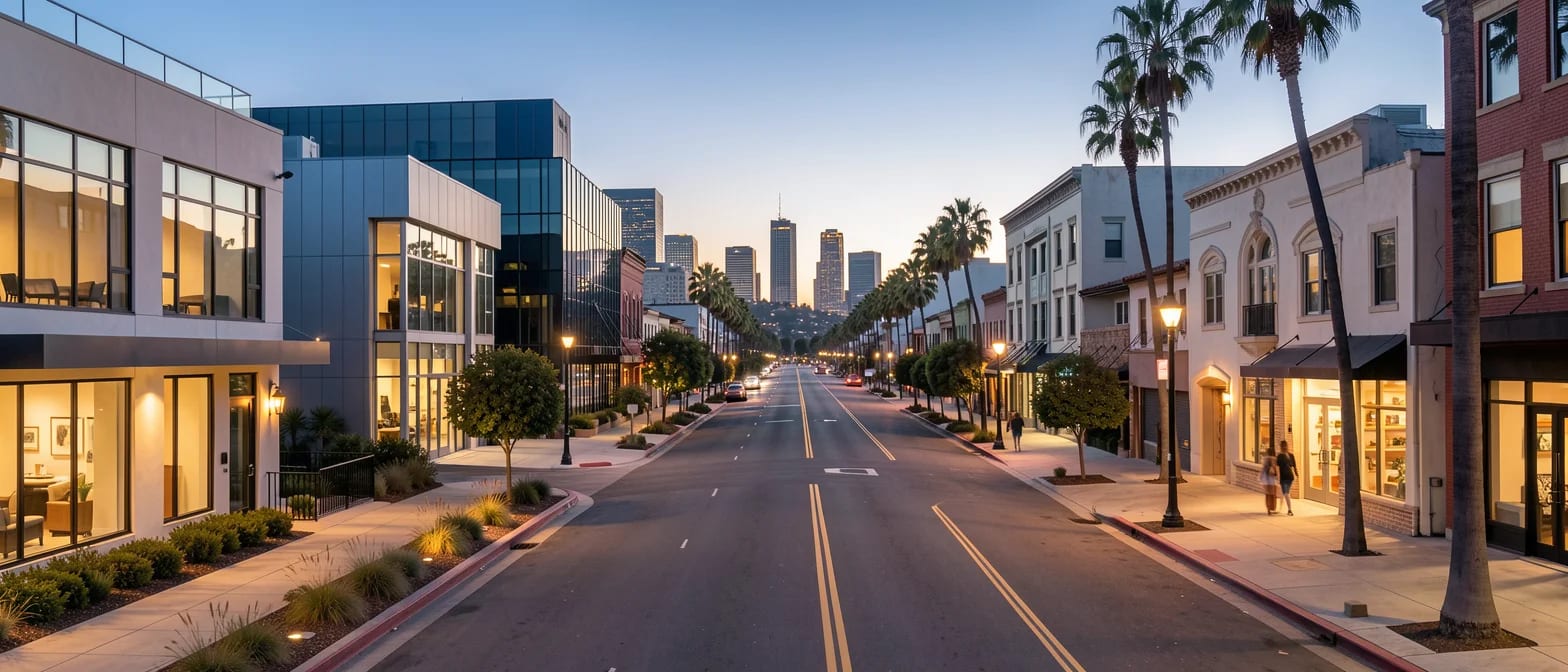
Beverly Hills built much of its identity around exclusivity, privacy and car-based luxury. A subway station changes the relationship between the city and the rest of Los Angeles.
My take is that the fear is understandable but probably overstated.
Transit does not erase luxury. In cities like Paris, London, New York and Tokyo, the most expensive neighborhoods often have excellent transit access. What matters is management, design, safety and how the city integrates the station into the existing fabric.
The arrival of the D Line may eventually make Beverly Hills more accessible without making it less valuable.
What Beverly Hills Buyers Are Really Paying For
Beverly Hills buyers are not just paying for houses.
They are paying for a city brand that has been built for more than a century.
They are paying for location between the Westside, Hollywood, Century City and the hills. They are paying for services, schools, retail, restaurants, architecture, privacy and international recognition.
But the market is not immune to broader conditions.
Higher interest rates have changed buyer psychology across Los Angeles. Even wealthy buyers care about the cost of capital, opportunity cost and whether a property is priced correctly. Freddie Mac reported the average 30-year fixed mortgage rate at 6.49 percent as of July 9, 2026, which is still high enough to keep many buyers more selective.
In Beverly Hills, that selectivity matters.
A trophy estate with privacy, views, scale and architectural quality may still attract serious attention. A dated property with an aggressive price may sit longer. Buyers at the top of the market are often less emotional than people assume. They will pay a premium for something special, but they still want the price to make sense.
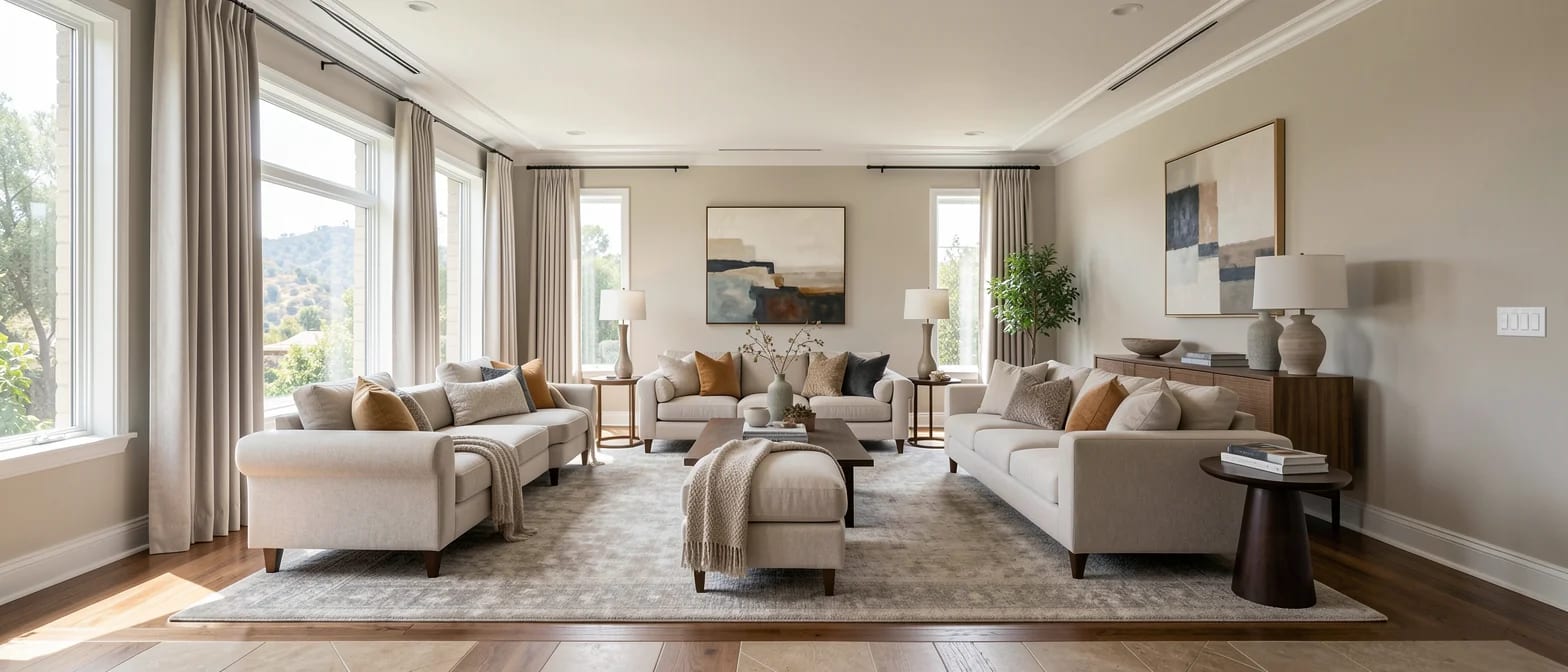
For sellers, this means presentation and positioning matter. In Beverly Hills, the story of the property can be just as important as the bedroom count. Is it north of Sunset? Is it in the flats? Is it Trousdale-adjacent? Is it walkable to the Golden Triangle? Does it have architectural pedigree? Privacy? Views? Development potential?
Those details are not minor. They are the market. Understanding these nuances is essential whether you are tracking the broader Los Angeles real estate landscape or focusing exclusively on ultra-luxury enclaves.
For properties to stand out in a discerning environment, relying on standard listing tactics isn't enough; a highly targeted, bespoke property marketing strategy is required to truly capture qualified buyer attention.
The Real Estate Takeaway
Beverly Hills is one of the strongest examples in Los Angeles of land becoming legend.
It started as Rancho Rodeo de las Aguas. It failed as an oil play. It became a planned residential community. The hotel created the lifestyle. Movie stars created the mythology. Rodeo Drive globalized the brand. Estates like Greystone gave it architectural weight. And now the subway is forcing the city to enter a new chapter.
That is why Beverly Hills real estate is so durable.
It is not just expensive because rich people live there.
It is expensive because more than a century of history, image, planning and cultural association have made the name itself valuable.
The challenge now is whether Beverly Hills can evolve without losing what made it Beverly Hills in the first place.
My guess is that it can.
The best cities do not stay frozen. They protect their identity while adapting to the future.
If you are considering buying or selling in Beverly Hills, contact me, Tyler Neale. I can help you understand not just the price, but the location, history, market positioning and long-term value behind one of the most famous real estate markets in the world.