
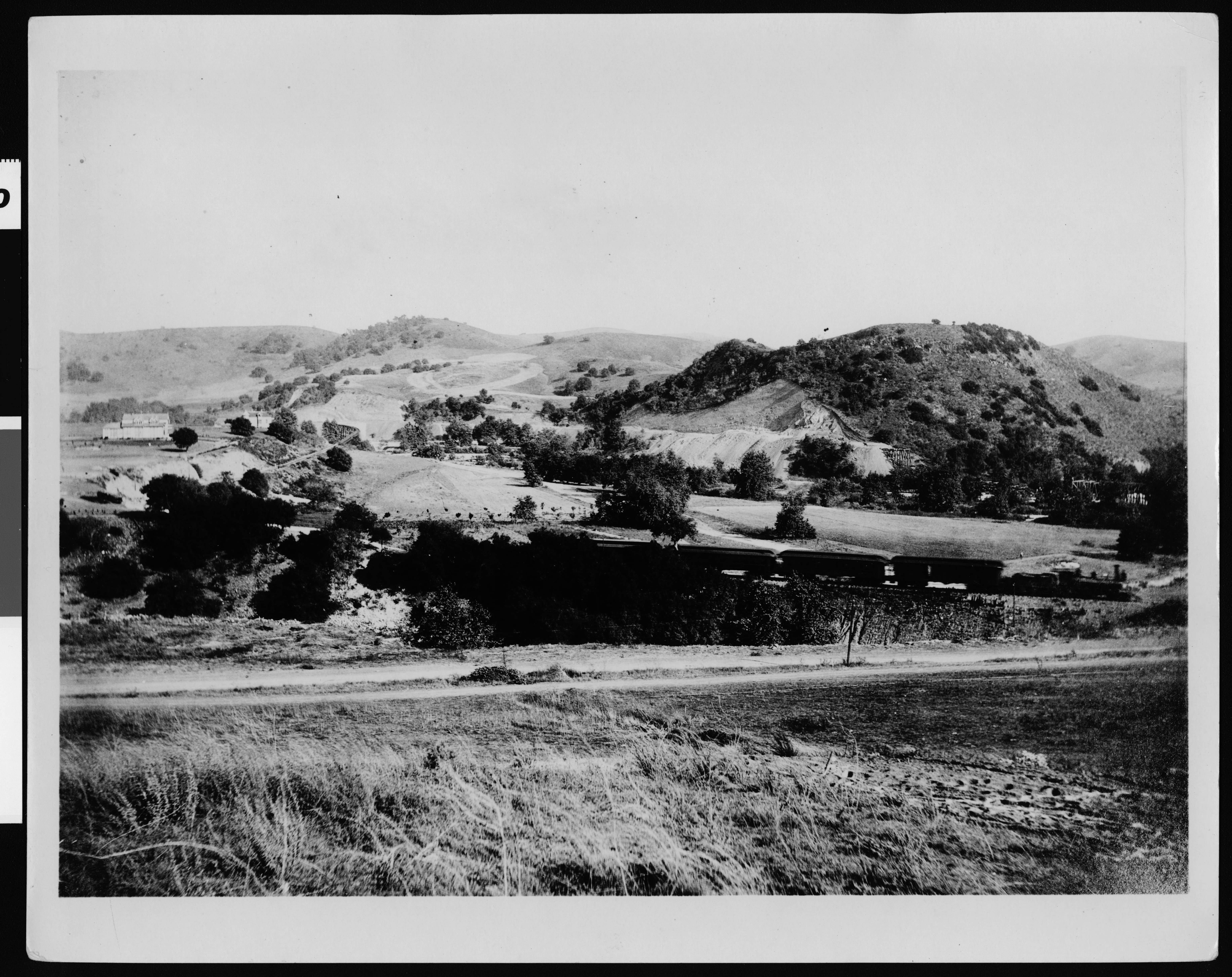
Highland Park is one of those neighborhoods that people think they discovered, even though Los Angeles has been rediscovering it for more than a century.
A few years ago, it became almost impossible to talk about Northeast LA without hearing about Highland Park. The restaurants, bars, coffee shops, record stores, galleries, vintage shops and restored theaters all made it feel like the center of gravity had shifted east. Time Out even included Highland Park in its list of the coolest neighborhoods to visit in 2019, describing it as a place with some of LA’s most rapidly evolving nightlife.
But my take is that Highland Park did not become interesting because it got cool.
It became cool because it was already interesting.
The architecture, the hills, the old streetcar bones, the Arroyo Seco, the artists, the Chicano history, the storefronts, the old theaters and the surviving Craftsman homes all gave the neighborhood a depth that could not be manufactured overnight.
That is also why the current real estate story is complicated. Highland Park’s comeback has created real opportunity, but it has also raised a hard question: can a neighborhood benefit from new investment without pushing out the people and culture that made it valuable in the first place?
Highland Park Was One of LA’s First Suburbs
Before Highland Park became a nightlife destination, it was one of Los Angeles’ earliest suburbs.
The neighborhood sits northeast of Downtown, in and around the Arroyo Seco, which made it scenic, accessible and distinct from the denser city center. Los Angeles City Planning notes that Highland Park and Garvanza became part of one of the city’s most important historic areas, with the Highland Park-Garvanza HPOZ now covering roughly 4,000 structures and more than 50 Los Angeles Historic-Cultural Monuments.
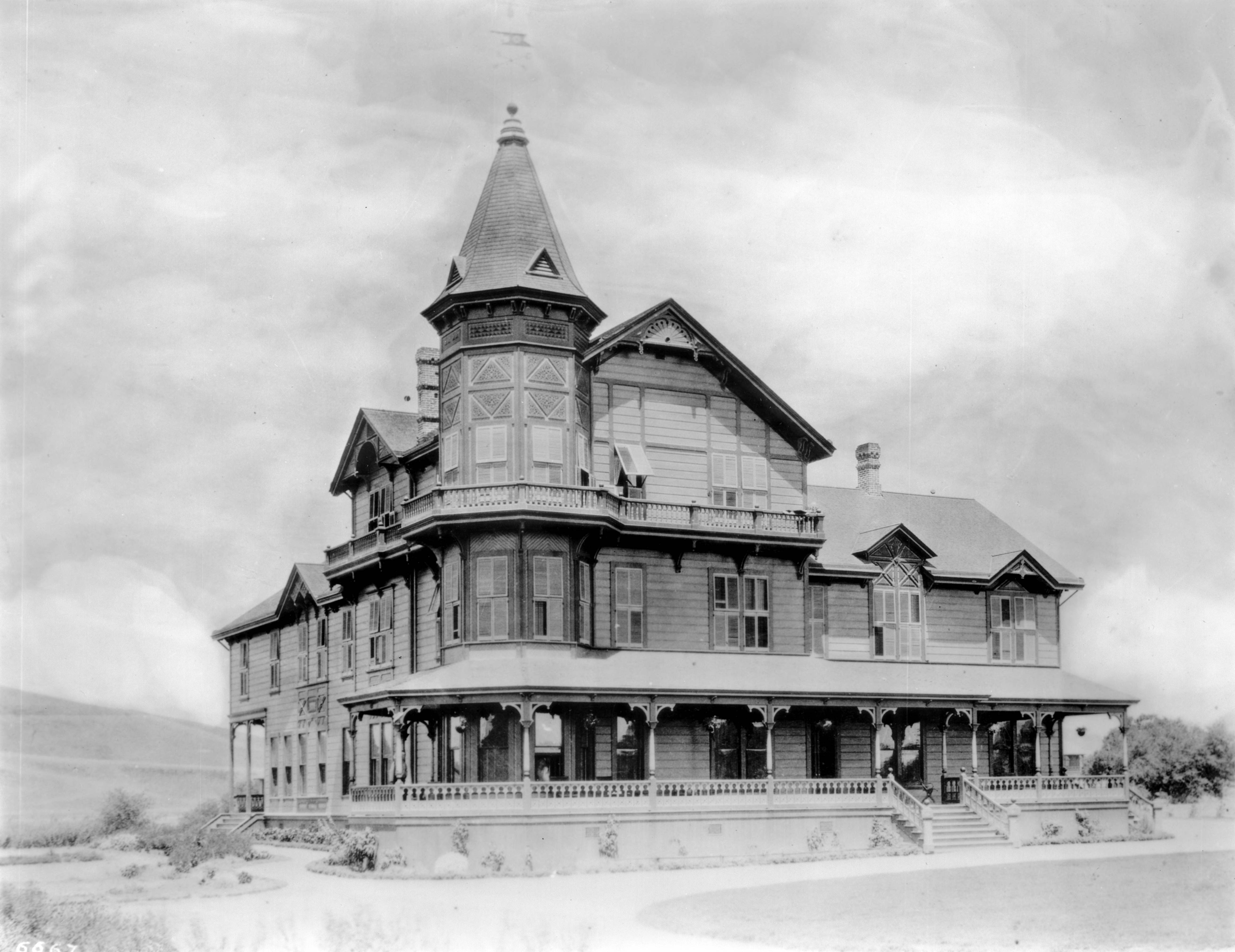
That is the first thing buyers should understand. Highland Park is not just an “up and coming” neighborhood.
It is old Los Angeles.
Its early appeal came from the same qualities that still matter today: hills, views, trees, architecture, access and a feeling of being slightly removed from the city while still connected to it.
The neighborhood had space, climate and transportation at a time when Los Angeles was growing quickly. That made it desirable long before anyone was posting about it as a cool place to get a cocktail.
The Streetcar Suburb Had Real Architectural Ambition
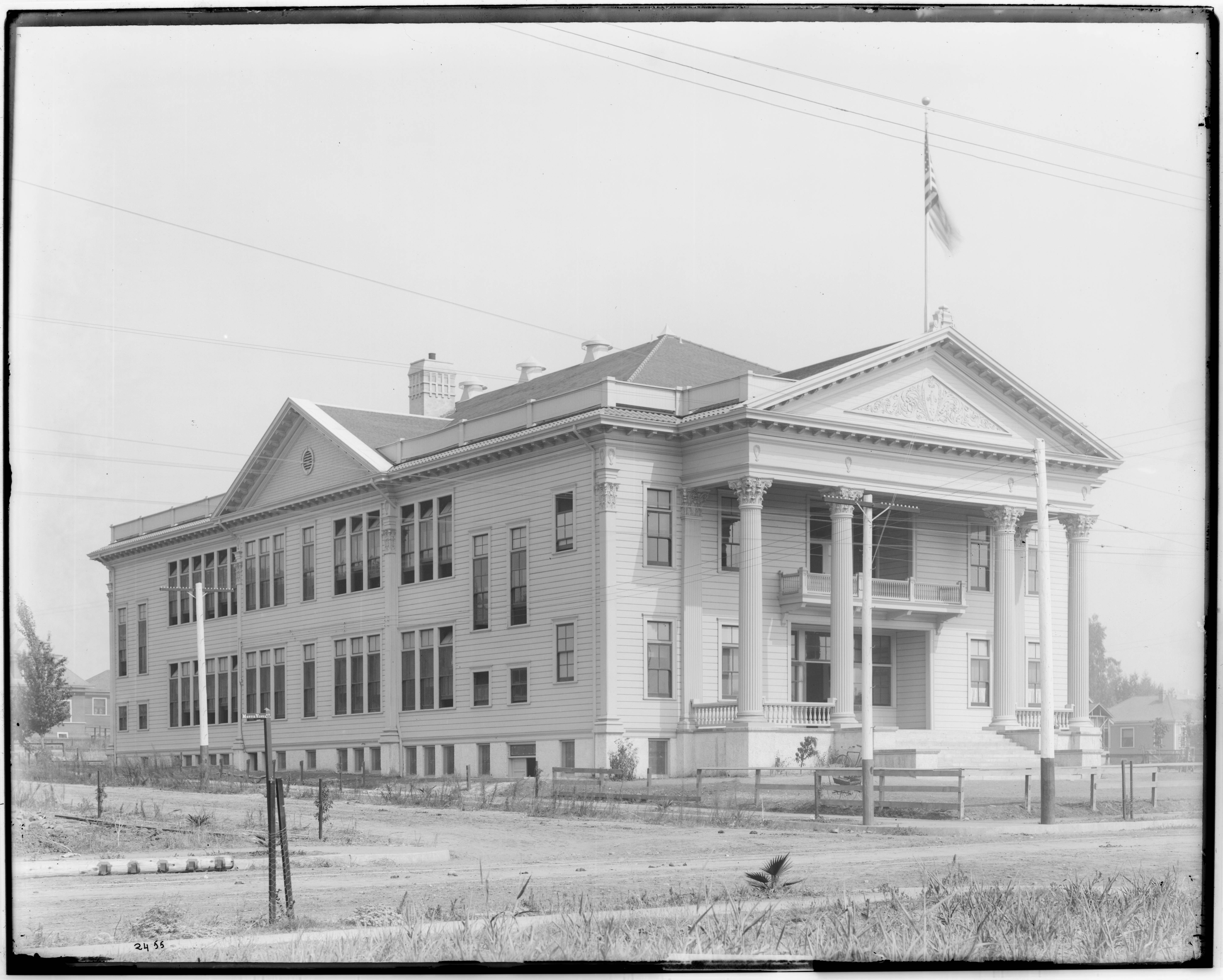
Highland Park’s historic housing stock is one of its biggest real estate advantages.
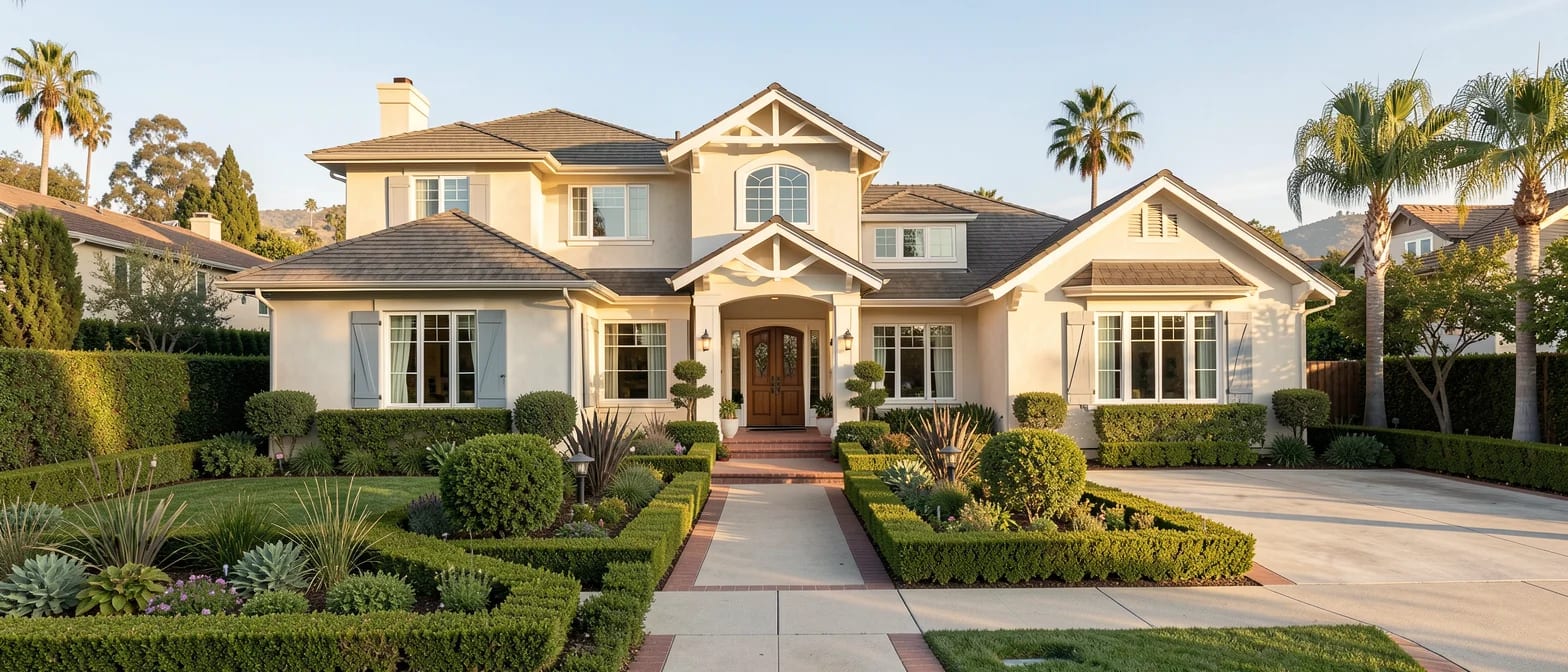
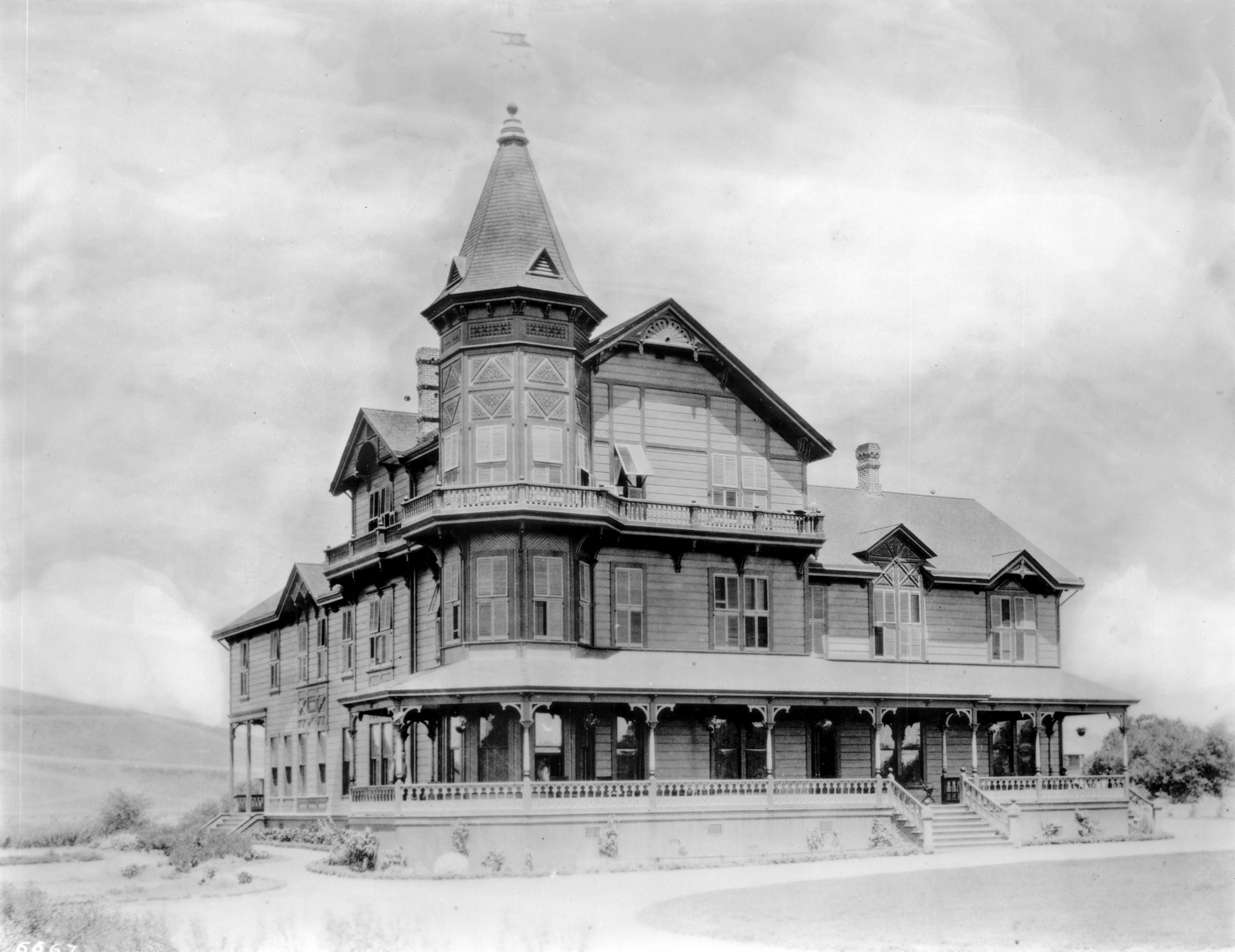
The neighborhood still has Craftsman bungalows, Victorian homes, Mission Revival buildings, early apartment buildings and commercial structures that give it a visual identity most newer neighborhoods cannot reproduce.
This matters because architectural character has become one of the scarcest things in Los Angeles.
You can build a new house almost anywhere. You cannot easily recreate a 1910 Craftsman street with mature trees, deep porches and layers of neighborhood history.
That is why Highland Park buyers are often not just buying square footage. They are buying texture.
The challenge is that texture comes with responsibility. A home inside the Highland Park-Garvanza HPOZ may be subject to historic review if a buyer wants to alter visible exterior features. That does not mean you cannot improve a property. It means the neighborhood’s character is protected because the character is part of the value.
The Arroyo Became an Arts and Crafts World
Highland Park was not only a residential suburb. It became one of the centers of the Arroyo culture, a loose but influential world of artists, writers, architects, craftspeople and preservationists.
One of the most important figures was Charles Fletcher Lummis, who built El Alisal in Highland Park beginning in the 1890s. California’s Office of Historic Preservation notes that Lummis selected the site in 1895, partly because of a massive sycamore tree, and the house became one of the area’s defining landmarks.
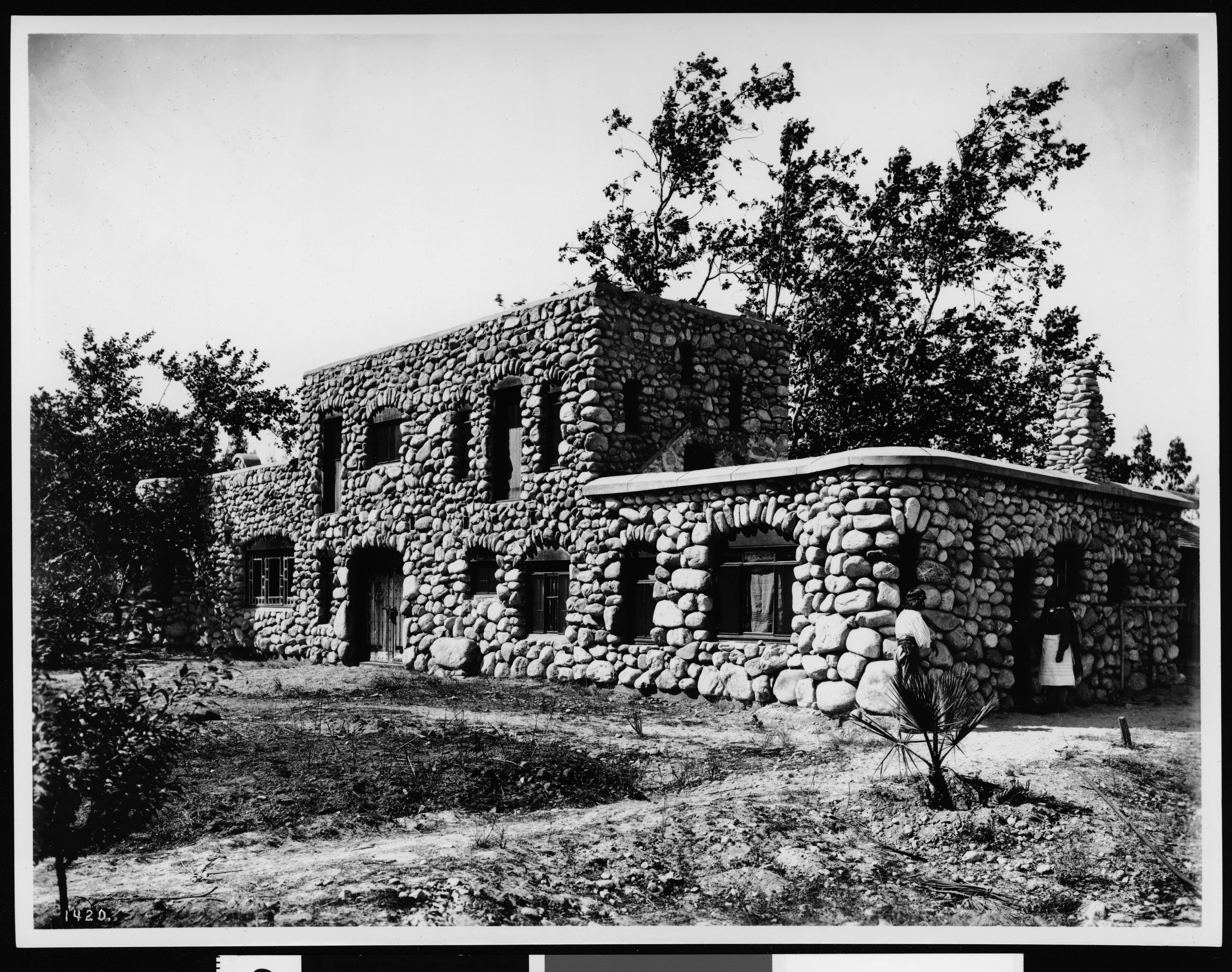
Lummis matters because he represents a version of Los Angeles that was not about glamour or speed. It was about place, landscape, craft and regional identity.
That same spirit still shows up in Highland Park’s best houses. The use of wood, stone, porches, built-ins and shaded yards all connects to a more handmade idea of Southern California.
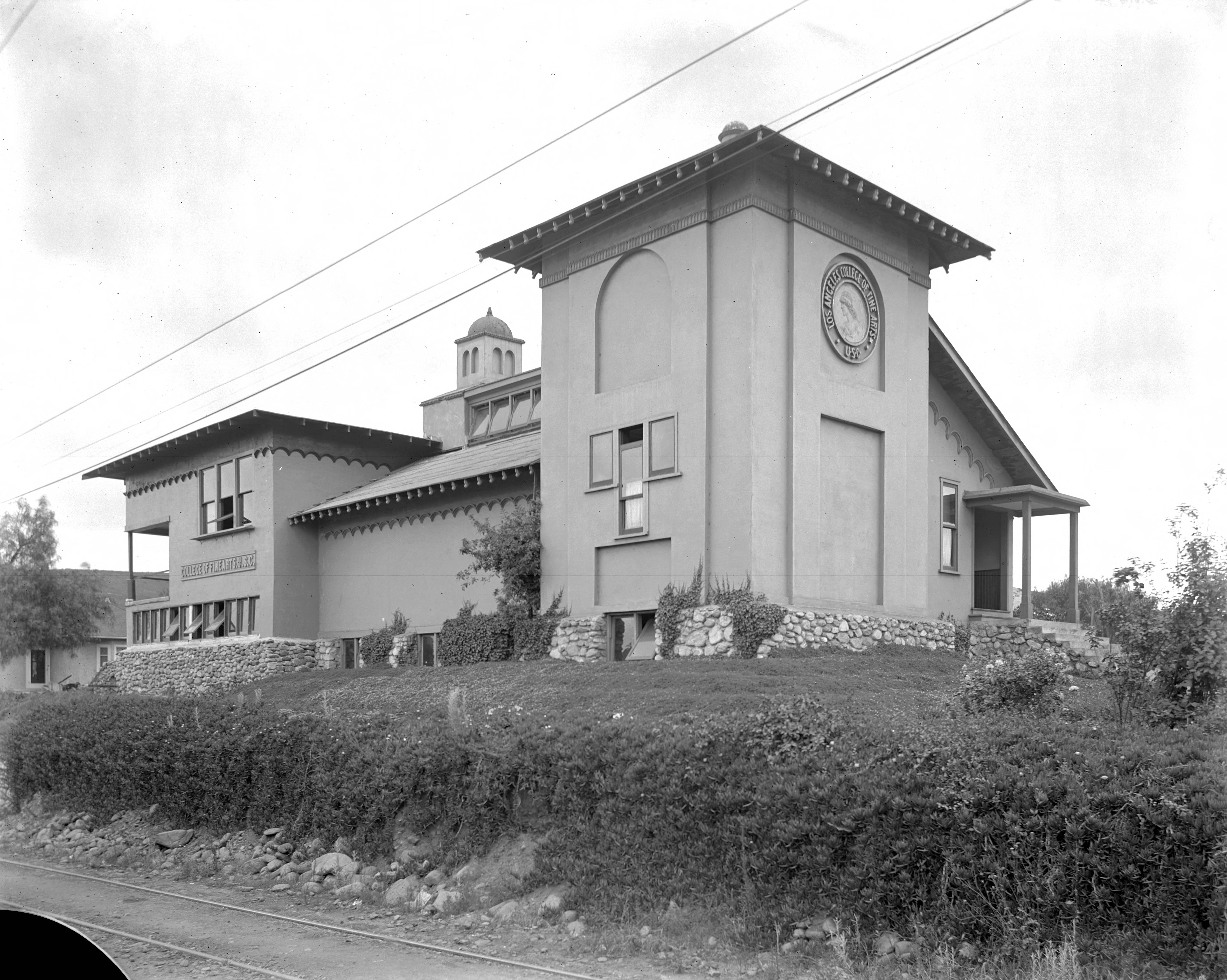
Judson Studios is another key part of that story. The studio was established in 1897 by William Lees Judson and his sons, and it still operates in the Garvanza district of Highland Park. Judson Studios notes that William Lees Judson was the first dean of USC’s College of Fine Arts, which occupied the site from 1901 to 1920.
That is not trivia. It explains why Highland Park’s creative identity runs deeper than the current bar and restaurant scene.
The neighborhood was artistic before it was trendy.
Institutions Made Highland Park Feel Like a Real Town
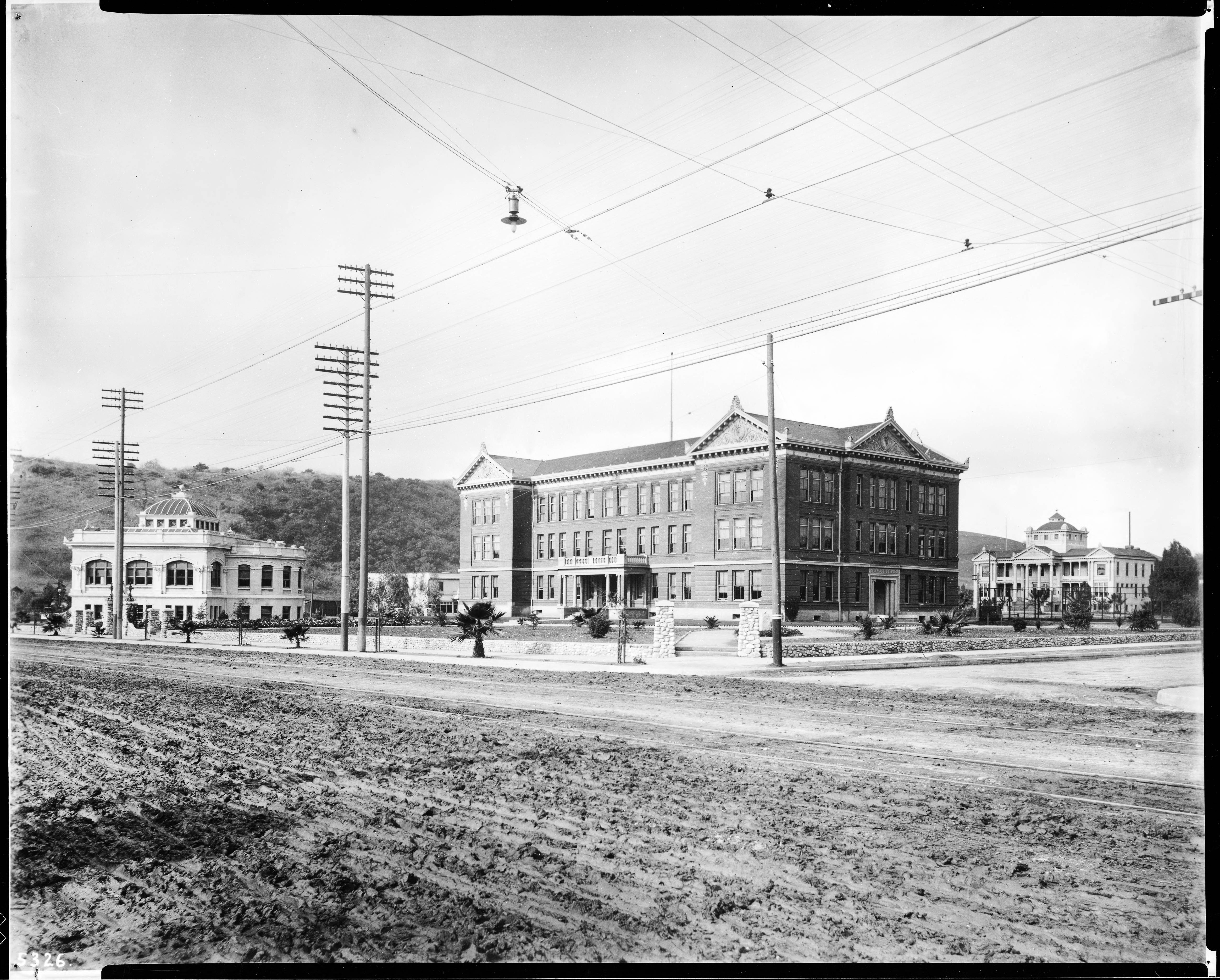
Highland Park also had institutions that gave it civic weight.
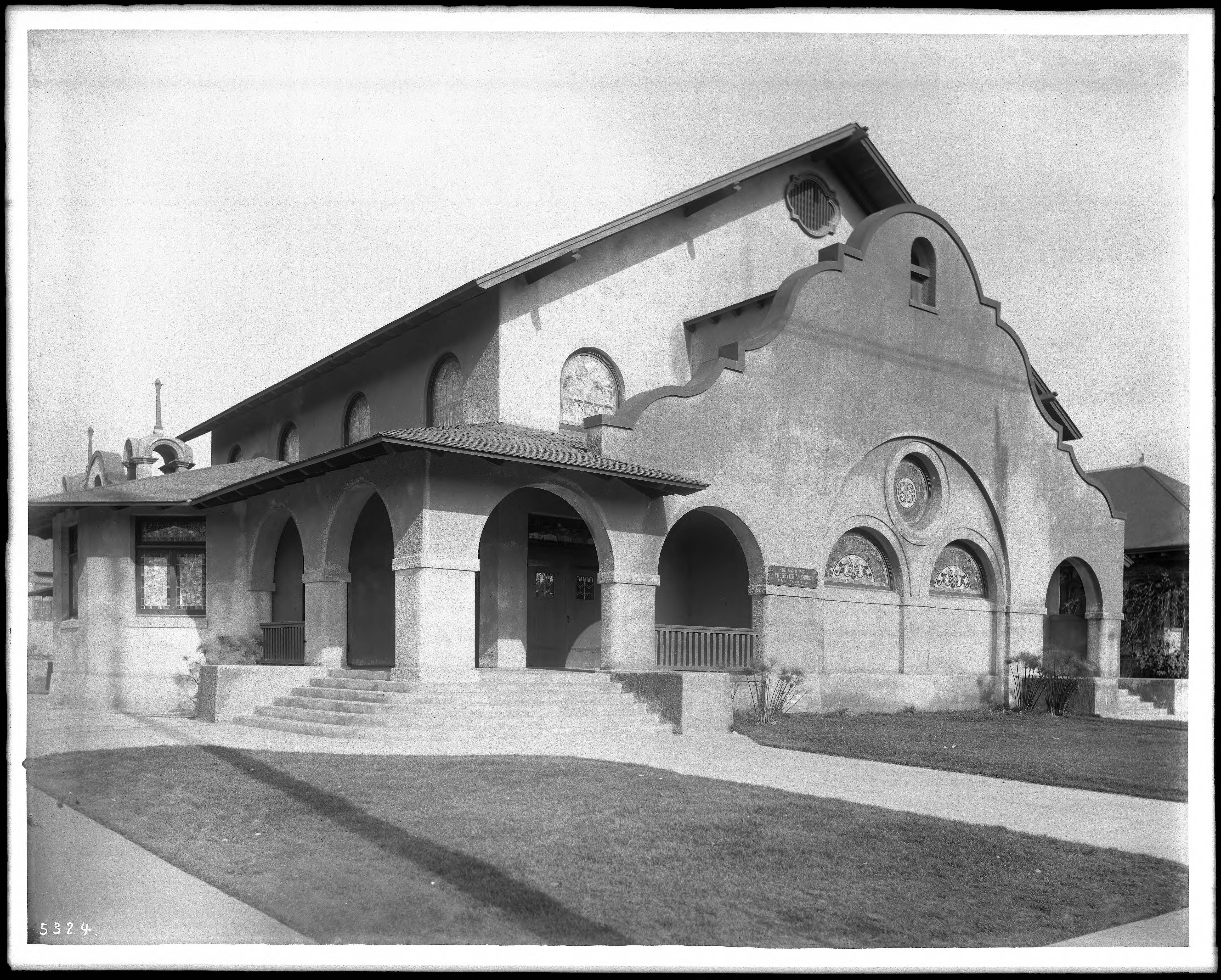
Occidental College was located in Highland Park before moving to Eagle Rock. Churches, schools, clubs, arts organizations and commercial streets helped make the neighborhood feel like a real community, not just a place of houses.
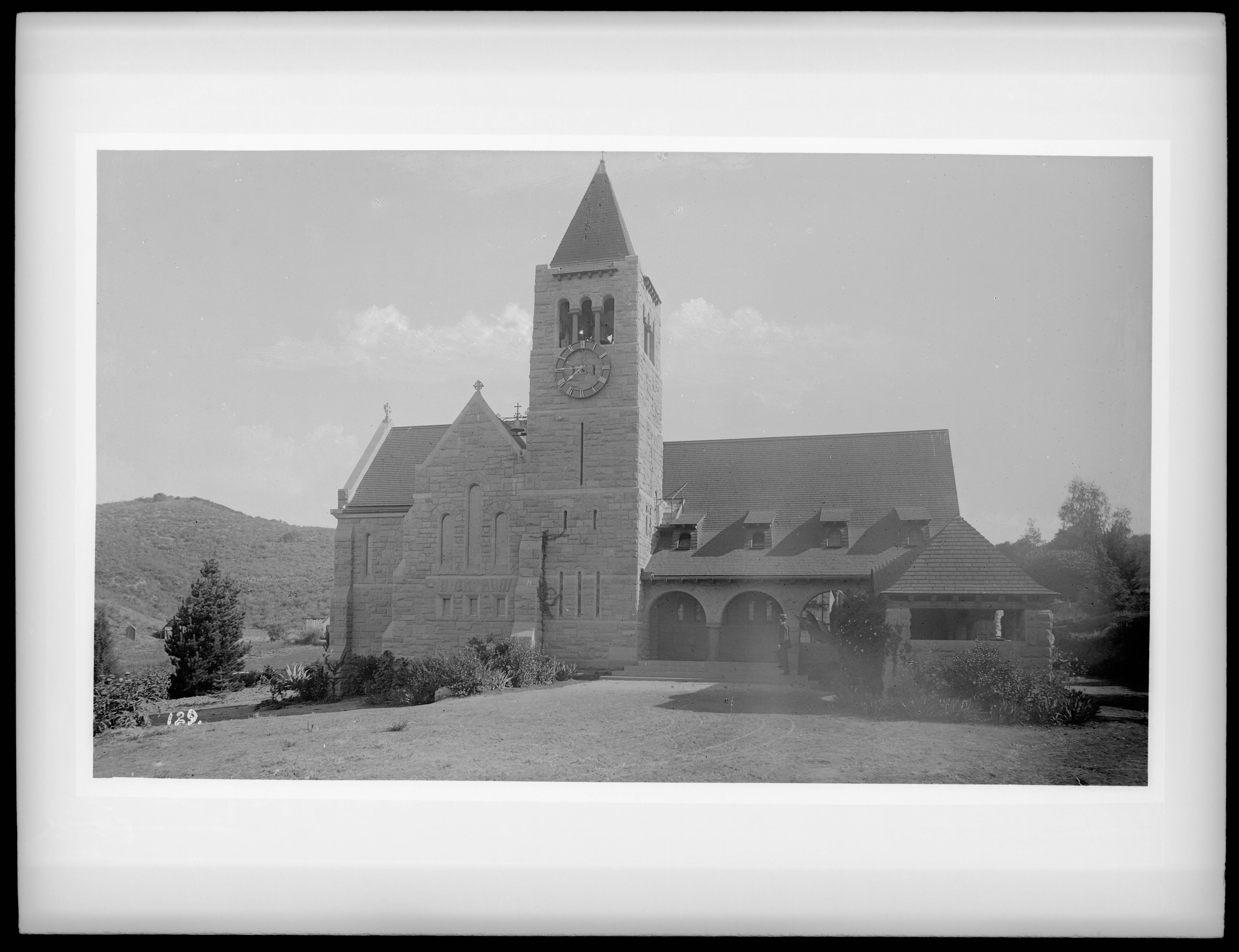
That is one reason Highland Park holds up so well today. It has neighborhood infrastructure. It has corridors like York Boulevard and Figueroa Street. It has Metro access. It has historic streets. It has public life.
A place with that much infrastructure can decline, but it rarely becomes irrelevant.
The Freeway Changed Everything
The Arroyo Seco Parkway opened in 1940 and became one of the most important transportation projects in Southern California. Caltrans describes it as California and the United States’ first freeway, dedicated on December 30, 1940.
At the time, it represented the future.
In hindsight, it also marked a turning point.
The freeway made movement faster, but it also changed the way people experienced neighborhoods along the Arroyo. Cars, not streetcars, became the organizing force. Commercial energy shifted. Newer suburbs became easier to reach. Older neighborhoods like Highland Park began to lose some of their early prestige.
That is an important real estate lesson. Infrastructure can create value, but it can also redirect value.
Highland Park was built for an earlier form of Los Angeles, one where streetcars, walkable corridors and local institutions mattered. The postwar city was increasingly built around automobiles, shopping centers and suburban expansion.
Highland Park did not disappear, but it entered a different chapter.
Decline Did Not Mean the Neighborhood Had No Value
By the mid and late twentieth century, Highland Park faced disinvestment, economic decline and changing demographics. Some of the old buildings aged. Commercial corridors struggled. Crime became a major concern in parts of the neighborhood, especially during the gang violence era of the 1980s and 1990s.
But decline is not the same as emptiness.
During those decades, Highland Park was also becoming an important Latino and Chicano community. PBS SoCal notes that Latino families and communities played a major role in Highland Park’s later social history, with the Arroyo Seco Parkway and changing housing patterns helping shape the neighborhood’s demographic shift.
That is the part of the story that should not be lost.
Highland Park’s value today is not only the old architecture. It is also the culture that carried the neighborhood through harder years.
Chicano Culture Helped Shape Modern Highland Park
By the 1970s, Highland Park had become part of a broader Northeast LA Chicano cultural world.
Artists, activists, musicians, writers and residents helped give the neighborhood a political and creative identity. The reel’s reference to the Highland Park Chicano Arts Collective belongs in that larger context. This was not just a neighborhood that later got discovered by outside tastemakers. It had its own artistic and community networks long before the current wave of investment.
That matters because when people talk about Highland Park as “cool,” they often flatten the story.
Cool did not arrive from nowhere. It built on older communities, older buildings and older cultural work.
That is also why gentrification is such a sensitive subject here.
The Comeback Brought Opportunity and Pressure
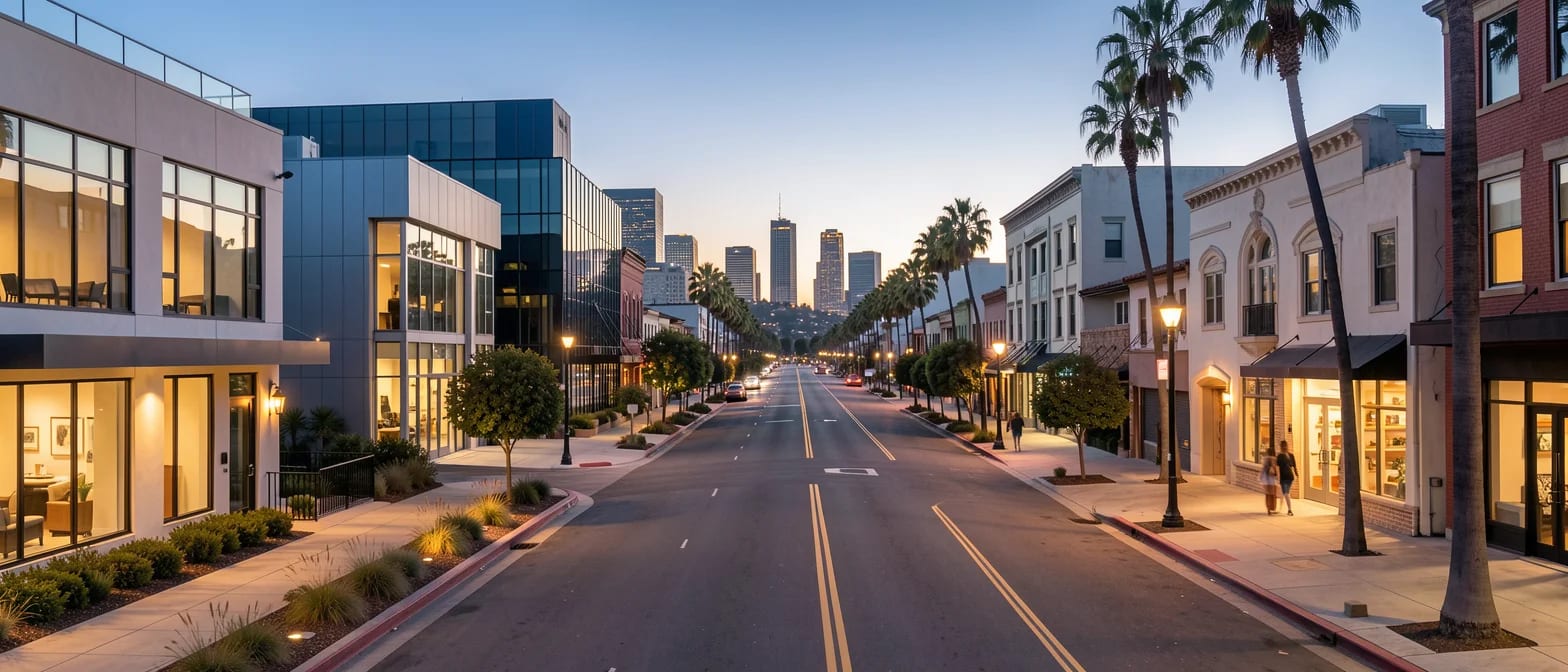
By the 2000s and 2010s, Highland Park had become one of LA’s most discussed neighborhoods. York and Figueroa filled with restaurants, bars, cafés, record shops, galleries and restored storefronts. The same architecture and walkability that had once been overlooked became major selling points.
But the comeback came with consequences.
The Los Angeles Times described Highland Park as “ground zero” in LA’s gentrification debate as early as 2014, noting that rising prices and house flipping were creating pressure for longtime renters and residents.
That tension is still the central issue.
New investment can be good. Restored buildings can be good. Safer streets, reopened theaters and stronger retail can be good.
But if the people who kept the neighborhood alive cannot remain, then the comeback becomes incomplete.
My view is that Highland Park’s future depends on whether it can grow without turning into a museum of its own authenticity.
The Highland Theatre Story Says a Lot
One of the more recent chapters in Highland Park’s story is the Highland Theatre.
The historic theater closed in 2024 after nearly a century of operation, and in 2026, Kristen Stewart purchased it with plans to restore and revive it as a community-oriented cinema space.
That story is almost too perfect for Highland Park.
A historic building goes dark. A famous creative person steps in. The neighborhood gets another round of attention. Everyone hopes the result will serve the community, not just the headlines.
That is Highland Park in miniature.
The preservation matters. The investment matters. But the community purpose matters too.
What Highland Park Buyers Are Really Paying For
Highland Park buyers are paying for more than a house.
They are paying for architecture, walkability, access to the Metro A Line, proximity to Pasadena and Downtown, creative energy, restaurants, hillside streets and a sense of place that is increasingly rare in Los Angeles.
But they are also entering a very specific market.
A Craftsman bungalow in an HPOZ is not the same as a newer hillside home. A property near York is not the same as one near Figueroa. A small historic home with original details is not the same as a flipped house with trendy finishes but no soul.
For buyers, the smartest move is to understand what is protected, what has been altered, what systems need work and what the block actually feels like.
For sellers, the opportunity is to tell the property’s story. In Highland Park, the story is often the value.
What Buyers Are Waiting For Now
Higher interest rates have made buyers more careful across Los Angeles. Freddie Mac reported that the average 30-year fixed mortgage rate was 6.55 percent as of July 16, 2026, which continues to affect affordability and monthly payments.
In Highland Park, that means buyers are still interested, but they are more selective.
They want location, character and condition. They want a home that justifies the premium. They want to know whether the price reflects real value or just neighborhood hype.
That is healthy.
The best Highland Park properties still stand out because the supply of authentic homes in walkable, historic neighborhoods is limited. But not every listing deserves a premium just because it has a Highland Park address.
The Real Estate Takeaway
Highland Park is not valuable because it became trendy.
It became trendy because it was valuable in ways the market had temporarily forgotten.
It had the architecture. It had the hills. It had the rail and streetcar history. It had the Arroyo. It had the artists. It had the Chicano culture. It had the storefronts. It had the institutions. It had the bones of a real neighborhood.
The question now is whether Highland Park can keep those layers intact while still evolving.
That is what makes it such an important real estate market to understand.
If you are considering buying or selling in Highland Park, contact me, Tyler Neale. As an active Los Angeles real estate specialist, I can help you understand not just the property pricing, but the underlying architecture, historic district guidelines, block-by-block layout dynamics, community context, and long-term values structuralizing one of Northeast LA’s most historic architectural spaces.