
Inglewood may be one of the most misunderstood cities in Los Angeles County.
For some people, it is still defined by old stereotypes. For others, it is now simply the place with SoFi Stadium, the Forum, the Intuit Dome, and some of the biggest sports and entertainment events in the world.
But Inglewood is much more interesting than either version.
This is a city that began as ranch land, grew into one of Southern California’s early suburban communities, became an aviation and defense hub, turned into a sports and entertainment destination, declined after losing some of its biggest draws, and is now being transformed again by billions of dollars in development.
My take is that Inglewood is not just “up and coming.” It has already arrived in a lot of ways. The real question is who gets to benefit from that arrival.
Inglewood Started Before the Stadiums
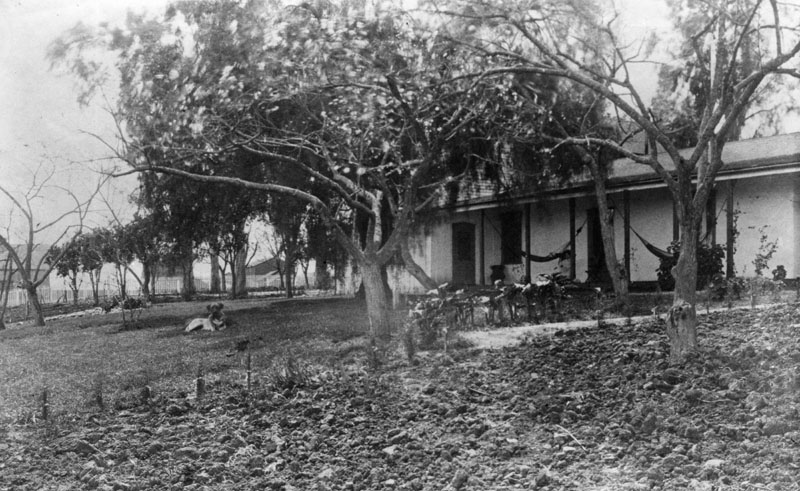
Long before SoFi Stadium, Hollywood Park, or the Forum, Inglewood’s story began with the Centinela Adobe.
The Centinela Adobe was built in 1834 by Ignacio Machado on Rancho Aguaje de la Centinela, making it one of the oldest surviving structures in the area. The land later passed through several owners before Daniel Freeman, a Canadian immigrant, became one of the most important figures in Inglewood’s early development. The City of Inglewood identifies the adobe and the surrounding Centinela Ranch history as the beginning of the city’s story.
This matters because Inglewood did not begin as an entertainment district. It began as open land, ranching, agriculture, and early Southern California settlement.
Daniel Freeman helped turn that land into a town. Inglewood was the first settlement carved out of the 25,000-acre Centinela Ranch in 1888, shortly after a railroad station was built in the area. On the first day of school that year, the new community had about 300 residents and 33 students.
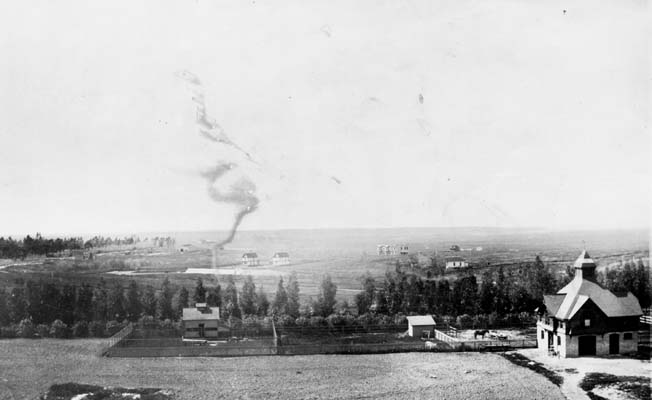
That is the first thing people should understand about Inglewood. Its value is not only about what has been built there recently. Its value is also tied to location. Inglewood sits close to LAX, close to the Westside, close to the South Bay, and close to the center of the Los Angeles basin. That geography has mattered for more than a century.
From Small Town to Fast Growing City
Inglewood incorporated as a city in 1908. The 1920 earthquake damaged the city, but it also brought attention. According to the city’s own history, people came to see the damage and stayed because they liked the climate. From 1920 to 1925, Inglewood became one of the fastest growing cities in the country.
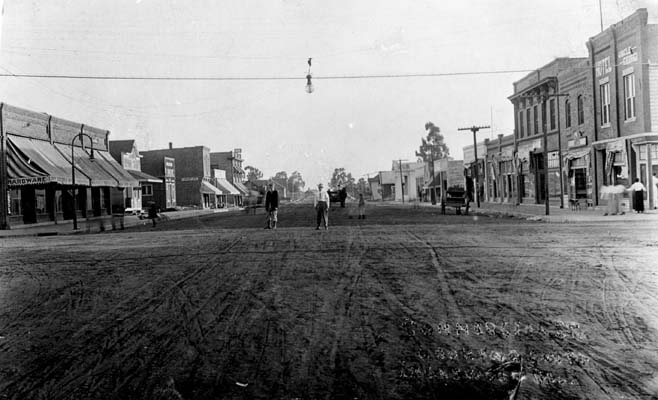
That period is important because it shows Inglewood’s first major reinvention. It was no longer just ranch land. It was becoming a real city with schools, businesses, streets, churches, and neighborhoods.
The commercial streets in early Inglewood looked much more like a small independent town than a suburb of Los Angeles. That identity still matters. Inglewood is part of the Los Angeles region, but it has always had its own civic identity, its own politics, and its own sense of place.
For buyers, that matters too. Inglewood is not a single market. Morningside Park, La Tijera Village, Fairview Heights, Century Heights, Downtown Inglewood, and the neighborhoods around Hollywood Park all feel different. Block by block, the experience can change quickly. Evaluating these micro-markets requires the same attention to block-by-block context that we detail in our guide to living in Venice Beach.
Inglewood and the Rise of Aviation
Inglewood’s next major transformation came through aviation and defense.
The city’s location near what became Los Angeles International Airport helped make it an important part of Southern California’s aviation economy. Inglewood’s city history notes that the “Air Age” began in 1927 when land that became Mines Field, later LAX, was converted for aviation use. During World War II, defense industries helped transform Inglewood from an agricultural community into a more urban one.
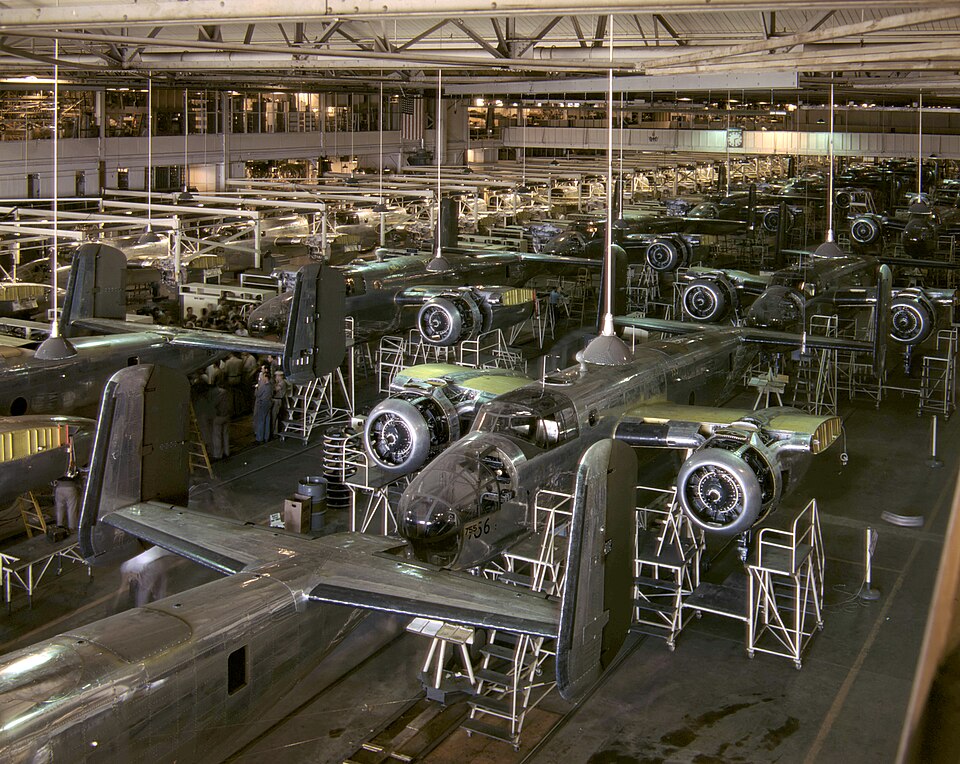
That industrial and aerospace history is easy to forget now because Inglewood is currently marketed through sports, concerts, and entertainment. But for much of the twentieth century, this part of Los Angeles was shaped by aircraft, factories, workers, and proximity to LAX.
That is part of what makes Inglewood’s current evolution so interesting. The city has always been connected to movement, whether that meant railroads, aviation, sports crowds, concert traffic, or future Olympic visitors. Tracking these infrastructure-driven real estate trends across the wider basin is a core focus of our Los Angeles Area Guide.
The question has always been what kind of growth that movement creates.
Hollywood Park Made Inglewood Glamorous
Before SoFi Stadium, there was Hollywood Park Racetrack.
The racetrack opened in 1938 and became one of the most famous horse racing venues in Southern California. It attracted celebrities, gamblers, racing fans, and major events for decades. Hollywood Park eventually closed in 2013, and the racetrack was demolished as the site began its transformation into the modern Hollywood Park development.
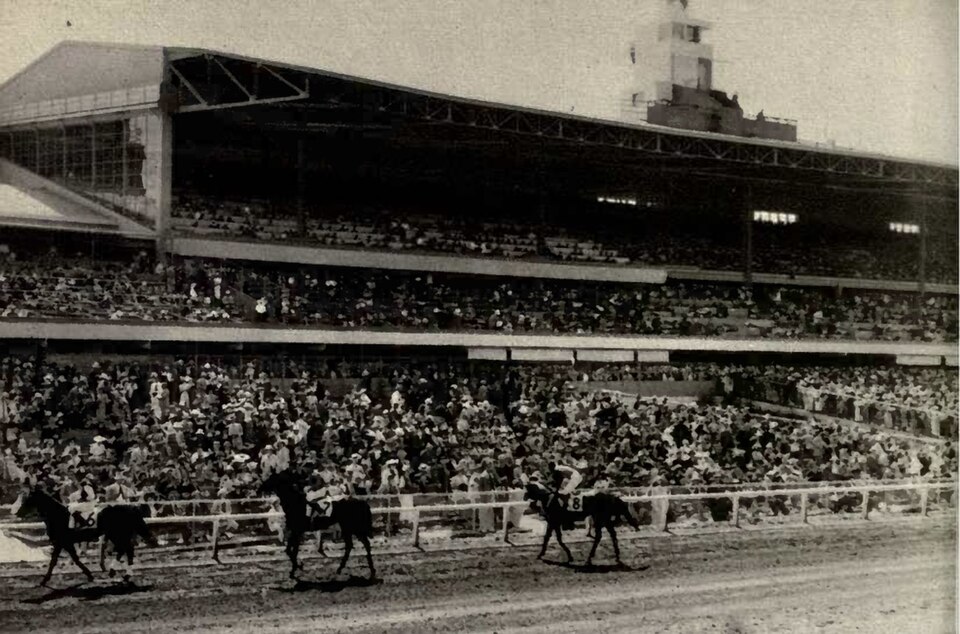
Hollywood Park gave Inglewood a sense of glamour long before the current stadium era. It made the city a destination. People came to Inglewood not only because they lived there, but because there was something to see.
That is one of the through lines in Inglewood’s history. The city keeps becoming a place people travel to.
The racetrack era also set up the real estate story we are living through now. A massive piece of centrally located land, close to LAX and surrounded by established neighborhoods, eventually became available for redevelopment. That kind of opportunity almost never happens in the middle of Los Angeles County.
The Forum Turned Inglewood Into the City of Champions
In 1967, the Forum opened in Inglewood.
The Kia Forum, originally known simply as the Forum, opened on December 30, 1967. It became home to both the Los Angeles Lakers and the Los Angeles Kings, and later hosted Olympic basketball and handball events during the 1984 Summer Olympics.
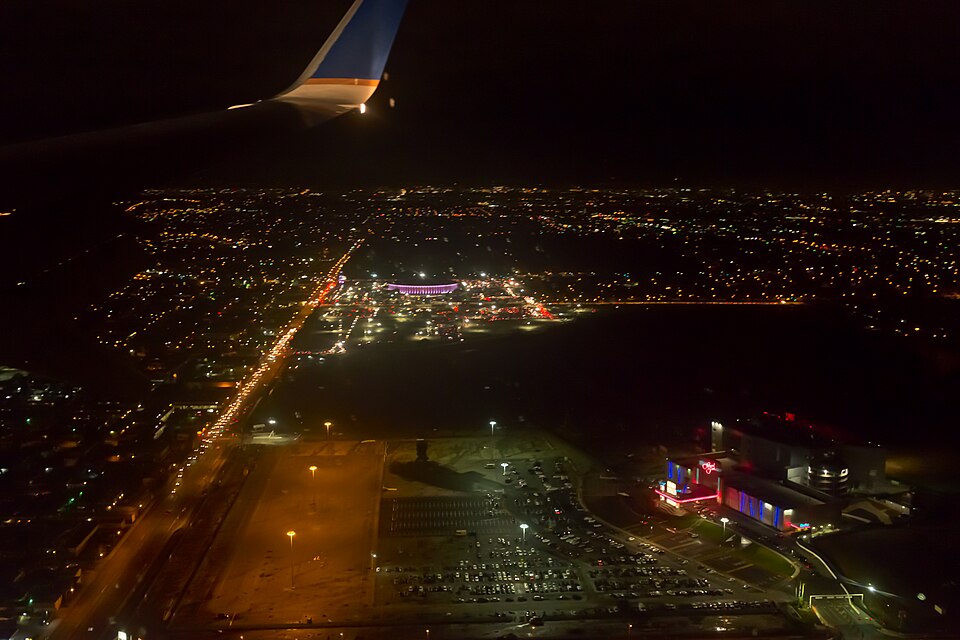
This is where Inglewood’s “City of Champions” identity really became part of the region’s culture.
The Showtime Lakers, Magic Johnson, Kareem Abdul-Jabbar, Pat Riley, celebrity courtside culture, concerts, boxing, hockey, and major events all made the Forum feel like one of the most important arenas in America.
But when the Lakers and Kings moved to Staples Center in Downtown Los Angeles, now Crypto.com Arena, Inglewood lost part of that identity. Hollywood Park eventually closed too. For a while, it felt like the city’s biggest attractions had either left or gone quiet. While density demands and metropolitan shifts pulled sports infrastructure toward the center core—as explored in our piece on living in Downtown Los Angeles—Inglewood’s story wasn't over.
That is why the current transformation feels so dramatic. Inglewood did not become a sports city overnight. It became one, lost some of that momentum, and then came back on an even larger scale.
SoFi Stadium Changed the Conversation
The modern era of Inglewood is defined by SoFi Stadium and Hollywood Park.
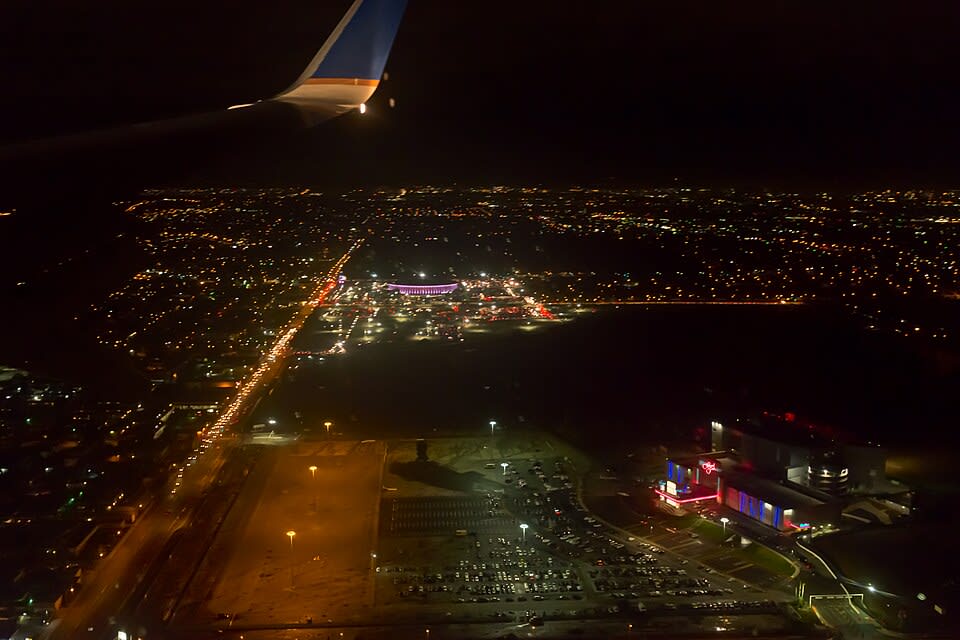
Hollywood Park now spans nearly 300 acres and is described by the development as the largest urban mixed-use project under construction in the western United States. It includes SoFi Stadium, YouTube Theater, residences, parks, retail, office space, and a larger sports and entertainment district.
SoFi Stadium opened in 2020 on the former Hollywood Park site. It is home to the Los Angeles Rams and Los Angeles Chargers, hosted Super Bowl LVI in 2022, and is scheduled to be part of the 2028 Olympic Games.
That kind of investment changes how people see a city.
For decades, Inglewood was often discussed through outdated assumptions. Now it is part of global sports conversations. It has hosted the Super Bowl, is tied to the World Cup and Olympics, and sits at the center of one of the largest entertainment developments in the country.
But this is where the story gets complicated.
Investment can bring jobs, infrastructure, restaurants, retail, hotels, and long term attention. It can also bring traffic, rising rents, speculation, displacement pressure, and a feeling among longtime residents that the city is being redesigned for visitors rather than for them.
That tension is central to Inglewood’s future.
Intuit Dome and the New Entertainment Capital
The opening of Intuit Dome added another layer to Inglewood’s reinvention.
The arena opened for Clippers basketball in 2024 and is part of owner Steve Ballmer’s more than $2 billion vision for the team’s new home. It sits near SoFi Stadium, Hollywood Park, and the Forum, creating one of the most concentrated sports and entertainment districts in the country.
LA28’s official venue plan includes an Inglewood Zone with Intuit Dome and 2028 Stadium, the Olympic name used for SoFi Stadium.
In other words, Inglewood is not just having a moment. It is being positioned as one of the central stages for Los Angeles’ global identity.
That creates opportunity, especially for property owners. If you bought in Inglewood before this transformation, you have seen the city’s perception change dramatically.
But perception cuts both ways. The more attention Inglewood gets, the more pressure there is on affordability.
Recent reporting around the World Cup and Olympics has raised concerns from residents about rising housing costs, displacement, and whether longtime Inglewood families will share in the economic benefits of the boom.
My take is that those concerns are valid. A true renaissance cannot only be measured in stadium revenue, arena openings, or new restaurants. It has to be measured by whether residents and local businesses can survive the growth.
What Inglewood Buyers Are Really Watching
For buyers, Inglewood is appealing for obvious reasons.
It is centrally located. It is close to LAX, the South Bay, the Westside, Culver City, and Downtown LA. It has major infrastructure, global entertainment venues, and still offers more relative value than many nearby Westside and beach-adjacent markets.
But buyers are also cautious.
Higher interest rates have made monthly payments harder across Los Angeles. Freddie Mac reported the average 30-year fixed mortgage rate at 6.49 percent as of July 9, 2026, which is high enough to keep many buyers waiting for a better affordability window. Staying ahead of these market adjustments is exactly why we track ongoing patterns on our primary Los Angeles Real Estate Blog hub.
In Inglewood, buyers are also asking more specific questions. How close is the property to stadium traffic? Is there enough parking? Is the block mostly single-family homes, apartments, or mixed use? Is the home in an area likely to benefit from new investment, or is it exposed to too much event congestion?
Those are the right questions.
Inglewood is not a market where you should buy blindly just because the city is getting attention. The opportunity is real, but it is very block specific.
A home near Morningside Park is not the same as a condo near Hollywood Park. A duplex close to transit is not the same as a single-family home on a quiet residential street. Investors, first-time buyers, and move-up buyers may all be looking at Inglewood, but they are not looking for the same thing.
For sellers, the story is different. In a higher-rate market, buyers are more selective. A listing needs to explain why the property matters now. In Inglewood, that story may be location, proximity to major venues, rental potential, architectural character, lot size, or long term upside as the city continues to evolve.
The key is not just saying “near SoFi.” The key is showing how the property fits into Inglewood’s larger trajectory.
The Real Estate Takeaway
Inglewood’s story is not simple.
It is not just a comeback story. It is not just a gentrification story. It is not just a sports story.
It is a city that has reinvented itself again and again.
Ranch land became a town. A small town became a fast growing city. Aviation and defense reshaped the local economy. Hollywood Park and the Forum made Inglewood a regional entertainment destination. The loss of the Lakers, Kings, and racetrack created a period of uncertainty. Then SoFi Stadium, Hollywood Park, Intuit Dome, and the Olympics changed the conversation all over again. Navigating highly unique, localized shifts requires a specialized perspective—similar to the structural and cost complexities we evaluate when discussing how to buy land in Malibu.
The opportunity is enormous.
So is the responsibility.
If Inglewood’s next chapter includes residents, small businesses, homeowners, renters, and local institutions, it could become one of the most important urban success stories in Los Angeles. If the benefits flow mostly to visitors, developers, and outside investors, then the city risks losing the very community that made it valuable in the first place.
That is what makes Inglewood such an important real estate market to understand right now.
The stadiums are the headline. But the real story is the land, the history, the people, and the question of who gets to participate in the city’s future.
If you are considering buying or selling a home in Inglewood, or anywhere else in Los Angeles, feel free to read more about my practice or contact me, Tyler Neale directly. I can help you understand not just the property, but the neighborhood history, market conditions, development pressures, and long term value behind the decision.