
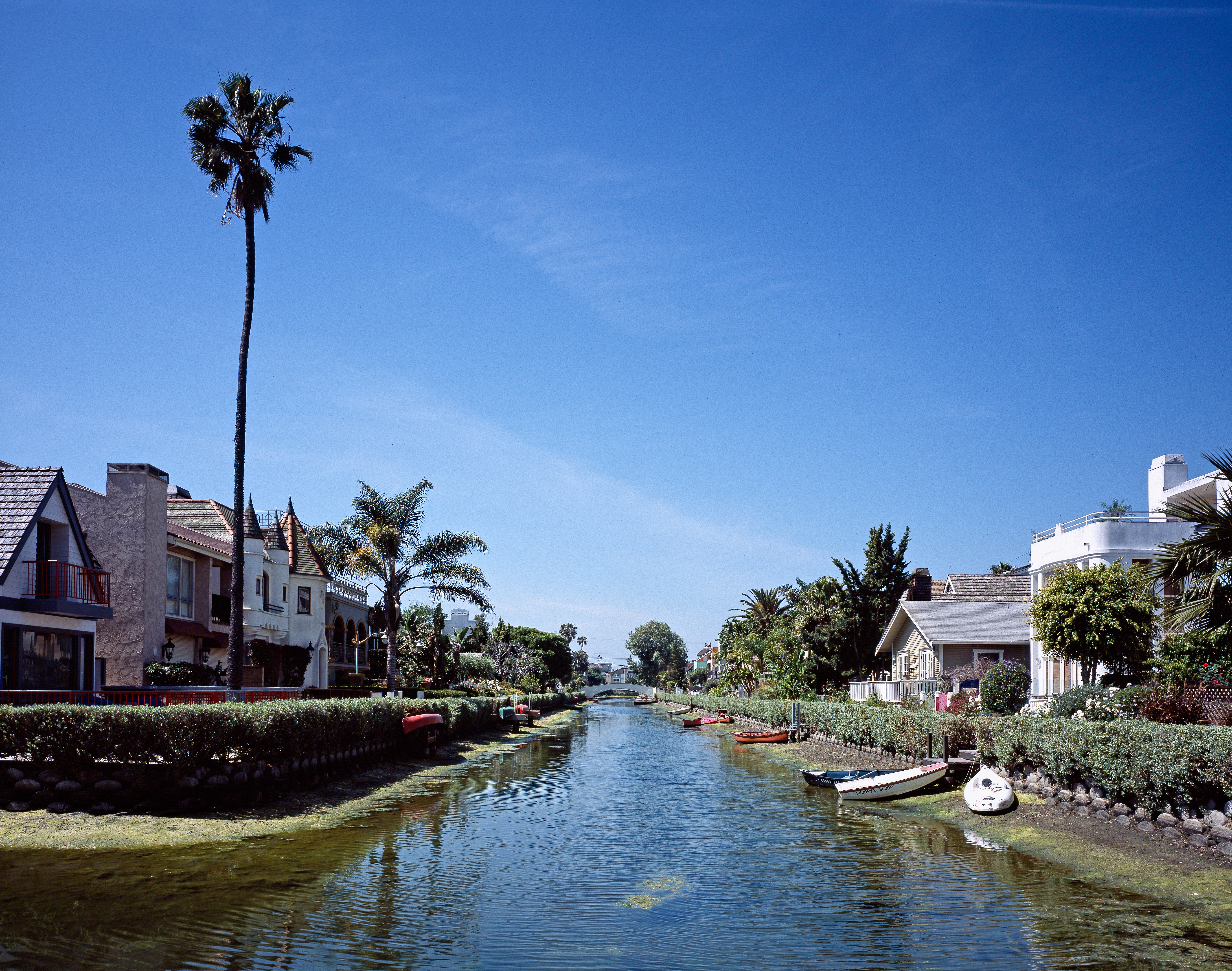
Venice is one of the few places in Los Angeles that still feels like it was invented by someone with an imagination that was almost too big.
Most beach neighborhoods are built around the obvious things: sand, surf, ocean views, and walkability. Venice has all of that. But it also has canals, bridges, old amusement history, artists, skateboarders, tech money, historic cottages, modern architectural homes, and one of the strangest origin stories of any neighborhood in LA.
That is what makes Venice so fascinating from a real estate perspective.
It was not just developed as a beach town. It was created as a fantasy.
The irony is that the fantasy nearly failed. The canals became neglected. Much of the original waterway system was filled in. Venice was dismissed for decades as rough, eccentric, and run down. Then, over time, the very things that made it unusual became the things that made it valuable.
My take is that Venice is one of the best examples in Los Angeles of a neighborhood where history, weirdness, and real estate value are completely connected.
Abbot Kinney Wanted to Build the Venice of America
Venice was founded by Abbot Kinney, a wealthy developer who wanted to create a Southern California version of Venice, Italy. The project opened on July 4, 1905 as “Venice of America,” and it was far more ambitious than a simple beach subdivision. Kinney’s resort included canals, gondolas, a pleasure pier, entertainment venues, a saltwater plunge, and architecture meant to transport visitors into a fantasy version of Europe on the Pacific.
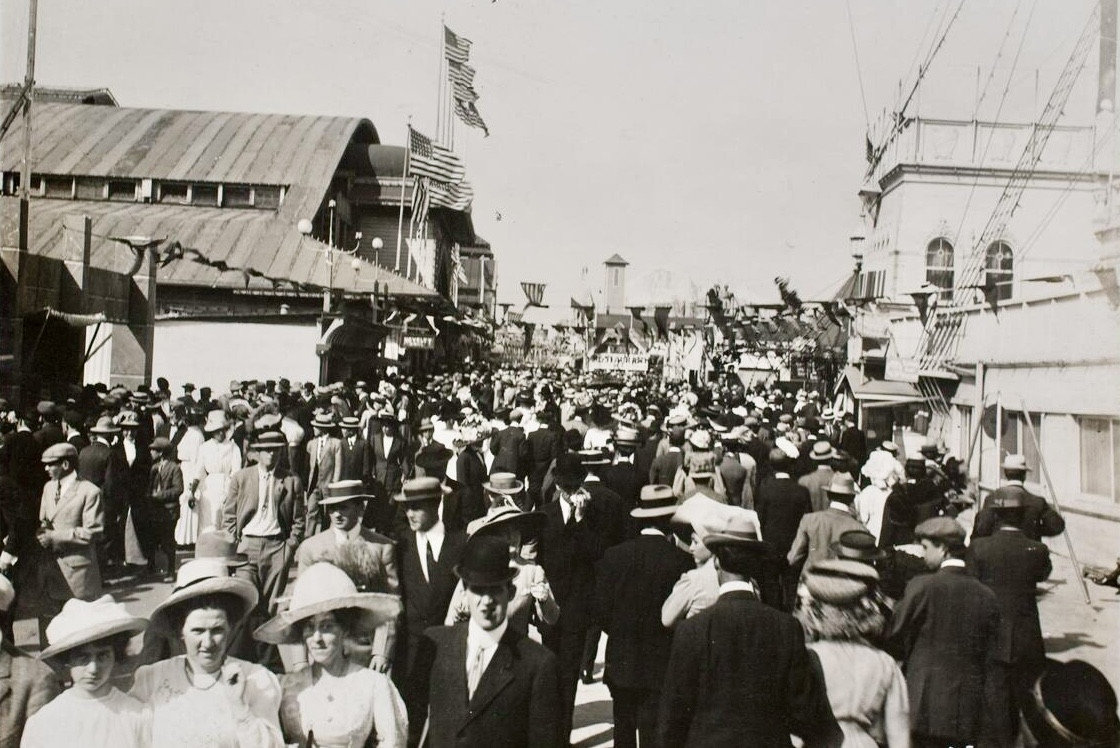
That is the part I love about Venice history. Kinney was not thinking small.
He was not just selling lots near the beach. He was selling an experience. A weekend visitor could ride a gondola, walk along the pier, see entertainment, and feel like they had entered a different world without leaving Southern California.
In today’s terms, he was not just building real estate. He was building a brand.
And that brand still matters. More than a century later, people still talk about Venice as different from the rest of Los Angeles. It is not the most polished beach community. It is not the most traditional. It is not trying to be Santa Monica or Malibu.
Venice is valuable because it has always had its own personality.
The Canals Were the Original Real Estate Hook
The canals were not just decorative. They were the centerpiece of the dream.
Kinney’s original Venice of America plan included a network of canals, bridges, islands, and gondolas designed to create the feeling of Venice, Italy. The current Venice Canal Historic District preserves only part of that larger water-based vision. The district was listed on the National Register of Historic Places in 1982, and the canal system is also recognized by Los Angeles as a historic resource.
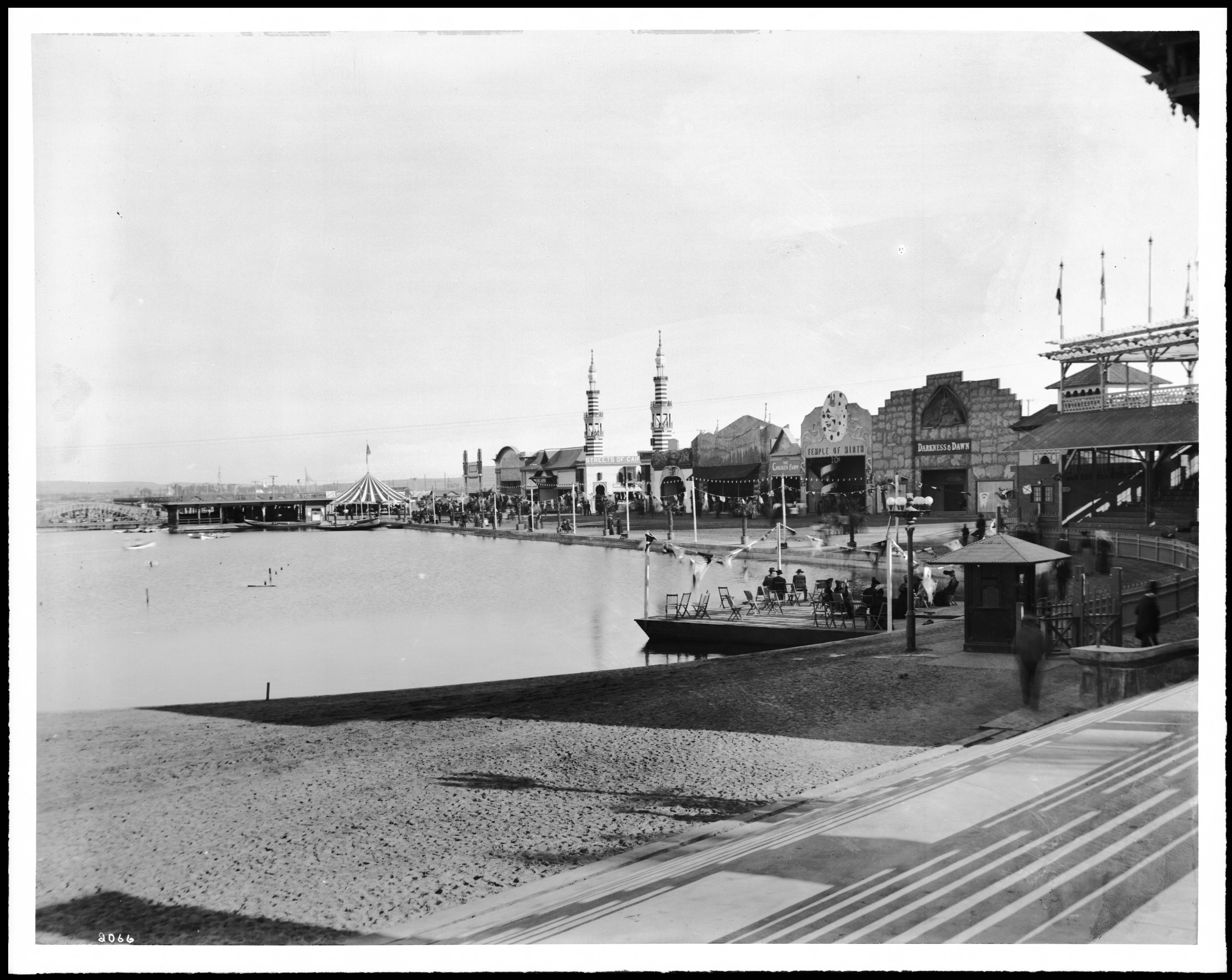
The reason this matters for real estate is simple: the canals gave Venice something no other LA beach neighborhood had. Santa Monica had the Pier. Malibu had the coastline. Manhattan Beach had its classic South Bay beach-town feel.
Venice had a built environment that was intentionally theatrical.
It was strange, romantic, and impractical. That combination would eventually become both its problem and its value.
Venice Was Built for Visitors Before It Was Built for Homeowners
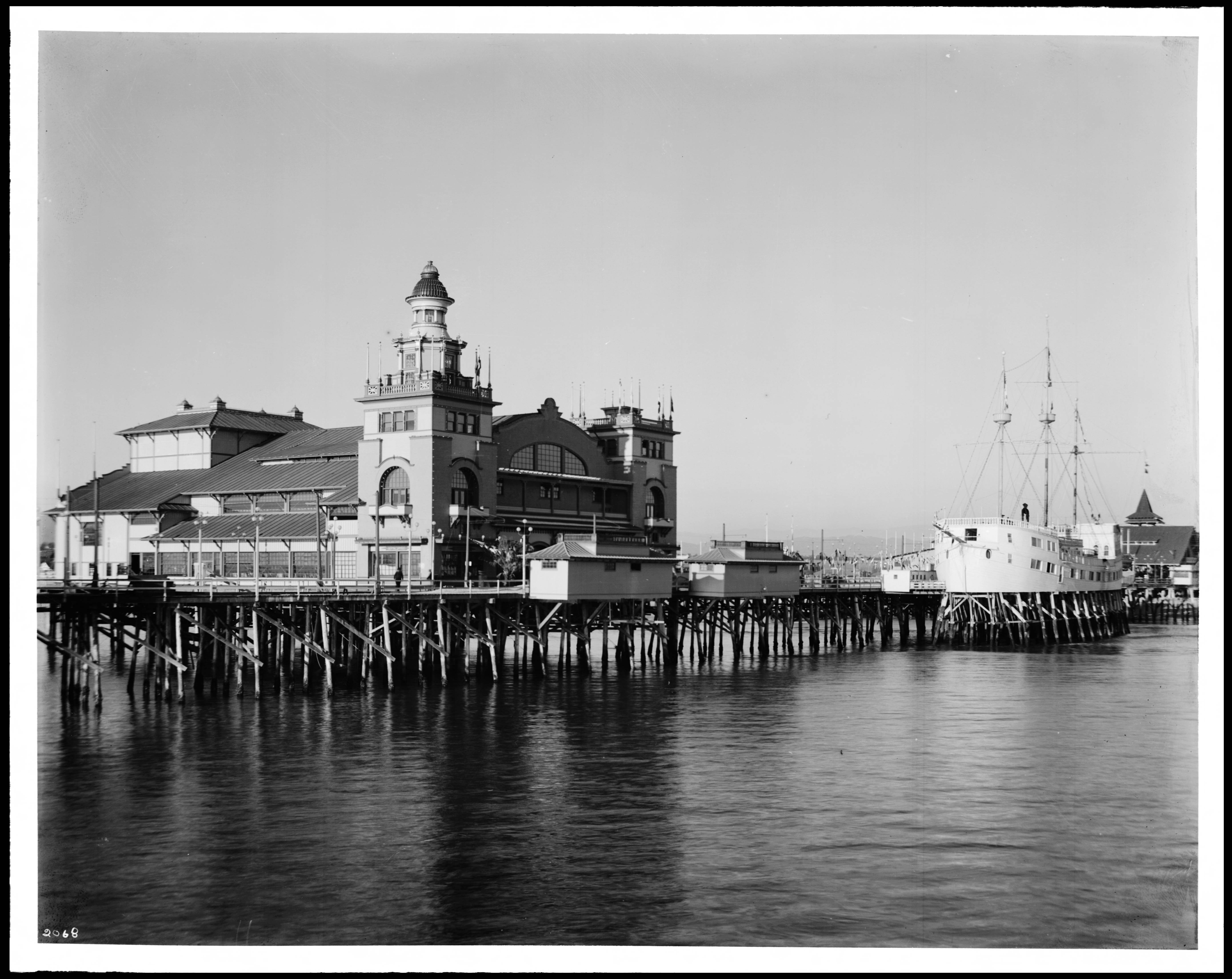
Venice’s early identity was tied to entertainment as much as housing.
The amusement piers drew crowds. The canals sold the fantasy. The beach brought visitors. The whole place functioned like a massive experiment in leisure, spectacle, and land development.
That is one reason Venice never became a conventional neighborhood.
It was always a little too public. Even today, living in Venice means living near a place that belongs partly to residents and partly to the world. The Boardwalk, the beach, Abbot Kinney, the canals, skate culture, street performers, restaurants, tourists, locals, and longtime residents all exist in the same small area.
That tension is part of the appeal, but it is also part of the challenge.
Some buyers want Venice because it feels alive. Others come in expecting a quiet coastal village and are surprised by how intense it can be.
That is why buying in Venice requires understanding the micro-location. A home on a quiet walk street, a canal-front property, a condo near the beach, and a modern architectural house closer to Abbot Kinney can all be “Venice,” but they offer very different versions of the neighborhood.
Cars Changed the Canals
By the 1920s, the automobile was changing Southern California. What once felt romantic began to look outdated.
Many of Venice’s canals were filled in and paved over in 1929 to make room for roads. The larger canal system shrank dramatically, and the former lagoon area eventually became part of the street pattern. The neighborhood was annexed by the City of Los Angeles in 1926, and over time the city showed limited interest in maintaining Venice’s more unusual features.
This is the key turning point.
Venice was built around water, walking, spectacle, and transit-era leisure. Los Angeles was moving toward cars, roads, and standardization.
Venice did not fit neatly into the version of LA that was being built around the automobile.
That mismatch hurt the neighborhood for decades. The canals deteriorated. The sidewalks fell into disrepair. The water became polluted. What had once been a developer’s dream became a neglected leftover from an earlier era.
And yet, that leftover quality is also what preserved some of Venice’s character.
If Venice had been completely remade into a more ordinary car-oriented neighborhood, it might have lost the very things that make it valuable now.
From “Slum by the Sea” to Creative Capital
By the middle of the twentieth century, Venice had a very different reputation. It was sometimes called the “Slum by the Sea,” a phrase tied to the city’s long period of neglect and disinvestment after annexation. Low rents, aging buildings, and a sense of isolation attracted artists, writers, poets, immigrants, and counterculture communities.
That history is important because it explains modern Venice better than the resort story alone.
Venice did not become cool because it was perfect. It became cool because it was cheap enough, strange enough, and loose enough for people to experiment.
The same qualities that made it feel rough to some people made it magnetic to others.
That is a recurring pattern in Los Angeles real estate. Neighborhoods often become valuable after creative communities make them interesting. Then the market arrives, prices rise, and the people who helped create the culture can struggle to remain.
Venice is a textbook example of that cycle.
The Boardwalk Kept Venice Public
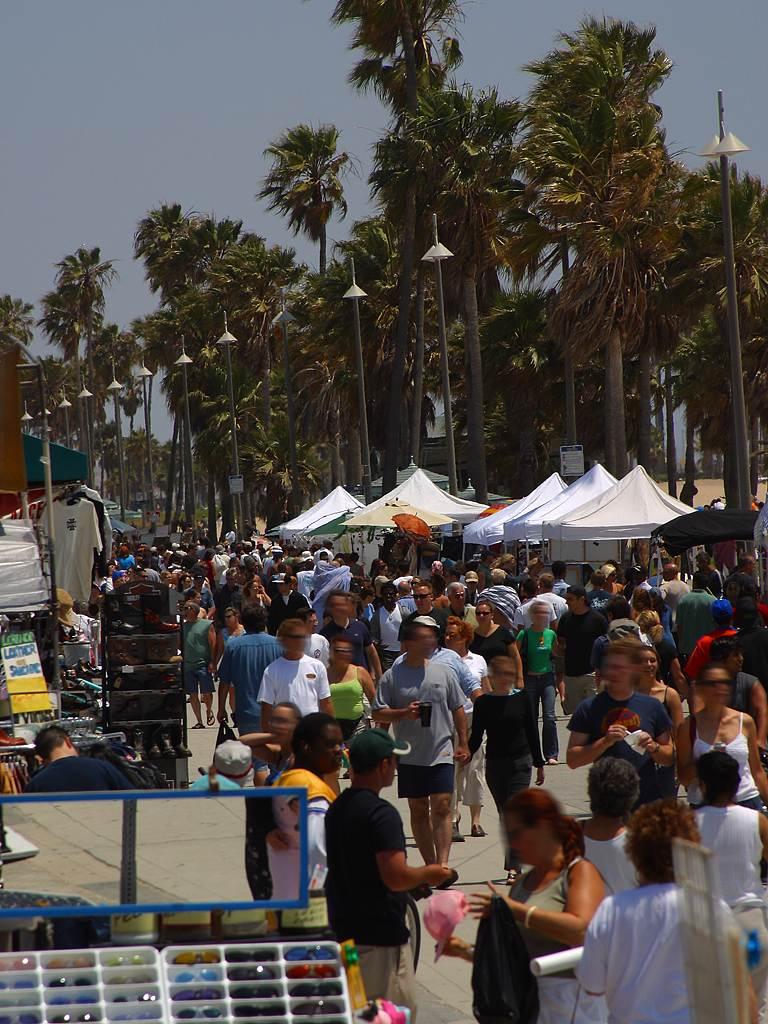
The Boardwalk is one of the reasons Venice never became a fully private luxury enclave.
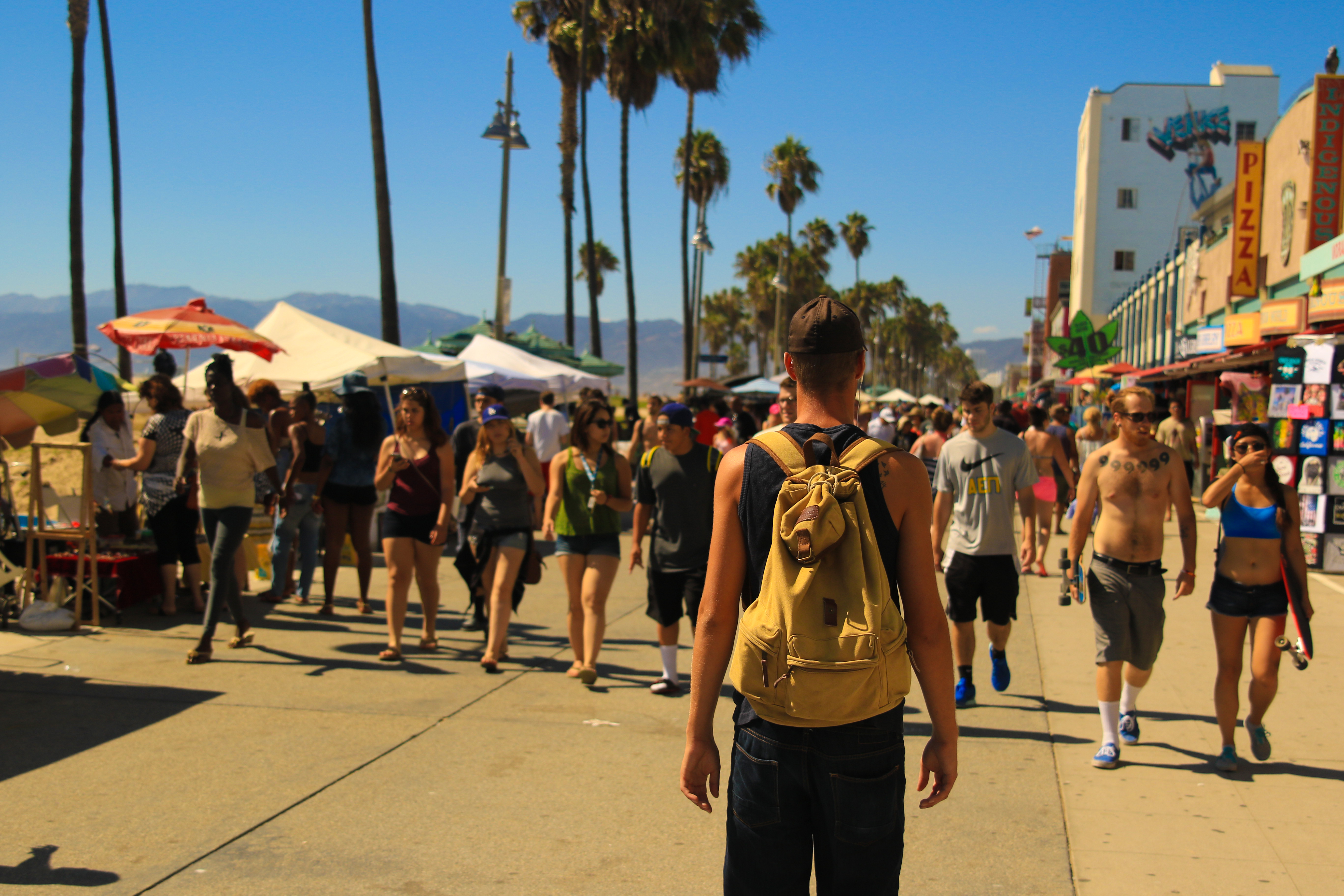
It keeps the neighborhood open, chaotic, public, and visible. That can be frustrating for some residents, but it is also what makes Venice Venice.
You cannot separate Venice real estate from Venice street life.
A buyer who wants total quiet may be better suited to another coastal pocket. A buyer who wants energy, creativity, restaurants, people-watching, and the sense that something is always happening may find Venice hard to beat.
This is why Venice is so hard to compare to other LA neighborhoods. Much like analyzing market fluctuations across our comprehensive Los Angeles Area Guide, tracking local property values here requires checking the precise block layout.
Its value is not based only on lot size or square footage. It is based on identity. People pay for proximity to the beach, but they also pay for proximity to a cultural ecosystem.
That ecosystem can be messy. It can be beautiful. It can be annoying. It can be inspiring. Often, it is all of those things at once.
The Canal District Became a Luxury Neighborhood
The Venice Canals eventually became one of the neighborhood’s most dramatic comeback stories.
After decades of deterioration, the remaining canals were renovated in the early 1990s. The work included draining the canals, rebuilding sidewalks and walls, and improving the waterway system. The canals reopened in 1993 and soon became one of the most desirable and expensive residential pockets in Venice.
That transformation is almost unbelievable when you step back and think about it.
A place once considered neglected and obsolete became a high-value residential district precisely because it was unusual.
The bridges, narrow lots, waterfront setting, and quirky homes became assets. What had once seemed impractical became rare.
That is the real estate lesson.
In Los Angeles, uniqueness can be messy in the short term but incredibly valuable over time.
What Venice Buyers Are Really Paying For
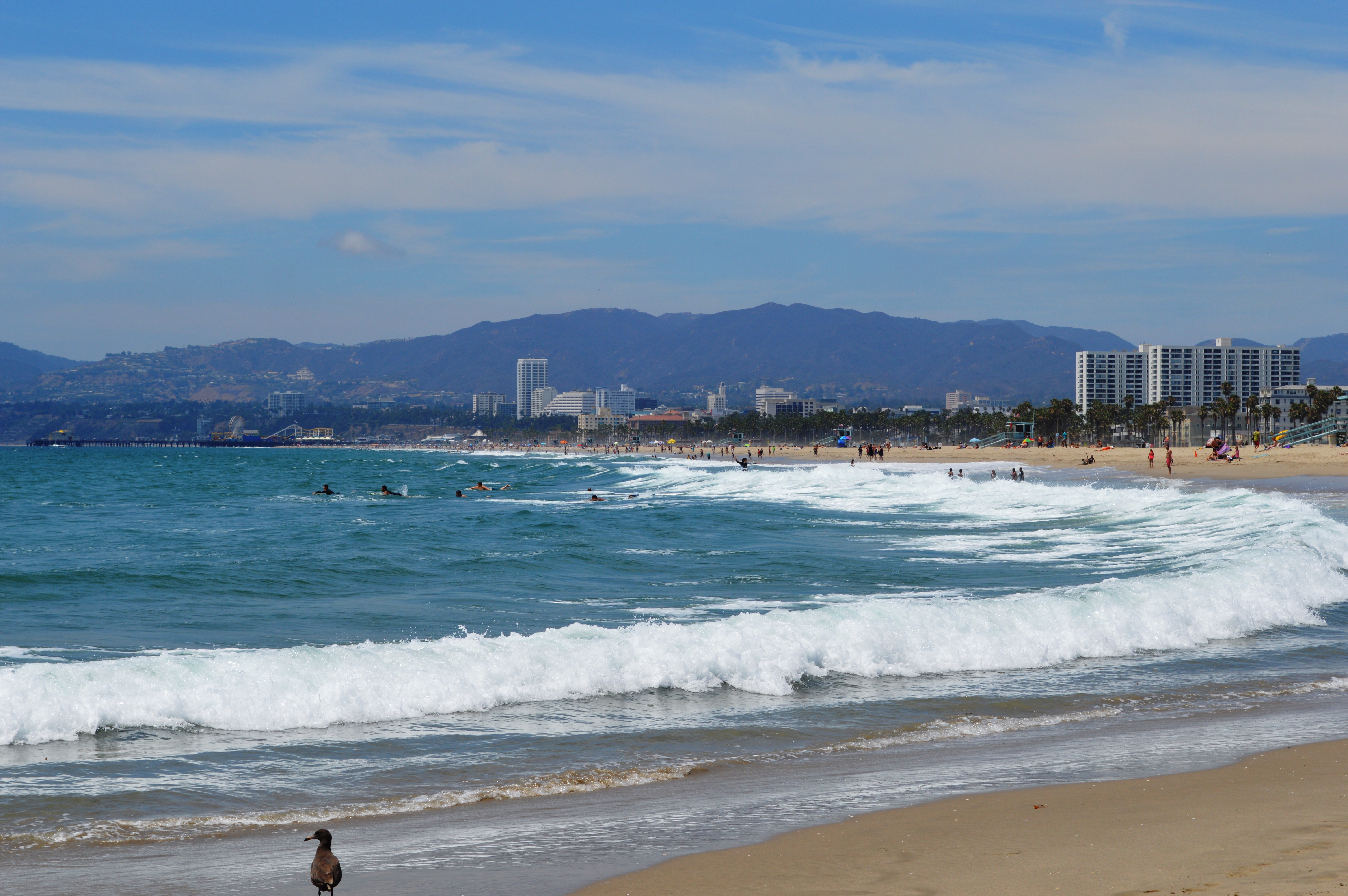
For many buyers, Venice is not the easiest place to understand.
It is expensive, but not always polished. It is coastal, but not quiet like Malibu. It is walkable, but not always orderly. It is stylish, but still rough around the edges in places.
That contradiction is the point.
People buy in Venice because they want the mix. They want beach access, restaurants, design, walkability, culture, and a sense of place. They want a neighborhood that feels more alive than a purely residential enclave.
But buyers need to be careful. Venice is extremely block-specific.
A canal-front home is different from a walk-street cottage. A modern architectural property near Abbot Kinney is different from a condo near the Boardwalk. A quiet residential street east of Lincoln is a different product from a property steps from the sand.
Those differences affect value, lifestyle, resale, rental demand, and daily experience.
What Venice Buyers Are Waiting For
Higher interest rates have made affordability harder across Los Angeles, and Venice is no exception. Freddie Mac reported the average 30-year fixed mortgage rate at 6.49 percent as of July 9, 2026, which is high enough to keep some buyers cautious.
But in Venice, the issue is not lack of desire.
The issue is whether buyers can justify the monthly payment, the price per square foot, and the trade-offs that come with the neighborhood.
In a market like this, buyers are watching for three things:
A property with a real location advantage.
A seller who is realistic on price.
A home that feels special enough to justify the premium.
That last point matters most in Venice. Generic property is harder to sell when rates are high. Distinctive property still gets attention. For deep strategy adjustments on listing approaches during variable rate seasons, feel free to monitor updates on our live Los Angeles Real Estate Blog hub.
For sellers, the strategy is not just to say “Venice Beach.” The strategy is to tell the right story. Is the home near the canals? Is it on a walk street? Is it close to Abbot Kinney? Does it have architectural pedigree, outdoor space, parking, privacy, or beach access?
In Venice, details are not details. They are the value.
The Real Estate Takeaway
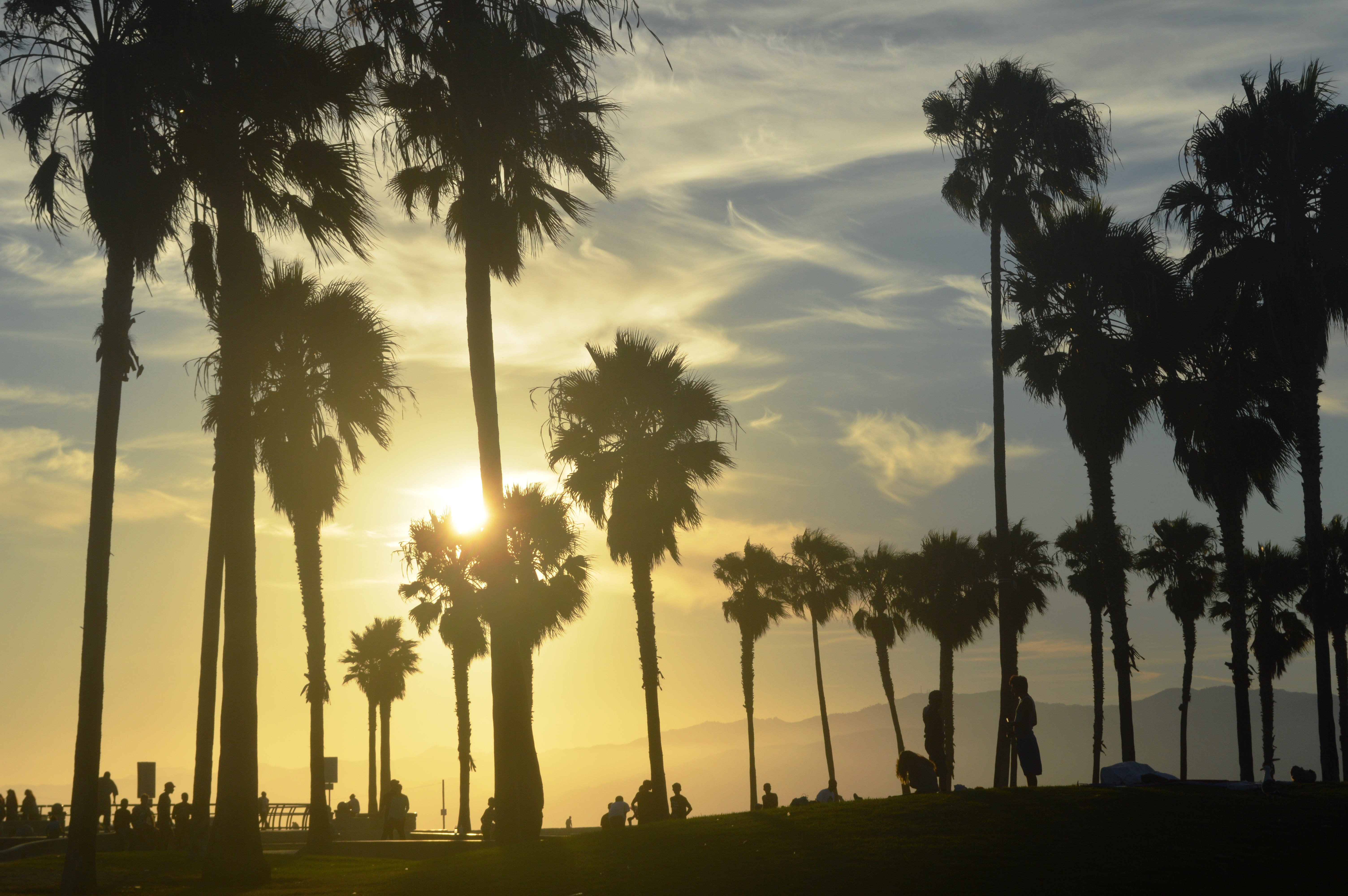
Venice has never been normal.
That is why it has always been difficult to manage, difficult to define, and difficult to price.
It began as Abbot Kinney’s fantasy of a European-inspired resort on the Pacific. It became an amusement destination, then a neglected beach town, then a counterculture haven, then a global symbol of LA creativity, and now one of the most expensive and closely watched real estate markets on the Westside.
The canals tell that whole story in miniature.
They were built as a dream, neglected as an inconvenience, restored as history, and eventually priced as luxury.
That is Venice.
A place can be impractical and still become valuable. A neighborhood can be chaotic and still be deeply desirable. A community can be rough around the edges and still have one of the strongest identities in Los Angeles.
If you are considering buying or selling a home in Venice, learn more about my practice or contact me, Tyler Neale directly. I can help you understand not just the price, but the block, the history, the lifestyle, and the long-term value behind one of LA’s most distinctive beach neighborhoods.