
By Tyler Neale, The Beverly Hills Estates | November 2026
The biggest disconnect I’m seeing in the Los Angeles real estate market right now is between buyers’ negotiating power and sellers’ expectations. Buyers have more room to negotiate than they have had in years, while many sellers are still thinking about the prices and urgency of the pandemic market.
My outlook for the next 12–24 months is measured. I expect prices to remain generally flat, with the potential for more inventory and buyer activity as mortgage rates soften. But the experience of buying or selling in LA depends heavily on the property. Condos, hillside homes, established luxury neighborhoods, and properties affected by the Palisades Fire are facing very different conditions.
If you’re deciding whether to buy or sell, those differences matter more than a single headline about “the LA market.” Here’s what I’m seeing, where I’m looking for opportunities, and how I would approach your next move.

Is Los Angeles a buyer’s market right now?
Across the markets I follow, buyer activity has decreased to varying degrees. I’m seeing homes take longer to sell and buyers gain more negotiating power. At the same time, available inventory remains limited, especially once you narrow a search to a particular neighborhood, property style, and budget.
That combination helps explain why reduced demand hasn’t translated into dramatic price reductions on every home. Buyers may have more leverage, but finding the right property can still take patience.
The biggest obstacle I see is the gap between what buyers are willing to pay today and what some sellers still expect. Buyers are weighing current alternatives and the full cost of ownership. Some sellers remain anchored to the pandemic years, when competition was intense and properties could sell with very little resistance.
If you’re buying, I would look for properties where the seller is ready to meet the current market. If you’re selling, I would focus on understanding your competition before spending weeks testing a price that buyers aren’t willing to support.
What the broader LA housing data adds
Countywide figures provide useful context, but they don’t capture the experience of every neighborhood or property type. The California Association of REALTORS’ September 2026 report recorded a Los Angeles County median sold price of $994,670 for existing single-family homes, up 1.2% from September 2025, while sales fell 10.9%. The county’s unsold inventory index rose from 3.7 to 4.0 months. Median time on market was 30 days, compared with 31 a year earlier.
Those figures don’t show a countywide decline in prices or a universal increase in selling time. When I describe softer prices and longer timelines, I’m talking about the particular markets and negotiations I’m observing. A county median also reflects the mix of properties that sold, so I wouldn’t use it alone to determine what your home is worth.
Want to understand your negotiating position? Tell me your target neighborhood, budget, and timeline, and we can discuss the homes and conditions relevant to your search.

Are home prices dropping in Los Angeles?
I’m seeing price pressure in several parts of the market, but I wouldn’t put every Los Angeles home in the same category. Some of the clearest differences are between condos, hillside properties, rebuilding sites, and homes in especially desirable established locations.
Condos: the monthly cost matters as much as the asking price
Of the property types I’m watching, condos have experienced some of the most pronounced softening. Increasing HOA dues and insurance costs are a big part of that. Buyers are becoming less willing to take on those expenses, particularly when they’re uncertain about future increases.
When you’re comparing condos, I would look beyond the asking price. A lower purchase price doesn’t necessarily mean a lower total cost of ownership once you account for the mortgage payment, HOA dues, taxes, insurance, and the building’s financial condition.
Some of the questions I would want answered include:
- How have HOA dues changed, and what do they cover?
- What do the association’s reserves and maintenance plans show?
- Are there existing or proposed special assessments?
- What insurance does the association carry, and what separate coverage will you need?
If you’re selling a condo, I would make the building’s costs and condition easy for buyers to understand. Clear information can help them evaluate the property with fewer unanswered questions.
Hillside homes: view properties deserve a closer look
I’m watching hillside communities closely for opportunities because demand for some view homes is lower than usual. In my view, wildfire concerns and uncertainty around insurance following the Palisades Fire are contributing to that hesitation.
For buyers who have always wanted a home in the hills, this is a segment worth examining. But I wouldn’t assume that every hillside listing is a bargain. The price needs to make sense alongside the home’s condition, its site, access, and available insurance.
The California Department of Insurance advises consumers to shop for coverage and understand their options, particularly where wildfire exposure makes insurance harder to find. I would investigate coverage early so you can evaluate a property using a realistic ownership budget.
You can explore my Hollywood Hills neighborhood guide for additional context, then we can discuss the particular streets and properties that fit your search.
Established luxury locations: some pockets are proving more resilient
I’m seeing greater resilience in some of LA’s most desirable locations, including the Beverly Hills Flats, Santa Monica north of Montana Avenue, and the Brentwood flats.
That doesn’t mean every home in those areas will sell quickly or command its seller’s asking price. Condition, pricing, and the available alternatives still matter. But these are examples of why I’m cautious about making blanket statements about declining prices across Los Angeles.
If you’re buying, the negotiating room available in one segment may not exist in another. If you’re selling, a desirable address is an advantage, but the pricing still needs to work. My Beverly Hills community guide is a starting point for comparing the area with your priorities.

My Los Angeles housing market forecast for the next 12–24 months
My baseline expectation is for prices to remain generally stagnant, rather than continue declining in the segments where I’ve seen prices come down. By the 24-month mark, I expect the potential for both inventory and buyer demand to increase.
Two factors shape that outlook. First, softer mortgage rates could bring more buyers back into the market. Second, I expect more homeowners from the baby boomer generation to move into different living arrangements, bringing additional homes onto the market.
Those changes could happen together. More listings would give buyers additional choices, while renewed demand could increase competition for the homes people want most.
Of course, this is my outlook based on the conditions I’m seeing today. The timing and direction of mortgage rates, inventory, and demand could change. I wouldn’t build your entire buying or selling decision around a prediction.
What I would do is look closely at your position. If you’re planning to sell within two years, we can start preparing now without committing to a listing date. If you’re buying, we can define the right property and a sustainable budget so you’re ready when an opportunity makes sense.
Should you buy a home in Los Angeles now or wait?
For someone whose finances and circumstances support a purchase, I would recommend taking a serious look at buying now. I’m seeing negotiating opportunities that have been difficult to find in a more competitive market.
Timing the market is virtually impossible. I would rather help you recognize a strong opportunity when it appears than wait indefinitely for a perfect combination of lower prices, lower rates, and limited competition.
Waiting for lower mortgage rates may improve affordability. But if those lower rates bring more buyers back into the market, you could also face more competition. That tradeoff is worth considering alongside the terms you may be able to negotiate today.
I would still want the purchase to work using the financing and ownership costs available now. You shouldn’t have to depend on a future refinance or a guaranteed increase in value to make the numbers comfortable.
Here is where I would start:
- Define the payment you can sustain. Include insurance, taxes, maintenance, and any HOA dues.
- Identify where you can be flexible. A different neighborhood, property condition, or moving timeline may open up additional options.
- Evaluate leverage property by property. We can review comparable sales, competing listings, price changes, and how the seller has responded to the market.
Considering a purchase in the next year? Let’s compare your target neighborhoods and see where your budget may provide more choice or negotiating room.
Should you sell your Los Angeles home now or wait?
My answer starts with your personal circumstances. A job change, a need for different space, or plans for your next home may matter more than trying to select the best month of the year.
If you have flexibility, I would consider seasonal windows such as spring or parts of late summer, then evaluate that timing against the competition and buyer activity in your particular market. We also need enough time to get the property ready.
Regardless of when you list, my clearest advice is to be strategic and realistic from the beginning:
“It’s crucial to be strategic and realistic, in order to compel critical buyer interest right when the listing launches.”
Price for the buyers who are shopping today
I want your launch price to make sense beside the homes buyers can actually choose from. Pandemic-era expectations, a neighbor’s aspirational asking price, or the amount you’ve invested in improvements don’t establish what buyers will pay today.
We need to consider comparable closed sales, current competition, condition, location, and your home’s advantages and limitations. The goal is to create meaningful interest when the listing launches, rather than sit on the market while buyer activity fades.
If the response is limited, we need to understand why and act on what the market is telling us.
Make the home easy to understand and appreciate
I recommend clean, fresh presentation with broad appeal. Depending on the home, that could mean paint, repairs, decluttering, thoughtful styling, or staging.
The purpose is to help buyers appreciate the space and reduce the number of immediate projects they see. My team and I can help you decide which preparations deserve attention before launch and how to execute them.
Build a marketing plan around the property
I believe marketing needs to be creative and diverse, combining traditional channels and social media to reach a broad buyer pool. The presentation should help people understand what makes your home compelling, including its architecture, setting, and everyday experience.
You can learn more about my approach to selling a home in Los Angeles and property marketing.
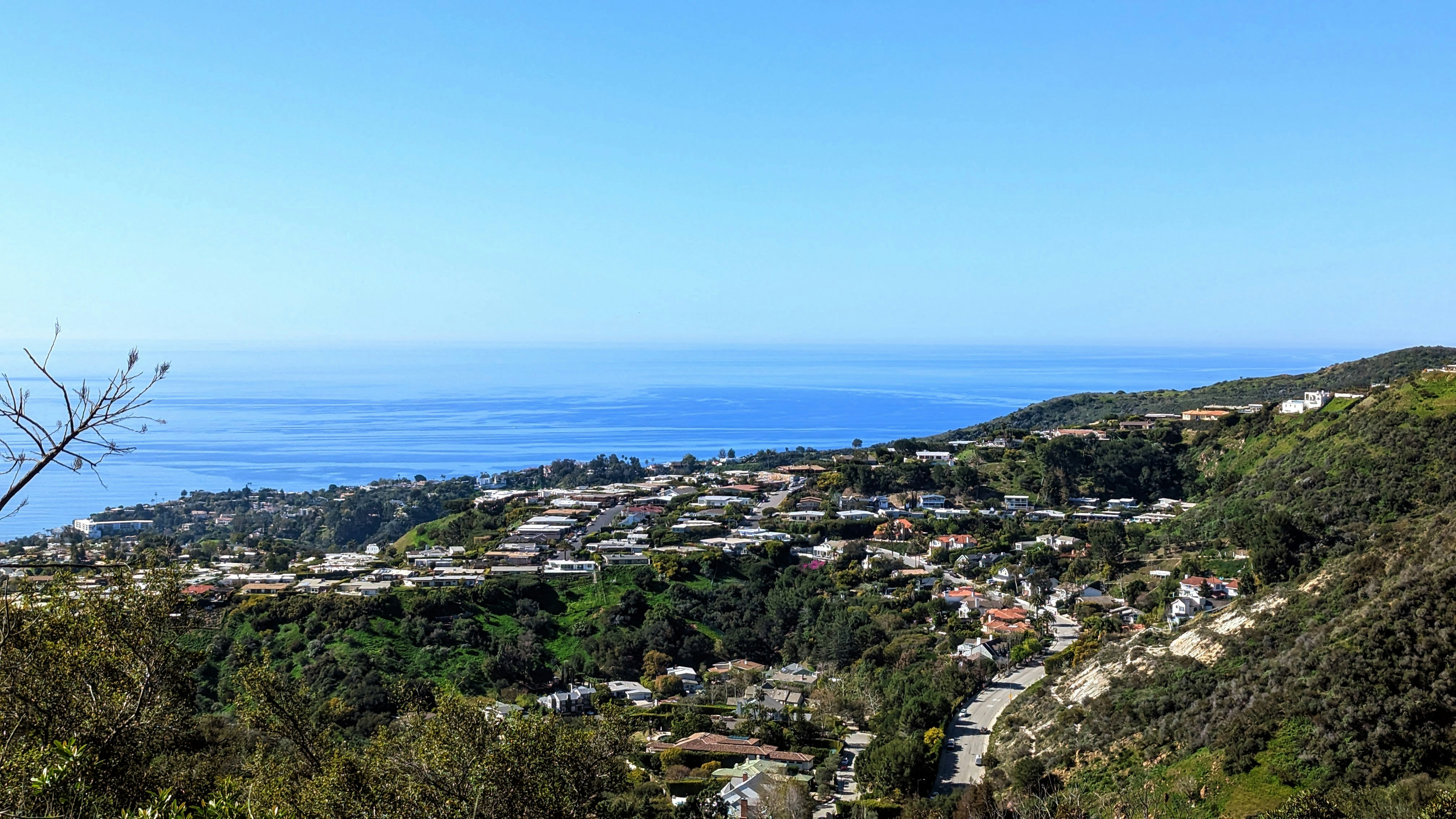
The LA neighborhoods and market segments I’m watching
I’m looking beyond the most familiar luxury addresses for opportunities. These are some of the areas and property types I’m following closely, with the understanding that each home still needs to be evaluated on its own merits.
Baldwin Hills, West Adams, and Mid-City
I’m watching Baldwin Hills, West Adams, and parts of Mid-City along the 10 Freeway for their emerging luxury markets. These areas are worth considering when you’re comparing what your budget can buy across Los Angeles.
From there, I would narrow the search to individual streets and properties. Condition, amenities, access, and price all need to be compared with your alternatives and the way you want to live.
Hermon and alternatives near established favorites
Hermon is another neighborhood I’m watching, particularly as an alternative for buyers considering Highland Park. Looking beyond a familiar neighborhood name can open up options that better fit your budget.
I would still compare the specific homes and the daily experience of each location. Nearby neighborhoods aren’t interchangeable, and a lower asking price needs to be weighed against what you gain or give up.
Pacific Palisades and Malibu rebuilding properties
I’m closely following Pacific Palisades as rebuilding progresses. I continue to see interest in the community, and I’m watching how new construction and the recovery shape the market.
Buying a rebuilding site, however, involves a different set of decisions from buying a completed home. In Malibu, I’m seeing pressure on some fire-affected land values and concerns about rebuilding requirements.
There are signs of progress. In September 2026, the City of Malibu reported its 100th permit allowing reconstruction and its first certificate of occupancy for a completed rebuilt home following the Palisades Fire.
I wouldn’t use another property’s progress to assume a timeline or budget for your project. Before moving forward, you need to investigate the applicable jurisdiction, plans and approvals, utilities, site conditions, construction costs, and insurance with the appropriate professionals.
Weather is another consideration I’m watching. NOAA’s October 2026 outlook anticipated strong-to-very-strong El Niño conditions through early 2027, while noting that impacts are not guaranteed. I would treat that as a reason to investigate a site’s drainage and weather exposure, rather than assume a particular outcome for every coastal property.
My Malibu real estate guide offers additional area context as you begin that comparison.
Frequently asked questions about the Los Angeles housing market
Will Los Angeles home prices fall in 2027?
My expectation is for generally flat prices rather than further widespread declines in the segments I follow. Individual neighborhoods and property types may perform differently, and my outlook isn’t a guarantee about a particular home’s future value.
Do buyers have more negotiating power in LA now?
I’m seeing more buyer leverage, particularly where demand has weakened or a property has struggled to attract interest. How much negotiating room you have depends on the listing’s price, condition, competition, and the seller’s circumstances.
Is now a good time to buy a condo in Los Angeles?
I see opportunities in a softer condo market, but I would compare total ownership costs and the association’s finances alongside the purchase price. HOA dues, insurance, maintenance plans, and potential assessments can materially affect whether a property makes sense for you.
When should I list my Los Angeles home for sale?
I would start with your moving needs and the home’s readiness. If you have flexibility, we can consider seasonal opportunities such as spring or parts of late summer, then evaluate that plan against local competition and buyer activity. Pricing and presentation will remain central to the launch.
How can I find out what my LA home is worth in this market?
I can help you review relevant sales and current competing listings to develop a pricing perspective specific to your property. A countywide forecast or automated estimate can’t fully account for your home’s condition, setting, presentation, and immediate competition.
Let’s plan your next move in Los Angeles
I see opportunities in this market for buyers who are prepared to negotiate and sellers who are realistic about pricing and thoughtful about presentation. The right approach starts with understanding your circumstances and the particular market you’re entering.
If you’re buying, tell me your budget, preferred neighborhoods, and ideal timeline. If you’re selling, share your property address and when you hope to move. From there, we can discuss your options and build a plan around what matters to you.
Schedule a private real estate consultation with me or call/text (323) 578-4949.
Tyler Neale | The Beverly Hills Estates | California DRE #02174473
This article reflects my market perspective as of November 2026, alongside the public-source context linked above. Forecasts are opinions and may change as conditions evolve.