
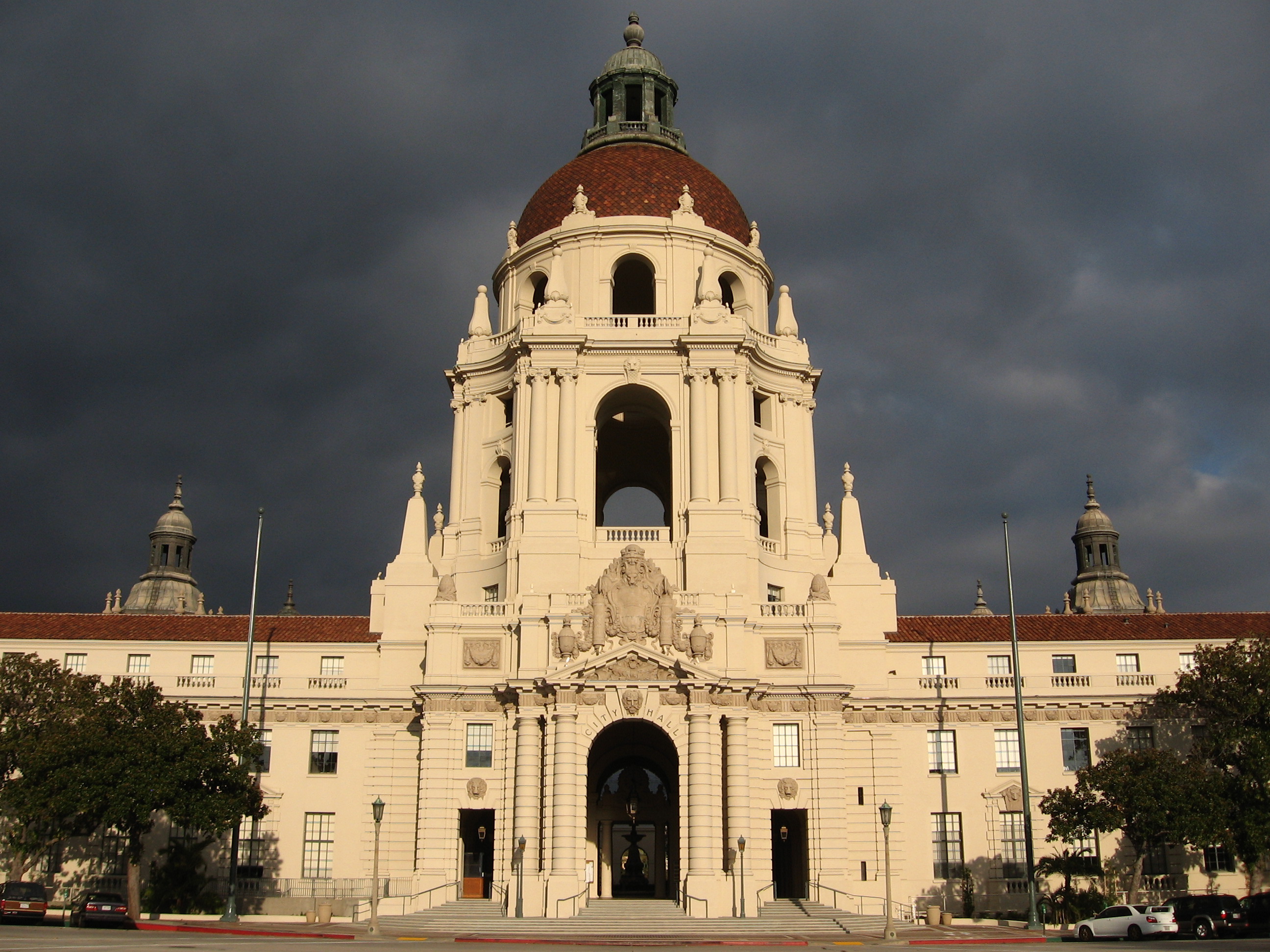
Pasadena is one of those places that feels older, more established, and more self-assured than most of Los Angeles.
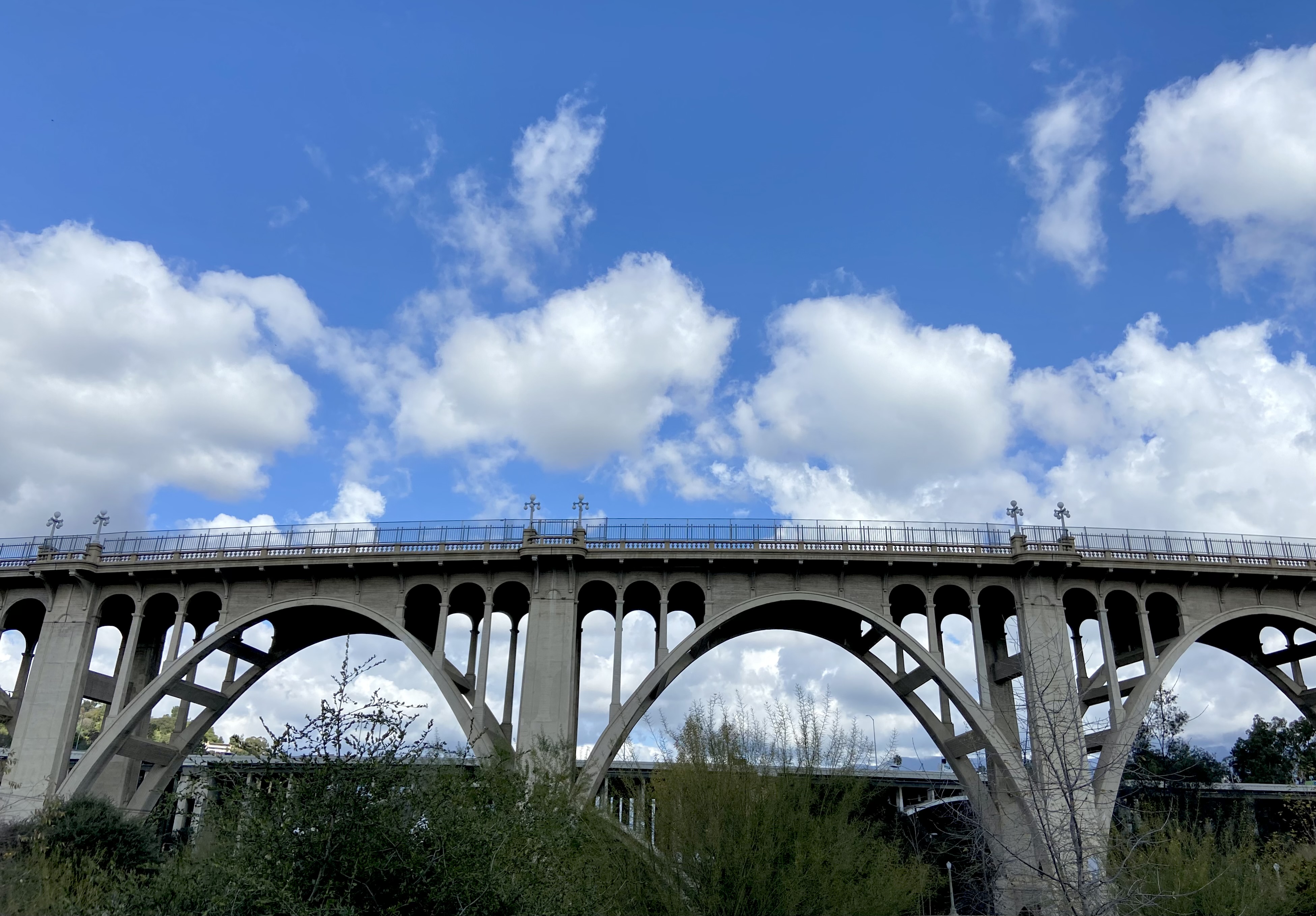
It has the Rose Bowl, the Rose Parade, Caltech, the Pasadena Playhouse, Craftsman homes, grand old hotels, historic bridges, tree-lined neighborhoods, and a real downtown that people actually walk around.
But what makes Pasadena fascinating is that none of that was guaranteed.
Pasadena could have become just another faded downtown. It could have been carved up by freeways. It could have lost more of its historic buildings to redevelopment. It could have become a place people remembered for what it used to be, instead of a place people still want to live.
Instead, Pasadena became one of the best examples in Southern California of a city that figured out how to turn preservation into value.
My take is that Pasadena’s real estate strength comes from something deeper than charm. It comes from the fact that the city protected enough of its history to make that history part of the market, a philosophy we center our approach on at Tyler Neale Real Estate.
Pasadena Was Built as a Climate Dream
Long before Pasadena became known for football games and Craftsman houses, it was marketed around sunshine.
The land that became Pasadena was part of Rancho San Pasqual, and the city’s early modern development was shaped by settlers who came west looking for a better climate and a healthier way of life. The City of Pasadena traces the community’s early development to the Indiana Colony, which purchased land in the 1870s before Pasadena incorporated as a city in 1886.
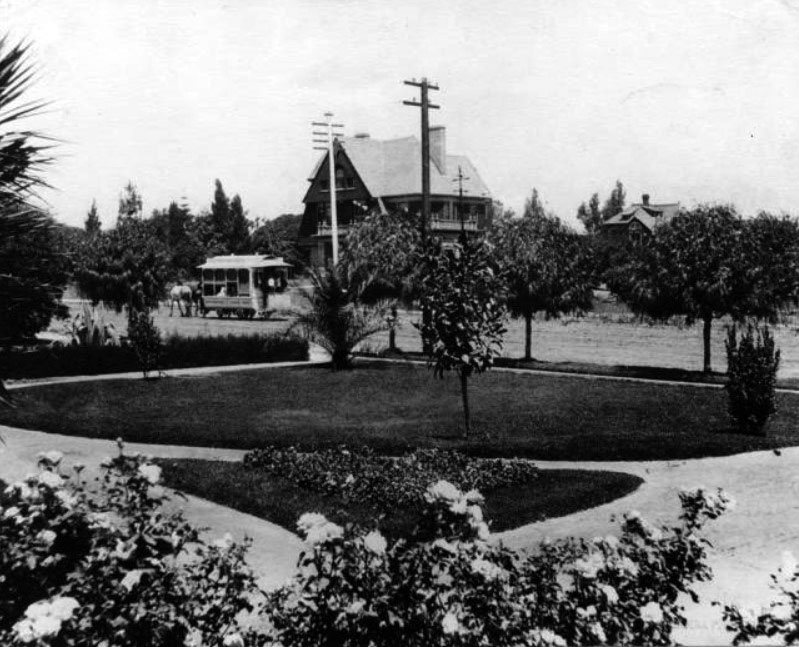
That origin story matters because Pasadena was never just a random suburb.
It was one of the places where Southern California sold itself to the rest of the country. The weather, the orange groves, the mountains, and the idea of outdoor living became part of the city’s identity.
In real estate, that is powerful. Pasadena was not only offering land. It was offering a lifestyle.
And more than a century later, that is still what people are buying.
Railroads Turned Pasadena Into a Real Suburb
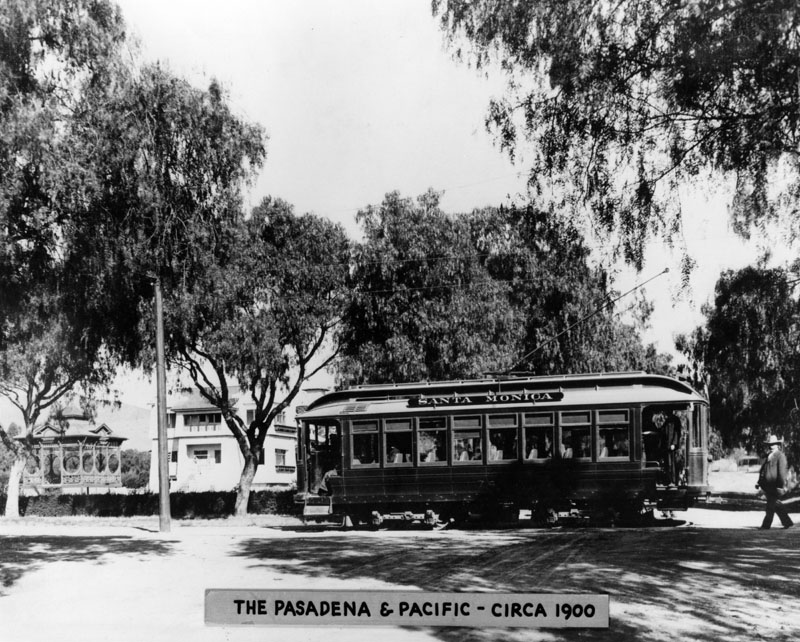
Pasadena’s rise was tied to transportation.
Railroads and streetcars made it possible for Pasadena to function as a suburb before Southern California became dominated by cars. People could live in a quieter, greener environment while still staying connected to Los Angeles.
That was a major shift.
Today, we take suburbs for granted. But in the late 19th century, Pasadena helped define what an elite Southern California suburb could be: close enough to the city, but separate enough to feel like an escape.
That is still part of Pasadena’s appeal today. It has access to Los Angeles, but it does not feel swallowed by Los Angeles. It has its own downtown, its own architecture, its own institutions, and its own civic identity.
Pasadena Sold Itself With Flowers
One of the smartest marketing moves in Pasadena history was the Tournament of Roses.
In 1890, members of the Valley Hunt Club staged the first Tournament of Roses to promote Pasadena’s mild winter climate. The point was simple: while much of the country was buried in snow, Pasadena could show off flowers, sunshine, and outdoor celebration.
That is brilliant real estate marketing.
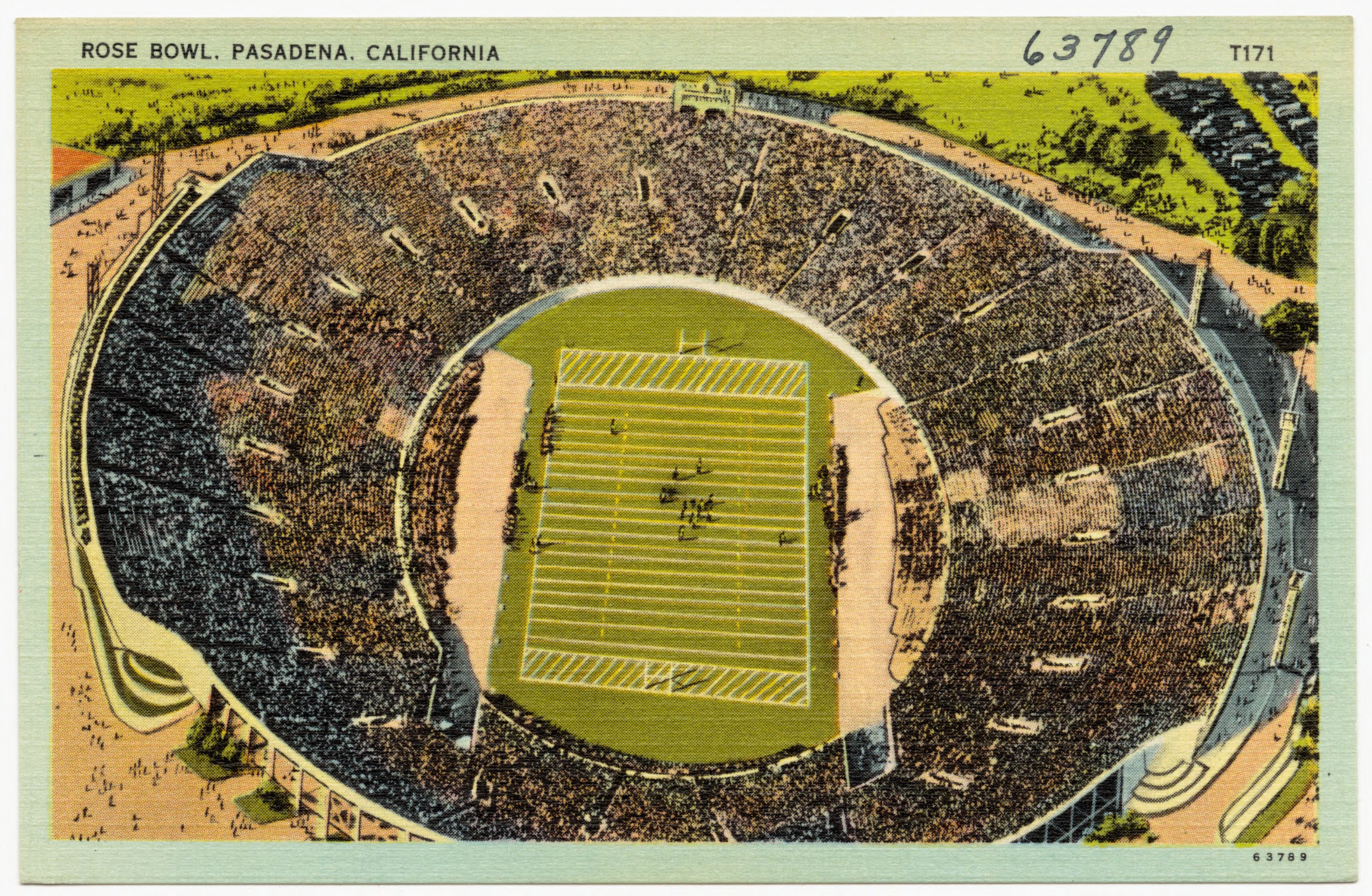
Eventually, the Rose Parade and the Rose Bowl became national institutions. The Rose Bowl Stadium opened in the 1920s and became one of the most famous venues in American sports.
The reason this matters for Pasadena real estate is that the city did something very few places manage to do. It created a civic brand that lasted.
Pasadena became associated with beauty, order, tradition, and celebration. That brand helped distinguish it from other suburbs and gave the city a cultural identity bigger than its population.
Pasadena Became a Cultural City, Not Just a Pretty One
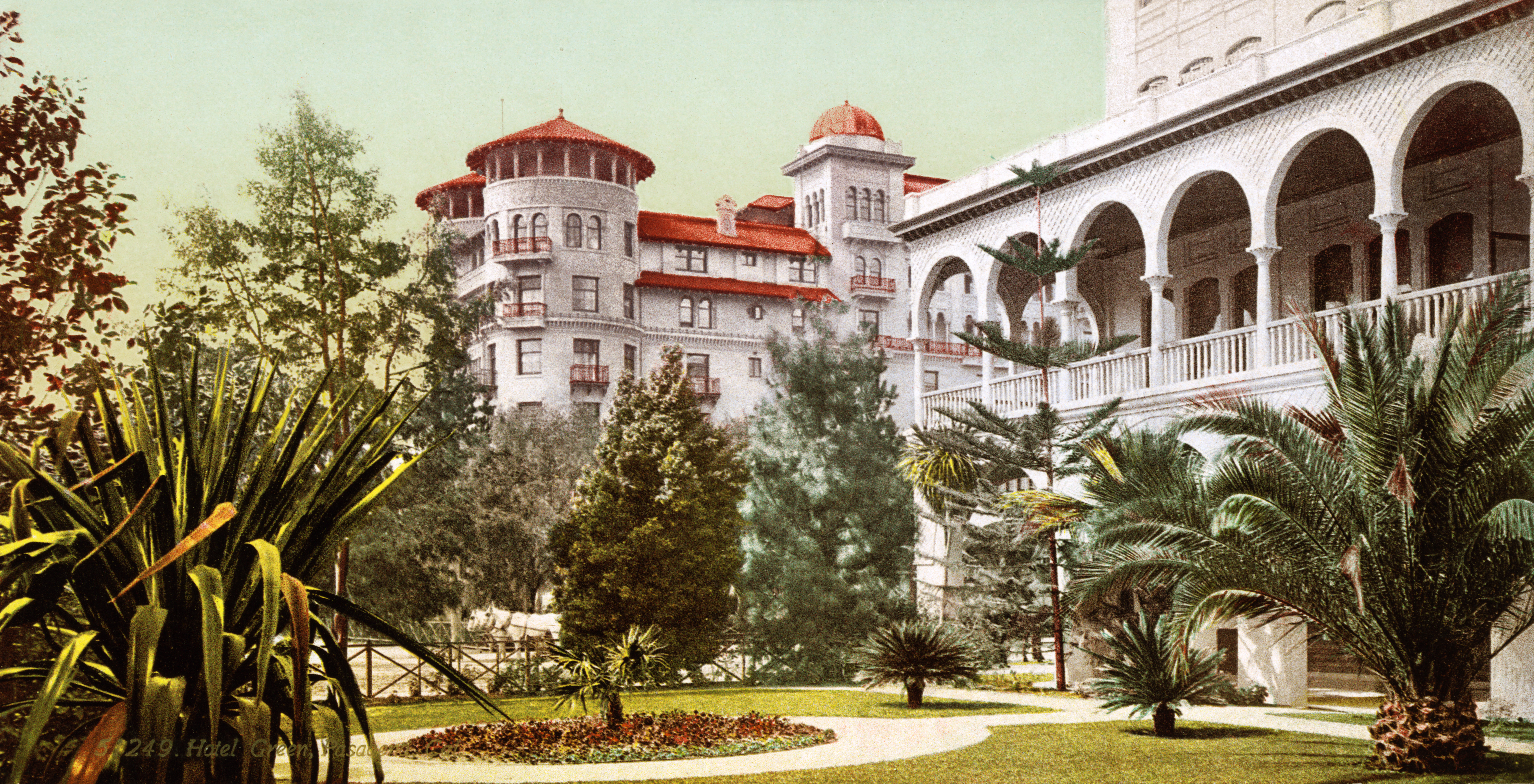
Pasadena’s early success brought hotels, theaters, universities, and cultural institutions.
Hotel Green helped establish Pasadena as a winter resort destination. Caltech grew into one of the most important scientific institutions in the world. The Pasadena Playhouse became one of the most important theaters in California.
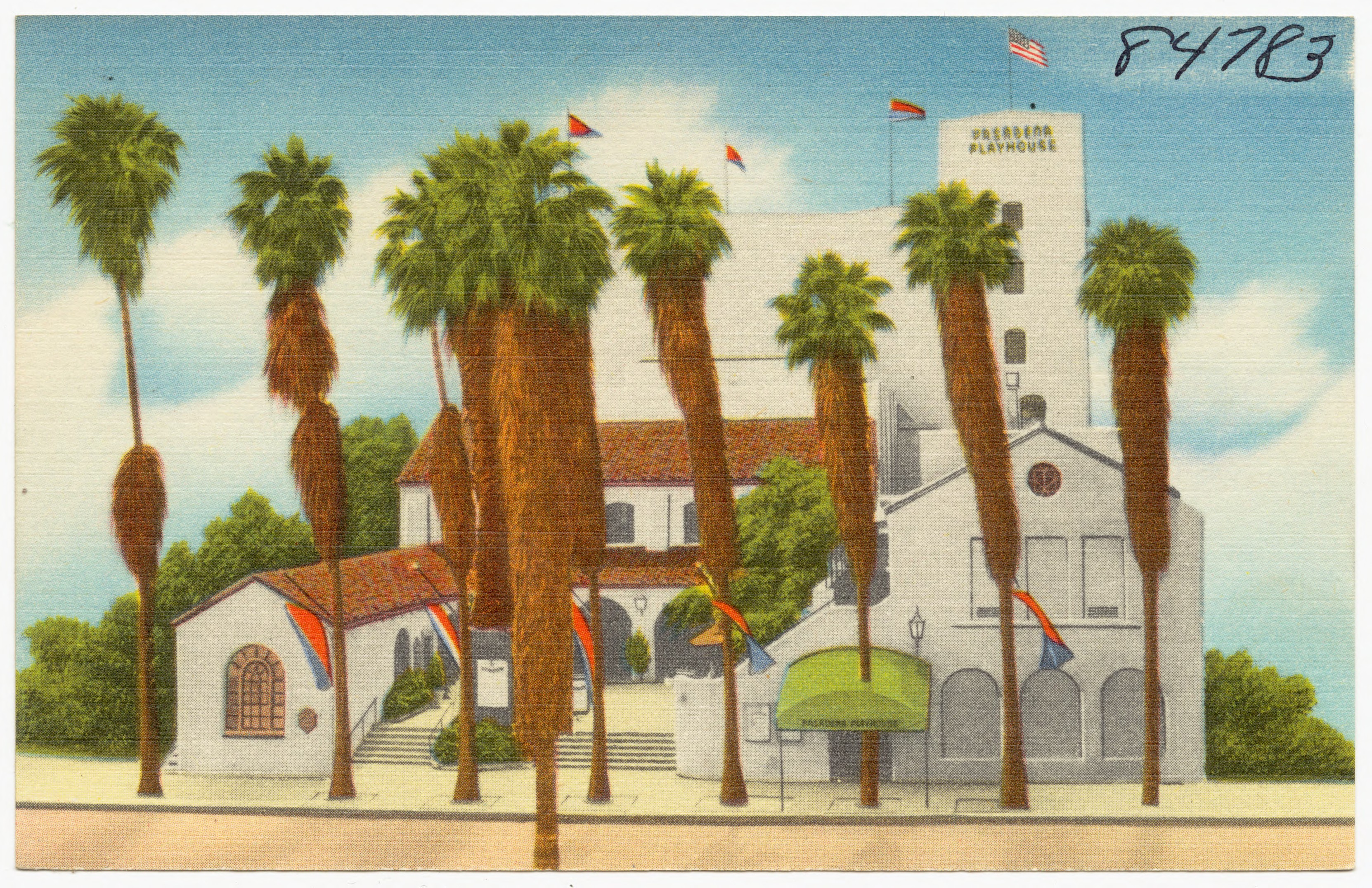
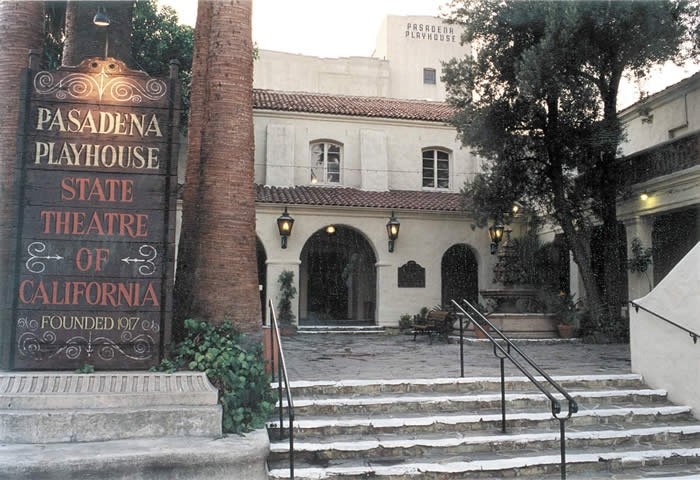
The Pasadena Playhouse was founded in 1917 and later became the official State Theatre of California. The Playhouse describes itself as internationally recognized for its role in American theater, with more than a thousand productions and hundreds of world premieres in its history.
That is what separates Pasadena from many other suburbs.
It is not just residential. It has depth. It has institutions. It has places people come to even if they do not live there.
That kind of civic infrastructure matters in real estate because it creates durable demand.
Craftsman Architecture Became Pasadena’s Calling Card
If Pasadena has one architectural identity that people associate with it most strongly, it is Craftsman.
The Gamble House is the obvious masterpiece. Built in 1908 for David and Mary Gamble and designed by Greene and Greene, it is widely recognized as one of the most important examples of the American Arts and Crafts movement.
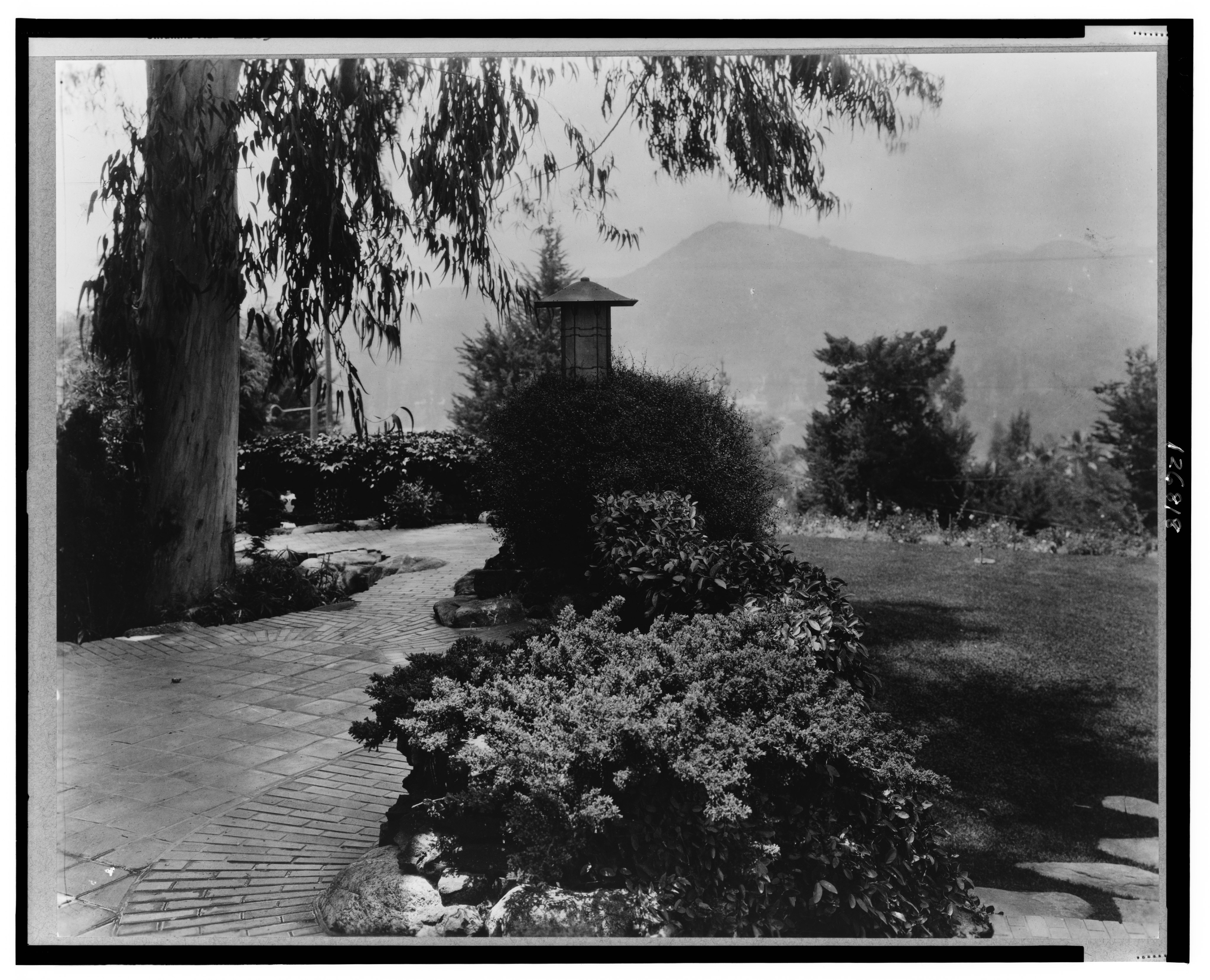
But the real power of Pasadena is that the Gamble House is not an isolated landmark.
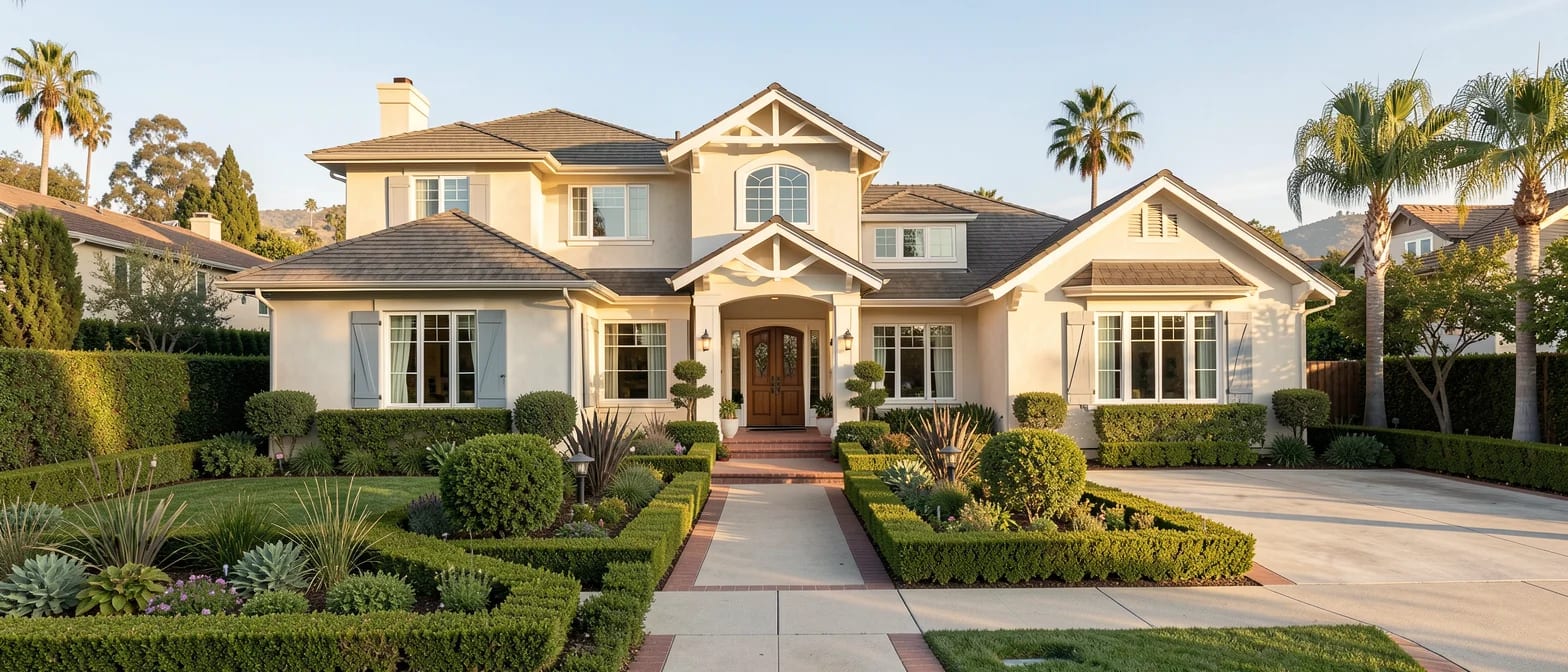
The city has entire neighborhoods filled with architectural character: Craftsman homes, Spanish Colonial Revival homes, English Tudors, bungalows, grand estates, and historic apartment buildings.
That is a huge part of Pasadena’s market appeal.
In many parts of Los Angeles, buyers have to choose between location and character. In Pasadena, they can often get both. That does not mean it is cheap. But it does mean the value feels rooted in something real.
A restored Craftsman in Pasadena is not just an old house. It is part of a larger architectural ecosystem.
Pasadena Was Almost Damaged Beyond Repair
Pasadena’s comeback story matters because the city was not always treated as something worth saving.
Like many American downtowns, Pasadena struggled in the mid-20th century. Retail moved. Shopping patterns changed. Cars and freeways reshaped the region. Older commercial buildings became neglected. In the 1960s and 1970s, parts of Old Pasadena were seen less as historic assets and more as obsolete structures waiting to be replaced.
The City of Pasadena’s own history notes that freeway plans removed land from the tax rolls and affected lower-priced housing occupied by minorities, older residents, and low-income families. It also notes that the 1970s brought economic revitalization efforts, with Old Pasadena later transformed into a major restaurant and entertainment destination.
This is where Pasadena’s story gets especially interesting.
A lot of cities demolished their way through decline. Pasadena eventually chose a different path. It began to understand that the old buildings were not the problem. They were the advantage.
Old Pasadena Became the Comeback
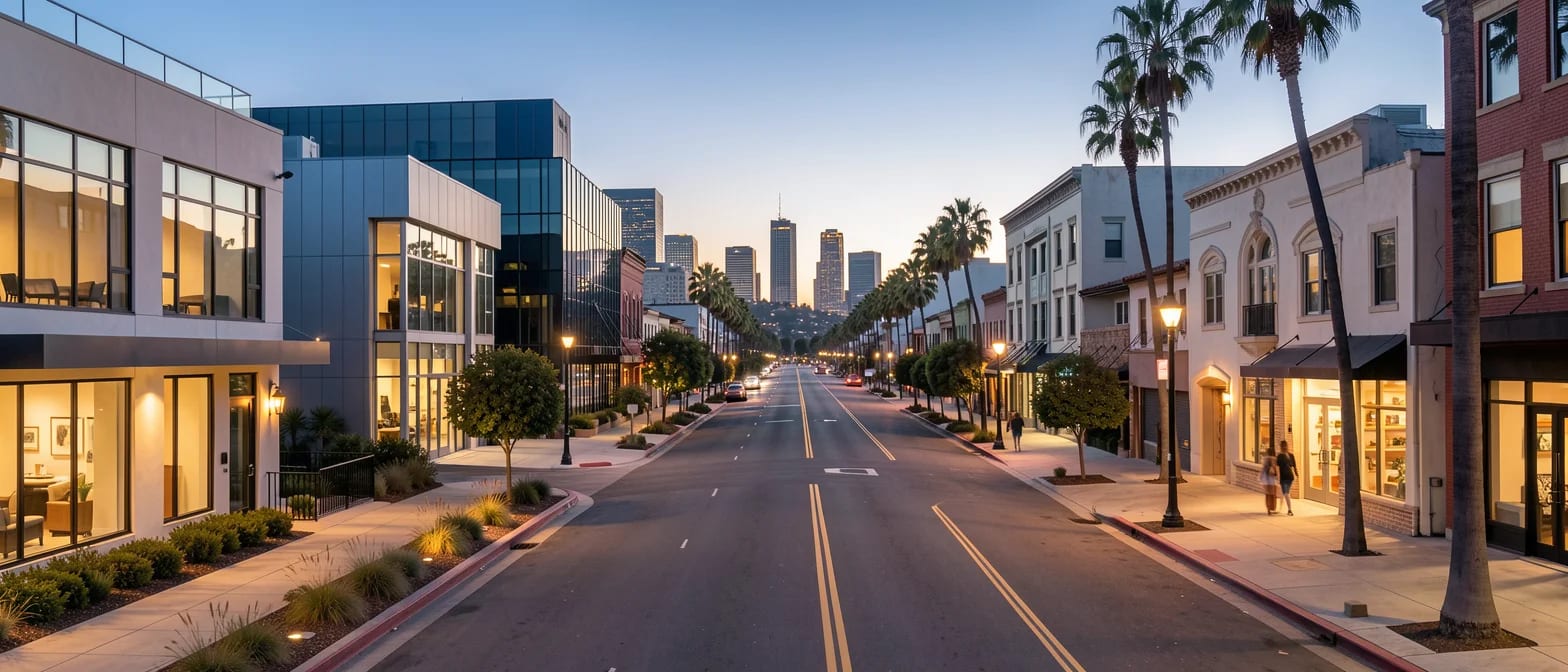
Old Pasadena is one of the best downtown revitalization stories in Southern California.
The district went through decades of decline and neglect in the 1960s and 1970s before its revival took hold in the 1980s and 1990s. Today, Old Pasadena describes the area as a district with nearly 150 years of history and a comeback built on the architectural and cultural value of the old commercial core.
That is the real lesson.
Old Pasadena works today because it does not feel like a mall pretending to be a city. At its best, it feels like a real downtown that was rescued, restored, and adapted.
Yes, some of it can feel polished now. Some of the retail can feel national or predictable. But the streets, façades, alleys, and building stock are not manufactured. They are real.
That matters because people can feel the difference.
In real estate, authenticity is hard to fake. Pasadena has it because it preserved enough of the original fabric to make the modern version believable.
What Pasadena Buyers Are Really Paying For
For buyers, Pasadena offers something very specific.
It is not just another place to buy a house near Los Angeles. It is a city with history, architecture, schools, culture, mountains, walkable districts, and a strong sense of identity.
But Pasadena is also a highly segmented market.
A home in Bungalow Heaven is not the same as a condo near Old Pasadena. A property in Madison Heights is not the same as one near the Arroyo. A historic Craftsman near the Playhouse District is not the same as a hillside estate near Linda Vista or San Rafael.
The block matters. The historic designation matters. The condition matters. The permitting constraints matter. The parking matters. The architecture matters.
That is why Pasadena buyers need more than square footage and comps. They need context.
What Pasadena Buyers Are Waiting For
Like the rest of Los Angeles, Pasadena is dealing with an affordability problem.
Freddie Mac reported that the average 30-year fixed mortgage rate was 6.55 percent as of July 16, 2026. At that level, even buyers who love Pasadena are more cautious about monthly payment, condition, renovation cost, and long-term value.
But in Pasadena, the best homes do not always wait for perfect market conditions.
That is especially true for character homes in good locations. A well-preserved Craftsman, a Spanish home on a beautiful street, a walkable property near Old Pasadena, or a house in one of the city’s most loved neighborhoods can still attract serious demand because the supply is limited.
For sellers, that means pricing still matters, but so does storytelling.
A Pasadena listing should not just say “three bedrooms, two bathrooms.” It should explain the architecture, the neighborhood, the proximity to civic life, the historic character, and why the property is part of Pasadena’s larger story.
That is what buyers are really paying for.
The Real Estate Takeaway
Pasadena is valuable because it has layers.
It was a climate dream, a railroad suburb, a winter resort, a Rose Parade city, a cultural center, a Craftsman capital, a downtown preservation story, and now one of the most desirable real estate markets in the San Gabriel Valley.
A lot of places try to create charm after the fact. Pasadena had it, nearly lost it, and then chose to protect it.
That is why the city works.
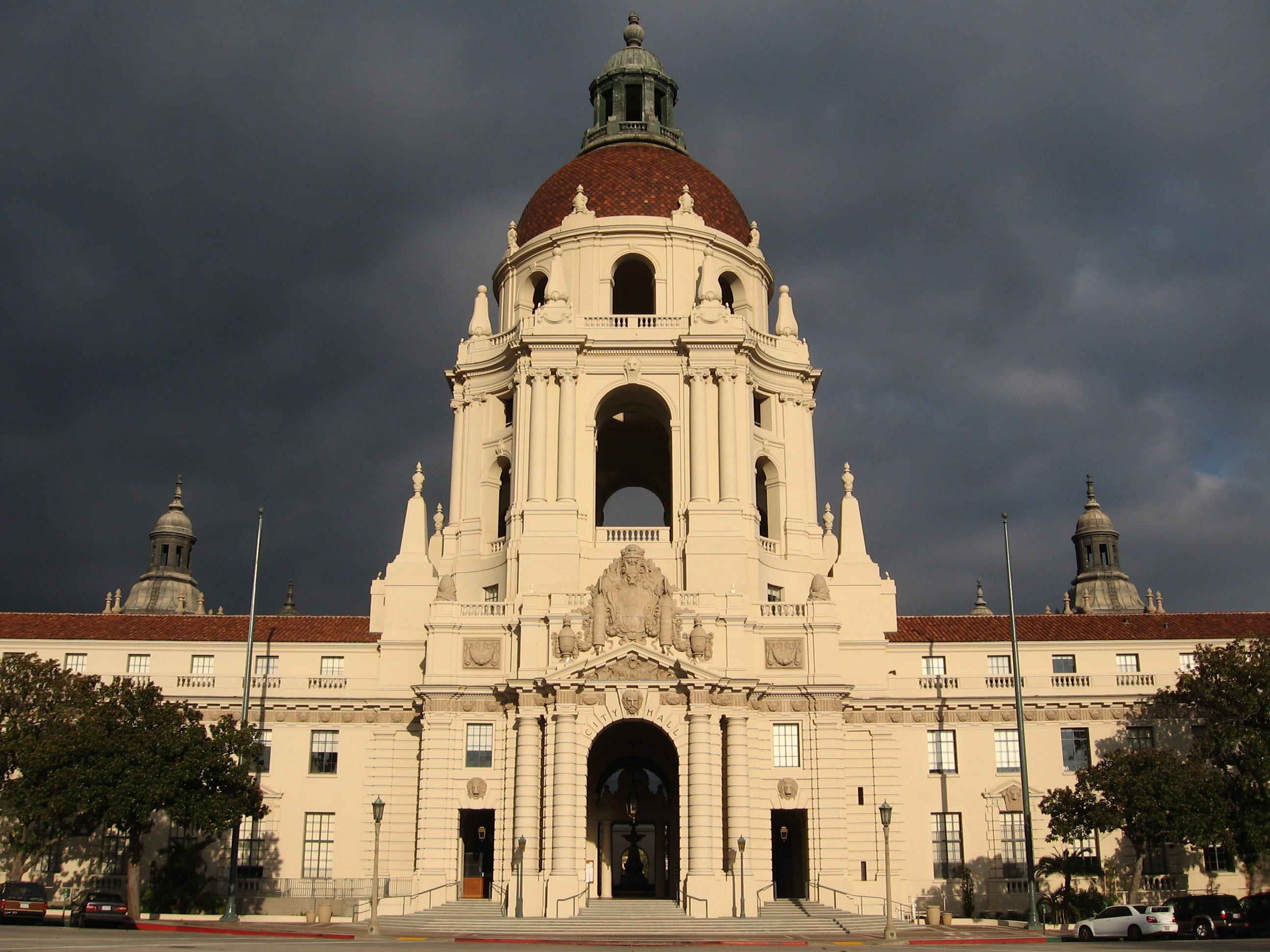
The best parts of Pasadena do not feel like they were invented yesterday. They feel accumulated. The buildings, bridges, theaters, gardens, streets, and civic landmarks all tell the story of a city that has been important for a long time.
That history is part of the value.
If you are considering buying or selling in the area, contact Tyler Neale. I can help you understand not just the price, but the architecture, neighborhood boundaries, historic context, and long-term value behind one of Southern California’s most distinctive cities.