

A Hollywood Hills address can come with a remarkable view—and a road that deserves a closer look. From narrow turns and parking to private-road maintenance and emergency access, the details can shape daily life, ownership costs, and a sale. Here’s how to investigate them before making a decision.
The road is part of the property story
A drive through the Hollywood Hills can change quickly from a broad boulevard to a winding residential lane. A home’s approach may include a steep grade, a tight bend, limited curb space, or a driveway tucked behind a gate. None of these features automatically makes a property a poor choice, but each is worth understanding in the context of how the home will be used and maintained.
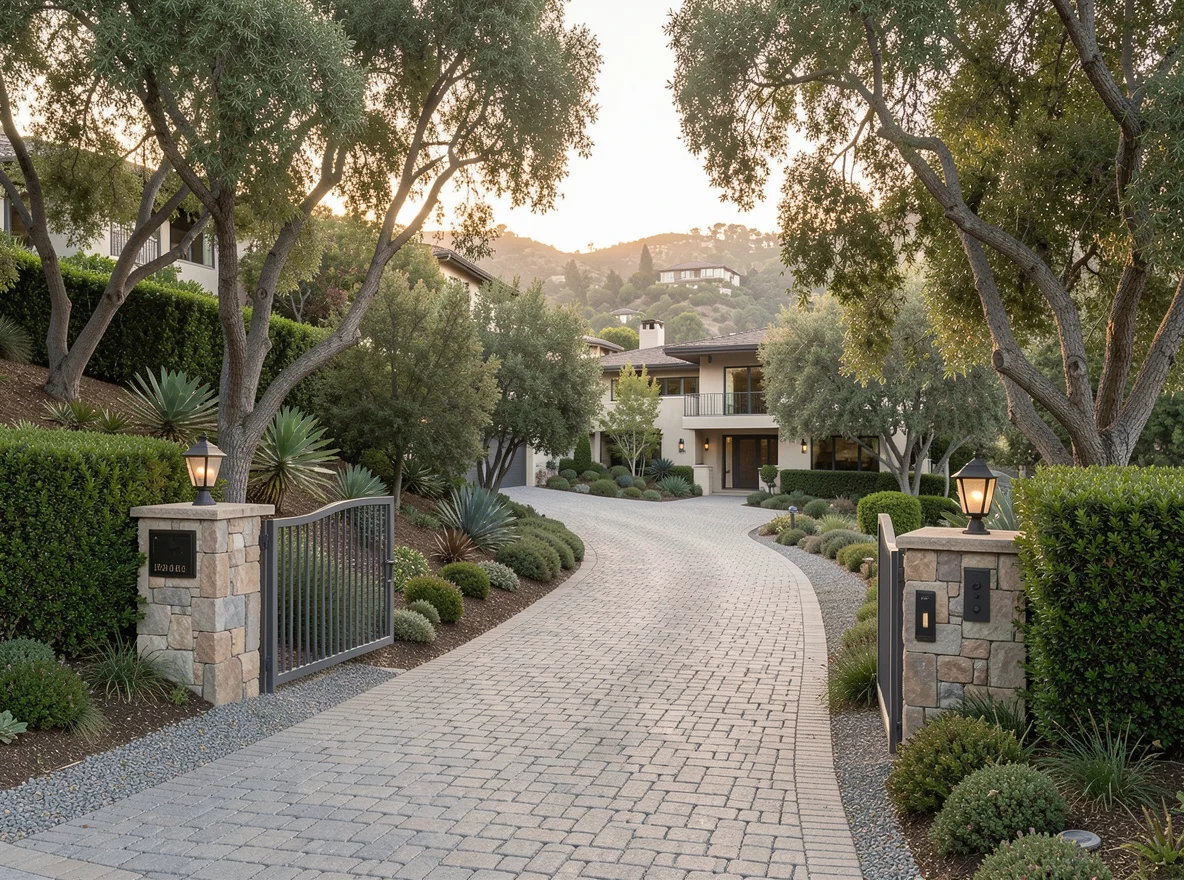
For buyers, the best starting point is to experience the route rather than relying on a map or listing photos. Drive the approach in the vehicle you normally use, notice where two cars can pass, and check the turns into and out of the driveway. Visit at different times if possible: daytime deliveries, evening traffic, and street parking can make the same route feel different. If you use a larger vehicle, consider whether its turning radius and ground clearance suit the approach.
Sellers can use the same exercise to anticipate practical questions. A property with a narrow approach may show better when visitors have clear arrival directions and know where to park legally. Share accurate information about the route with your agent, including any gate procedures or access limitations. The goal is not to gloss over challenges; it is to help buyers understand the property and arrive ready to appreciate its architecture, setting, and views.
A driveway test matters as much as the drive up the hill: check the turn, slope, clearance, and room to maneuver before deciding how well a property works for you.
Look beyond the pavement as well. Drainage channels, retaining walls, vegetation, utility equipment, and roadside grading can affect what maintenance a property needs. Their condition and responsibility are property-specific, so use observations as a starting point for questions—not as a substitute for inspections or a review of records.
Search Hollywood Hills listings
Public street or private road?
A road that looks like an ordinary neighborhood street is not necessarily publicly maintained. Some properties are reached by private roads or shared driveways, and the answer can affect repairs, insurance, financing, and the documents a buyer should review. Confirm the status of the specific route with the relevant public agency and through the property’s title and transaction records.
For a private approach, ask who owns the land beneath the road, who has the legal right to use it, and who pays for upkeep. An easement may grant access across another parcel, but its terms matter: review its location, permitted uses, and any obligations it creates. A title officer or real estate attorney can help explain recorded documents and identify questions that need further investigation.
If there is a road maintenance agreement, read it rather than assuming costs are divided evenly. Look for how contributions are calculated, how decisions are made, what happens when major repairs are needed, and whether there are outstanding assessments or disputes. Ask for available invoices, budgets, and records of recent work. A lender may also have requirements concerning access or maintenance, so raise the issue early in the financing process.
Questions to put on your list
- Is the road public, private, or a combination along the route to the home?
- Is legal access documented from the property to a public road?
- Who is responsible for pavement, drainage, retaining structures, gates, and vegetation?
- Are there written agreements, recurring contributions, or planned repairs?
- Do any parking, gate, or access restrictions apply to the property?
A paved road is not proof of public maintenance. Verify ownership, access rights, and repair obligations separately.
Parking, deliveries, and everyday access
Hillside parking can be a meaningful part of a home’s utility. Count the spaces that are actually usable, including garage and driveway spaces, and consider their dimensions and slope. Confirm posted street restrictions rather than assuming nearby curb space is available. If the driveway crosses a sidewalk or includes a shared entrance, ask about any rules affecting its use.
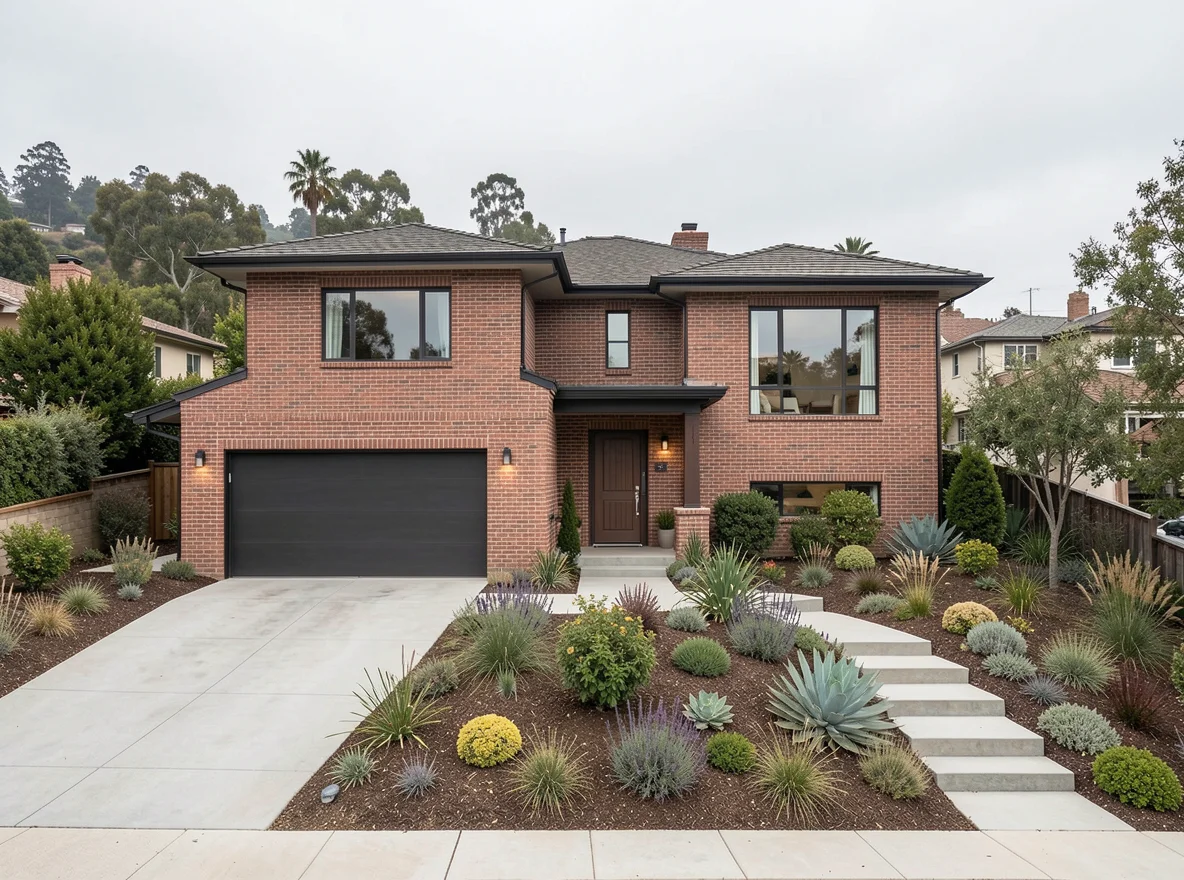
Think through ordinary arrivals as well as occasional ones. Where can a delivery vehicle stop? Is there a place for a moving truck to load or unload without blocking the road? Can service providers reach the entrance and carry equipment safely? The answers may differ from one property to the next, particularly where a staircase separates the parking area from the front door.
For sellers, a straightforward showing plan can prevent confusion. Provide visitors with parking instructions, explain the location of the entrance, and make sure the route is clear. Avoid promising that a vehicle will fit or that a curb space is always available; invite buyers to verify the details that matter to them. If access depends on a gate code or appointment, coordinate it in advance so the visit starts smoothly.
Inspect the road and the hillside together
Road conditions are closely connected to water movement on sloped terrain. During a property inspection, ask about visible cracking, drainage patterns, pavement settlement, retaining walls, and signs of past repairs. A general inspection may identify issues that warrant a specialist, such as a civil or geotechnical engineer. The right scope depends on the property and the concerns uncovered—not every crack means a major problem.
Request available permits, plans, inspection reports, and repair records for relevant improvements. If work is planned, ask qualified professionals and the appropriate jurisdiction about permit requirements and any constraints on access or construction. Confirm whether the work would affect a shared road or require another owner’s permission. Estimates can be useful, but obtain them for the actual conditions rather than relying on a generic hillside budget.
Insurance deserves an early conversation, too. Ask an insurance professional about available coverage, exclusions, deductibles, and the information needed to quote the property. Where wildfire exposure is a concern, discuss the property’s specific risk and applicable requirements. Coverage availability and costs can change, so obtain current information before removing any applicable contingencies.
Plan for emergencies and future work
Emergency access is an important question on any hillside route. Buyers can ask the local fire authority about applicable access and vegetation requirements, and check official evacuation information for the property. Do not assume that a road’s appearance establishes compliance or that a single route will always be available. Sellers should disclose known access issues and provide relevant documentation as required.
Consider future projects before making assumptions about what can be built. A renovation may involve contractors’ vehicles, material deliveries, staging, and possible road or parking restrictions. Ask the appropriate agencies and qualified professionals what approvals or logistics may apply. If the road is shared, review any agreement for provisions about construction traffic and damage.
Make the next move with better information
For buyers, the most useful road review combines a firsthand visit with title documents, disclosures, inspections, and conversations with the lender and insurer. For sellers, gathering available records and explaining the property’s access clearly can make the listing story more complete. Tyler Neale can help buyers and sellers organize these questions as part of a broader Hollywood Hills real estate plan, while the relevant specialists address legal, engineering, and insurance matters.