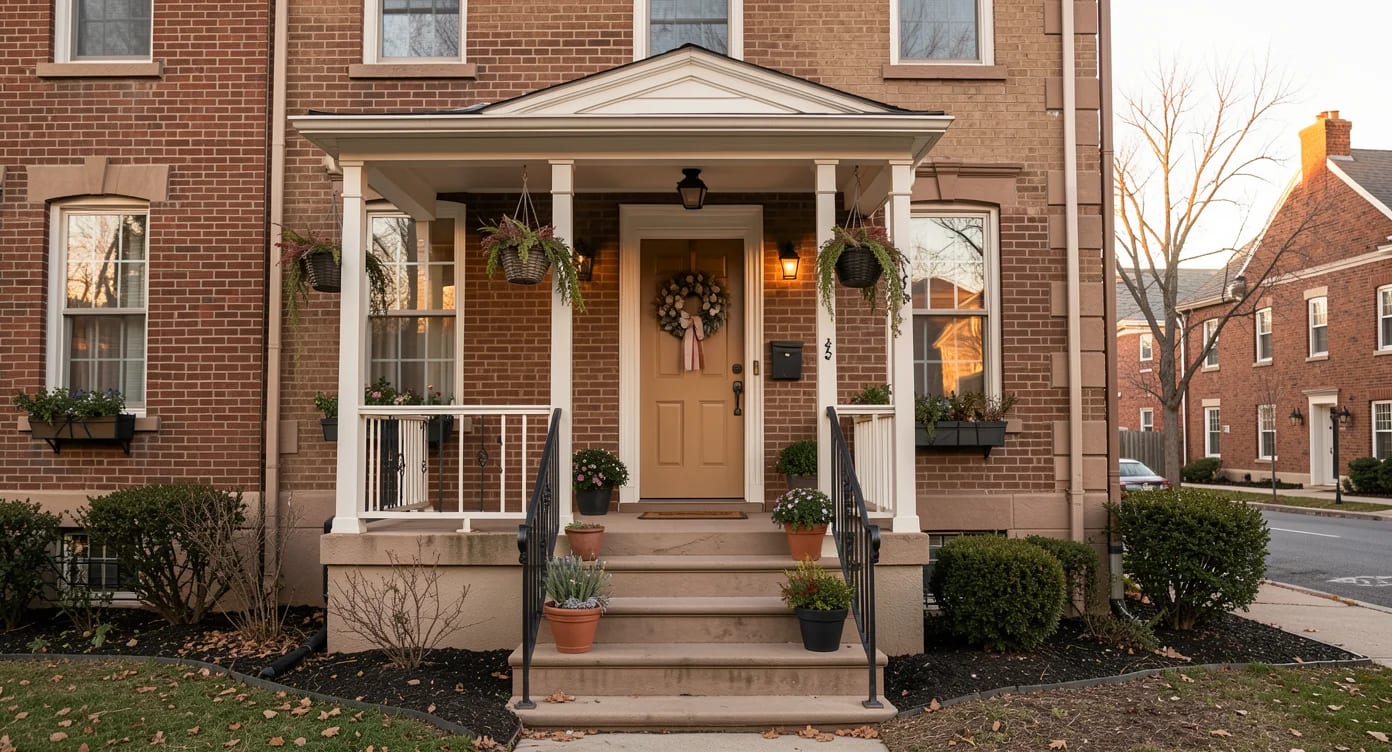
A Hancock Park home inspection can reveal important details about aging systems, past renovations, and future maintenance costs. Understanding the scope of the inspection and the deadlines in your offer helps you make decisions before you commit to the purchase.
Look Beyond the Architecture
Hancock Park’s period architecture can make a memorable first impression, from decorative plasterwork to tile roofs and established gardens. But a home’s appearance tells only part of its story. An inspection gives buyers an opportunity to examine accessible components, ask questions, and consider how the property has been maintained and updated over time.

Many homes in the neighborhood date from the early twentieth century, although their condition and renovation histories vary. One property may have updated plumbing and electrical systems; another may retain older components behind beautifully preserved finishes. Even a recently renovated home deserves a close look at the work that may not be visible during a showing.
A general home inspection is typically a visual, noninvasive evaluation of readily accessible areas and systems. The inspector’s report can flag apparent defects, maintenance needs, and items that warrant further investigation. It is not a guarantee that every issue will be discovered, and the inspector may not be able to evaluate areas blocked by stored belongings or otherwise inaccessible.
Before booking, ask prospective inspectors about their experience with older Los Angeles homes, the scope of their work, and when the written report will be available. Buyers usually pay for their own inspections, so request a fee quote and confirm whether any desired services require separate appointments.
Plan Around Your Contract Deadlines
Inspection timing depends on the terms of your accepted purchase agreement, not on a universal calendar. Review the investigation contingency, any related deadlines, and the process for requesting more time with your agent before signing. If you intend to order specialist evaluations, line them up as early as possible so their findings can be reviewed while your options remain available under the agreement.
A general inspection and a specialist’s follow-up may require separate appointments. Build enough time into your investigation plan to receive reports, ask questions, and obtain estimates before your applicable deadline.
Ask your agent to help track when notices or contingency removals are due and how they must be delivered. Do not assume an extension is automatic or that a request for repairs pauses the clock. Contract terms and circumstances differ, and missing a deadline or removing a contingency can affect your options and deposit. For legal questions about your rights, consult a California real estate attorney.
Whenever practical, attend the inspection or arrange time to discuss the findings with the inspector. Seeing the location of a leak, electrical panel, or foundation crack can make the written report easier to understand. Take notes, but allow the inspector to work; the written report and recommended follow-up are what you will want to review carefully afterward.
Focus on the Systems Behind the Finishes
For a period property, the most useful questions often concern what has been replaced, what remains original, and whether a qualified specialist should evaluate an issue further. The general inspector can help identify visible concerns, but specialized assessments may be appropriate depending on the property and report.
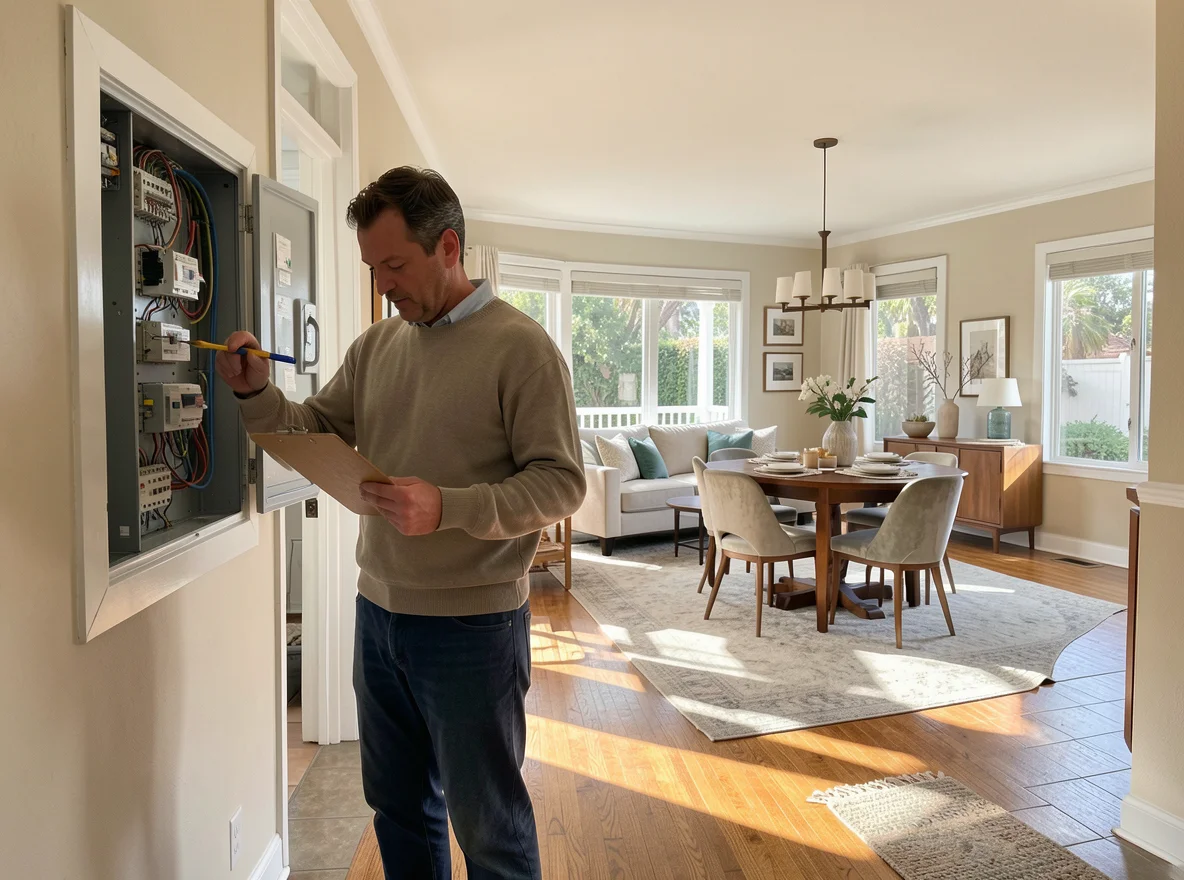
Foundation and seismic considerations: Ask about visible cracking, movement, drainage, and any signs of prior repairs. A general inspector may recommend a structural engineer when conditions warrant one. In earthquake-prone Southern California, buyers may also want to ask a qualified professional about the home’s seismic retrofitting and what improvements might be appropriate.
Plumbing, sewer, and electrical: Older supply lines, drains, and electrical components may have been replaced in stages. Ask what materials are visible, whether the panel and outlets show concerns, and what could not be assessed. A separate sewer camera inspection can provide information about the accessible sewer line that a general visual inspection normally cannot.
Roof, moisture, and wood: Request information about roof condition, drainage, and evidence of water intrusion. A roofing professional can evaluate concerns in greater detail. A separate wood-destroying pest inspection can address accessible evidence of termites or other wood-destroying organisms; its scope and responsibility for payment should be confirmed in advance.
Investigate Renovations and Historic Rules
Seller disclosures, available permits, and inspection findings are most useful when considered together. Ask for records of major renovations, roof work, seismic upgrades, and system replacements, then compare them with what the inspector observes. If a room addition or conversion raises questions, check available city records and consult the appropriate professionals rather than assuming the space was permitted.
Hancock Park includes a designated Historic Preservation Overlay Zone, but protections and requirements depend on the property’s location and designation. If exterior alterations or an addition are part of your plan, verify the property’s status and discuss applicable review requirements with the City of Los Angeles before relying on a renovation budget or schedule.
A polished renovation does not confirm that every underlying system was replaced or that every alteration was permitted. Review available records alongside the inspection report.
Older homes may also contain lead-based paint or asbestos-containing materials. A general inspection does not necessarily test for either. If the home’s age, planned work, or visible conditions raise concerns, discuss appropriate testing and safe handling with qualified professionals. For applicable pre-1978 housing, review the lead-based paint disclosures and related rights provided during the transaction.
Turn Findings Into a Decision
Inspection reports can be long, and not every item carries the same weight. Separate immediate concerns from routine maintenance and potential future projects. Ask specialists for written estimates when practical, including the scope of work and any further investigation needed. Estimates are not guarantees, but they can help you compare the cost and disruption of different options.
Depending on your contract and the circumstances, you may choose to proceed, request repairs or a credit, negotiate another solution, or exercise a contractual right to cancel. Sellers are not automatically required to agree to every request. Even a property offered “as is” may still allow investigations and other options under the agreement; review the specific terms with your agent and, when appropriate, an attorney.
Keep financing in view as well. An appraisal is different from a home inspection: it addresses the lender’s valuation requirements rather than providing a comprehensive condition report. Ask your lender how significant property-condition findings, insurance availability, or a proposed seller credit could affect loan approval and closing. Obtain insurance quotes early, especially when a report identifies conditions an insurer may want addressed.
Prepare for the Next Step
Before closing, confirm in writing how any agreed repairs will be documented and whether a final verification or walk-through is appropriate under your contract. Keep the inspection report, disclosures, estimates, and repair records together; they can become a useful starting point for future maintenance planning.
The goal is not to find a home with an empty report. It is to understand the property well enough to weigh its character, condition, and costs with confidence. If you are beginning your search, explore available Hancock Park listings with inspection questions in mind.