
A Hollywood home doesn’t need a complete makeover to make a memorable first impression. Thoughtful staging, smart repairs, strong photography, and a price grounded in comparable sales can help buyers appreciate what makes your property distinctive. Here’s how to decide where to focus before the listing goes live.
Start With the Home You Have
A successful presentation begins with a clear-eyed look at the property, not a shopping list of trendy furniture. Hollywood homes can vary in architecture, layout, and setting, so the most useful staging plan highlights the features that are actually there. An inviting courtyard, original details, generous windows, or a flexible floor plan may be more compelling than a room filled with new accessories.
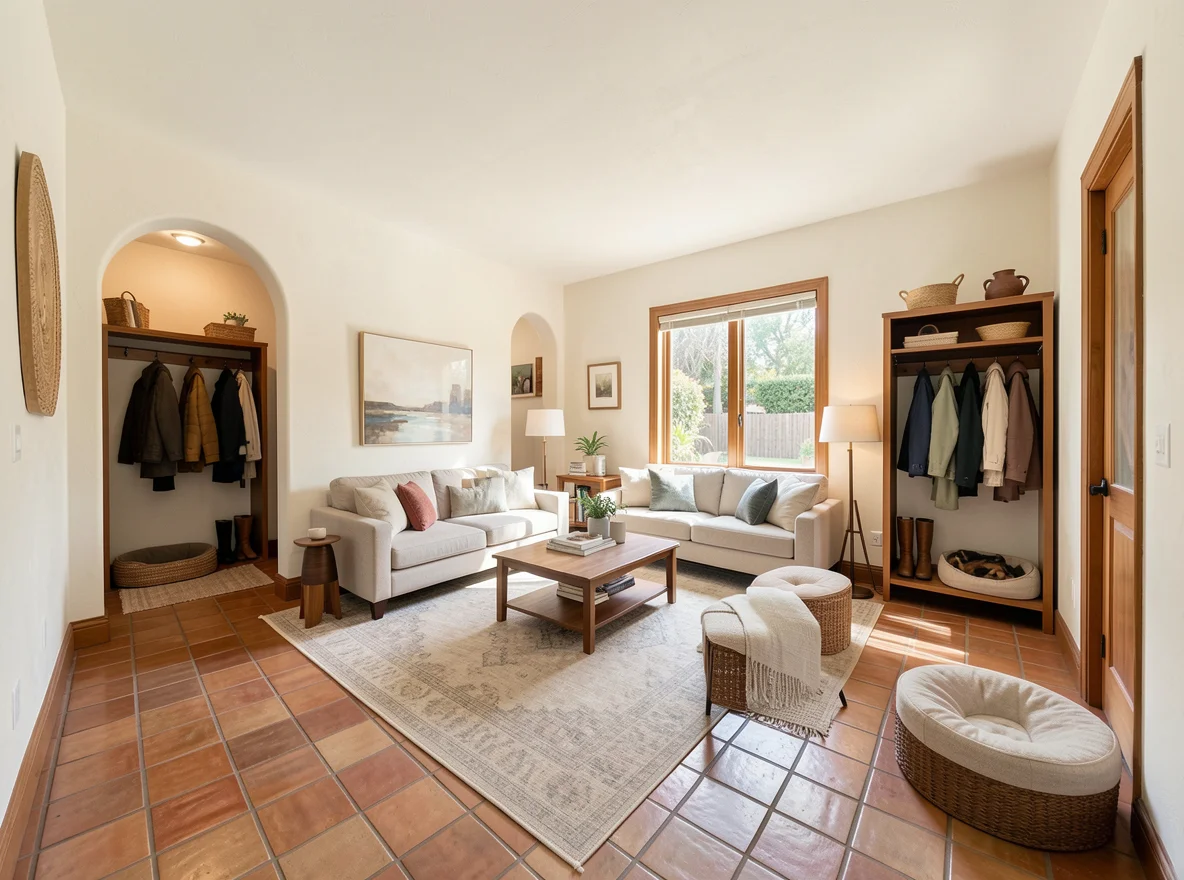
Walk through the front door as if you’re seeing the property for the first time. What catches your eye? Is there a clear path through the room? Can you see the windows and architectural details without looking past oversized furniture or crowded shelves? Take a few phone photos from each doorway; a camera often reveals visual clutter that is easy to overlook in everyday life.
Next, separate preparation from staging. Preparation includes cleaning, maintenance, and repairs. Staging is the arrangement and presentation that helps visitors understand the space. Both matter, but a beautiful sofa won’t solve a dripping faucet or a sticky door. Address the basics first, then decide which rooms would benefit most from furnishings or styling.
Before buying décor, photograph each room from the doorway. The pictures can reveal blocked windows, crowded walkways, and other distractions worth addressing first.
If your budget is limited, focus on the entry, living area, kitchen, and primary bedroom. These spaces help establish the overall impression of the home. A professional stager may recommend using pieces you already own, adding a few rentals, or furnishing an empty property; ask for an itemized proposal and compare the cost with your broader selling budget.
Make Each Room Easy to Understand
The aim is not to erase character. It is to make the layout, scale, and features easier to see. Remove excess furniture, clear countertops, and leave enough space to move comfortably between rooms. Pack collections and personal items you won’t need before moving, and store valuables and sensitive documents securely.
Use light and furniture with intention
Clean windows, open blinds, and replace burned-out bulbs before photography and showings. Choose consistent light temperatures within a room where practical, and use lamps to brighten dim corners. Avoid blocking a view or natural light source with furniture; a modest rearrangement can do more for a room than an expensive redesign.
Give each space an apparent purpose without overstating its size. A small desk can show how an alcove might function, while a properly scaled dining table can clarify an open-plan area. Keep closets tidy enough to show their usable storage, but don’t hide belongings in appliances or cupboards that buyers may reasonably want to inspect.
In the kitchen and bathrooms, a deep clean is often more useful than a last-minute cosmetic overhaul. Clear most everyday products, refresh worn caulking where appropriate, and make sure fixtures work properly. If a repair suggests a larger issue, investigate it rather than covering it up, and discuss applicable disclosure obligations with your agent.
Show the Outdoor Space Honestly
Outdoor areas can be an important part of a home’s presentation, whether the property has a courtyard, a balcony, or a compact patio. Sweep hard surfaces, trim overgrown plants, and make sure doors and gates open easily. A clean table and a pair of chairs can help communicate how much space is available without making the area feel crowded.

At the entrance, look for simple details that affect the first few minutes of a visit: a working porch light, clean door hardware, and a clear path to the front door. For a condominium, check any association rules before changing shared areas or placing items outside the unit. The goal is a cared-for appearance that respects the property and its surroundings.
For homes with a view, keep sightlines open and ask the photographer about the best time of day to capture it. The same principle applies to indoor-outdoor connections: open the appropriate doors or arrange furniture to show how the spaces relate, provided the photograph remains a truthful representation of the property.
A courtyard or balcony doesn’t need elaborate furniture. Clean surfaces, an unobstructed path, and appropriately scaled seating can make its dimensions easier to understand.
Be equally straightforward about condition. Staging should never conceal water damage, drainage concerns, or another known defect. Keep records of maintenance and completed work, and ask your agent which documents and disclosures to prepare. A polished presentation and a transparent sale should go together.
Pair the Presentation With a Pricing Plan
Even the most inviting rooms need a price that makes sense alongside the alternatives buyers are considering. Ask your agent to review recent comparable sales as well as active and pending listings. Look beyond the headline price: property type, location, square footage, condition, parking, outdoor space, and, where applicable, association fees can all affect the comparison.
For a distinctive home, the closest comparable sale may not be an exact match. Discuss how its differences affect the analysis, and ask what the available evidence does—and does not—support. Active listings show what sellers are asking; closed sales show completed transactions. Neither guarantees what your home will sell for, but together they can help inform a realistic launch strategy.
Consider your timing and priorities as part of that conversation. If comparable listings receive little interest, your agent can help you assess whether presentation, price, access for showings, or another factor may be contributing. Agree in advance on when you’ll review feedback and what information would prompt a change, rather than relying on a single comment or a predetermined price reduction.
Plan for Photos, Showings, and a Smooth Launch
Schedule photography after cleaning, repairs, and staging are complete. Walk through the property beforehand: make beds, clear cords where possible, straighten window coverings, and remove bins or cleaning supplies from view. If virtual staging is used, ensure it is clearly identified and accurately represents the room; it should not disguise permanent features or defects.
Create a short reset routine for showings so the home is easy to maintain after launch. Open the blinds, turn on appropriate lights, clear counters, and check the entry and outdoor areas. If the property is occupied, plan where you’ll keep everyday items between visits and coordinate reasonable showing arrangements with your agent.
Finally, review the proposed listing description and images before publication. Confirm that the details are accurate and that the strongest features are easy to find. Tyler Neale’s background in television and digital media production brings a storytelling perspective to that process, pairing a home’s visual presentation with the facts buyers need to evaluate it.
Learn about selling with Tyler
The strongest preparation plan is tailored to your property, budget, and timeline. Start with condition, give each space room to breathe, and work with your agent on a presentation and price supported by the available market evidence. The result is a listing that helps buyers see the home clearly from the first photograph through the final showing.