
The San Fernando Valley may be the most misunderstood part of Los Angeles.
For some people, “the Valley” means suburban sprawl, hot weather, strip malls, car culture and jokes about Valley girls. For others, it means Studio City, Sherman Oaks, Encino, Tarzana, Valley Village, Lake Balboa, Northridge, Reseda, Van Nuys, Woodland Hills and some of the most livable residential neighborhoods in LA.
Both versions are part of the truth.
The Valley is not one thing. It is a huge collection of neighborhoods with different price points, school districts, lot sizes, architecture, commute patterns and lifestyles. But what makes it really interesting is that the Valley as we know it was not inevitable.
It had to be engineered.
My take is that the modern San Fernando Valley is one of the clearest examples in Los Angeles of how infrastructure creates real estate value. Before the Valley became subdivisions, movie studios, aerospace jobs, shopping centers, cul-de-sacs and ranch houses, it needed water.
And that is where the whole story begins.
Today, the Valley is entering another infrastructure-driven chapter. The story is no longer only about aqueducts, subdivisions and postwar ranch houses. It is also about Warner Center, Rams Village, mixed-use development and whether the Valley can become more than a collection of suburbs. That is why this region is so interesting from a real estate perspective. The Valley keeps reinventing itself, but it always does it through land.
Before the Suburbs, There Was a Valley Waiting for Water
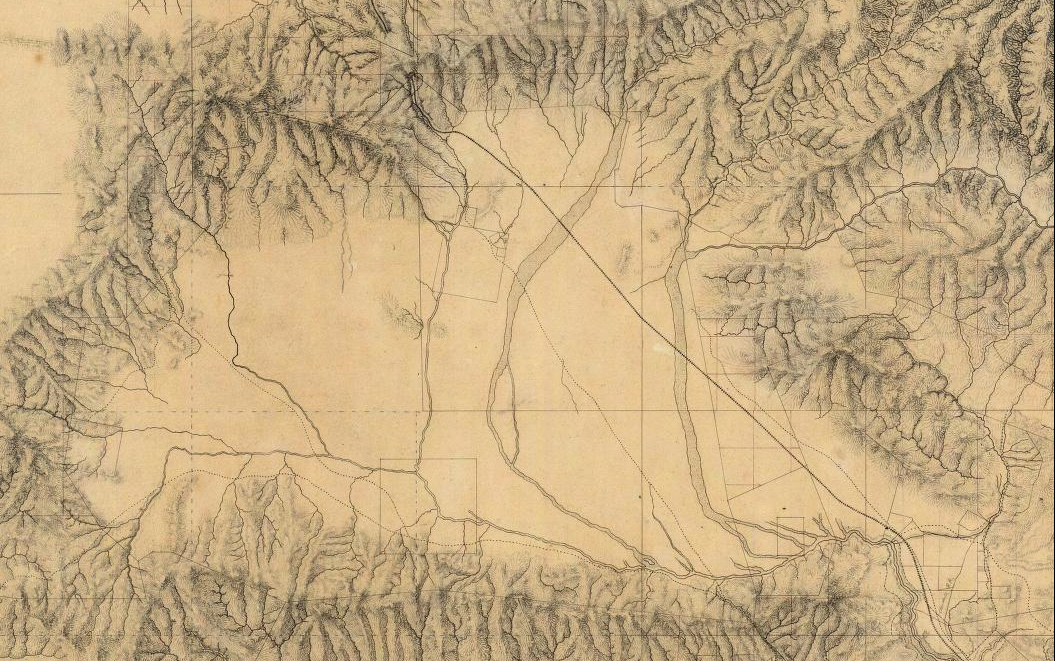
The San Fernando Valley had land. It had sunshine. It had access to Los Angeles. What it did not have was enough reliable water to support the scale of development that would eventually come.
That is the part people miss.
Los Angeles real estate has always depended on water. Not just ocean views, not just sunshine, not just the fantasy of California living. Actual water. Without it, the Valley could not have become the massive residential region it became.
The Los Angeles Aqueduct changed that. Under William Mulholland, Los Angeles built a 233-mile aqueduct from the Owens River to the city, designed to move water by gravity rather than by pumping. LADWP describes the system as an engineering plan that transported Eastern Sierra water to Los Angeles using gravity to keep it flowing.
That is why the Valley story feels almost ancient. The basic idea of moving water over long distances by gravity goes back to aqueducts long before Los Angeles existed. The Valley was not literally built by Rome, but it was built by the same kind of idea: control water, and you can control growth.
The Aqueduct Made the Valley Possible
On November 5, 1913, Owens Valley water reached the San Fernando Valley and Los Angeles for the first time. The California Supreme Court’s history of the water dispute notes that the first Owens water reached the Valley that day before being delivered into the city’s distribution system south of the Santa Monica Mountains.
That moment changed everything.
It was not just a public works project. It was a real estate event.
Once water arrived, the Valley became far more developable. Land that had been dry, rural and speculative suddenly had a future. The City of Los Angeles could grow north and west in a way that would not have been possible before.
This is where the story gets complicated. The Aqueduct was celebrated in Los Angeles as an engineering triumph, but it also created long-running conflict with the Owens Valley, where water was diverted away from local agriculture and communities. That tension is part of the moral complexity of Los Angeles growth. The same water that allowed LA to expand also came at a real cost somewhere else.
That is true of a lot of Los Angeles history. The city’s greatest real estate wins often have someone else’s loss attached to them.
Annexation Was the Real Estate Play
The Aqueduct did not just bring water. It reshaped political boundaries.
Los Angeles City Planning has noted that the Aqueduct essentially made development of the San Fernando Valley possible, and that irrigated water sales in the Valley began in 1915. That same period was tied to annexation, because access to Los Angeles water became one of the biggest incentives for Valley communities to join the city.
This is one of the most important points in the entire Valley story.
A lot of the San Fernando Valley became part of Los Angeles because water made it valuable, and Los Angeles controlled the water.
That is not just history. It still matters today.
When you buy in Studio City, Sherman Oaks, Encino, Tarzana, Reseda, Van Nuys or Lake Balboa, you are buying into a region whose value was created by infrastructure first and neighborhood identity second. The homes came later. The water came first.
Van Nuys Shows How Fast the Valley Changed
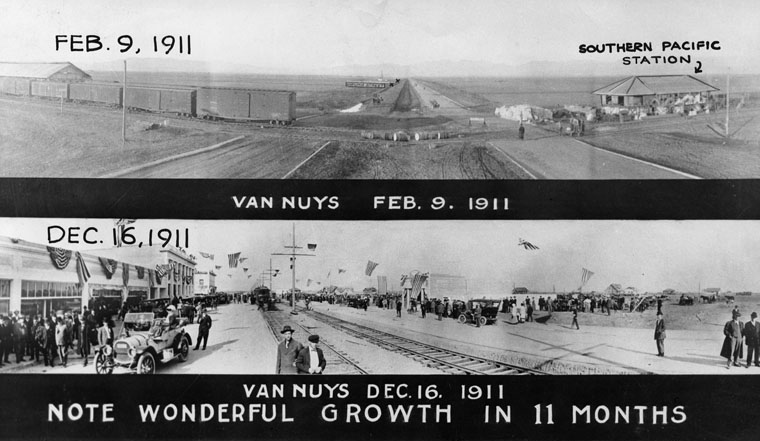
Van Nuys is one of the best examples of how quickly the Valley could be marketed once the future looked inevitable.
The Van Nuys Neighborhood Council traces the town’s public launch to February 22, 1911, when advertisements offered a free train ride to the Van Nuys townsite, a barbecue and a lot auction. That is such a Los Angeles story. Before the place was fully built, it was already being sold as a future.
That is what Southern California does better than almost anywhere else. It sells tomorrow.
Van Nuys, Reseda and other Valley communities were not just agricultural outposts. They were marketed as places where ordinary people could own land, build homes and participate in the Southern California dream. That dream would change a lot over the next century, but the basic pitch stayed the same: more space, more sun, more house, more possibility.
The Valley Became LA’s Suburban Dream
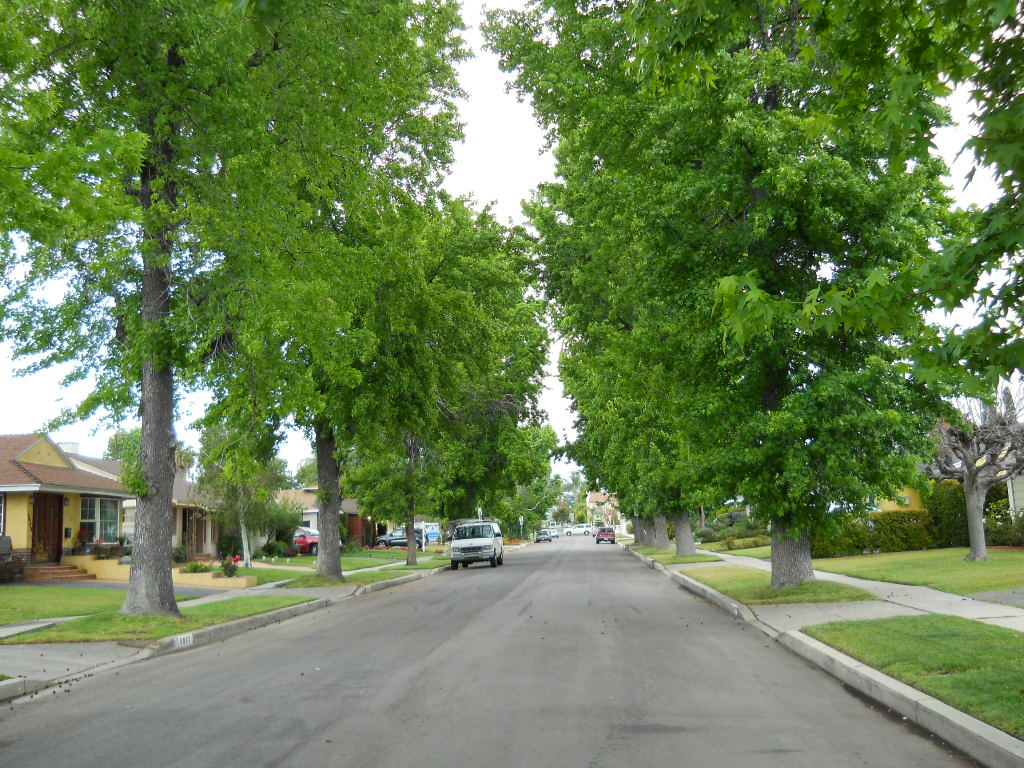
The Valley’s real boom came after World War II. Veterans returned home. Families grew. Car ownership expanded. Freeways and wide boulevards made farther-out neighborhoods more accessible. Developers could build subdivisions at a scale that matched the demand for single-family homes.
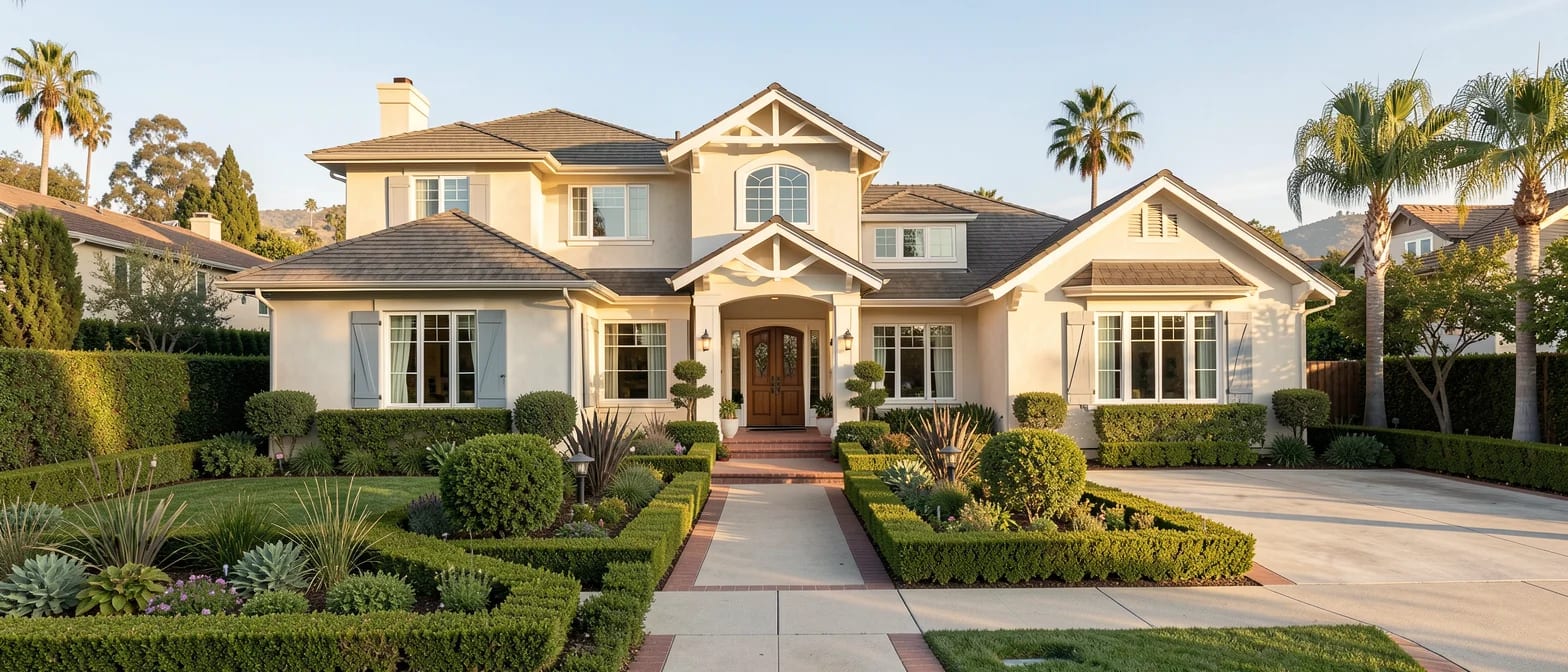
This is when the Valley became what many people still picture today: ranch houses, pools, wide streets, detached garages, lawns, shopping centers and neighborhoods built around the automobile.
That postwar suburban image can be easy to dismiss, but it changed millions of lives. For a generation of buyers, the Valley represented a version of homeownership that felt achievable compared with older, denser parts of Los Angeles.
That is still part of its appeal. Even today, buyers who are priced out of the Westside or Hollywood Hills often look to the Valley for more space, more yard, better layouts and a more practical daily life.
Industry Built the Middle-Class Valley
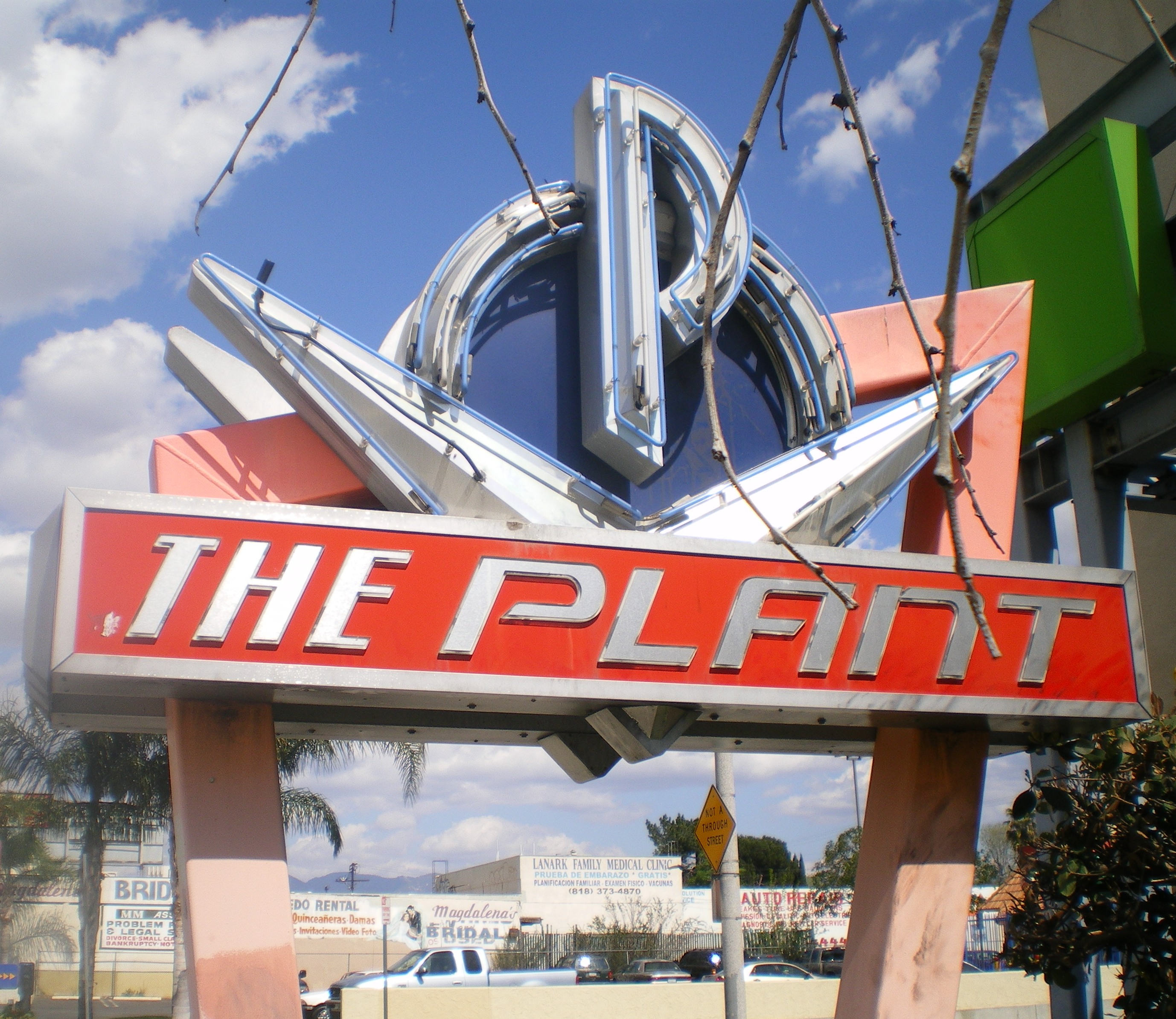
The Valley was not only bedrooms and backyards. It was also an industrial and employment center. Van Nuys had a major General Motors assembly plant. The Plant shopping center later replaced the former GM site, which operated from the late 1940s until the early 1990s.
That matters because the Valley’s middle-class identity was not built only on cheap land. It was built on jobs. Auto manufacturing, aerospace, entertainment, education, small businesses and later office centers all helped make the Valley more than a commuter suburb. People lived there, but many also worked there.
That is still an underrated part of the Valley’s real estate strength. It is not just an escape from the city. It is one of the city’s major engines.
Flood Control Also Shaped the Valley
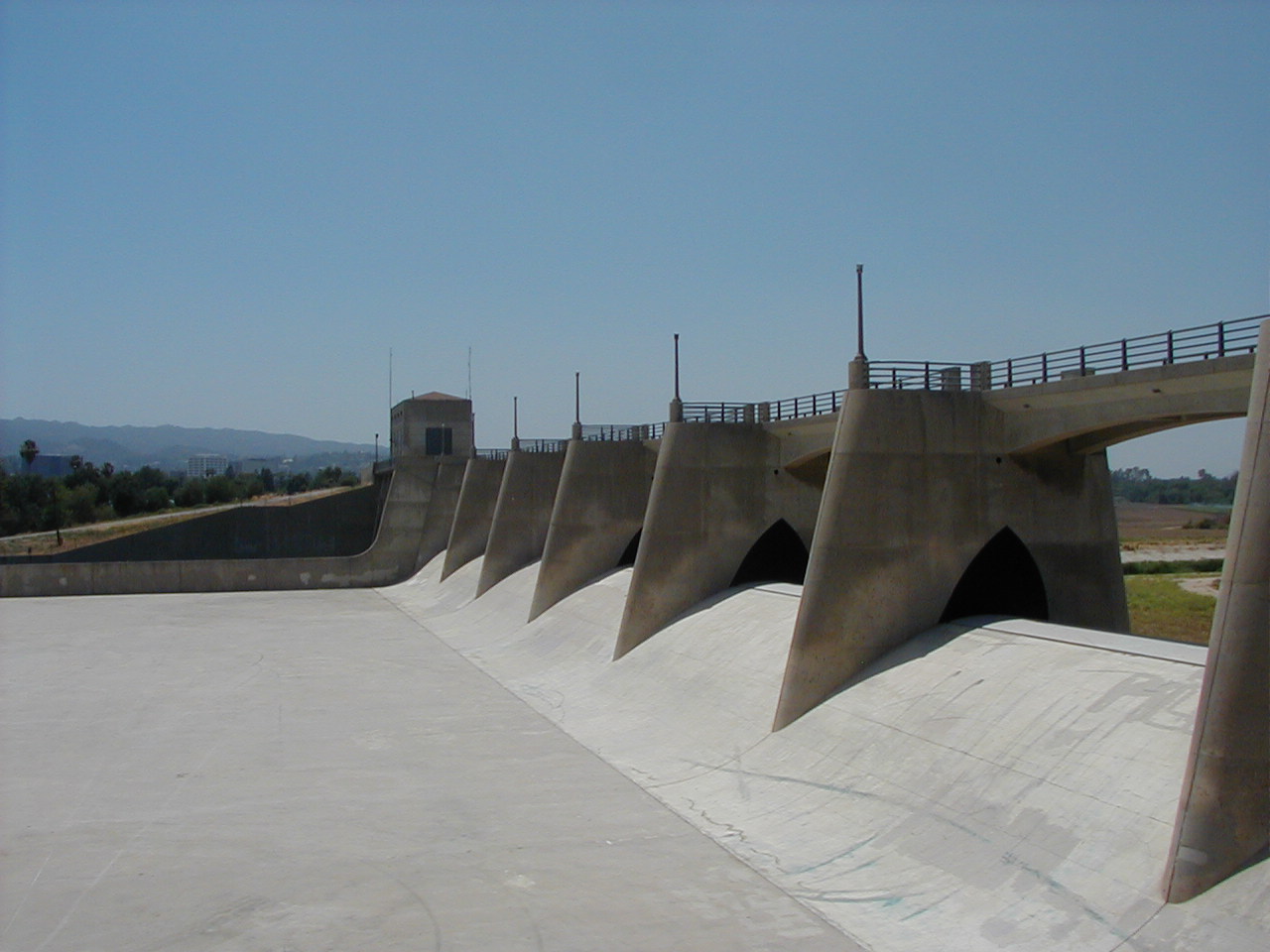
Water made the Valley possible, but flood control helped make it livable. The Sepulveda Dam was completed in December 1941 by the U.S. Army Corps of Engineers, and the Corps describes it as vital for flood-risk management in portions of the San Fernando Valley and areas near the Los Angeles River.
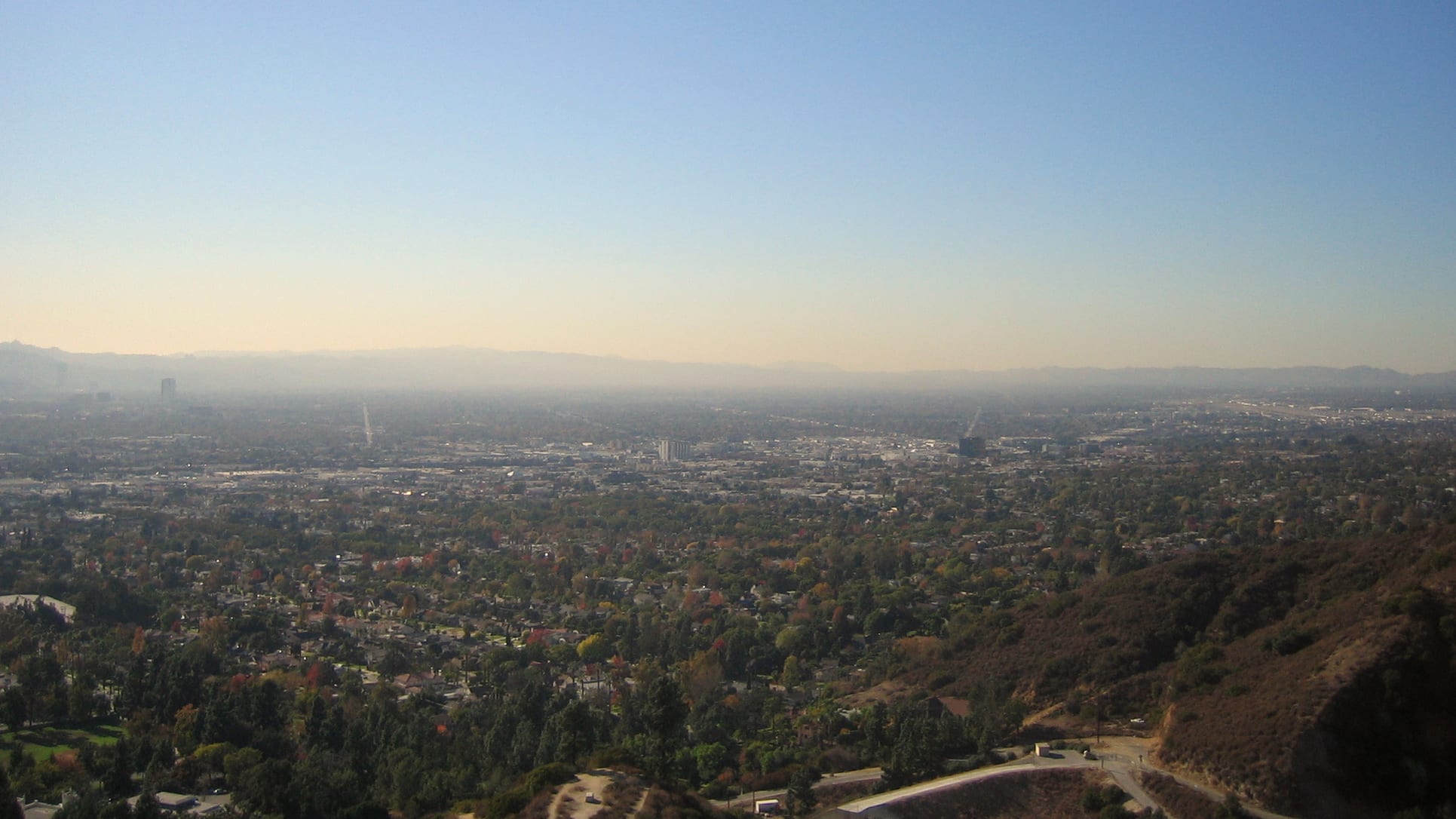
That is another piece of the Valley that people rarely think about. The Valley is a basin. It sits below mountains. It collects water. The same geography that makes it beautiful also creates risk. So the story of the Valley is not just bringing water in. It is also controlling where water goes.
That is real estate too. Drainage, flood control, infrastructure and public works are invisible when they function, but they determine what can be built and where people feel safe investing.
The Valley Became a Place of Institutions
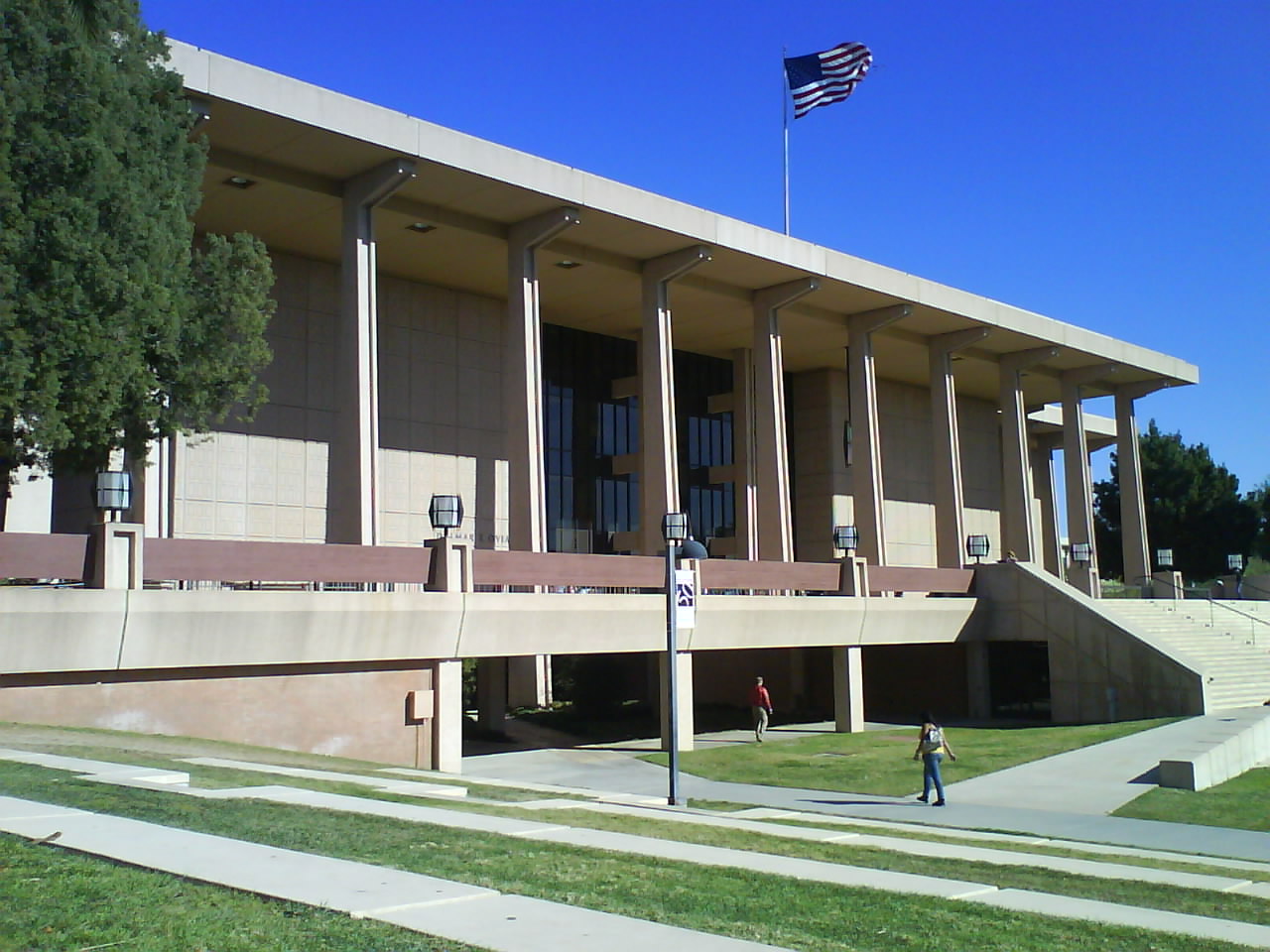
The Valley also grew into a place with major institutions. CSUN began as a satellite campus tied to Los Angeles State College before becoming San Fernando Valley State College in 1958, and it later became California State University, Northridge. CSUN now describes its campus history as beginning with the purchase of land in the north San Fernando Valley in the 1950s.
This matters because institutions create staying power. A neighborhood with schools, universities, hospitals, studios, employers, parks and civic anchors is not just a subdivision. It has reasons for people to stay, return and invest. That is one of the reasons the Valley is more resilient than its reputation suggests.
Reseda, Van Nuys and the Real Valley
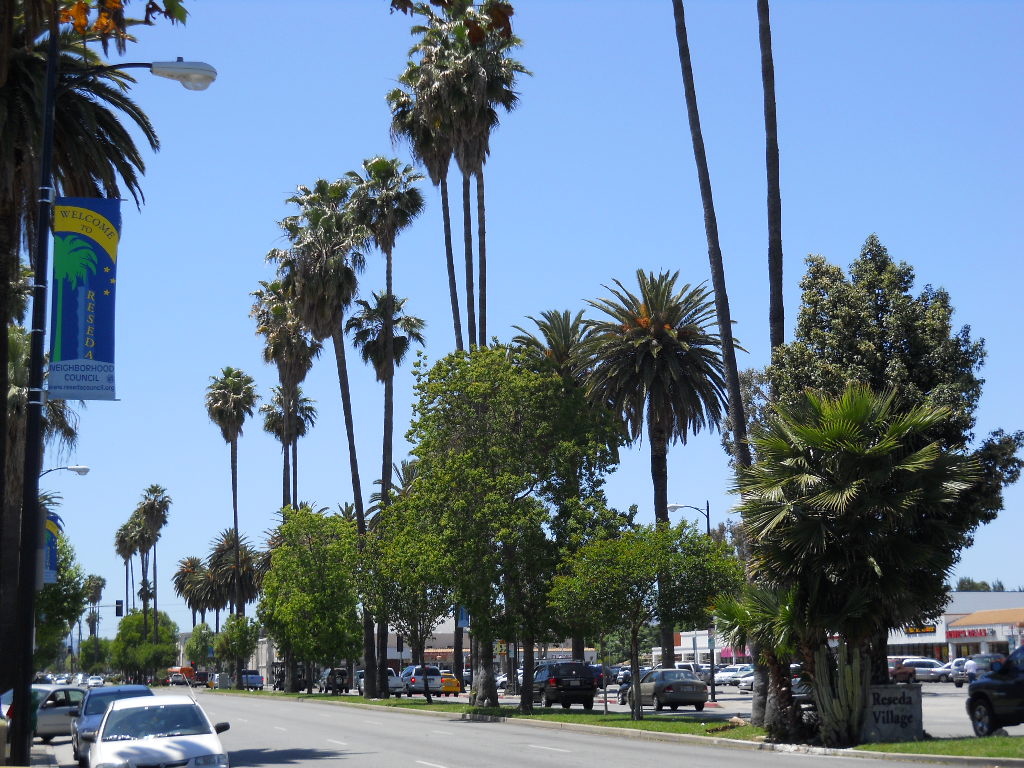
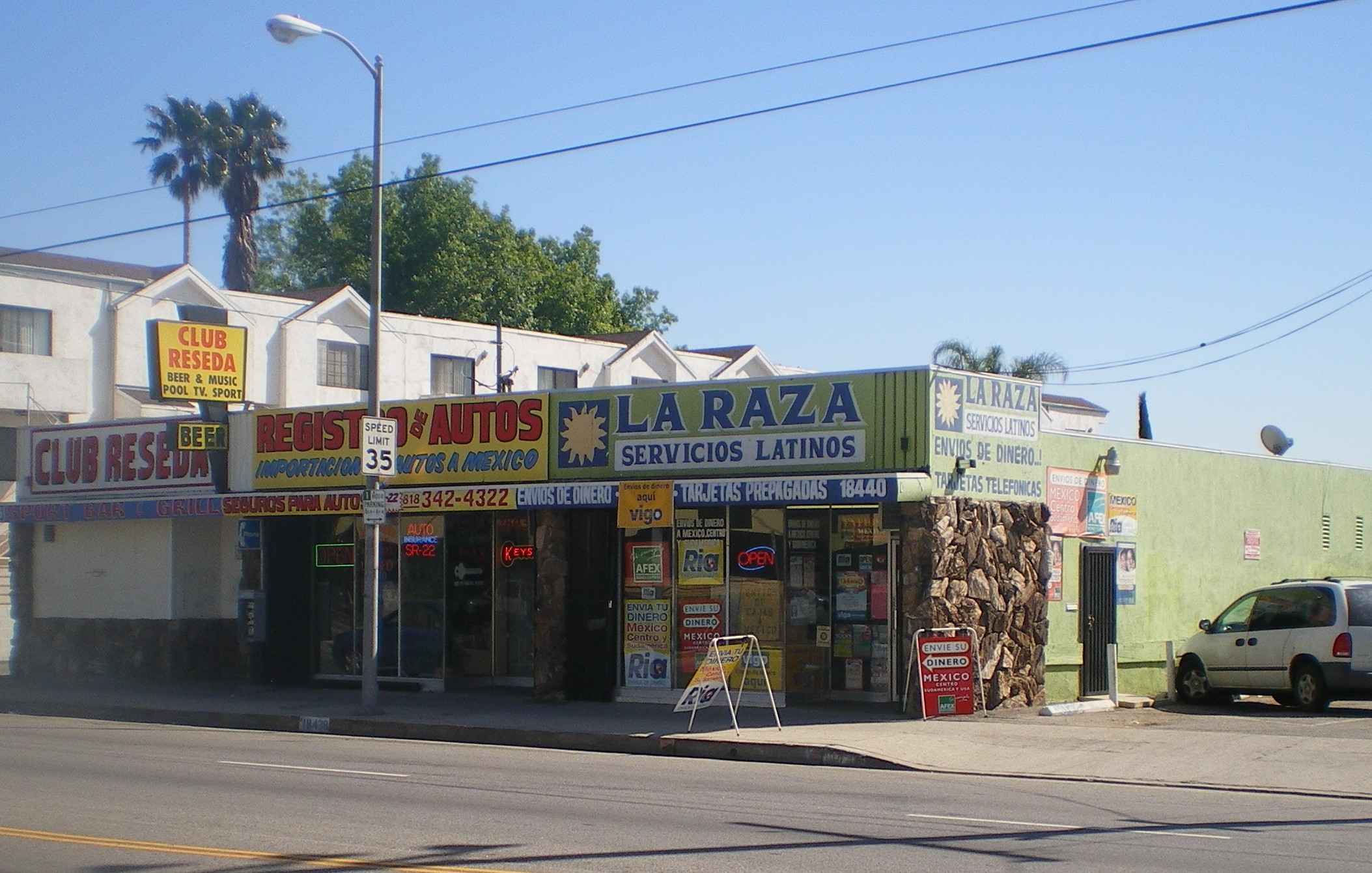
The Valley’s image is often filtered through Sherman Oaks, Studio City and Encino, but that is not the whole Valley. Reseda, Van Nuys, Panorama City, Pacoima, Sun Valley and parts of North Hollywood tell a different story. These are neighborhoods shaped by working-class families, immigrants, apartment buildings, older commercial corridors and affordability pressure.
That part of the Valley deserves more attention. The Valley is not only where people went to escape Los Angeles. It is also where Los Angeles became more diverse, more practical and more affordable for people who could not buy in the city’s most expensive neighborhoods.
That is why I think the Valley’s reputation is often lazy. People make jokes about the Valley because they are thinking in clichés. But from a real estate standpoint, the Valley is one of the most important housing markets in Southern California.
The Valley Also Became a Culture
By the 1970s and 1980s, the Valley had become a cultural idea. It was the place of malls, teenagers, boulevards, car culture, suburban schools, music videos, movies and eventually the Valley Girl stereotype. That stereotype was shallow, but it stuck because the Valley had become recognizable.
That recognition is a form of value. Most neighborhoods never become part of the national imagination. The Valley did.
The problem is that the cultural image flattened a very complex place into a punchline. It made the Valley seem superficial, when the actual story is water politics, land speculation, postwar growth, industrial jobs, immigrant communities, entertainment production, suburban aspiration and generational homeownership. That is a much more interesting story.
Warner Center Shows the Valley Keeps Changing
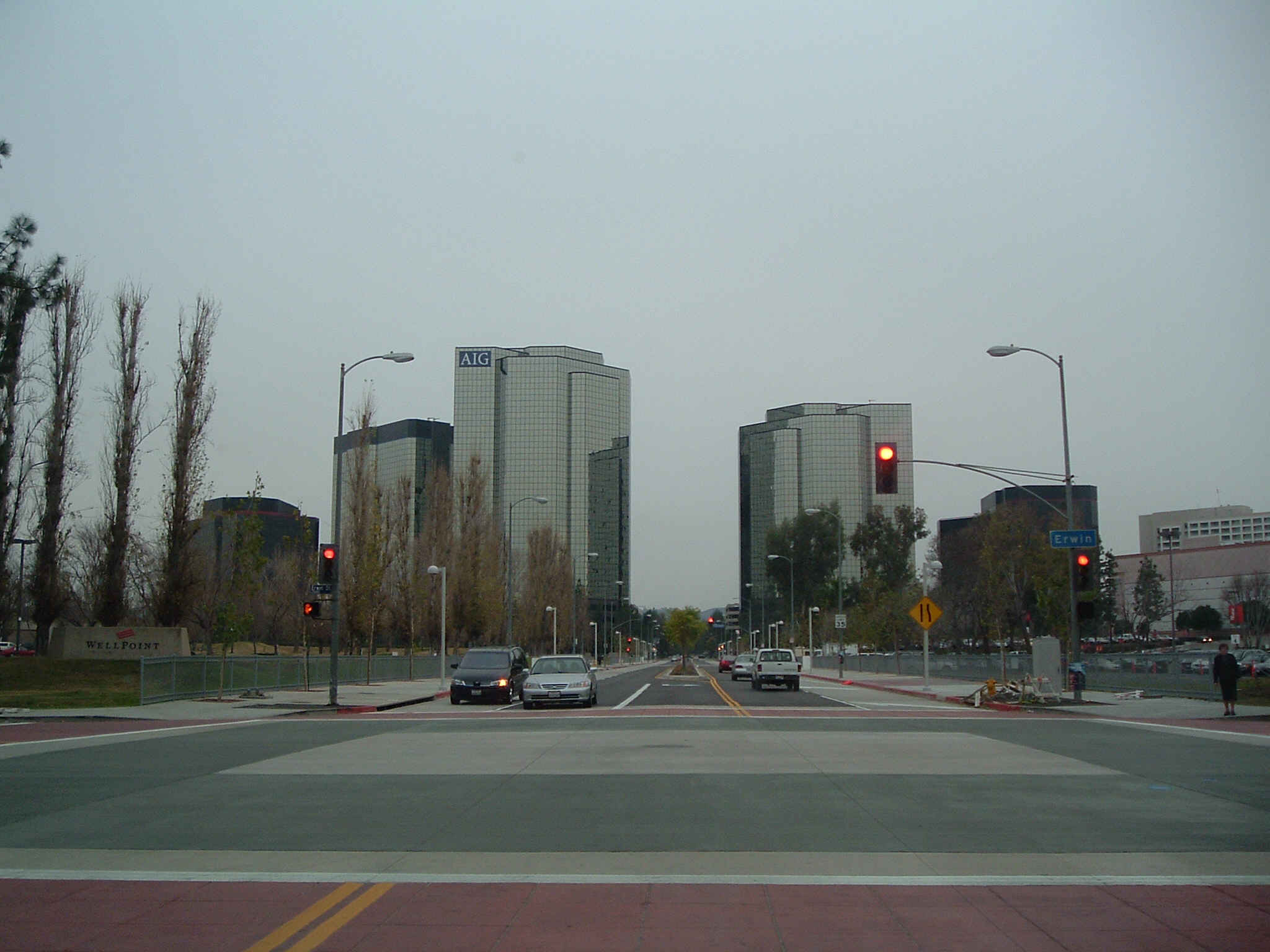
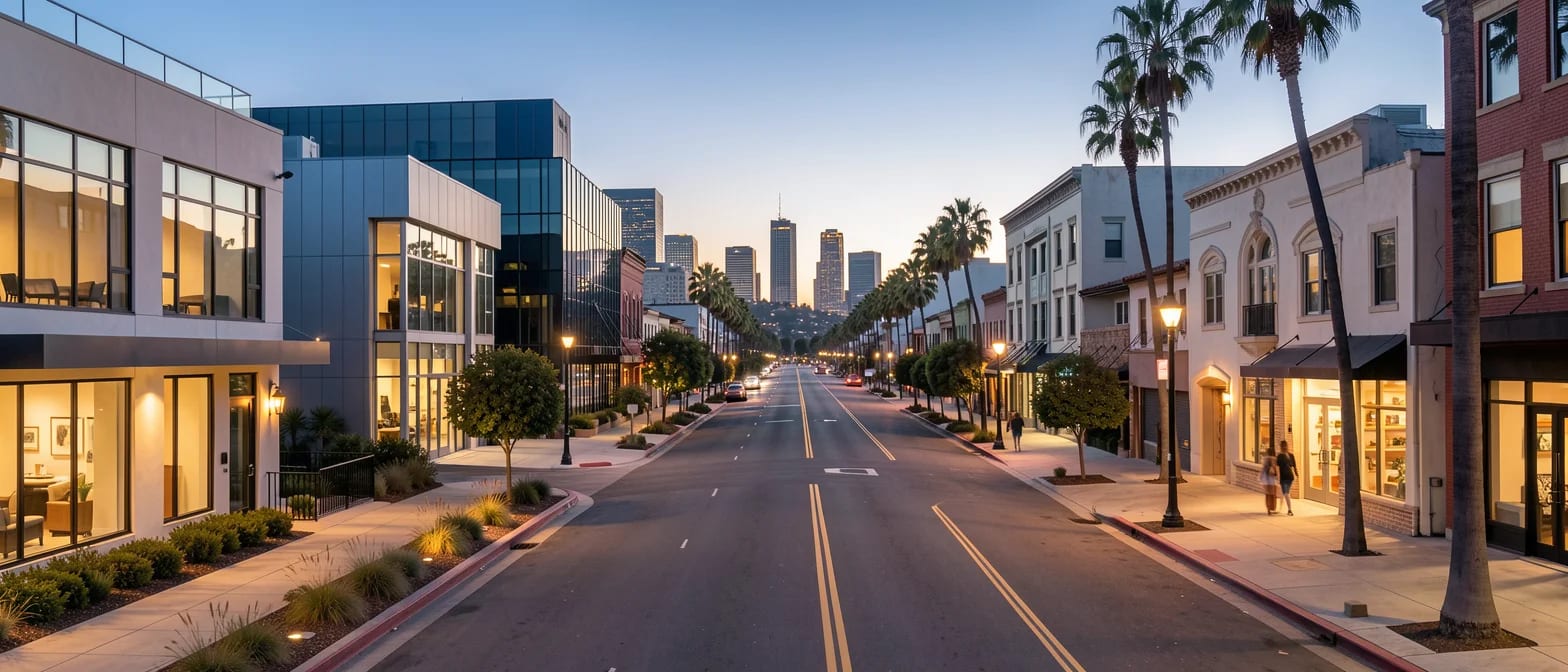
The Valley did not stop evolving after the postwar suburban boom. Warner Center may be the clearest example of what the next version of the Valley could look like. For decades, this part of Woodland Hills was defined by office towers, shopping centers, wide roads and surface parking. It was suburban, but it was also one of the Valley’s major business districts.
Now it is becoming something much bigger.
The Kroenke Organization has announced Rams Village at Warner Center, a proposed 52-acre mixed-use development that will include the permanent headquarters and training facility for the Los Angeles Rams. The site is part of roughly 100 acres Kroenke acquired in Warner Center, and the broader plan includes residential, retail, parkland, office uses, open space and indoor entertainment venues.
That is not just a football story. It is a real estate story.
The Rams’ planned headquarters and training facility are expected to anchor the project, with Gensler describing a 350,000-square-foot headquarters and training facility plus an additional 150,000-square-foot indoor practice field. The Rams have also said the training facility will include the two full-sized grass fields already in place and a proposed indoor practice field with capacity for 2,500 guests.
My take is that Rams Village could change how people think about the West Valley. For a long time, Woodland Hills and Warner Center were viewed as practical places to live and work, but not necessarily as a major cultural destination. This project is an attempt to create a true sports, entertainment, office, residential and retail district in the Valley itself.
That matters because the Valley has often been treated as secondary to the rest of Los Angeles. The big entertainment venues were elsewhere. The major civic destinations were elsewhere. The signature luxury districts were elsewhere. Rams Village is a bet that the Valley can hold its own gravity.
The important real estate question is not whether every nearby home suddenly becomes more valuable overnight. That is too simplistic. The more useful question is whether Warner Center becomes a stronger long-term anchor for the West Valley. If it does, surrounding areas like Woodland Hills, Tarzana, Canoga Park, Winnetka, West Hills and even parts of Reseda could benefit from more attention, more activity and stronger buyer awareness.
But there is also a tradeoff. More density, more traffic, more visitors and more development will change the feel of the area. That is always the tension with major projects like this. They can create value, but they also change the daily experience of a neighborhood.
In that sense, Rams Village fits perfectly into the larger Valley story. The Valley has always been shaped by infrastructure first: water, rail, roads, freeways, flood control, malls, office parks and now mixed-use sports development. The details change, but the pattern stays the same. Someone builds the infrastructure, and the real estate market follows.
What Valley Buyers Are Really Paying For
Valley buyers are usually paying for some combination of space, access and lifestyle. They want more square footage than they can get in many central LA neighborhoods. They want yards, pools, parking, schools, quiet streets, cul-de-sacs and proximity to studios, the Westside, Hollywood, Burbank or Ventura Boulevard.
But buyers also need to be careful. The Valley is block-by-block. Heat, freeway access, school boundaries, hillside risk, flood zones, airport noise, traffic patterns and neighborhood identity can all materially affect value. That is why comps matter, but context matters more. Two homes can look similar on paper and live completely differently.
What Buyers Are Waiting For Now
Higher interest rates have made Valley buyers more selective. As of July 23, 2026, Freddie Mac reported through AP that the average 30-year fixed mortgage rate had risen to 6.58 percent, the highest level in nearly a year. That kind of rate environment makes monthly payment a major issue, even in markets where demand is still strong.
For buyers, the question is not just “Do I like the Valley?” The question is whether the home gives enough value to justify the payment.
That means the best Valley listings still need to be priced and presented correctly. A home with a good layout, usable yard, updated systems, strong location and clear lifestyle story can still attract serious attention. But overpriced homes with awkward layouts, deferred maintenance or weak locations are easier for buyers to pass on. In this market, “more affordable than the Westside” is not enough. The property has to make sense.
The Real Estate Takeaway
The San Fernando Valley exists as we know it because Los Angeles mastered three things: water, land and the sales pitch.
The Aqueduct brought water. Annexation brought political control. Developers brought subdivisions. Postwar families brought demand. Industry brought jobs. Highways and boulevards brought car culture. Over time, all of that created one of the most important residential regions in Los Angeles.
The Valley is not glamorous in the same obvious way as Beverly Hills, Malibu or the Hollywood Hills. But that is exactly why it matters. It is where a huge part of Los Angeles actually lives.
If you are considering buying or selling in the San Fernando Valley, contact me, Tyler Neale. As a local expert focused on premium data-driven real estate marketing, I can help you understand not just the price, but the neighborhood, the block, the history, the market positioning and the long-term value behind one of Los Angeles’ most misunderstood real estate markets. Let's explore the data together on my Los Angeles Real Estate Portal.