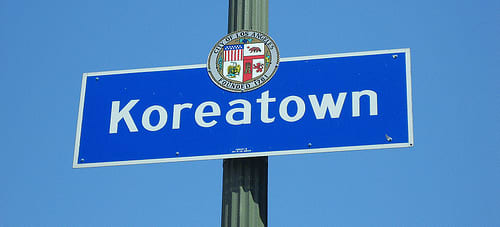

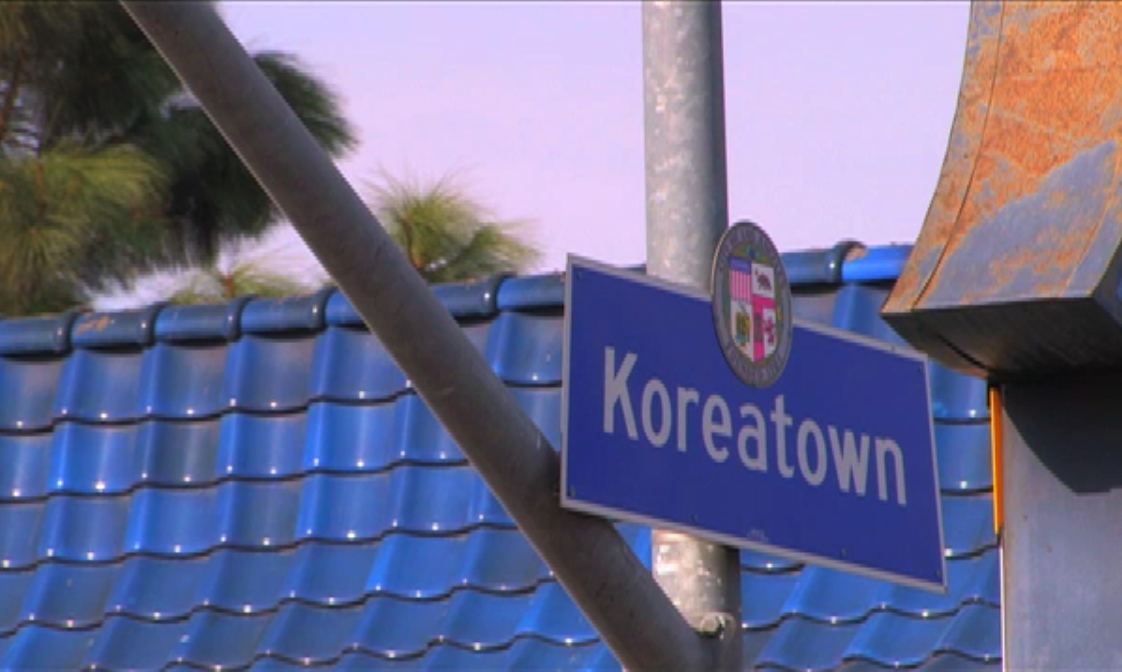
Koreatown might be the most misunderstood neighborhood in Los Angeles.
A lot of people know it for Korean barbecue, nightlife, karaoke, spas, and late-night energy. That is all real, and it is part of what makes the neighborhood so alive. But Koreatown is much more than a food and entertainment district. It is one of the densest, most urban, most culturally important neighborhoods in LA, and its story says a lot about how this city reinvents itself.
Koreatown was not created by one developer, one master plan, or one architectural style. It was shaped by layers: early Wilshire Boulevard glamour, midcentury decline, Korean immigrant entrepreneurship, the trauma of 1992, transit investment, new development, and a constant fight to remain both relevant and rooted.
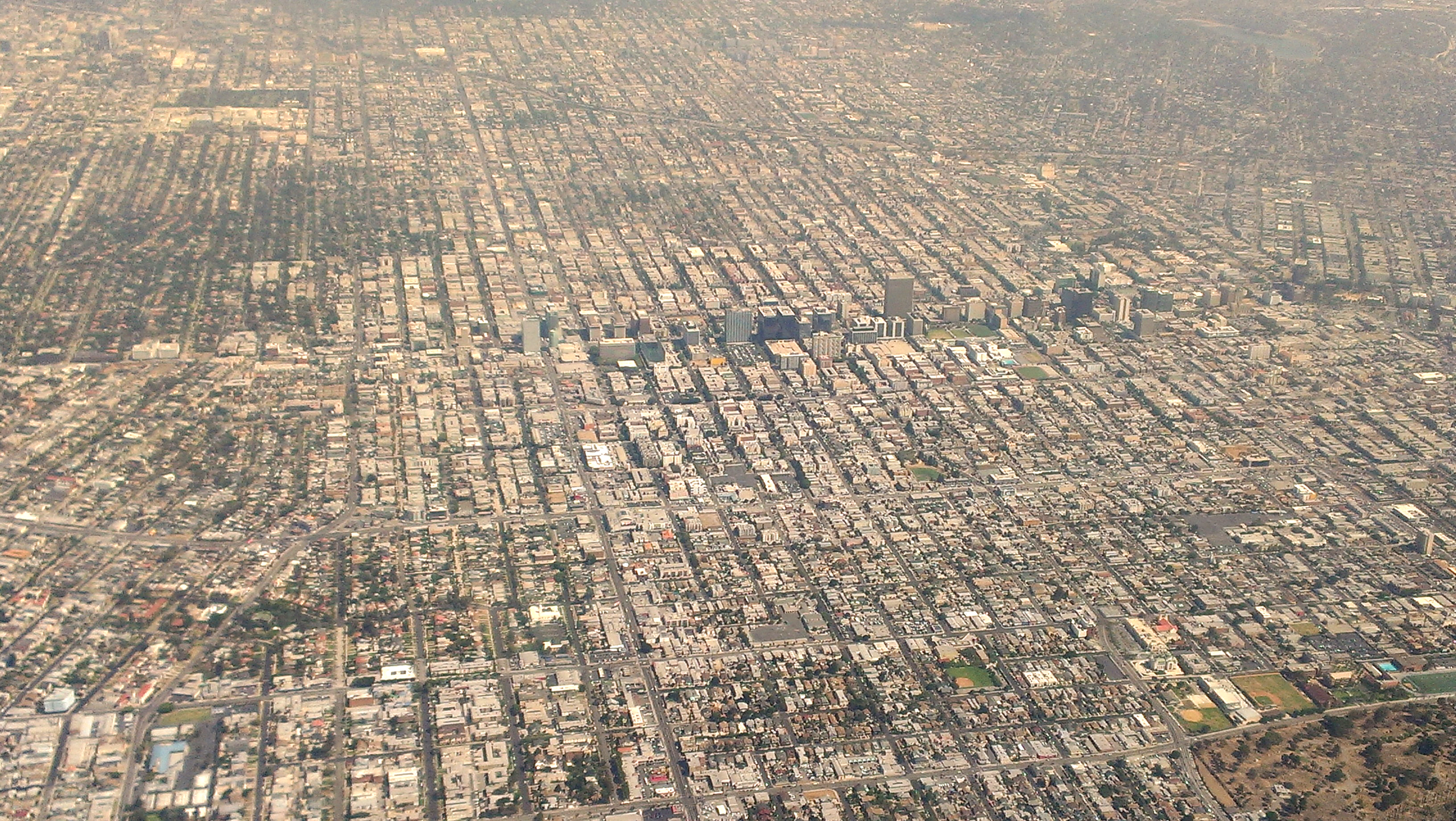
That is what makes Koreatown so interesting to me. It is not polished in the way Beverly Hills is polished. It is not coastal in the way Santa Monica is coastal. It is not suburban in the way the Valley is suburban. Koreatown is dense, loud, complicated, and alive. It feels like one of the few parts of Los Angeles where the city actually behaves like a city.
Before Koreatown, There Was Wilshire Boulevard Glamour
Before this area became known as Koreatown, it was part of the larger Wilshire corridor, one of early Los Angeles’ great westward growth stories.
As Los Angeles expanded from Downtown, Wilshire Boulevard became a symbol of ambition. Hotels, apartment houses, commercial buildings, and cultural institutions followed the city’s movement west. This part of central LA offered something that was still relatively new at the time: urban living with style, convenience, and status.
You can still see traces of that older identity in the architecture. Buildings like the Los Altos apartment hotel remind you that Koreatown did not begin as an afterthought. It had scale. It had design. It had a sense of arrival.
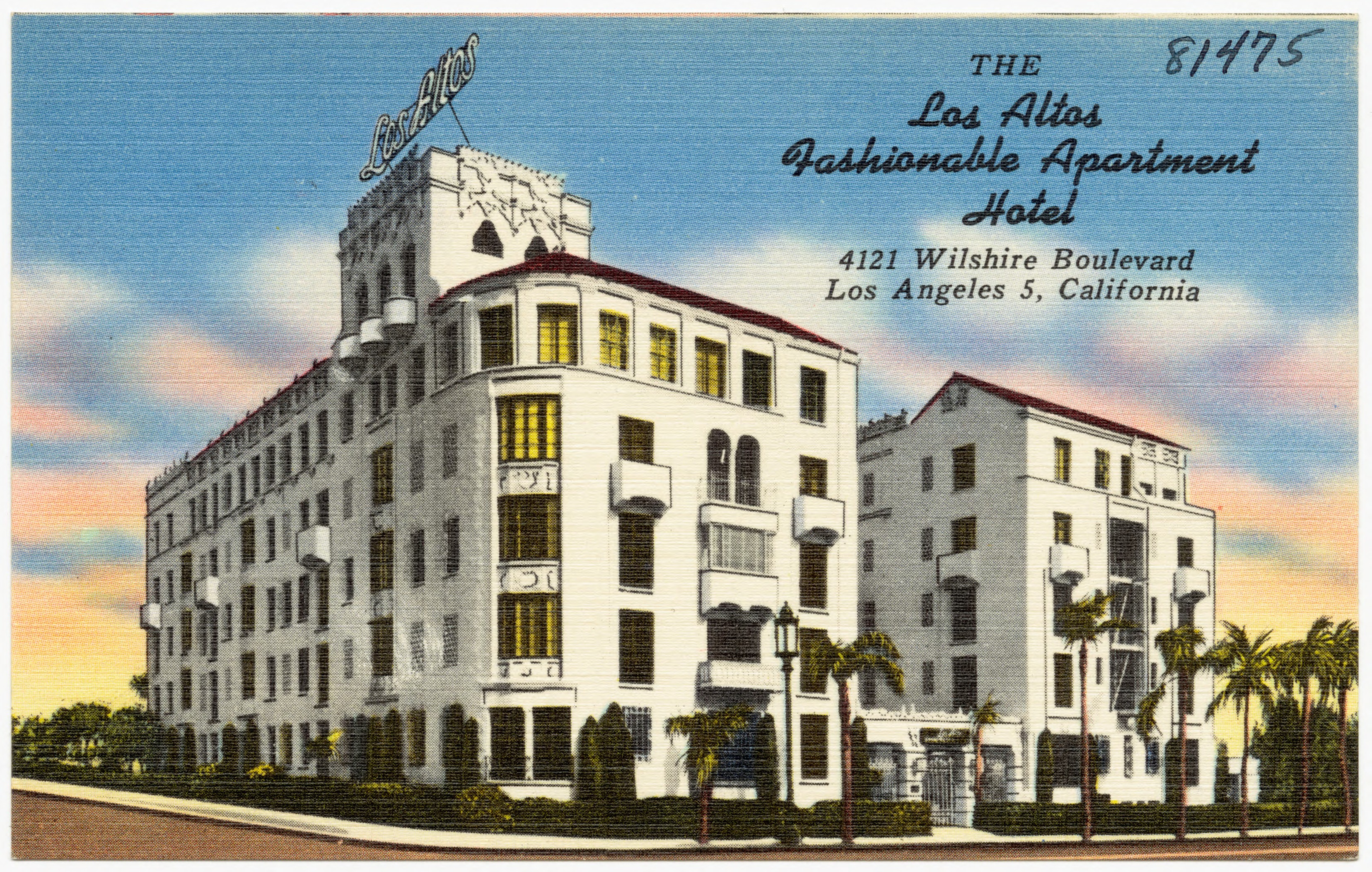
That is one of the reasons Koreatown has such an interesting real estate base today. It inherited older apartment buildings, commercial corridors, and a street grid that already supported density. Unlike many parts of LA that were built around single-family suburban expansion, Koreatown had the physical structure to become a true urban neighborhood.
My take is that this is one of the main reasons Koreatown still works. The bones were already there. Later generations simply gave the neighborhood a new cultural and commercial identity.
A Neighborhood Opens Up
By the middle of the 20th century, Los Angeles had changed dramatically. Wealth and attention had moved farther west. Beverly Hills, Bel Air, Hancock Park, the Westside, and the suburbs were pulling residents and investment away from older central neighborhoods. Freeways changed how people moved through the city. Older buildings that had once represented prestige became more attainable.
That shift created an opening.
The 1965 Immigration and Nationality Act changed immigration patterns across the United States, and Los Angeles became one of the major destinations for Korean immigrants. At the same time, many families were looking for economic opportunity outside Korea. Central Los Angeles offered visibility, relatively accessible rents, existing commercial buildings, and proximity to customers.
Koreatown was built by people who saw opportunity where others saw decline.
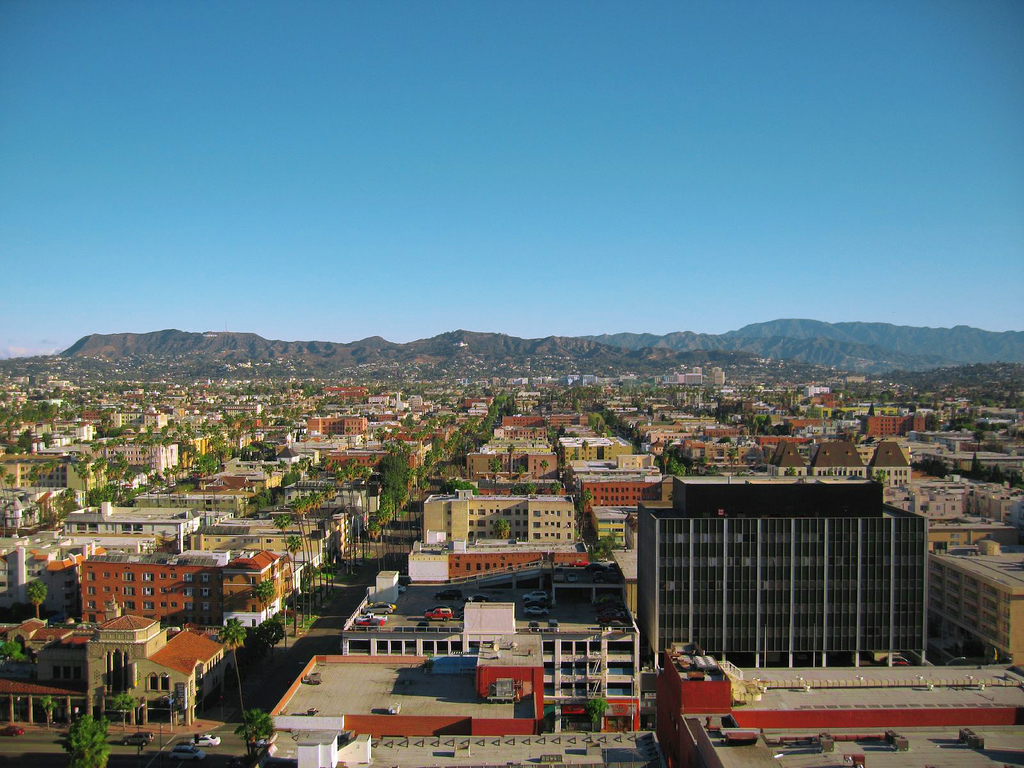
This part of the story matters because neighborhoods do not usually reinvent themselves when everything is going perfectly. Reinvention often happens when a place becomes available to a new group of people with ambition, urgency, and vision.
Koreatown became Koreatown because Korean immigrants and entrepreneurs did not wait for Los Angeles to hand them a finished neighborhood. They built one business by business.
The Businesses Came First
The heart of Koreatown was not created by a branding campaign. It was created through commerce.
Restaurants, markets, banks, travel agencies, churches, medical offices, professional services, and small businesses began clustering along Olympic Boulevard, Wilshire Boulevard, and nearby corridors. Over time, those individual businesses created something much larger than themselves. They created an ecosystem.
That is what people sometimes miss when they talk about Koreatown as a cultural district. Culture here is not just decorative. It is economic. The restaurants, signs, shops, and services are the visible layer of a deeper story about ownership, survival and community formation.
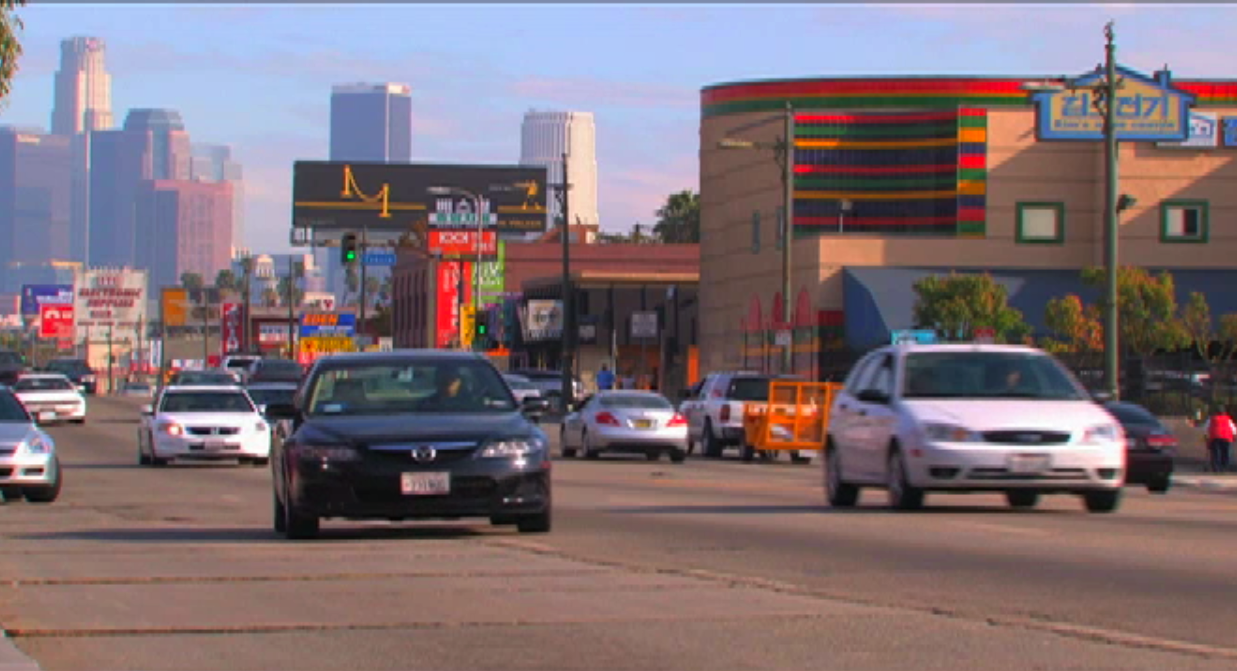
Figures like Hi Duk Lee became part of the neighborhood’s early mythology because they understood that a business could be more than a business. It could be a signal. It could tell other people that this was a place where Korean immigrants could gather, spend, work, and build.
By the 1970s and 1980s, Koreatown had become one of the most important Korean commercial and cultural centers outside Korea. It was not just serving Korean Americans in the immediate neighborhood. It was serving people across Los Angeles.
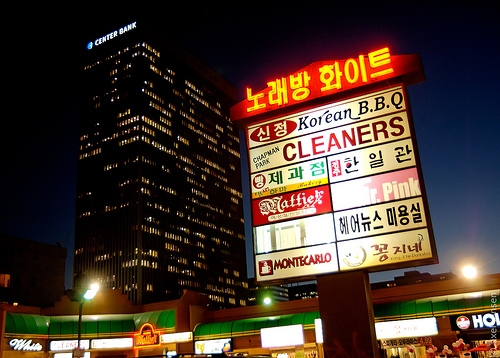
That is why Koreatown has always felt bigger than its boundaries. It is a neighborhood, but it is also a destination. People come here from all over LA because the neighborhood offers something specific that cannot be duplicated at a mall or lifestyle center.
Culture, Community and Visibility
Koreatown’s cultural power comes from the fact that it is both local and global.
On one level, it is a Los Angeles neighborhood with apartment buildings, traffic, schools, offices, restaurants, and daily life. On another level, it is connected to Korean identity, Korean food, Korean business, Korean media, Korean churches, and Korean American political visibility.
That combination gives Koreatown a different kind of energy.
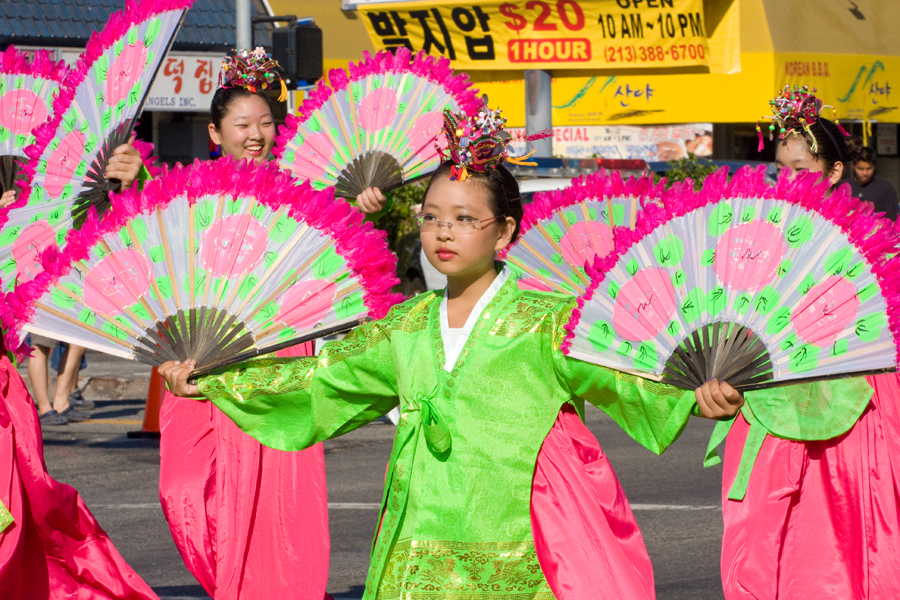
Public gatherings are part of that identity too. Whether it is cultural festivals, World Cup celebrations, or community events, Koreatown has repeatedly shown that it can operate as a civic gathering place for Korean Americans and for Los Angeles more broadly.
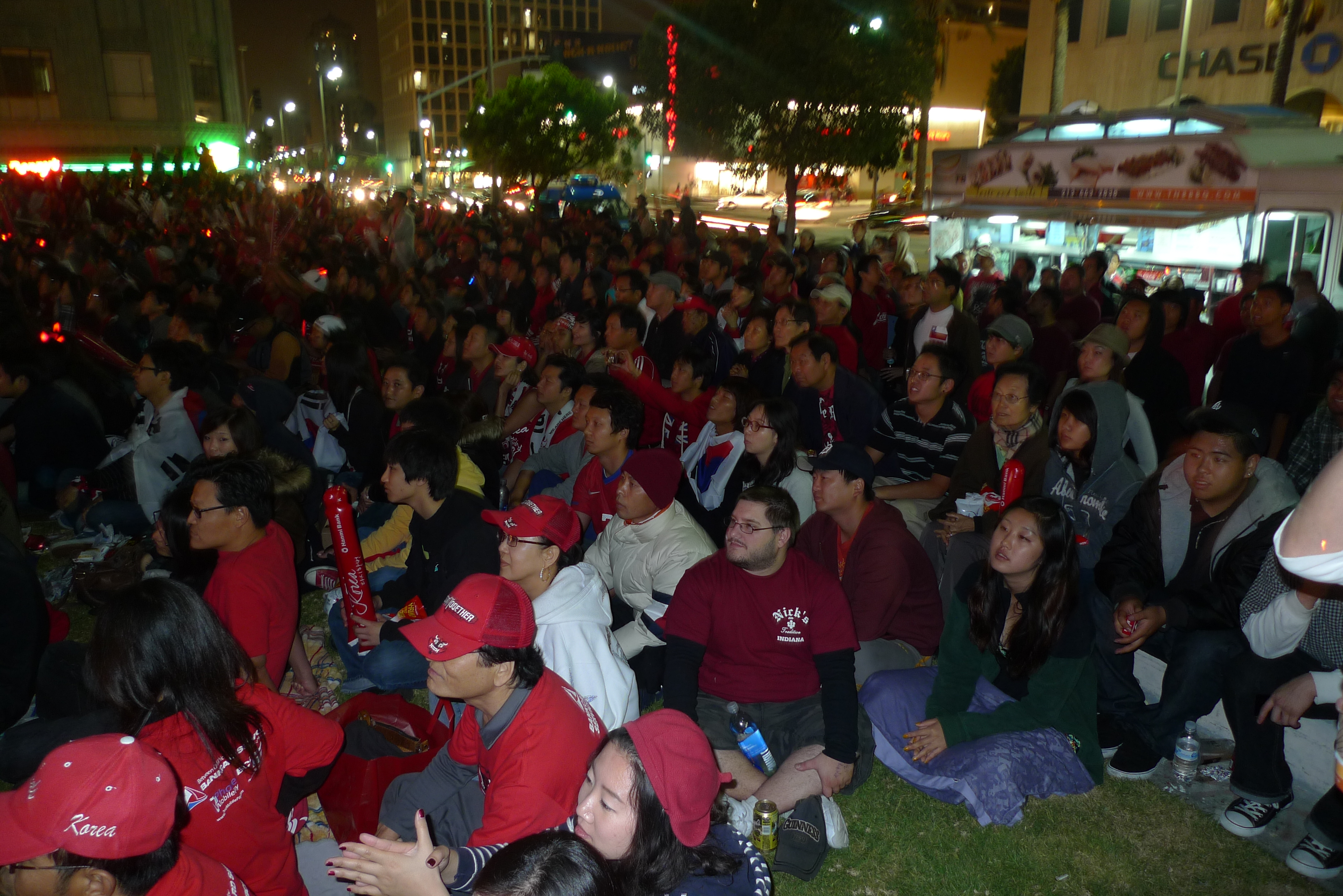
That matters in real estate more than people think. Buyers and renters are not only choosing a floor plan. They are choosing a neighborhood identity. Koreatown has one of the strongest neighborhood identities in Los Angeles because it was built through real culture, not manufactured atmosphere.
1992 Changed Koreatown
No honest story about Koreatown can avoid 1992.
After the Rodney King verdict, civil unrest spread across Los Angeles, and Koreatown was hit especially hard. Many Korean American business owners suffered devastating losses. The neighborhood became a national symbol of what happens when communities feel abandoned, exposed, and unprotected.
That moment left scars.
But it also revealed something about Koreatown’s resilience. The neighborhood did not disappear. It rebuilt. Business owners reopened. Families stayed. Community organizations became more visible. Political engagement grew. Koreatown emerged from that trauma with a stronger sense of itself.
This is where I think Koreatown’s story becomes especially powerful. A lot of neighborhoods are described as resilient because they survived change. Koreatown survived fire, abandonment, political invisibility, and economic damage, then became even more central to Los Angeles life.
That is not a small thing.
Koreatown Is One of LA’s Most Urban Neighborhoods
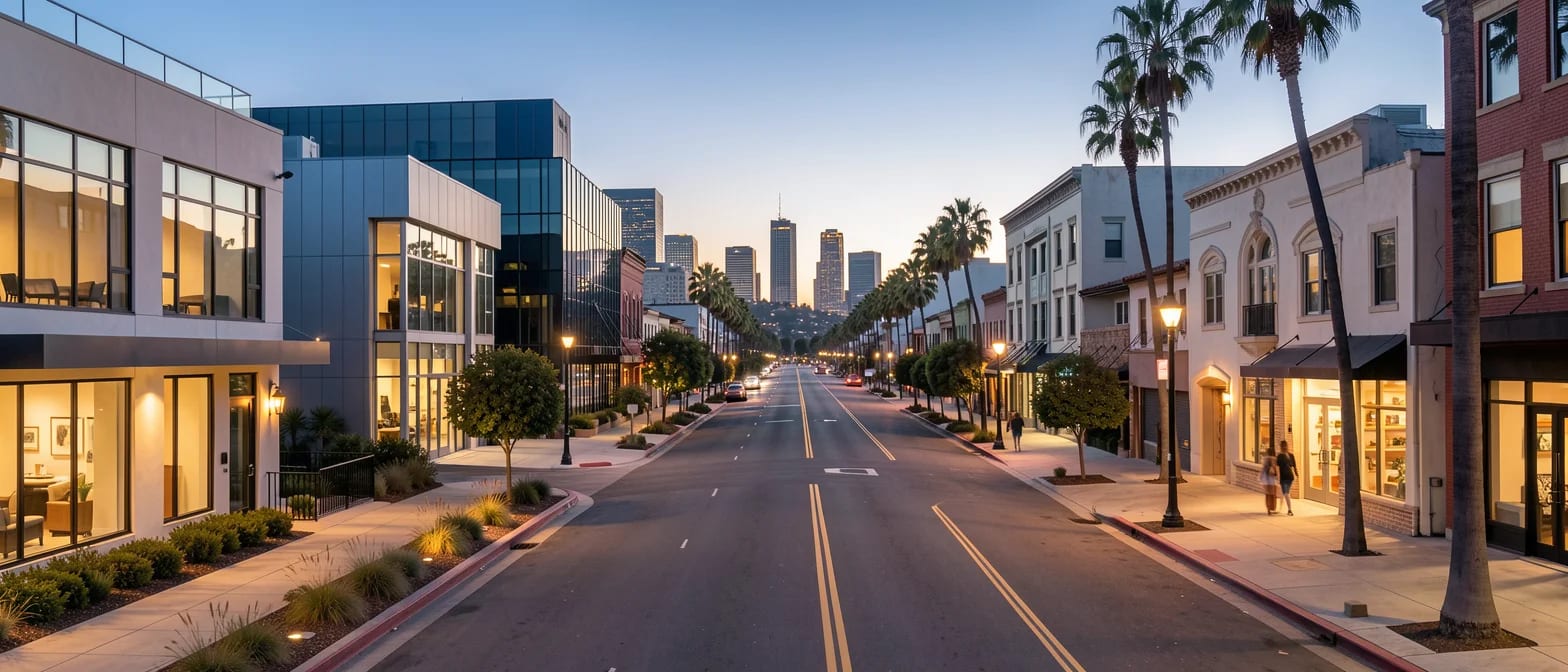
From a real estate perspective, Koreatown is fascinating because it does something most of Los Angeles struggles to do. It supports density, transit, nightlife, apartments, restaurants, offices, and street life all in the same place.
It is not a sleepy neighborhood. It is not trying to be.
Koreatown is one of the few parts of LA where you can live without feeling completely dependent on a car. The Metro connection matters. The bus network matters. The walkability matters. The concentration of restaurants and services matters. It gives the neighborhood a daily rhythm that feels different from much of the city.
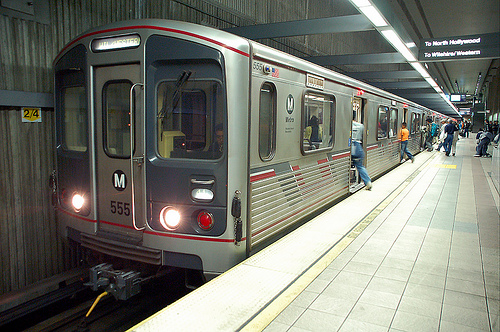
That does not mean Koreatown is easy. Parking can be difficult. Traffic can be frustrating. Some buildings are older and require careful inspection. Not every block feels the same. But for people who want access, energy, and centrality, Koreatown offers a version of LA living that is hard to find elsewhere.
The housing stock is also different from many other parts of the city. Koreatown has older apartment buildings, courtyard apartments, condos, newer mixed-use buildings, and a large rental base. It is not primarily a single-family-home market, although there are pockets nearby with historic houses and lower-scale residential streets.
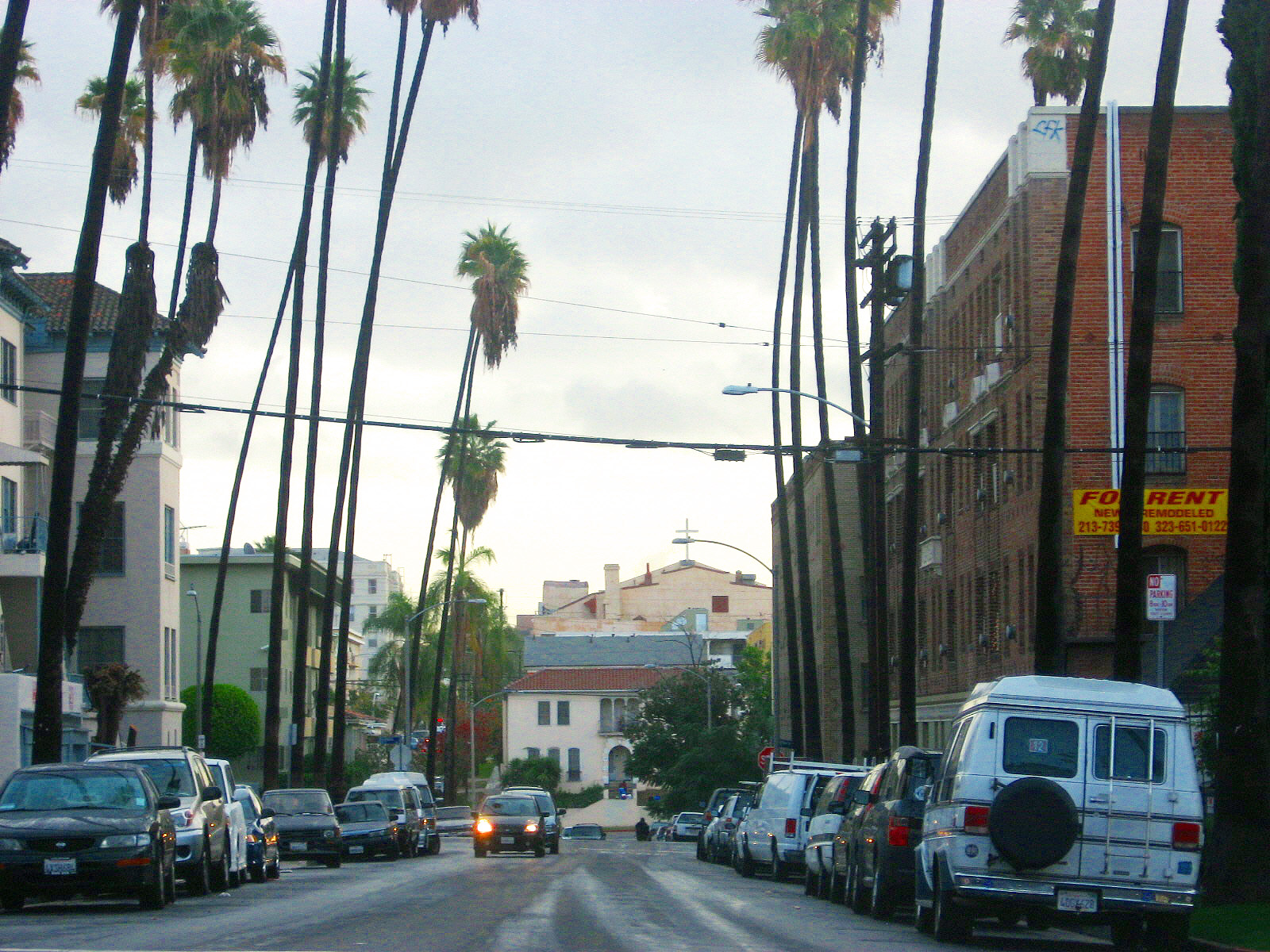
That variety is part of its value. Koreatown serves renters, first-time buyers, investors, urban professionals, restaurant workers, business owners, and people who simply want to be close to everything.
Development Is Changing the Neighborhood Again
Koreatown is still evolving.
New construction continues to reshape parts of the neighborhood, especially near transit and major corridors. That makes sense. Koreatown has the density, location, and demand to support more housing. In a city that desperately needs more places for people to live, Koreatown is one of the neighborhoods where additional density is at least consistent with the existing urban fabric.
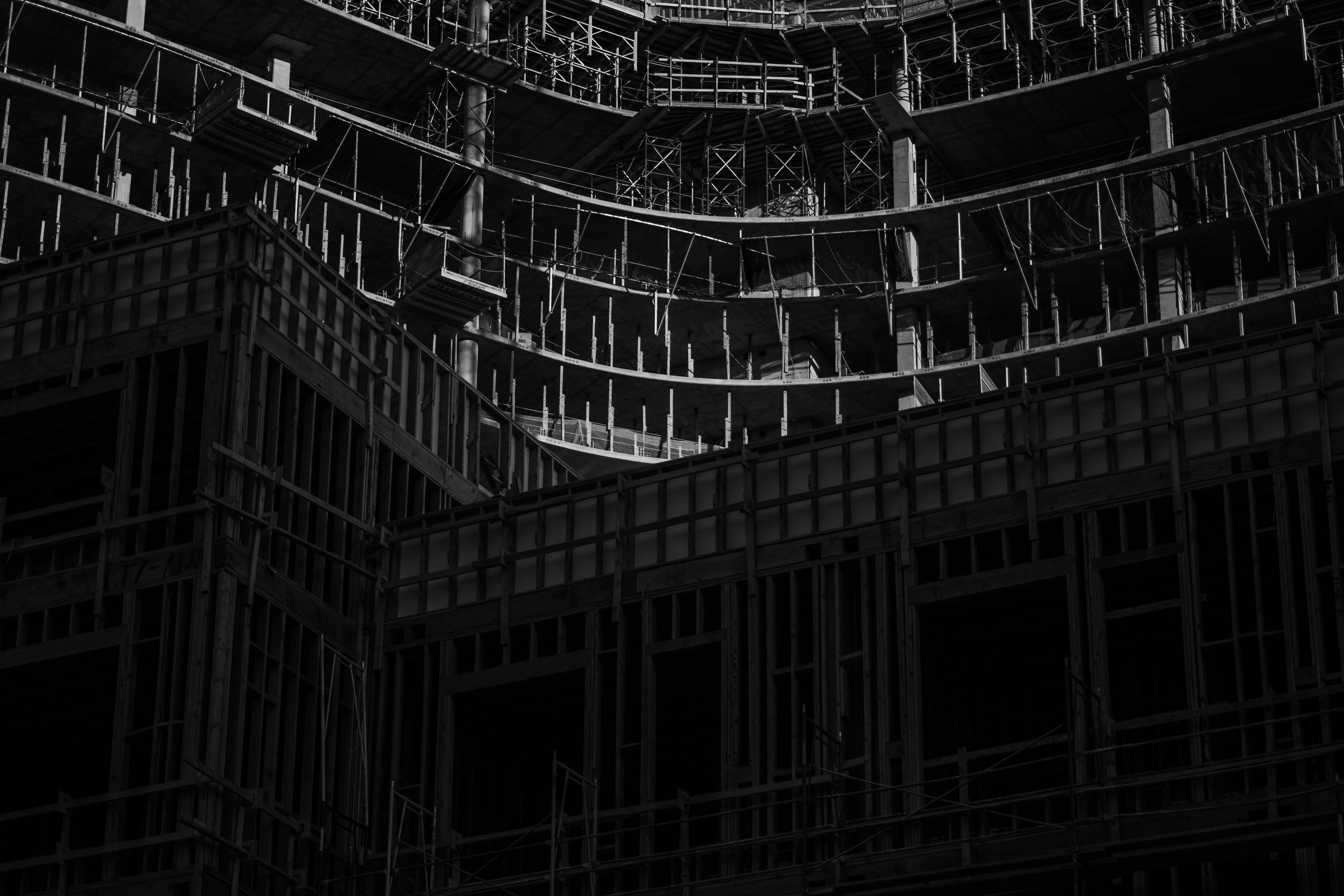
But growth always comes with tension.
New development can bring housing, investment, and better amenities. It can also raise rents, change the customer base, and put pressure on longtime residents and small businesses. Koreatown has already reinvented itself more than once. The question now is whether its next chapter can add housing and investment without erasing the cultural and commercial identity that made the neighborhood valuable in the first place.
That is the key real estate question.
A neighborhood is not valuable just because developers decide to build there. It is valuable because people have already made it matter. Koreatown’s culture, food, businesses, density, and central location are the foundation. New development should build on that, not replace it.
Why Buyers and Investors Keep Watching Koreatown
Koreatown has several advantages that are hard to recreate.
It is centrally located. It has transit. It has density. It has an established cultural identity. It has nightlife and restaurants. It has historic architecture. It has a strong rental base. And it sits between Downtown, Hollywood, Mid-Wilshire, Hancock Park, and the broader Westside path of growth.
That combination makes it one of the most strategically positioned neighborhoods in Los Angeles.
For buyers, Koreatown can offer access and lifestyle in a way many LA neighborhoods do not. For renters, it offers convenience and energy. For investors, it offers density and demand. For sellers, it offers a story that is much more compelling than simply listing square footage and bedroom count.
That said, Koreatown is not a one-size-fits-all market. Building quality matters. Parking matters. HOA health matters. Noise matters. Block-by-block differences matter. A property near a major transit stop may appeal to a different buyer than one tucked into a quieter residential pocket. A historic apartment building may have character, but it may also come with maintenance and regulatory considerations.
This is why local knowledge matters so much here. Koreatown is not a neighborhood where you should only look at the map. You need to understand the building, the block, the parking, the zoning, the rental dynamics, and the direction of nearby development.
What Koreatown Really Represents
To me, Koreatown represents one of the clearest examples of Los Angeles reinvention.
It began as part of an early prestige corridor. It became more attainable as the city shifted. Korean immigrants turned it into a business and cultural center. It endured one of the most painful chapters in modern LA history. Then it rebuilt and became one of the most active, recognizable, and transit-oriented neighborhoods in the city.
That is a remarkable arc.
Koreatown is not perfect, and that is part of the point. It is messy, active, layered, and real. It is a neighborhood shaped by immigration, ambition, hardship, rebuilding, and constant pressure from the market around it.
If you want a quiet suburban version of Los Angeles, Koreatown probably is not your answer. But if you want one of the most central, energetic, and culturally significant neighborhoods in the city, Koreatown deserves serious attention.
And if you are thinking about buying, selling, or investing in Koreatown, you need more than a surface-level understanding of the neighborhood. You need to know the history, the block-by-block differences, the building types, the transit value, and where the market is heading.
If you are considering buying or selling in Koreatown or anywhere else in Los Angeles, contact me today. You can also explore more neighborhood updates on the Tyler Neale Real Estate platform to see exactly how we leverage deep market insights and data storytelling to precisely position properties for long-term value.