
Outpost Estates is one of those Hollywood Hills neighborhoods that feels like it belongs to a different version of Los Angeles.
It is close to Hollywood Boulevard, close to the studios, close to the energy of the city, and yet the moment you start climbing into the hills, everything changes. The streets get narrower. The homes start tucking into the slopes. The views open up. The city below becomes part of the scenery instead of part of the noise.
That is the magic of Outpost Estates.
It is not just another expensive hillside neighborhood. It is one of the original pieces of old Hollywood hillside real estate, built around privacy, views, status and proximity to the entertainment industry before those things became the standard fantasy of Los Angeles living.
Your reel captures that perfectly: the old promotional imagery, the Hollywood Hills setting, the modern homes, the celebrity mythology and the sense that Outpost Estates was never just about houses. It was always about positioning.
Literally and culturally.
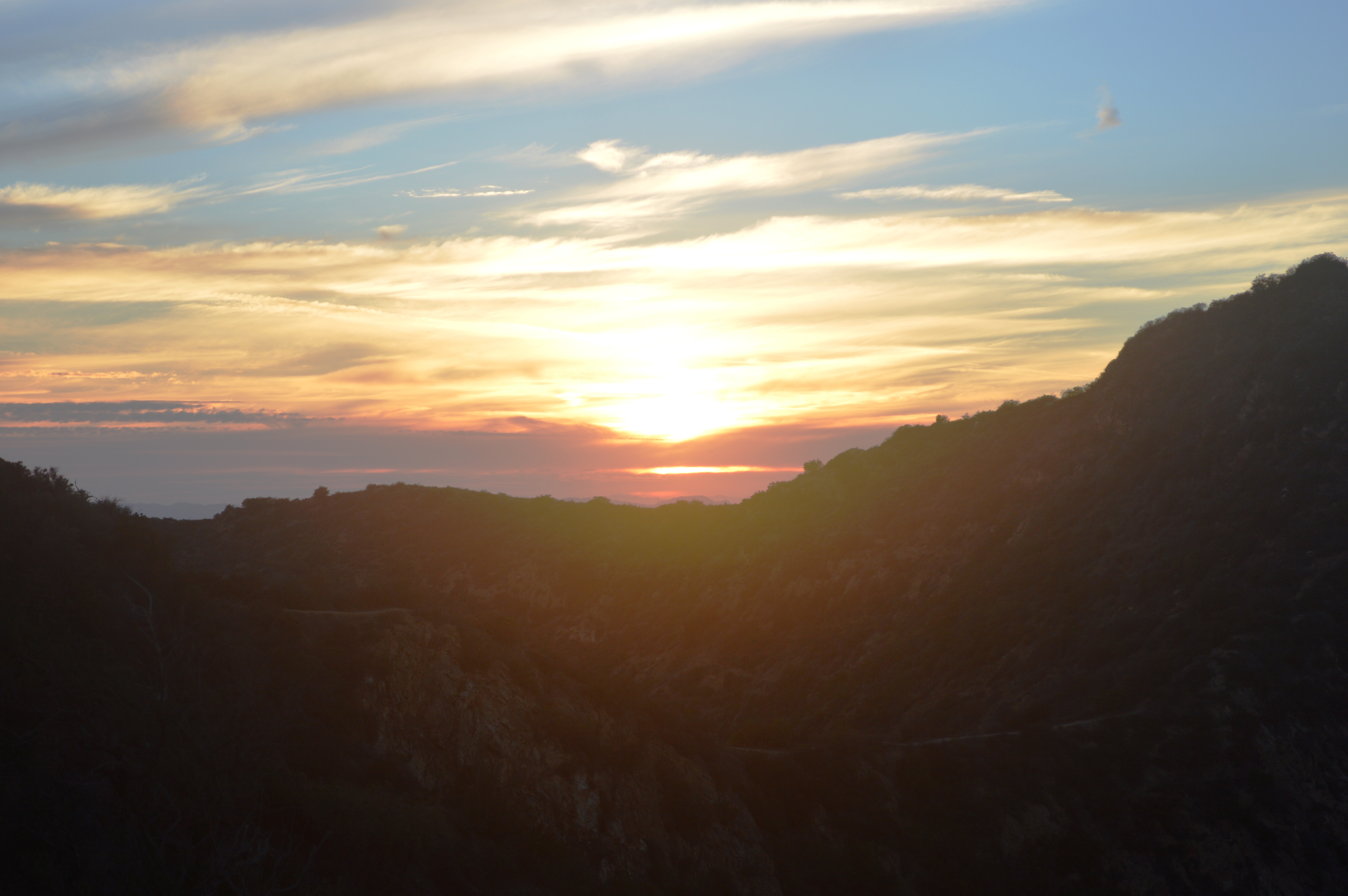
The Name Alone Tells You Something
The name “Outpost” feels cinematic because it is.
Before Outpost Estates became a residential neighborhood, the land was associated with an early hillside estate known as The Outpost. That name carried a sense of distance from the city, even though the area was incredibly close to Hollywood. It suggested a retreat, a lookout, a place slightly removed from everything below.
That idea became the foundation of the neighborhood’s identity.
When Los Angeles began expanding and Hollywood became the center of the entertainment world, hillside land suddenly had a new kind of value. It was not just empty terrain. It was privacy. It was drama. It was status. It was a place where you could live above the industry while still being right next to it.
Outpost Estates took that idea and turned it into a neighborhood.
Charles Toberman and the Hollywood Hills Vision
Outpost Estates is closely tied to Charles E. Toberman, one of the major figures in the development of early Hollywood. Toberman was sometimes called the “Father of Hollywood” because of his role in shaping so much of what people still associate with the area.
He was involved with landmarks, commercial development and the larger transformation of Hollywood into a real center of culture, business and entertainment. But Outpost Estates shows a different side of that story.
It was not just about theaters and boulevards. It was about where the people connected to Hollywood might live.
By the 1920s, the idea of living in the hills above Hollywood had become incredibly powerful. The city below was growing, the entertainment business was exploding, and the hills offered a kind of controlled escape. You could be close to everything, but above it.
That was the sell.
And honestly, it still is.
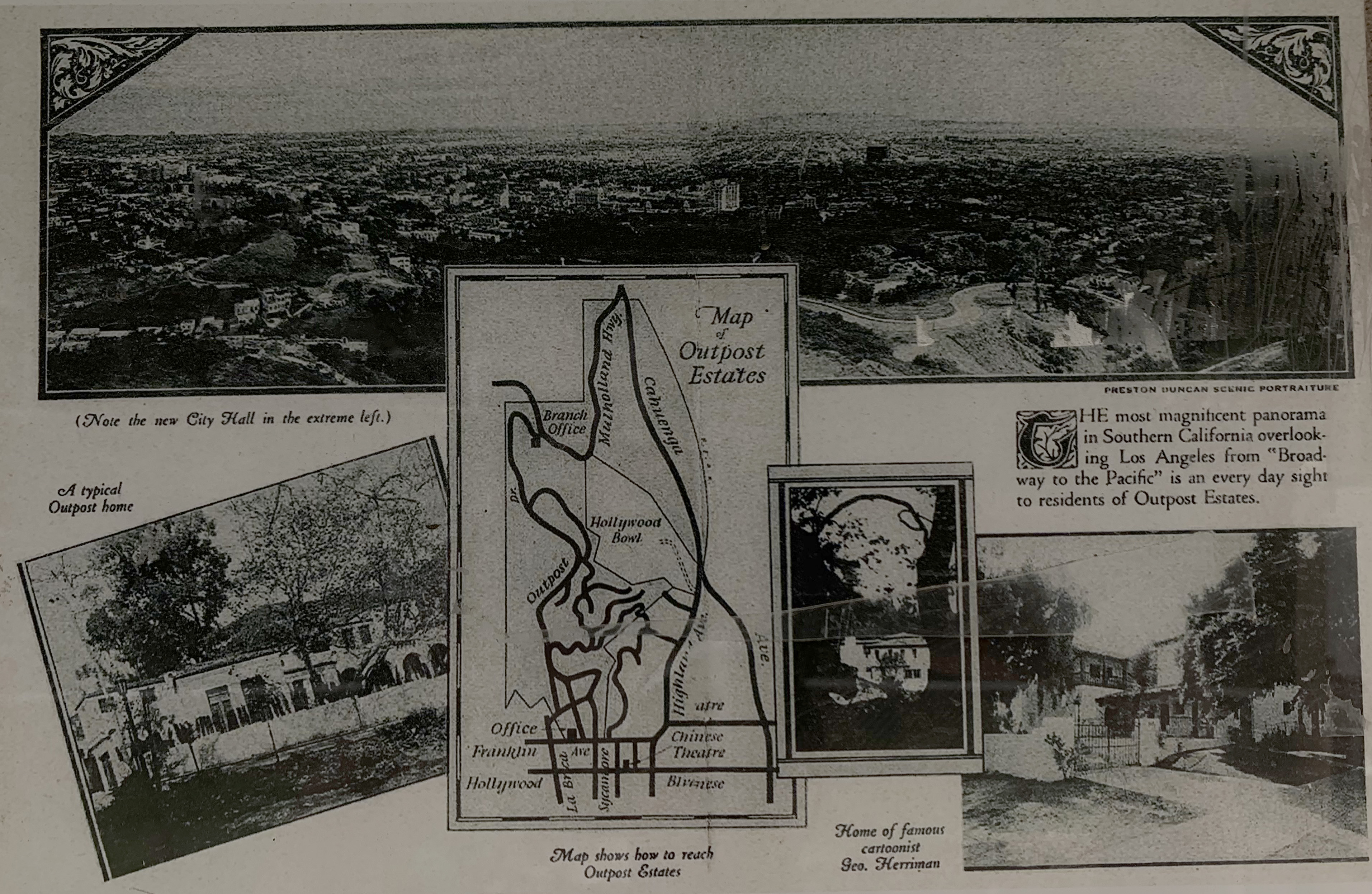
A Neighborhood Sold on the View
One of the most interesting things about early Outpost Estates marketing is how directly it focused on the view.
The old promotional material did not just sell houses. It sold panorama. It sold elevation. It sold the idea that living here meant waking up above Los Angeles with the city spread out below you.
That is still the core value proposition of Outpost Estates today.
In a flat neighborhood, the value is often in the lot, the architecture or the street. In Outpost Estates, the value is more layered. Buyers are looking at the house, but they are also looking at orientation, privacy, approach, light, exposure, ridgelines, canyon position and view corridors.
Two homes can be close to each other on a map and feel completely different in person. One may have a cinematic city view. Another may feel tucked away and private. Another may have an incredible sunset exposure. That is what makes hillside real estate so specific.
Outpost Estates is not a spreadsheet neighborhood. You have to understand the terrain.
The Architecture Is Part of the Story
Architecturally, Outpost Estates has a little bit of everything.
You can find classic Hollywood Hills Spanish homes, mid-century modern houses, post-and-beam structures, architectural renovations, newer contemporary builds and unusual hillside properties that feel completely custom to their lots.
That variety is part of the appeal. The neighborhood does not feel uniform, and it should not. Hillside neighborhoods tend to evolve around topography. The slope, the view and the access all shape the house.
That is why some of the best homes here feel inseparable from their sites. They are not just sitting on a lot. They are responding to the hill.
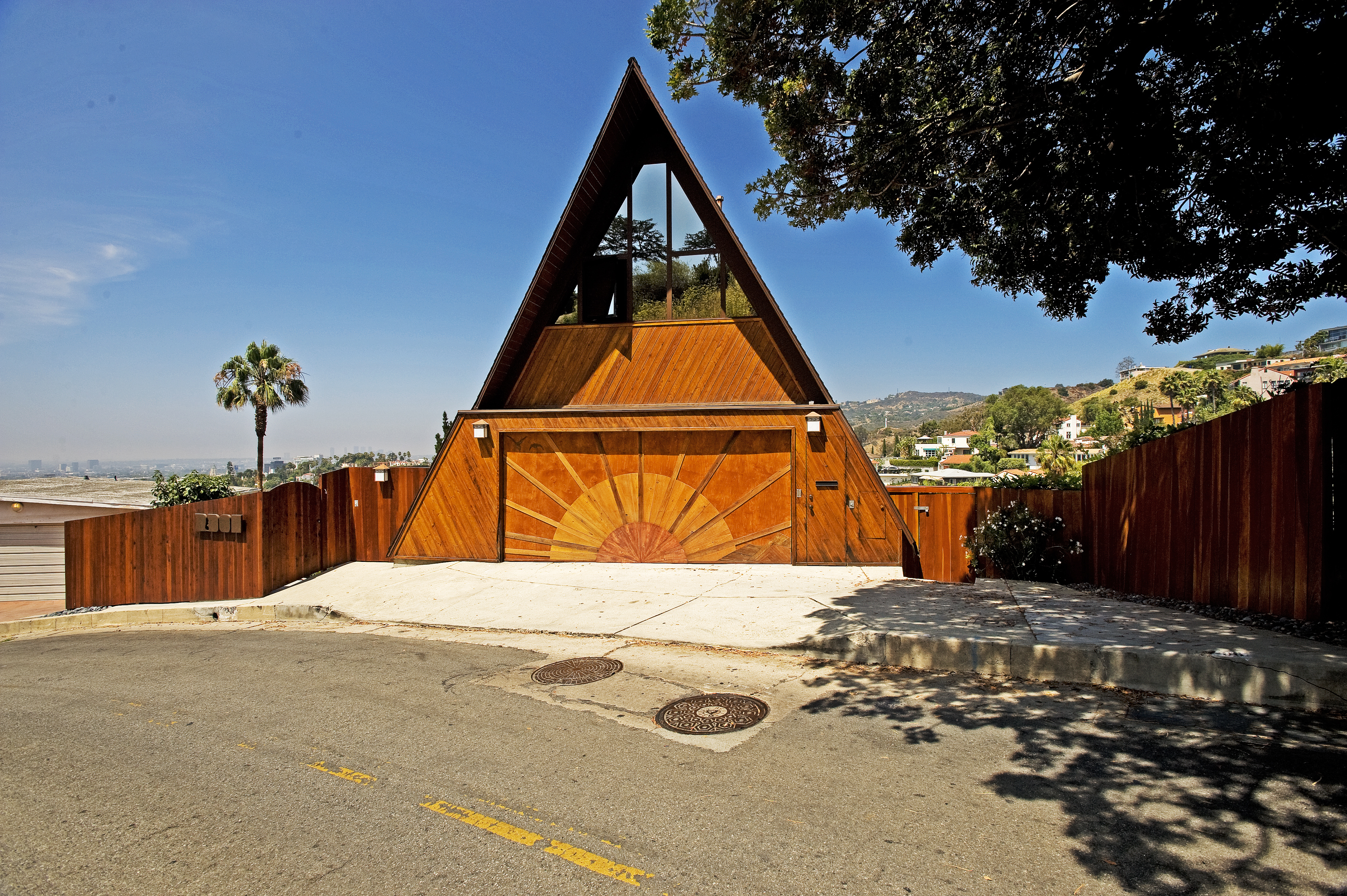
This is especially true with mid-century and modern homes, where glass, decks, cantilevers and open interiors were used to pull the view into the house. In Outpost Estates, the city is not just something you see from the backyard. In the best homes, it becomes part of the architecture.
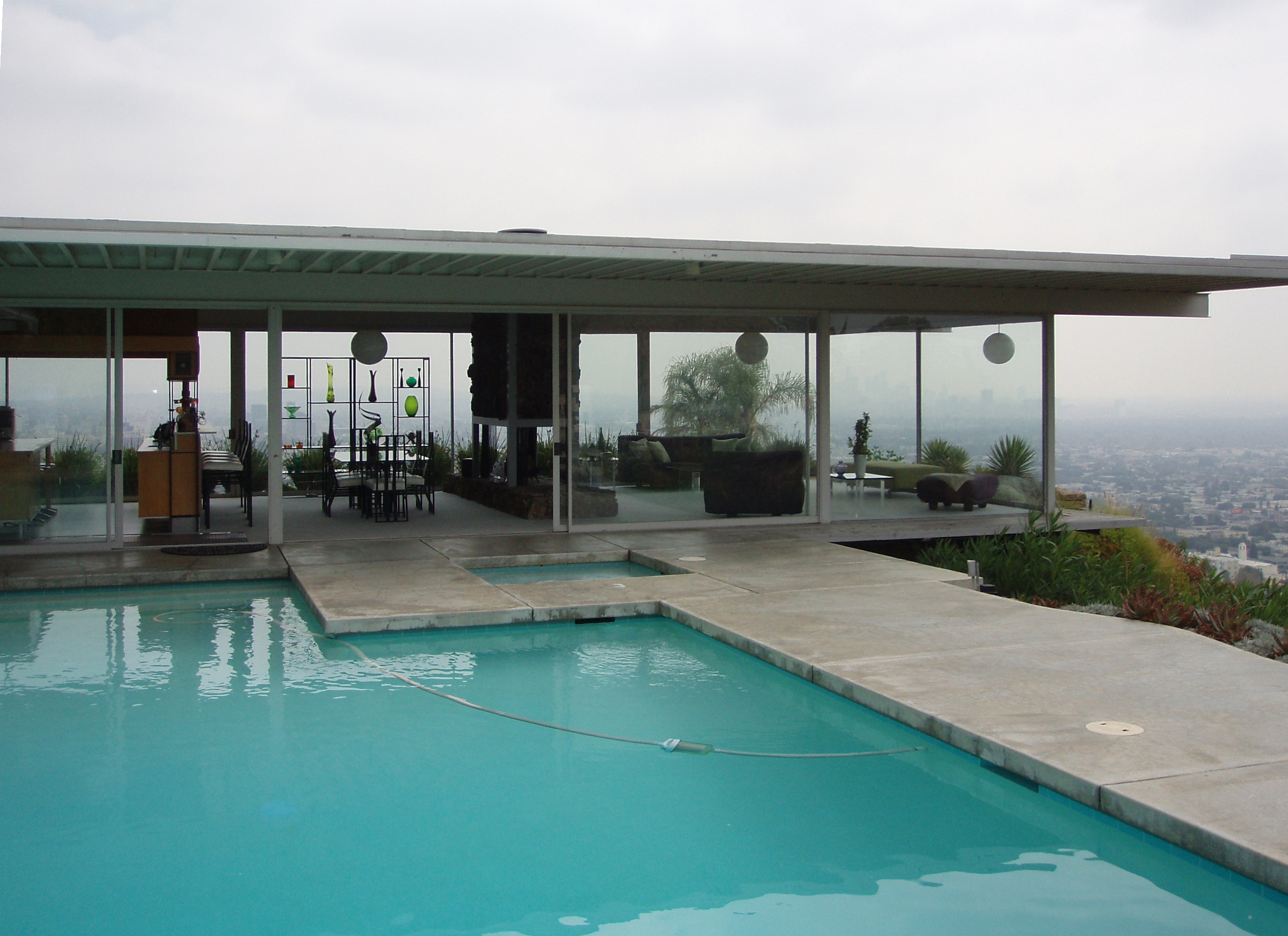
Why the A-Frame and the Hillside Home Make Sense Here
One of the reasons Outpost Estates feels so distinctly Los Angeles is that it allows for eccentricity.
A flat, formal neighborhood often rewards symmetry and consistency. The hills reward imagination. A steep or unusual lot can become the reason a home is memorable. That is why you see everything from classic old Hollywood homes to sharp modern boxes to wood-clad hillside houses that feel almost like cabins above the city.
That visual range is part of the neighborhood’s personality.
The A-frame image fits that story beautifully. It is not the stereotypical idea of Hollywood luxury, but that is exactly why it works. Outpost Estates is not only about polished mansions. It is about creative hillside living. It is about homes that feel personal, sometimes theatrical, sometimes experimental and often very connected to the landscape.
That is a big reason creative buyers are drawn here.
The Celebrity Layer
Outpost Estates has always had a connection to Hollywood’s creative class.
That does not mean every house has a famous story, but the neighborhood’s location makes the connection obvious. It sits just above Hollywood, near the studios, near the old entertainment corridors, and near the places where actors, directors, writers and industry figures wanted to be.
That is important because the Hollywood Hills were never just about escaping the city. They were about living close to the machinery of fame while still having privacy.
Outpost Estates offered that early.
The hills gave people distance. The views gave them drama. The location gave them access. That combination made the neighborhood appealing then, and it still makes it appealing now.
In Los Angeles real estate, proximity to culture matters. Outpost Estates has always had that.
What Makes Outpost Estates Different From Other Hollywood Hills Areas
The Hollywood Hills are not one thing.
There is Bird Streets glamour. There is Laurel Canyon bohemian history. There is Beachwood Canyon old Hollywood charm. There is Sunset Plaza flash. There are ultra-modern view estates, canyon cottages, gated compounds and everything in between.
Outpost Estates sits in its own lane.
It feels historic without feeling sleepy. It feels central without feeling overly exposed. It has architectural variety, but it also has a strong neighborhood identity. The streets still feel residential. The hillside setting still feels intimate. And the location, just above Hollywood, gives it an edge that more remote hillside areas do not have.
That is the balance buyers respond to.
You can be minutes from Hollywood, West Hollywood, Runyon Canyon, the studios and major east-west corridors, but still feel like you are coming home to a private hillside enclave.
That is hard to replicate.
The Real Estate Appeal Today
From a real estate perspective, Outpost Estates appeals to a specific kind of buyer.
This is not usually the buyer who wants a flat suburban street and a predictable floor plan. This is the buyer who wants atmosphere. They want views. They want privacy. They want a home that feels tied to Los Angeles history without being stuck in the past.
Some buyers want a restored character home. Some want a mid-century with walls of glass. Some want a contemporary view property with a pool, decks and entertaining space. Others want something smaller but special, a hillside retreat that feels tucked away but still close to the city.
The common thread is lifestyle.
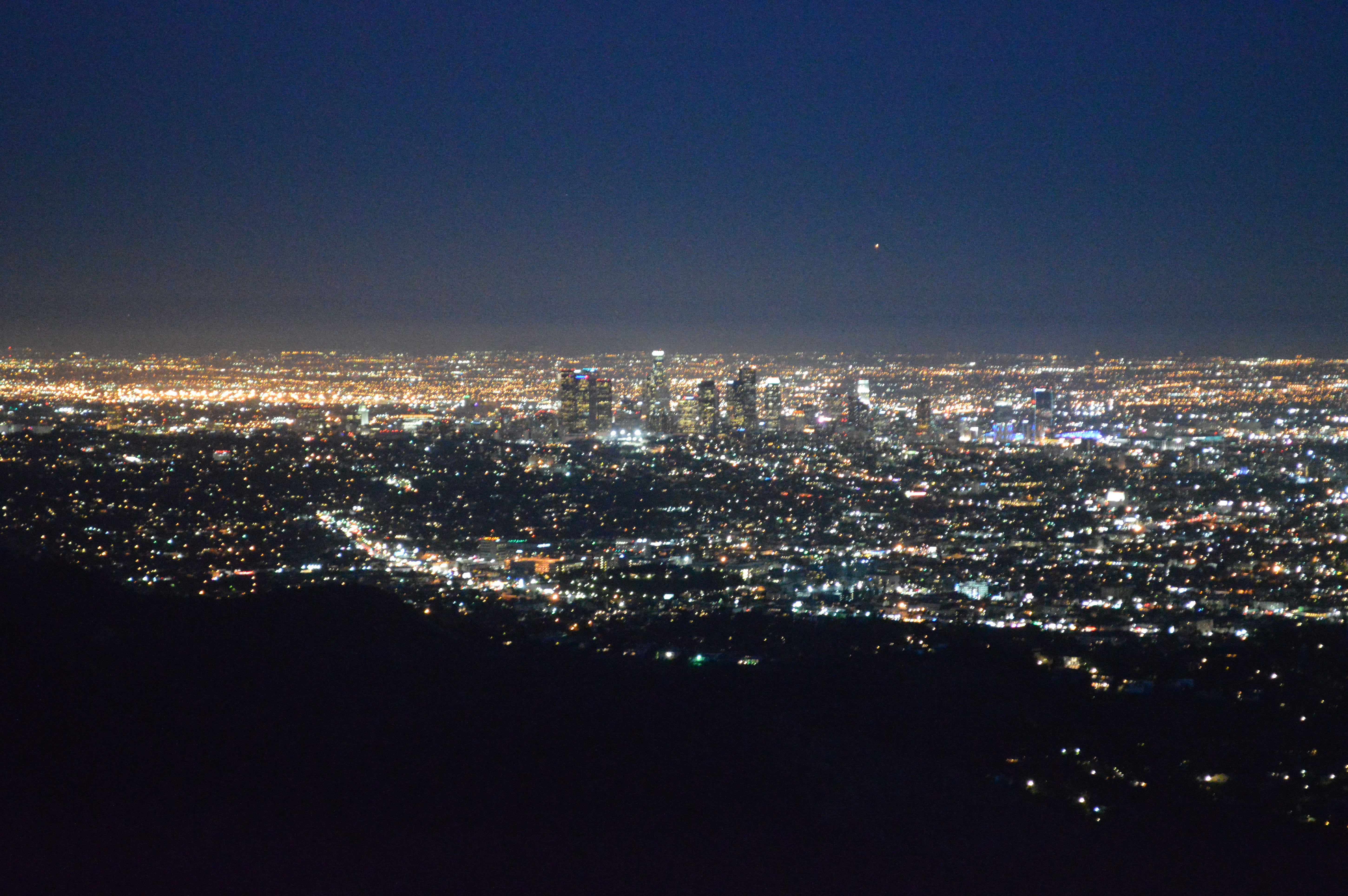
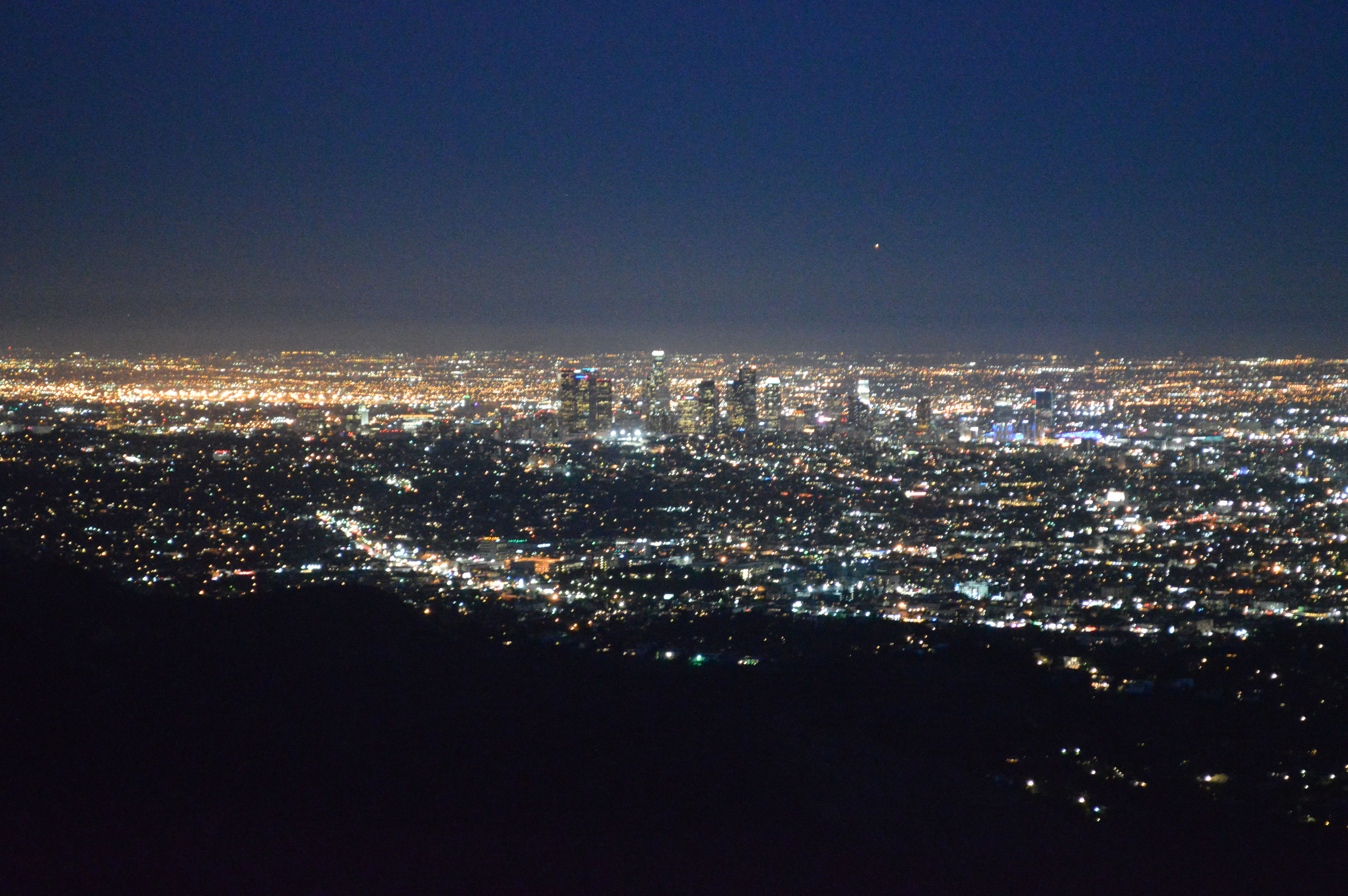
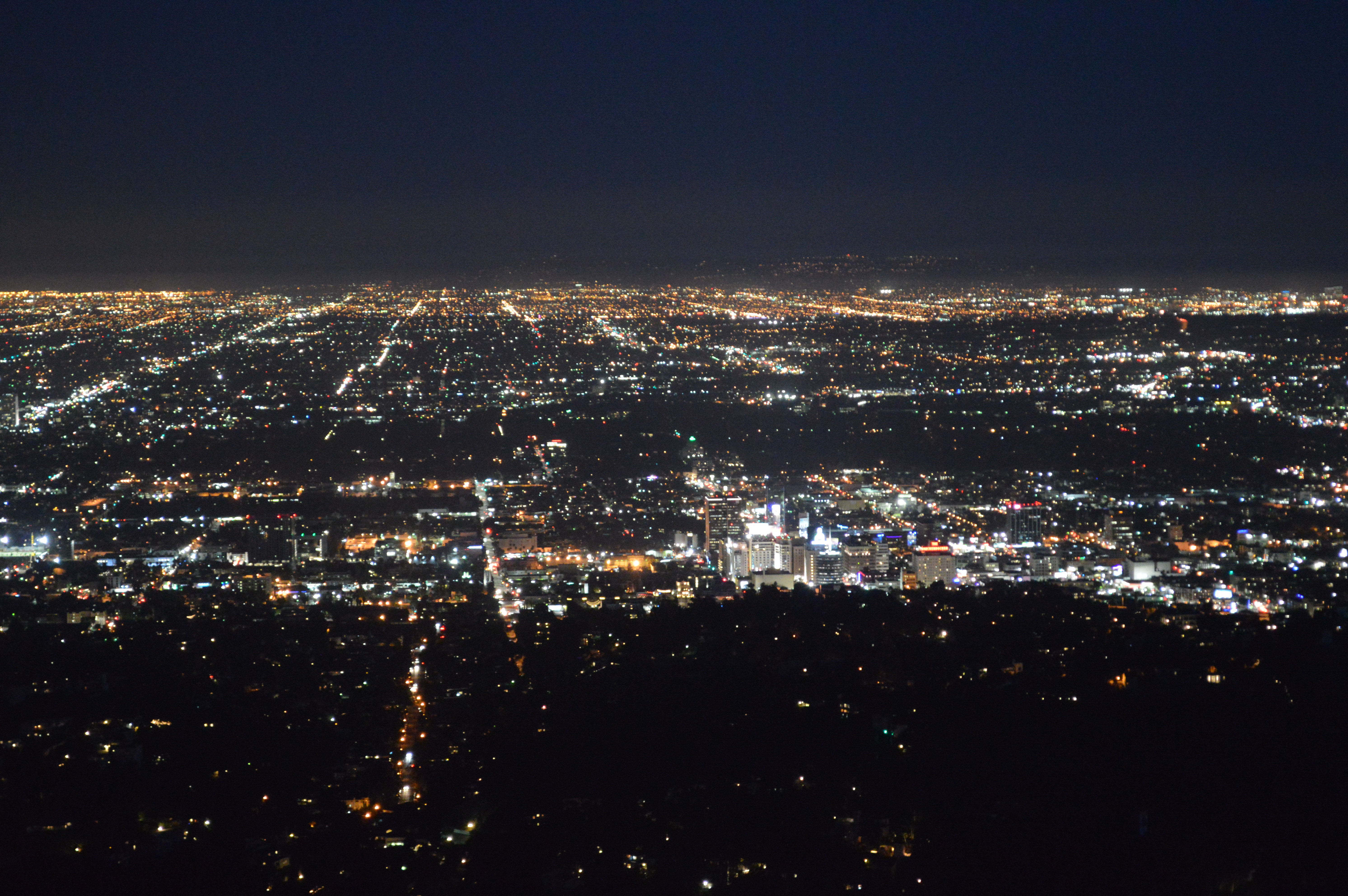
Outpost Estates is about the feeling of being above Hollywood. It is about watching the city change from morning haze to sunset glow to night lights. That emotional pull is a real part of the market here.
People do not just buy square footage in Outpost Estates. They buy the view, the story and the mood.
What Buyers Need to Watch For
Outpost Estates is beautiful, but hillside real estate always requires more due diligence.
The things that matter here are not always obvious in listing photos. You need to look carefully at slope, drainage, retaining walls, foundation systems, access, parking, insurance, fire considerations, privacy, noise and how the house actually lives day to day.
A dramatic view can be seductive, but the details matter.
Is the street easy to navigate? Is there usable outdoor space? Is the garage functional? Are there stairs everywhere? Has the home been properly maintained? Are the systems updated? Does the property feel private, or are neighboring homes looking directly in?
These are not small questions. They can affect value, livability and resale.
That is why Outpost Estates is the kind of neighborhood where local knowledge matters. A home can look incredible online and feel complicated in person. Another home can photograph modestly but have a rare lot, great orientation and much better upside.
You have to read the hillside.
What Sellers Should Understand
For sellers in Outpost Estates, the key is to sell the story without overdoing it.
The neighborhood already has the ingredients buyers want: Hollywood history, hillside privacy, views, architecture and location. The strongest marketing should make those qualities feel clear and specific.
That means showing the approach to the home, the view at different times of day, the outdoor spaces, the relationship between rooms and the city below, and the architectural details that make the property feel unique.
In a neighborhood like this, generic luxury language is not enough.
Buyers need to understand why this house, on this street, with this view, is special. The difference between a good hillside listing and a great one is often in how well the property’s setting is explained.
Outpost Estates homes are not interchangeable, and the marketing should not treat them like they are.
My Take on Outpost Estates
To me, Outpost Estates is one of the most underrated historic hillside neighborhoods in Los Angeles.
It has the old Hollywood connection, but it is not just nostalgia. It has the views, but it is not only about spectacle. It has architecture, but it is not limited to one style. The neighborhood works because all of those pieces overlap.
That is what makes it feel authentic.
Outpost Estates is not trying to manufacture a lifestyle. The lifestyle is built into the geography. You are above Hollywood. You are close to the action. You have views, privacy and a sense of removal without being far away.
That is the original Hollywood Hills dream.
And after all these years, it still works.
Final Take
Outpost Estates is one of the clearest examples of why the Hollywood Hills became so iconic.
The neighborhood took a simple idea and made it powerful: live above the city, close to the center of culture, with enough privacy and drama to feel like you are somewhere else.
That idea helped define Los Angeles hillside living.
Today, Outpost Estates remains valuable because it offers something that cannot be easily recreated. The lots are limited. The views are specific. The history is real. The homes are varied. And the location still delivers.
For buyers, it is a neighborhood that rewards patience and careful selection. For sellers, it is a neighborhood where the right story can make a major difference.
If you are thinking about buying or selling in Outpost Estates, the Hollywood Hills, Hollywood Hills West or nearby areas, contact me, Tyler Neale. I can help you understand the neighborhood, the architecture, the hillside details and the real value behind these one-of-a-kind Los Angeles homes.