
Hancock Park is one of those Los Angeles neighborhoods that never has to try too hard.
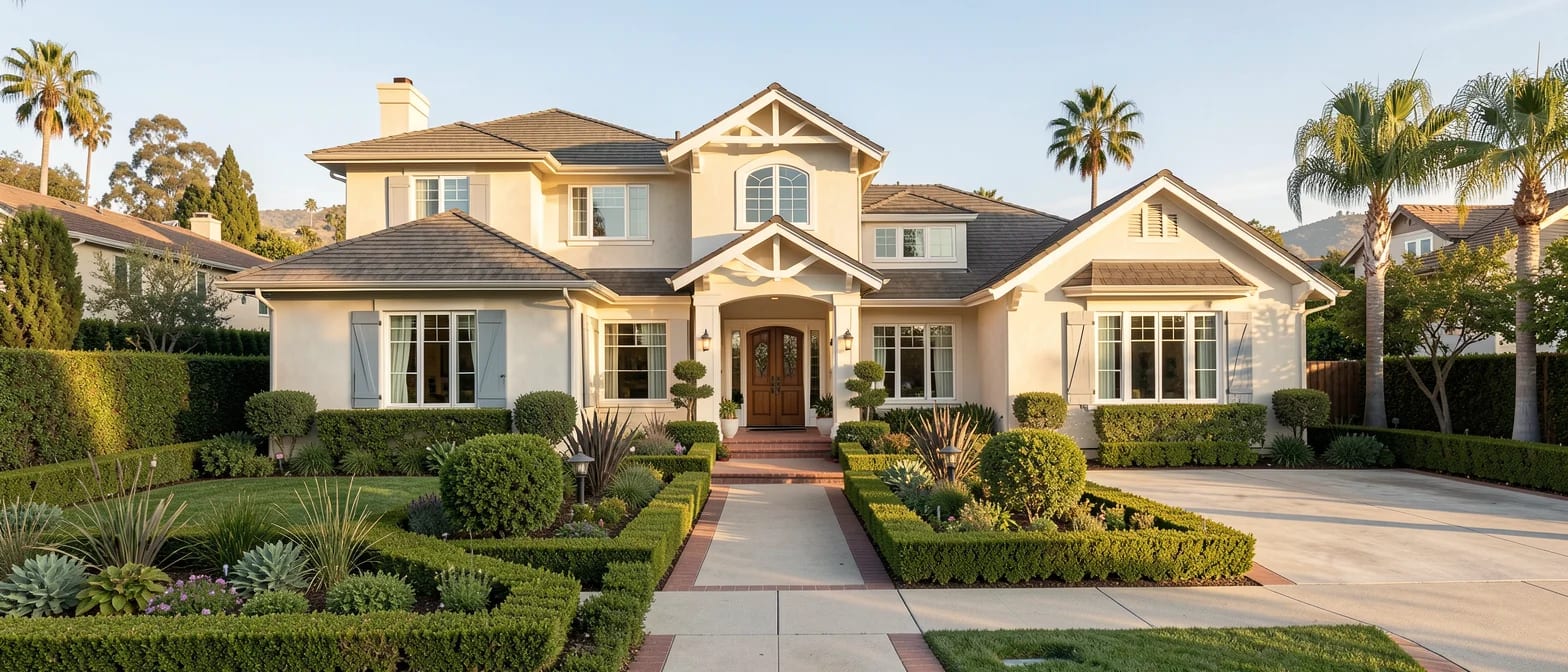
It does not need ocean views. It does not need flashy gates or exaggerated modern mansions to prove its value. It is one of the rare neighborhoods in Los Angeles that feels established the moment you enter it. The streets are broad, the setbacks are generous, the trees are mature, and the houses carry the kind of architectural weight that makes even a quick drive through the neighborhood feel memorable.
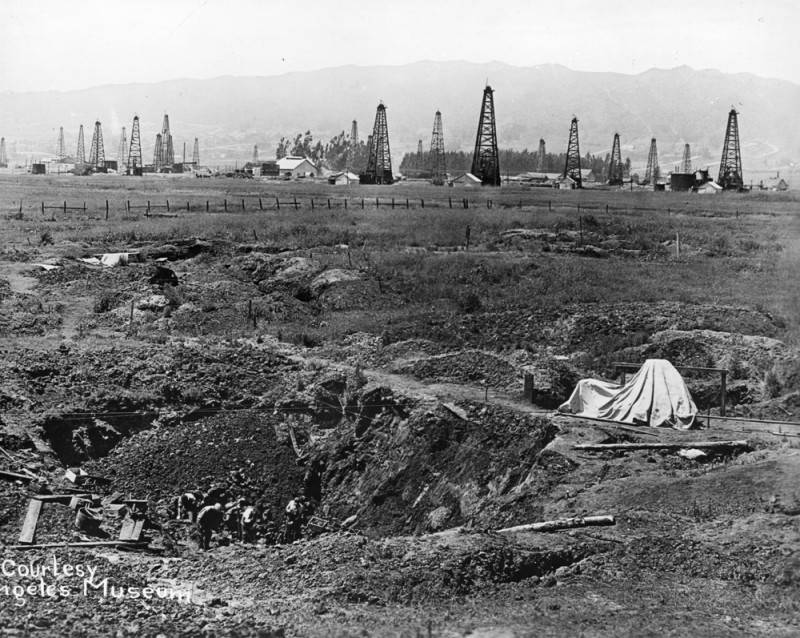
What makes Hancock Park so interesting is that its elegance was built on something much rougher. Before it became one of Los Angeles’ premier residential neighborhoods, this land was associated with tar, oil, excavation and one of the most unusual geologic landscapes in Southern California.
That contrast is part of what makes Hancock Park so distinctly Los Angeles. Few luxury neighborhoods can trace their story from prehistoric tar pits to oil wealth to grand early 20th-century homes, all while sitting in the middle of the city.
Before Hancock Park Was a Neighborhood
Long before Hancock Park became known for stately homes and manicured lawns, this area was part of Rancho La Brea, one of the great landholdings in early Los Angeles history.
Rancho La Brea became famous for two things. First, the land was rich with natural asphalt, which gave us what we now know as the La Brea Tar Pits. Second, it sat over valuable oil deposits. That meant the same land that would later become one of LA’s most beautiful residential districts was once a working landscape tied to extraction and industry.
That origin matters because the wealth behind Hancock Park’s development did not come out of nowhere. It literally came out of the ground.
The early story of this area is one of land, minerals, speculation and transformation. That is a recurring theme in Los Angeles history, but here it feels especially dramatic. One generation sees a field of oil derricks. The next sees one of the city’s most refined residential enclaves.
The Hancock Family and the Birth of the Neighborhood
Hancock Park is named for the Hancock family, whose fortunes were tied to this land. Their ownership of Rancho La Brea gave them control over a massive and strategically located swath of Los Angeles at a time when the city was rapidly pushing westward.
As Los Angeles expanded in the early 20th century, the family began developing parts of their holdings into residential districts. Hancock Park emerged in the 1920s as a high-end neighborhood intended to attract affluent buyers who wanted space, prestige and proximity to the growing center of the city.
This was not meant to be a dense urban neighborhood. It was designed to feel gracious and residential. Large lots, landscaped streets, significant setbacks and strict standards all helped create a sense of permanence. Even today, that original planning logic is still easy to read. Hancock Park feels orderly in a way many Los Angeles neighborhoods do not.
That may be one reason the neighborhood has aged so well. It was built to feel substantial from the start.
Why Wilshire Boulevard Mattered
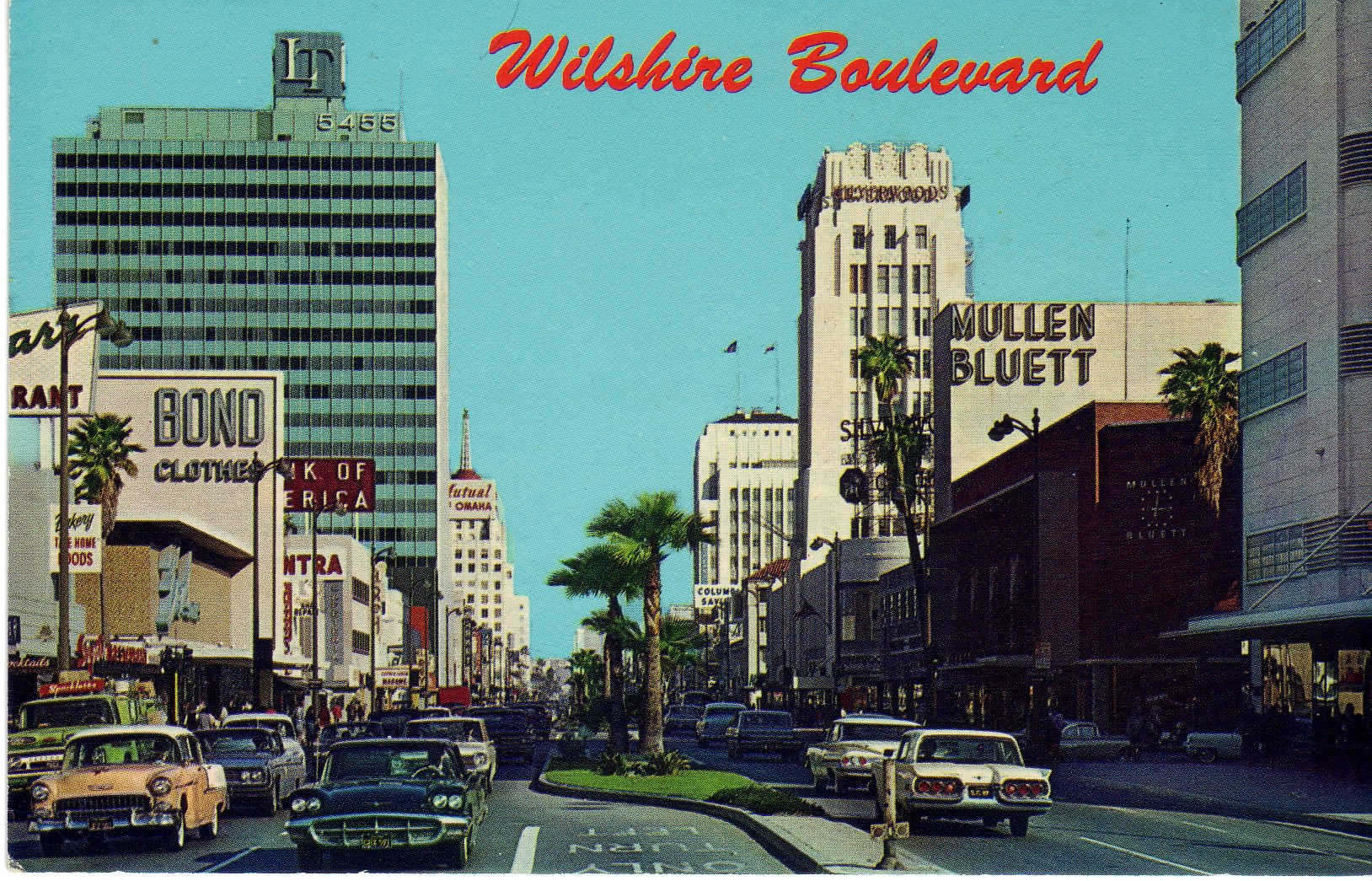
If the land gave Hancock Park its beginning, Wilshire Boulevard gave it momentum.
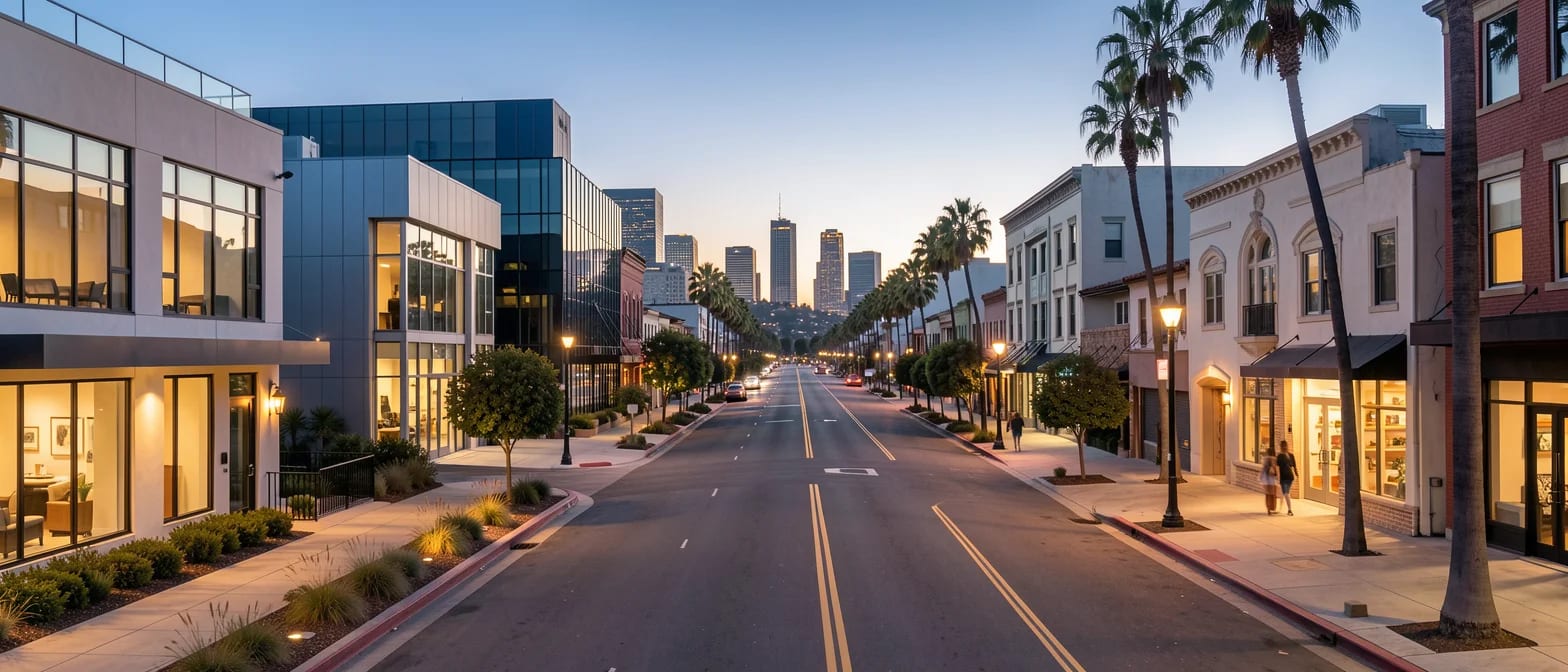
Wilshire became one of the great spines of Los Angeles growth, connecting different parts of the city and helping push commerce, culture and residential development westward. A prestigious neighborhood near Wilshire was not just convenient. It was strategic.
Hancock Park benefited from that location in a big way. It sat close enough to Wilshire to enjoy the energy and importance of one of LA’s major boulevards, but far enough from the traffic and commercial intensity to maintain a residential character.
That balance still defines the neighborhood today.
You can feel close to everything in Hancock Park. Downtown is accessible. Hollywood is accessible. Koreatown, Beverly Hills, Mid-Wilshire and West Hollywood are all within reach. Yet Hancock Park itself still feels calm, insulated and surprisingly quiet.
That combination is hard to duplicate.
Why the Neighborhood Still Feels So Different
A lot of neighborhoods in Los Angeles are desirable. Far fewer feel distinguished.
Hancock Park feels distinguished because of scale and consistency. The homes tend to sit on generous lots. The streets have width. The landscaping feels mature rather than newly staged. And the architecture still does a lot of the talking.
This is one of the best neighborhoods in Los Angeles for people who love early 20th-century residential architecture. You see Tudor Revival, Mediterranean, Colonial Revival, French-inspired estates, Spanish homes and other period styles that give the neighborhood depth and variety without making it feel chaotic.
Even when the homes differ stylistically, the neighborhood still holds together. That is because the proportions are similar. The setbacks are similar. The tree canopy softens the streetscape. The result is a neighborhood that feels unified without feeling repetitive.
It is one of the few places in Los Angeles where grandeur feels understated.
The Tar Pits Are More Than a Tourist Attraction
One of the most fascinating things about Hancock Park is that it sits beside one of the strangest and most famous landscapes in the city: the La Brea Tar Pits.
For many people, the tar pits are just a field trip or a museum stop. But in the story of Hancock Park, they are much more than that. They are a reminder that this entire district sits on land that is geologically unusual and historically layered.
This is part of what gives Hancock Park its texture. It is not just old in the architectural sense. It is ancient in the geological sense.
The tar pits connect the neighborhood to deep prehistory. Ice Age animals were trapped here. Fossils were preserved here. Excavation and scientific discovery turned this area into one of the most important paleontological sites in the world. That is not normal neighborhood context.
And yet in Los Angeles, somehow, it fits.

The Page Museum Keeps That Story Alive
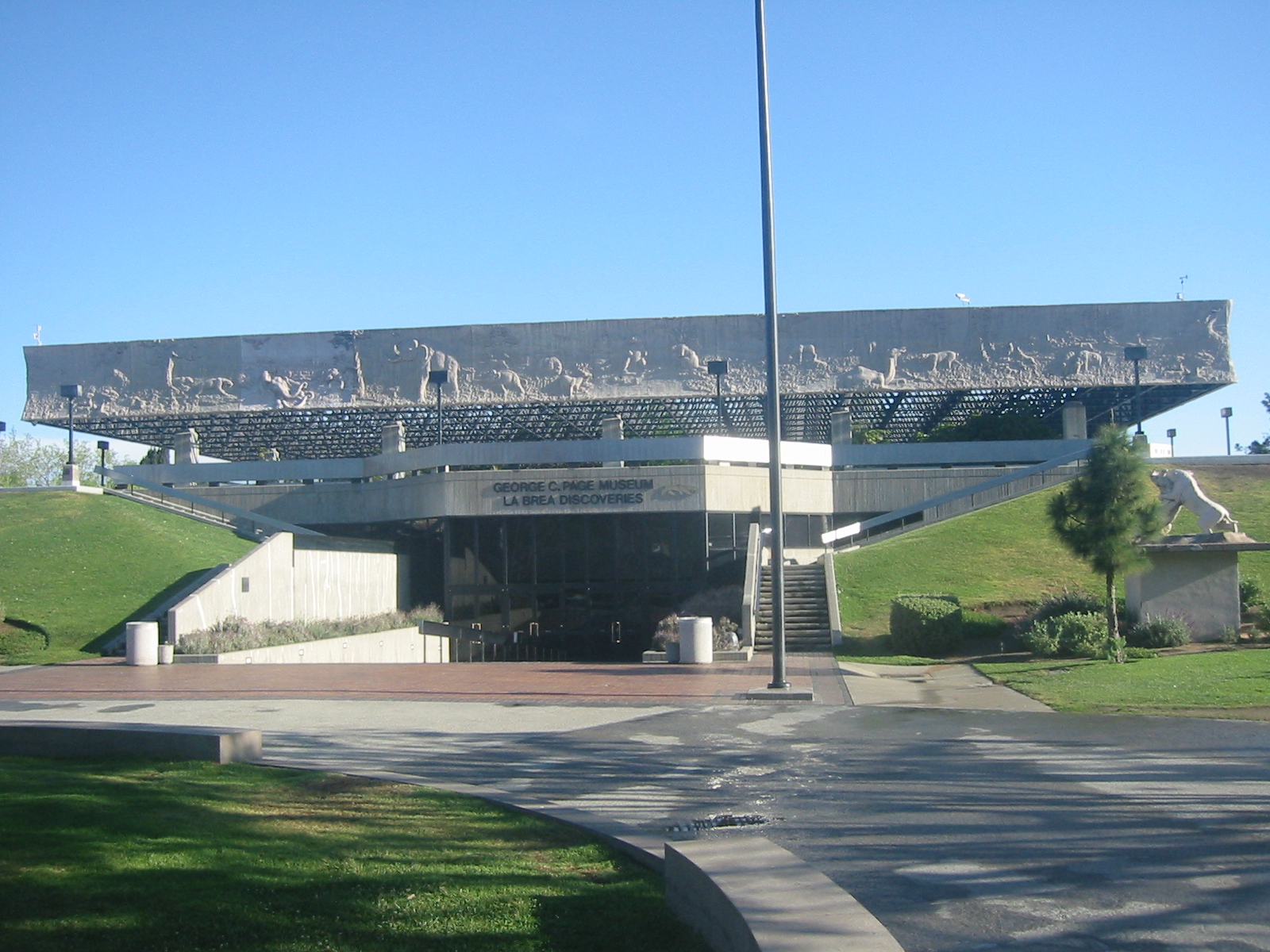
The modern cultural anchor of this story is the George C. Page Museum, which helps preserve and interpret the discoveries of the La Brea Tar Pits.
For residents and visitors alike, it gives this part of the city a sense of continuity. Hancock Park is not just a beautiful residential neighborhood near museums. It is a neighborhood sitting beside one of the great scientific and historical sites in Los Angeles.
That adds a dimension you do not get everywhere else.
There are luxury neighborhoods that offer privacy. There are neighborhoods that offer architecture. There are neighborhoods that offer centrality. Hancock Park offers those things too, but it also offers a sense of place. There is a real story here, and it is visible in the landscape.
That is one reason the neighborhood remains so enduring. It does not feel generic. It feels rooted.
What Buyers Love About Hancock Park Today
From a real estate perspective, Hancock Park continues to appeal for many of the same reasons it always has.
First, it offers space. In a city where many neighborhoods feel increasingly compressed, Hancock Park still gives buyers larger lots and homes with real presence.
Second, it offers architectural integrity. Buyers who are tired of interchangeable flips or thin-lot new builds often respond to Hancock Park because the homes feel more substantial, more intentional and more lasting.
Third, it offers location without chaos. That may be its greatest strength. You can live in the center of Los Angeles without feeling like you are living in the middle of it.
And fourth, it offers prestige. Hancock Park has long had a reputation as one of LA’s classic old-guard neighborhoods. That reputation still carries weight. It is not trendy in the way some neighborhoods are trendy. It is established, and that distinction matters to a certain kind of buyer.
What Sellers Should Understand
If you are selling in Hancock Park, the key is to understand what buyers are really responding to.
They are not only buying square footage. They are buying scale, character, history and neighborhood identity.
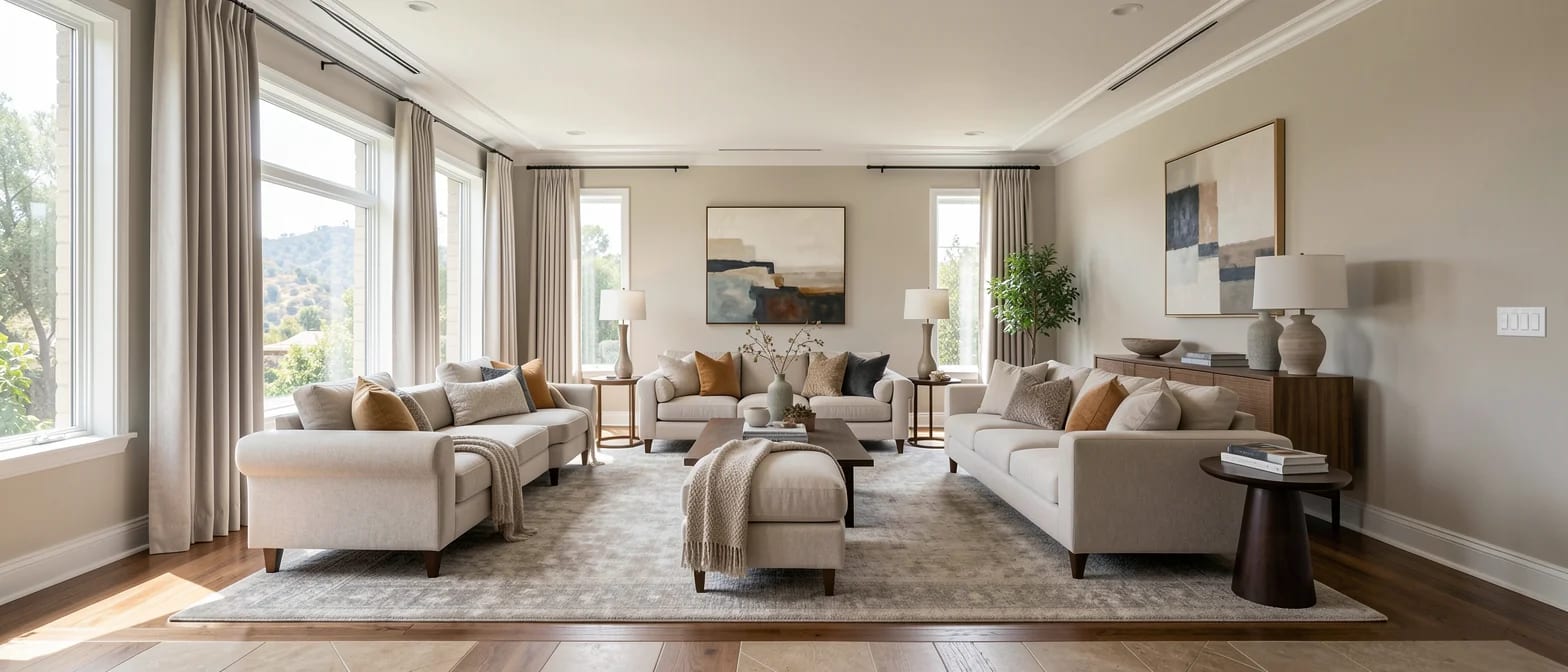
That means presentation should emphasize more than finishes. The lot size matters. The architecture matters. The quality of restoration matters. The relationship between indoor and outdoor space matters. Even things like the original details, the landscaping, the frontage and the street presence matter in a bigger way here than they might in a more commodity-style market.
In Hancock Park, the best homes tend to feel irreplaceable.
That is a strong position for a seller, but it also means buyers tend to be discerning. They notice quality. They notice authenticity. They notice when a home has been updated in a way that respects its history and when it has not.
My Take on Hancock Park
To me, Hancock Park is one of the clearest examples of old Los Angeles wealth becoming neighborhood form.
The land first generated value through natural resources. That value helped shape one of the city’s most graceful residential districts. Then time did what it does in the best neighborhoods: it deepened the character.
Now Hancock Park feels like the kind of place Los Angeles does not make very often anymore.
It has room to breathe. It has architectural substance. It has a central location. And it has a history that is far more layered than most people realize. You can trace its story from prehistoric fossils to oil derricks to Wilshire Boulevard to elegant residential streets. That is a very Los Angeles arc, but few neighborhoods embody it as clearly as Hancock Park.
That is why Hancock Park continues to matter.
It is not just desirable because it is expensive. It is desirable because it has identity.
Final Take
Hancock Park is one of the rare LA neighborhoods where prestige feels earned.
Its beauty is real, but it did not appear overnight. It grew out of land history, oil wealth, city expansion, thoughtful planning and decades of architectural continuity. The result is a neighborhood that still feels significant, even in a city full of notable addresses.
That is what keeps Hancock Park relevant.
It is classic without feeling frozen. It is central without feeling overrun. And it offers a version of Los Angeles living that is hard to replicate anywhere else.
If you are thinking about buying or selling in Hancock Park, Windsor Square, Larchmont, Mid-Wilshire or nearby areas, contact me, Tyler Neale. As a local Los Angeles real estate agent, I can help you understand not just the pricing, but the neighborhood history, positioning and the real reasons certain homes in this part of Los Angeles command the attention they do.