
A strong Studio City sale starts with a price grounded in comparable homes, not just an online estimate or an ambitious target. Pair that research with thoughtful repairs, staging, and a clear marketing plan so buyers understand what makes your property worth a closer look. Here’s how to make those decisions before your home goes on the market.
Start With the Homes Buyers Will Compare
Pricing a home is part research and part judgment. In Studio City, a hillside property with views and a home on a flatter lot may appeal for different reasons, even if their square footage is similar. The goal is to understand what buyers can choose from now and what they have recently paid for homes with relevant similarities.
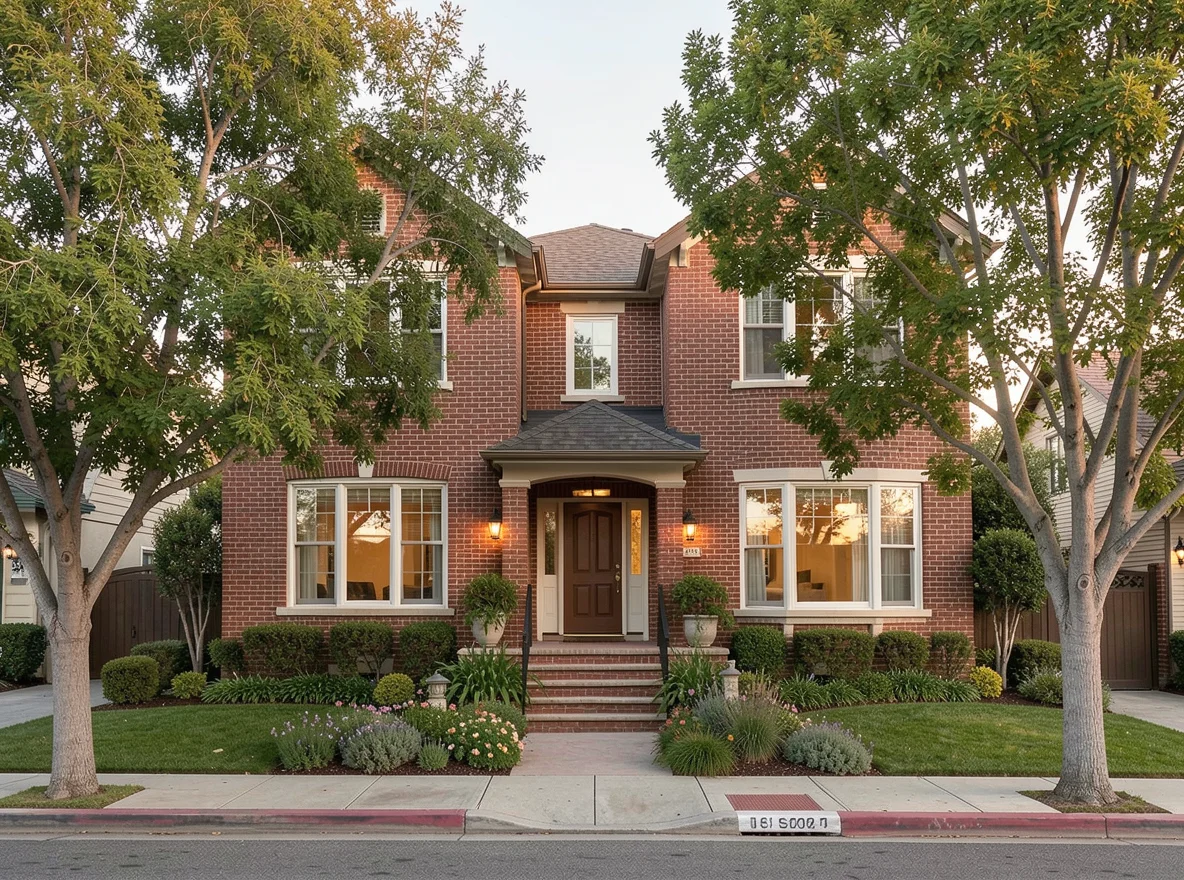
Ask your agent for a comparative market analysis that includes recent closed sales, pending sales, and active listings. Closed sales show what buyers actually paid; active listings show the competition your home may face. Pending sales can indicate what attracted a buyer, although the final sale price may not be known until closing.
Look beyond bedroom counts. Compare location, interior size, lot characteristics, condition, parking, outdoor space, and major upgrades. A renovated kitchen, a steep driveway, or a usable backyard can change how a buyer evaluates a home. When a close match is unavailable, discuss which differences matter and why an adjustment may be appropriate rather than relying on a simple price-per-square-foot calculation.
A listing price is an asking price, not evidence of a completed sale. Use closed transactions to anchor your analysis and active listings to understand today’s alternatives.
Also consider when each comparable sold and whether its condition was similar at the time. Older transactions may need more context if market conditions have changed. If a sale included concessions or had unusual circumstances, those details can affect how useful it is as a guide. Your agent can help explain what the available records show and where the evidence is less certain.
Choose a Price With a Purpose
Once you understand the likely value range, decide where your home fits within it. A property that is carefully maintained and ready to show may support a different position from one that needs substantial work. Consider your preferred timing, the number of competing homes, and how the home’s features compare—not just the amount you hope to receive.
Pricing well above the evidence can make competing properties look more attractive and leave your listing sitting while buyers move on. Pricing below the likely range may draw attention, but it does not guarantee multiple offers or a higher final price. The right approach depends on the home and current conditions, so discuss the tradeoffs before choosing a number.
Search filters matter, too. Buyers often set an upper price limit, so a small difference in asking price can affect which searches include your listing. That is one consideration—not a substitute for a defensible valuation. Review the price alongside comparable sales and your broader selling goals.
See current Studio City listings
Prepare the Home Before the Camera Arrives
Good preparation helps buyers focus on the home rather than a list of distracting chores. Begin with a walk-through of the entry, main living spaces, kitchen, bathrooms, and outdoor areas. Make a list of visible wear, deferred maintenance, and anything you already know needs attention; then separate essential repairs from optional cosmetic updates.
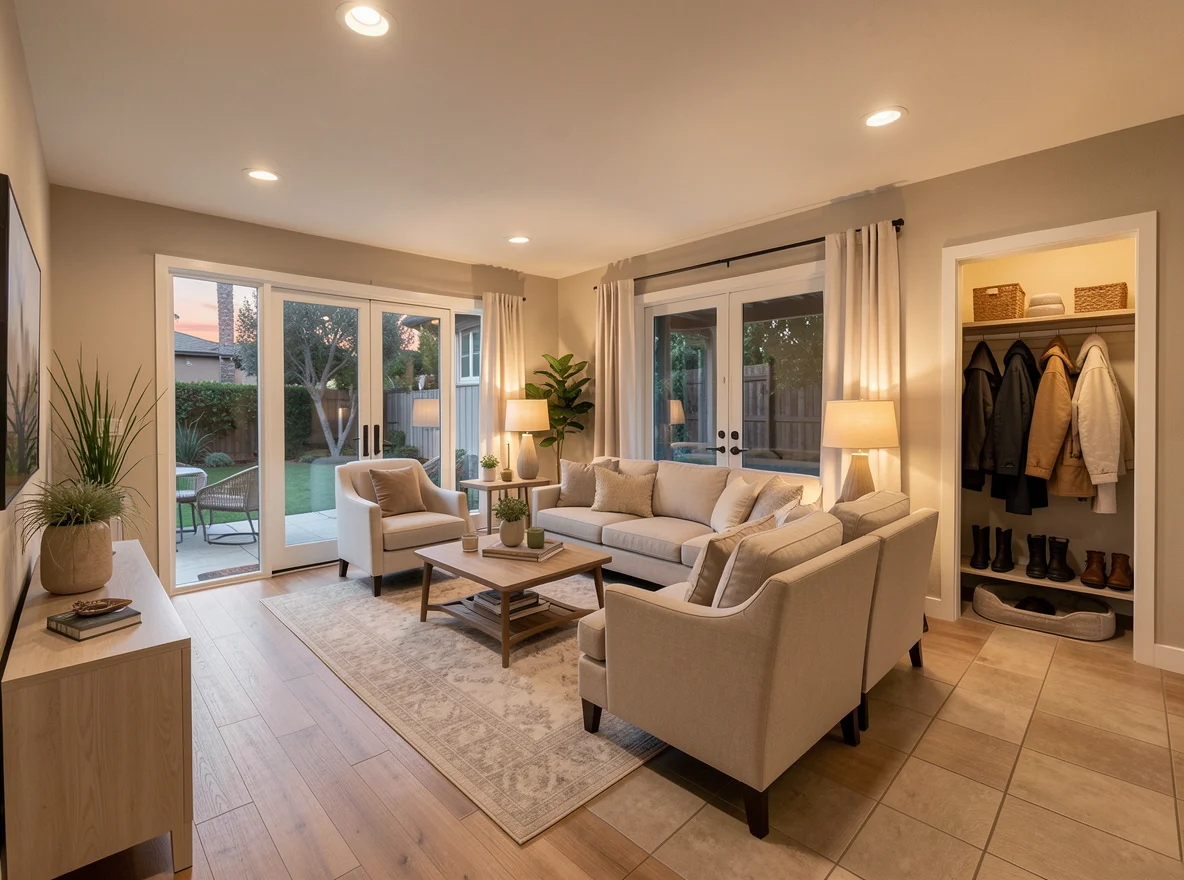
Start with practical improvements: deep cleaning, fresh caulking where needed, working light fixtures, tidy landscaping, and repairs to obvious defects. Clear counters and edit furniture so rooms are easy to navigate and their dimensions are easier to appreciate. If your home has a patio or garden, clean and arrange it as a usable extension of the interior.
Be selective about larger projects. A full renovation may cost more than it adds to the sale, particularly if it delays your listing. Before committing, ask for estimates and discuss the likely impact with your agent. Compare the cost, time, and disruption with alternatives such as a credit negotiated during the sale or a price that reflects the home’s current condition.
Make the repair and staging plan before scheduling listing photography. Photos should reflect the condition buyers will see when they arrive.
Consider whether a pre-listing inspection is useful for your situation. It can help identify issues early and give you time to obtain repair estimates, though it cannot eliminate the possibility of later findings. Gather permits, warranties, and records for work completed, and discuss applicable California disclosure obligations with your agent. Addressing known issues honestly is more useful than trying to conceal them.
Stage for Clarity, Not a Complete Reinvention
Staging should make the layout and strongest features easy to understand. In a light-filled living room, that might mean opening window treatments and reducing oversized furniture. In a smaller room, a simple desk or reading chair can demonstrate a possible use without making the space feel crowded.
Keep finishes and decor consistent with the property’s character. Professional staging may be worthwhile for some homes, while others need only editing and a few carefully chosen pieces. Ask what is included in any staging proposal, how long furnishings can remain, and what happens if the listing period extends. The objective is a welcoming presentation that supports the price—not an expensive makeover for its own sake.
Plan the Launch and Review the Response
Before the listing goes live, agree on the essentials: photography, property descriptions, showing availability, and how the home will be presented online. Video and digital storytelling can help communicate details that still photographs may not fully convey, such as the connection between indoor rooms and outdoor space. Marketing should accurately represent the property and its features.
Set a date to review the results with your agent. Look at showing activity, buyer feedback, competing listings, and any offers together rather than treating a single comment as a verdict. If interest is limited, consider whether the issue is access, presentation, price, or a combination. A price adjustment can be useful when supported by evidence, but it should be part of a deliberate plan rather than a reflex.
When offers arrive, compare more than the headline amount. Financing, contingencies, requested credits, deposit, and closing timing can all affect your proceeds and the likelihood of closing. If a buyer is financing, the lender’s appraisal may also influence the transaction. Ask for a seller net sheet that estimates your costs and proceeds under each offer, and review the terms carefully before deciding.
Make Your Next Move With a Clear Plan
The strongest pricing strategy brings the details together: a realistic comparison set, a home that shows well, and a launch plan you can adjust as the market responds. Before spending on improvements or settling on an asking price, talk through your property’s specific features and your timeline with Tyler Neale. A focused conversation can help you decide what to do now, what to leave alone, and how to introduce your home to the market with confidence.