
Studio City has one of the best neighborhood names in Los Angeles because it tells you exactly how the place became famous.
This was not just another Valley suburb that happened to be close to Hollywood. Studio City was built around the entertainment business. The name comes from the studios, sound stages and backlots that helped turn this part of the San Fernando Valley into a working extension of the film industry.
That is what I wanted to focus on in the video. Studio City is not just desirable because it has good restaurants, charming homes and easy access to the Westside. It is desirable because it sits at the intersection of Valley living and Hollywood history.
And now, with LA film and TV production facing real pressure, Studio City raises an interesting question: what happens to a neighborhood when the industry that gave it its identity starts to change?
Before Studio City Was Studio City
Before it became one of the most recognizable neighborhoods in the Valley, this area was part of a much older Los Angeles landscape.
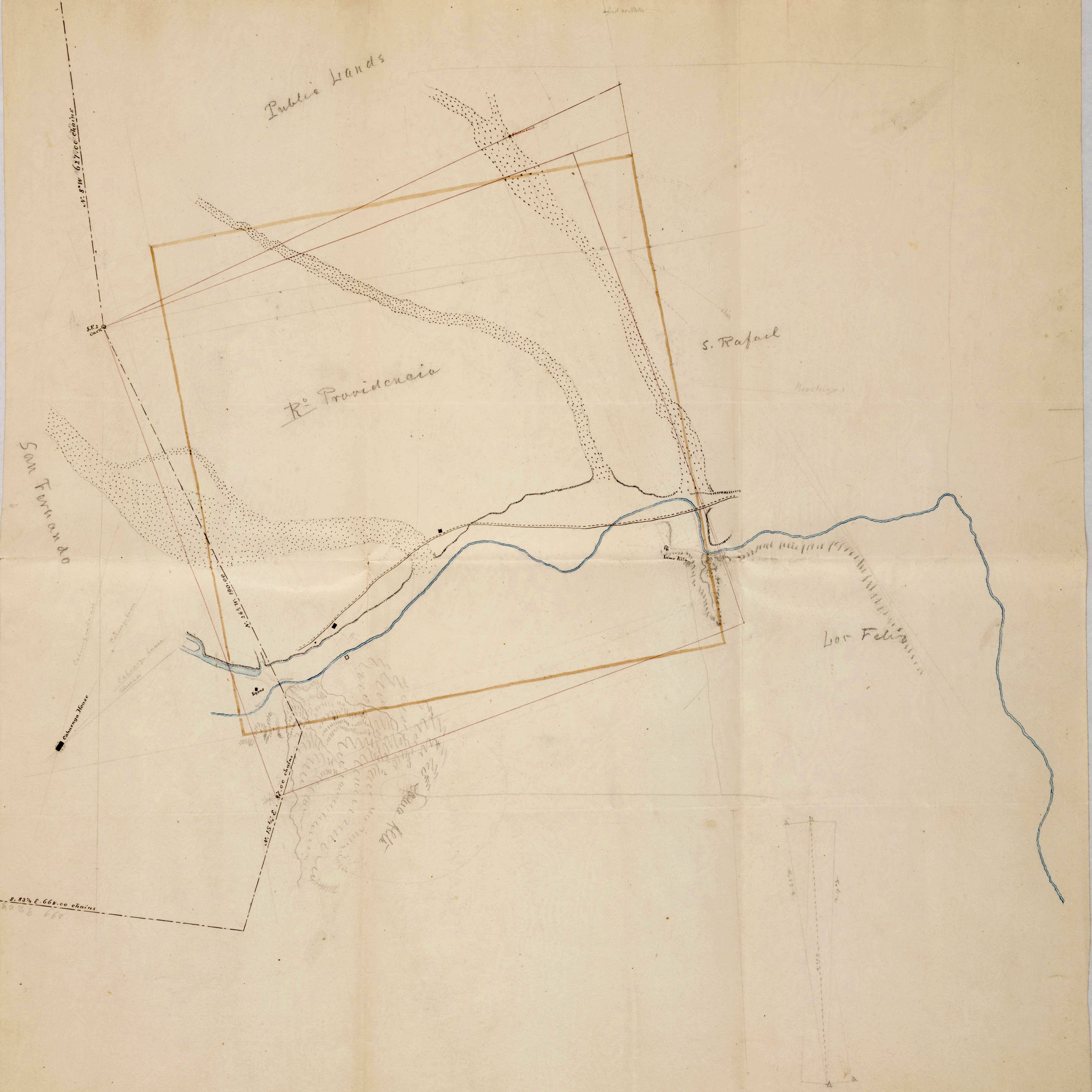
The land that became Studio City was once connected to the old rancho era, when the San Fernando Valley was open land, ranch land and agricultural territory. Long before Ventura Boulevard became one of the Valley’s most important commercial streets, this part of Los Angeles was defined by open space, waterways, dirt roads and the slow push of development across the basin.
That older geography still matters.
Studio City sits near the base of the Santa Monica Mountains, close to the Cahuenga Pass, the Los Angeles River and the historic route between the Valley and Hollywood. That location is one of the reasons the neighborhood became so important. It was close enough to the entertainment business to be useful, but far enough away to offer land, space and room to build.
The Studio That Gave Studio City Its Name
The real turning point came when the movie industry began expanding into the Valley.
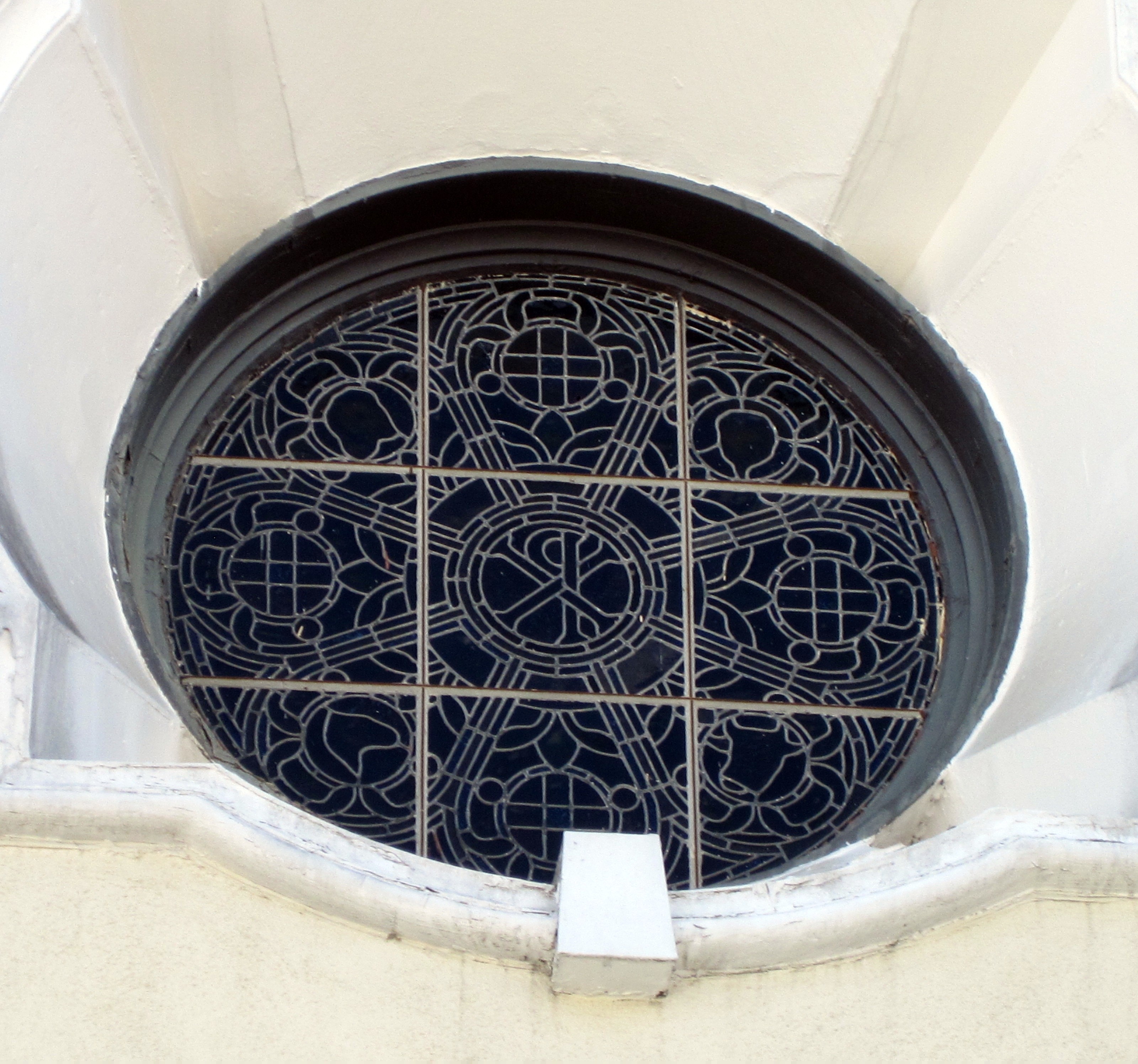
By the late 1920s, the area was being positioned as a place for film production. Mack Sennett, one of the major figures of silent-era comedy, helped establish a studio presence here, and that studio identity eventually gave Studio City its name.
That history is not just trivia. It explains the entire feel of the neighborhood.
Studio City was never only residential. It was always connected to work, production, creativity and proximity to the entertainment business. It became a place where actors, writers, producers, editors, musicians, crew members and executives could live near the studios without feeling like they were living in the middle of Hollywood.
That balance still defines the neighborhood today.
A Neighborhood Between Hollywood and the Valley
Studio City works because of its location.
It is in the Valley, but it does not feel disconnected from the city. You can get to Hollywood through the Cahuenga Pass. You can reach the Westside over the canyon roads. You can access Universal City, Burbank, Toluca Lake, Sherman Oaks and the Hollywood Hills without feeling isolated.
That geography has always been part of the appeal.
For people in entertainment, Studio City offered something practical: proximity. For families and homeowners, it offered something emotional: a real neighborhood with tree-lined streets, hillside pockets, schools, restaurants and homes that felt more relaxed than the city side of the hill.
That is why Studio City has never been just one thing. It is part industry town, part residential neighborhood, part Valley village and part hillside luxury market.
Ventura Boulevard Is the Spine
If Studio City has a main street, it is Ventura Boulevard.
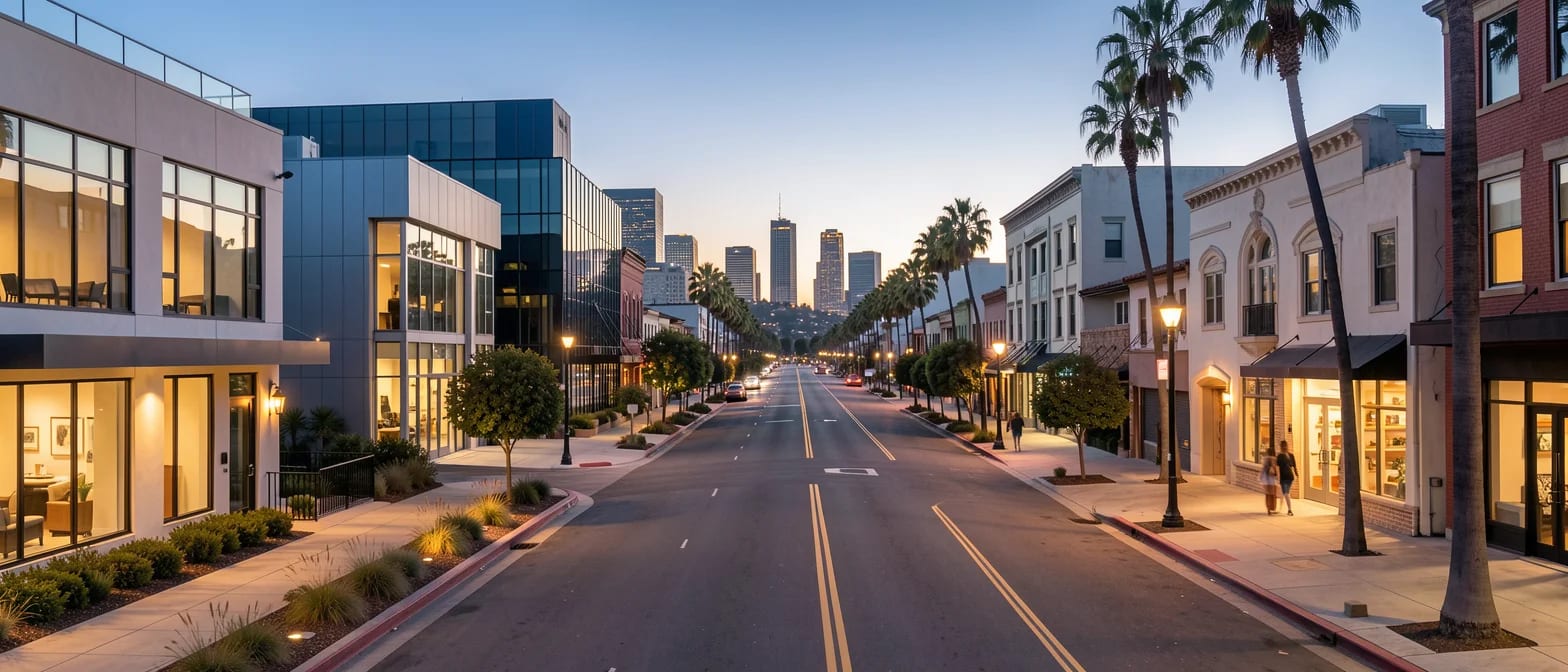
Ventura is where you feel the everyday rhythm of the neighborhood. Restaurants, coffee shops, sushi spots, bars, boutiques, offices, gyms, studios and small businesses all line the boulevard. It gives Studio City a sense of life that many purely residential luxury neighborhoods do not have.
That is one of the reasons buyers love it.
You can live in the hills with views and privacy, but still be minutes from dinner, coffee, groceries or a meeting. You can live south of the boulevard and feel tucked away, or north of the boulevard and still be close to everything.
In real estate, that combination is powerful.

Studio City’s Restaurant and Nightlife History
Studio City has always had a little flash to it.
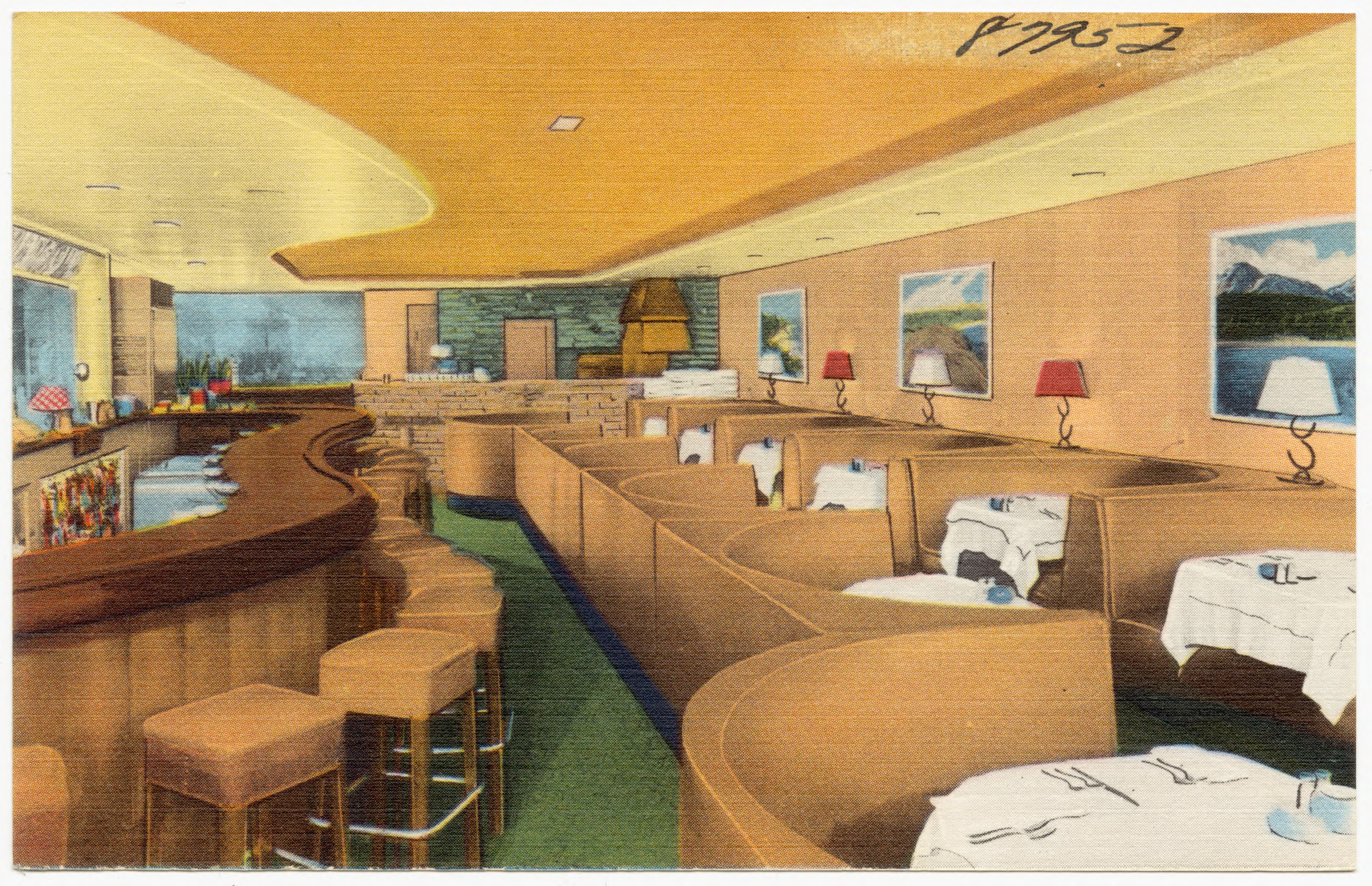
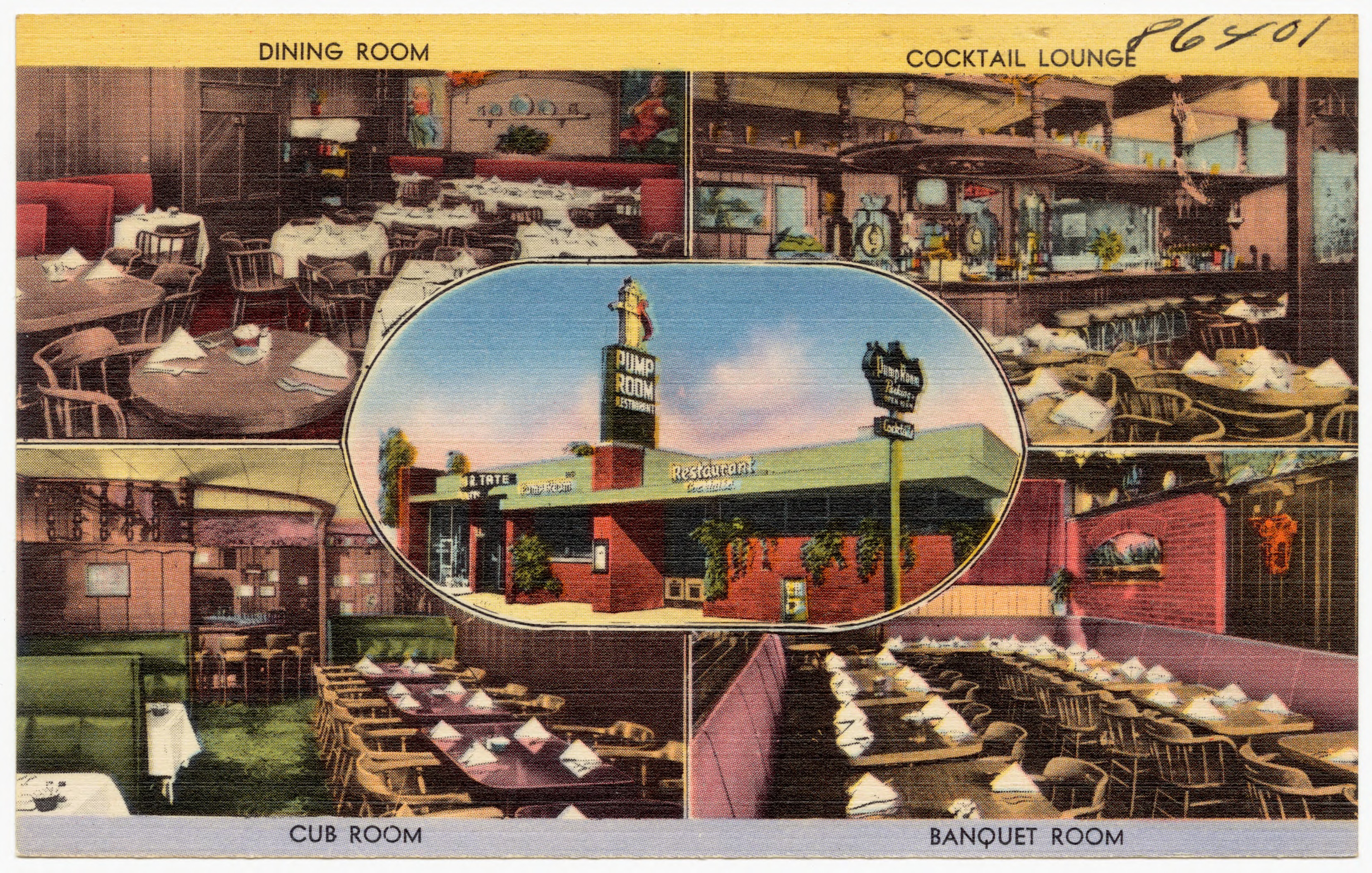
The neighborhood’s connection to entertainment helped create a restaurant and nightlife culture along Ventura Boulevard. Old postcards of places like Roy Harlow’s Pump Room show a version of Studio City that was stylish, theatrical and clearly tied to the glamour of mid-century Los Angeles.
That matters because Studio City’s appeal has never been purely suburban.
It has always had a little bit of show business in its DNA. Even when you are just grabbing dinner on Ventura, there is a sense that this is a neighborhood where the industry has lived, worked, eaten and gathered for generations.
That history still gives Studio City more personality than a typical Valley neighborhood.
The LA River Also Shaped Studio City
One of the most overlooked parts of Studio City’s history is the Los Angeles River.
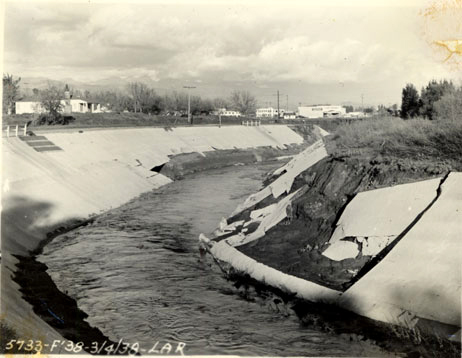
Today, most people experience the LA River as a concrete channel, but historically, it was unpredictable and powerful. The 1938 flood was one of the major events that reshaped how Los Angeles managed its waterways, and Studio City was part of that story.
The channelization of the river changed the physical landscape of the Valley. It made development more predictable, but it also turned a natural waterway into infrastructure.
That is very LA.
Studio City’s polished residential image sits on top of a deeper story about land, water, engineering and growth. Like so much of Los Angeles, the neighborhood exists because the city learned how to control the landscape enough to build on it.
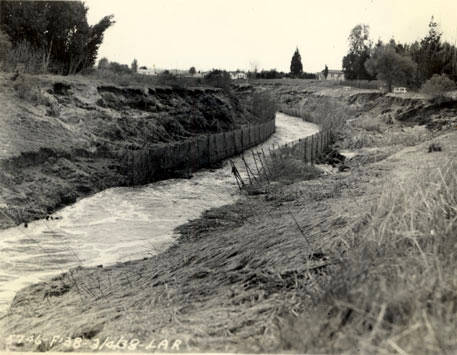
The river and wash systems are part of the reason this area changed so dramatically in the 20th century. Once flood control, roadways and infrastructure improved, the Valley could grow into the residential and commercial landscape we know today.
Studio City was one of the neighborhoods that benefited from that transformation.
It had land. It had access. It had studio history. And it had a location that made sense as Los Angeles expanded over the hill.
The Entertainment Industry Is Changing
The big question in the reel is whether Studio City can survive the decline of the film industry.
My answer is yes, but with an important caveat.
Studio City’s name and history are tied to the entertainment business, but its real estate value is no longer dependent on one industry alone. The studios helped create the neighborhood’s identity. They gave it its mythology. They attracted creative professionals and shaped the culture of the area.
But today, Studio City is valuable for many reasons.
It has great housing stock. It has hillside views. It has walkable pockets near Ventura Boulevard. It has access to the Westside, Hollywood, Burbank and Universal City. It has strong neighborhood identity. It has restaurants, schools, shops and a lifestyle that appeals to people far beyond the entertainment business.
The film industry made Studio City famous. But the neighborhood has grown into something bigger than that.
Why Studio City Still Works Today
Studio City has one of the strongest lifestyle profiles in the Valley.
South of Ventura Boulevard, you get hills, canyon streets, privacy and homes that can feel more like the Hollywood Hills than the Valley. North of Ventura, you get flatter streets, traditional homes, condos, townhomes and easier access to shops and restaurants.
That variety is part of the strength.
Not every buyer wants the same version of Studio City. Some want a hillside view home. Some want a classic traditional close to Ventura. Some want a condo near transit. Some want a family home near schools. Some want a creative, central neighborhood that still feels relaxed.
Studio City can offer all of that.
Access Is a Huge Part of the Value
Studio City’s access is one of its biggest advantages.
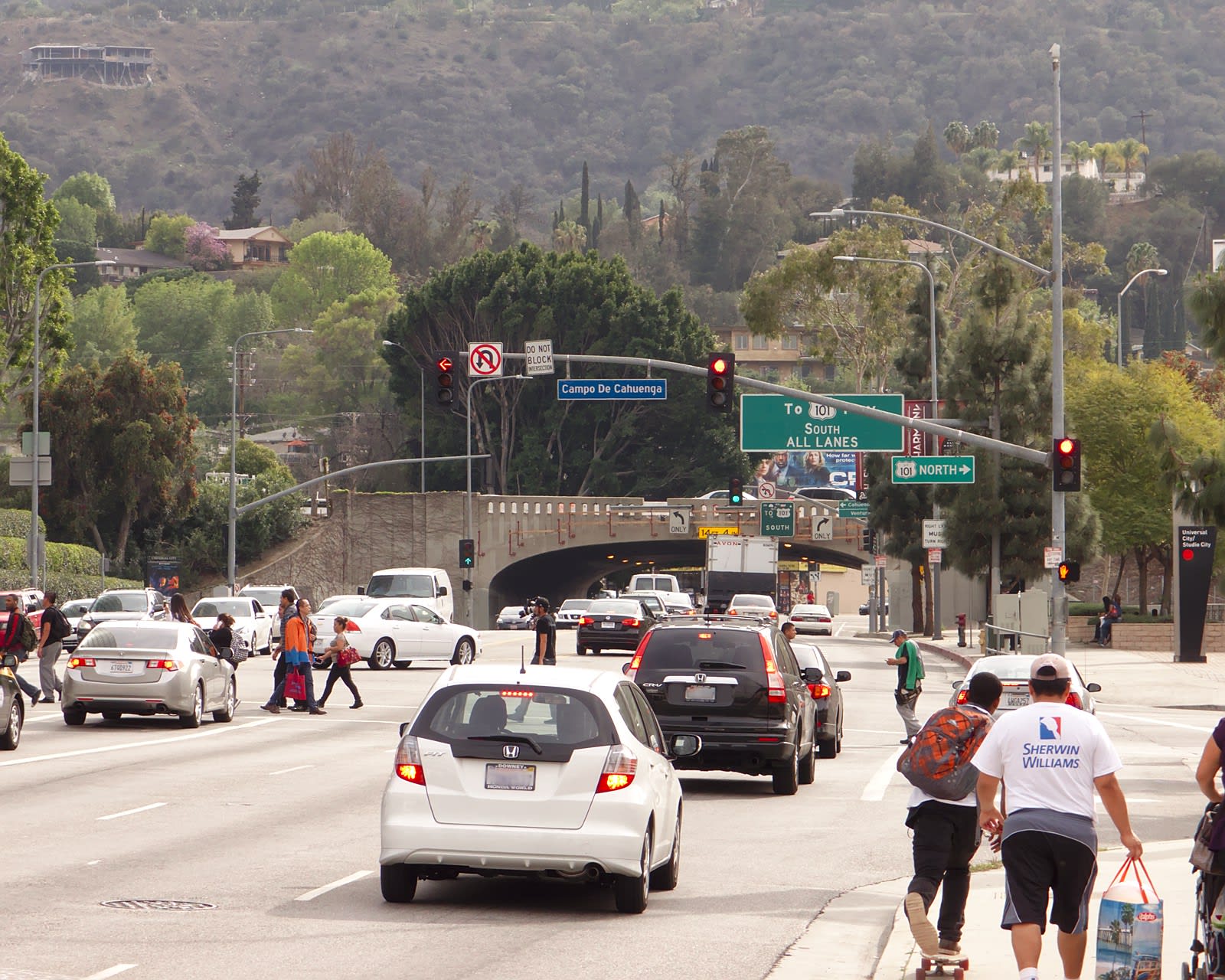
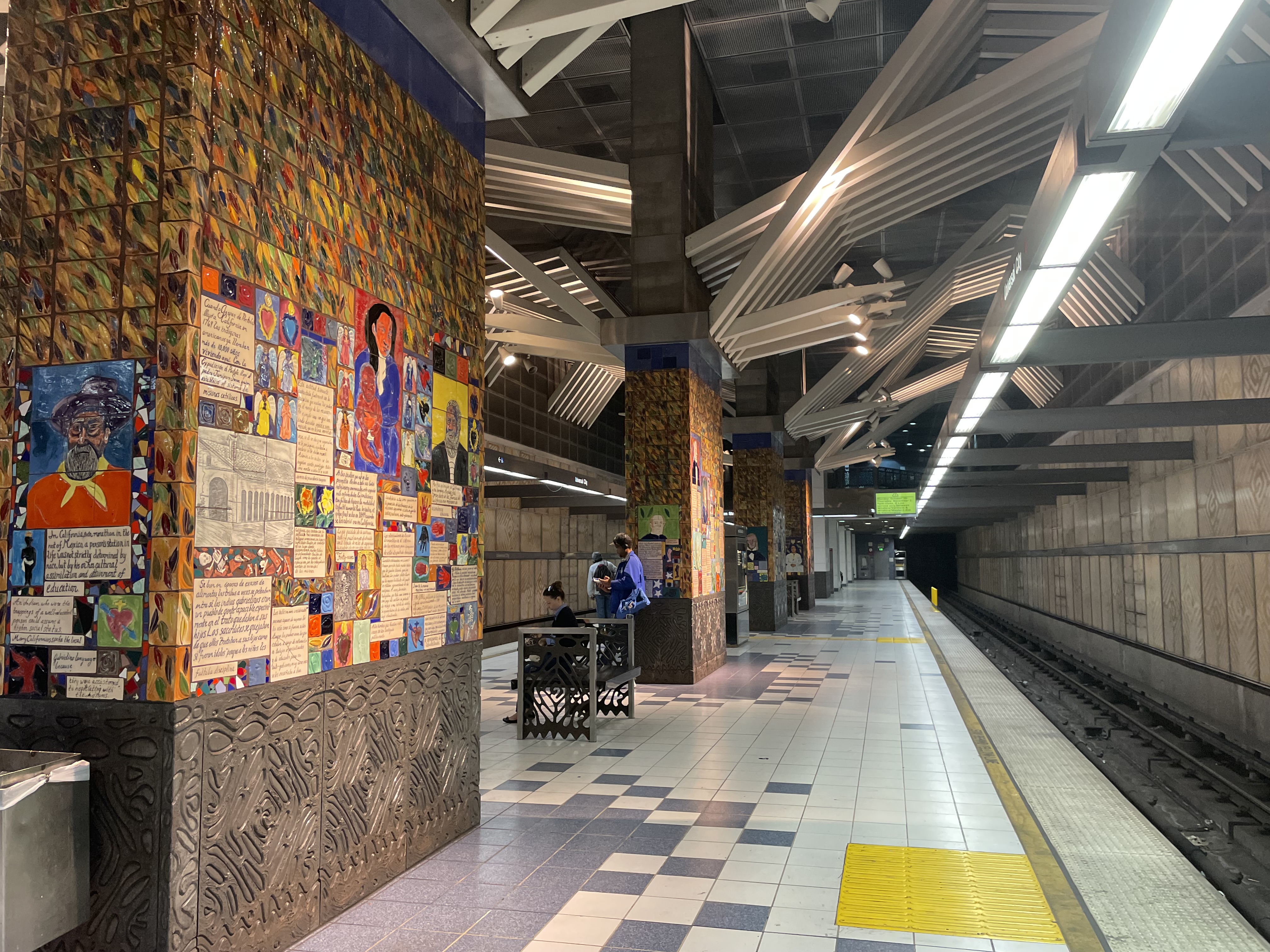
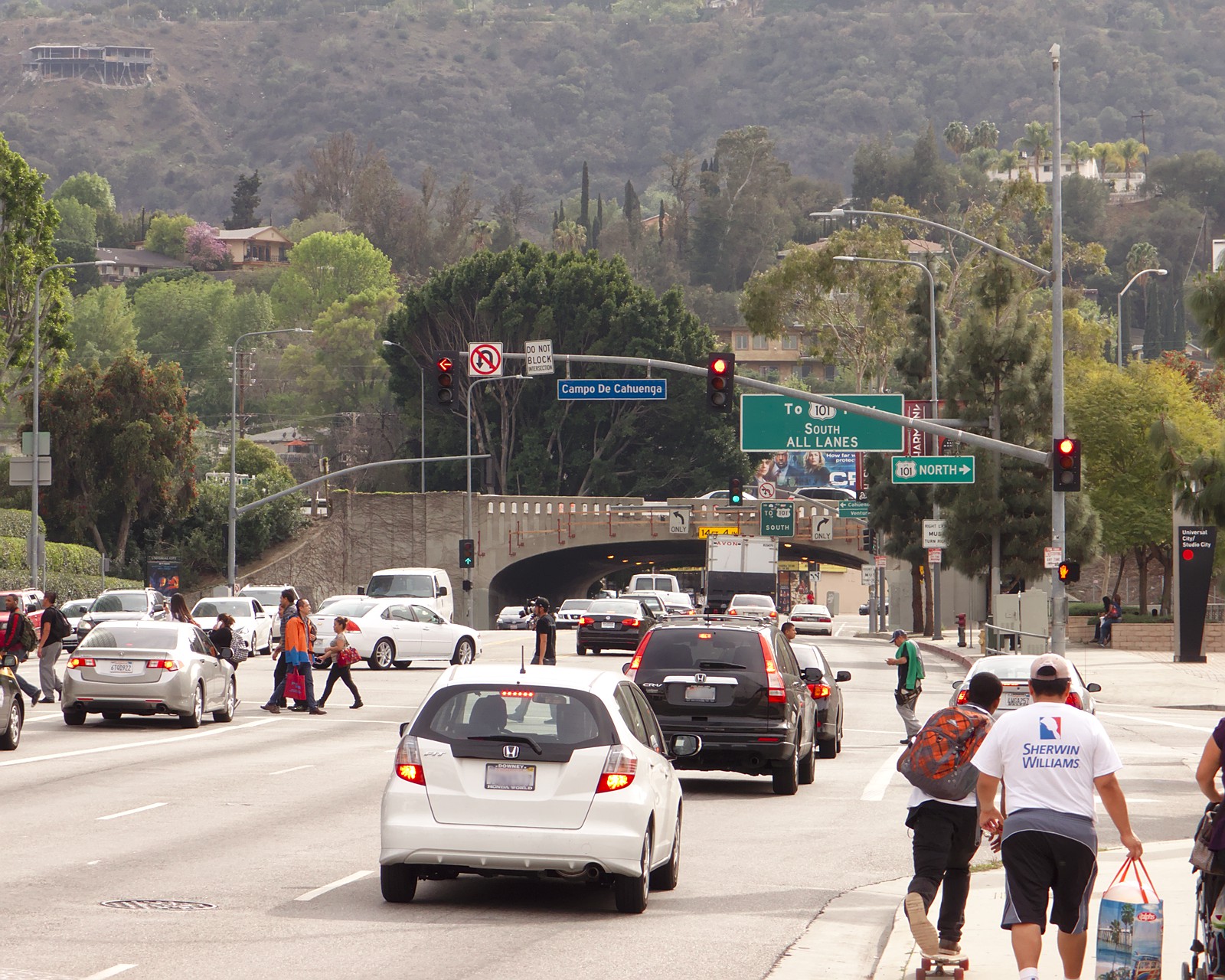
The neighborhood sits near the 101 freeway, the Cahuenga Pass, Universal City, Laurel Canyon, Coldwater Canyon and Ventura Boulevard. That makes it one of the most connected parts of the Valley.
Of course, traffic is still traffic. This is Los Angeles.
But compared with many other Valley neighborhoods, Studio City gives you more ways to move. You can get over the hill, across the Valley or into Hollywood relatively quickly depending on the time of day and where you live within the neighborhood.
That convenience is a major reason prices have stayed strong.
Studio City Real Estate
Studio City real estate is not one uniform market.
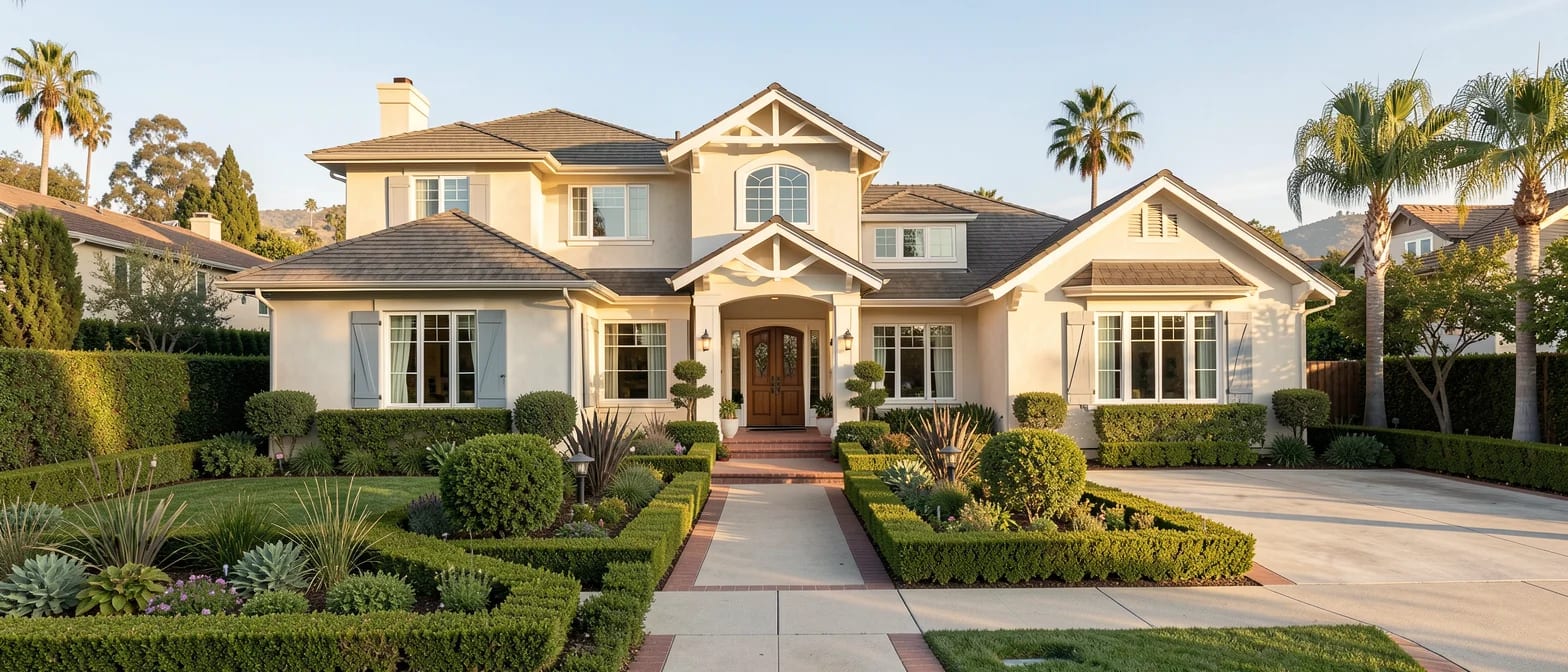
There are condos and townhomes near Ventura Boulevard. There are modest traditional homes on flatter streets. There are renovated family homes with pools. There are hillside properties with views. And there are architectural homes tucked into the hills south of the boulevard.
That range makes pricing very street-specific.
Two homes can be close geographically but feel completely different in value because of lot size, hillside position, views, school boundaries, remodel quality, privacy, walkability and proximity to Ventura Boulevard.
In Studio City, buyers often pay for lifestyle as much as square footage.
A home that gives you privacy, charm and quick access to Ventura can command a premium. A hillside home with views can compete with parts of the Hollywood Hills. A well-designed home in the right pocket can move quickly because demand is not just local. Buyers come from Hollywood, the Westside, the Valley and the entertainment world.
My Take on Studio City
To me, Studio City is one of the best examples of why the Valley should not be underestimated.
People who do not know the Valley sometimes think of it as suburban or secondary to the city side of Los Angeles. Studio City proves that idea wrong.
This neighborhood has history, architecture, restaurants, hillside living, entertainment roots and real lifestyle value. It has a stronger identity than most Valley neighborhoods, and that identity is exactly why buyers continue to want it.
Even if the film industry changes, Studio City is not going away.
The studios gave the neighborhood its name. But the homes, streets, restaurants, hills and location are what keep it valuable today.
Final Take
Studio City was built by Hollywood, but it has become one of the most complete neighborhoods in the San Fernando Valley.
It has the history of the studios, the energy of Ventura Boulevard, the privacy of the hills and the convenience of being close to Hollywood, Universal City, Burbank and the Westside. That combination is hard to duplicate.
For buyers, Studio City offers a rare mix of character and practicality. You can live in a neighborhood with real LA history and still have a very functional day-to-day lifestyle.
For sellers, the key is understanding that Studio City is not just a Valley address. It is a lifestyle market. The right marketing should explain the street, the setting, the architecture, the access and the emotional pull of the neighborhood.
Studio City may have started as a place for the entertainment business, but today its value is much broader.
It is one of the Valley neighborhoods that still feels connected to the story of Los Angeles.
If you are thinking about buying or selling in Studio City or the surrounding San Fernando Valley, contact me, Tyler Neale at Tyler Neale Real Estate. I can help you understand the neighborhood, the market and what makes each pocket of Studio City different.