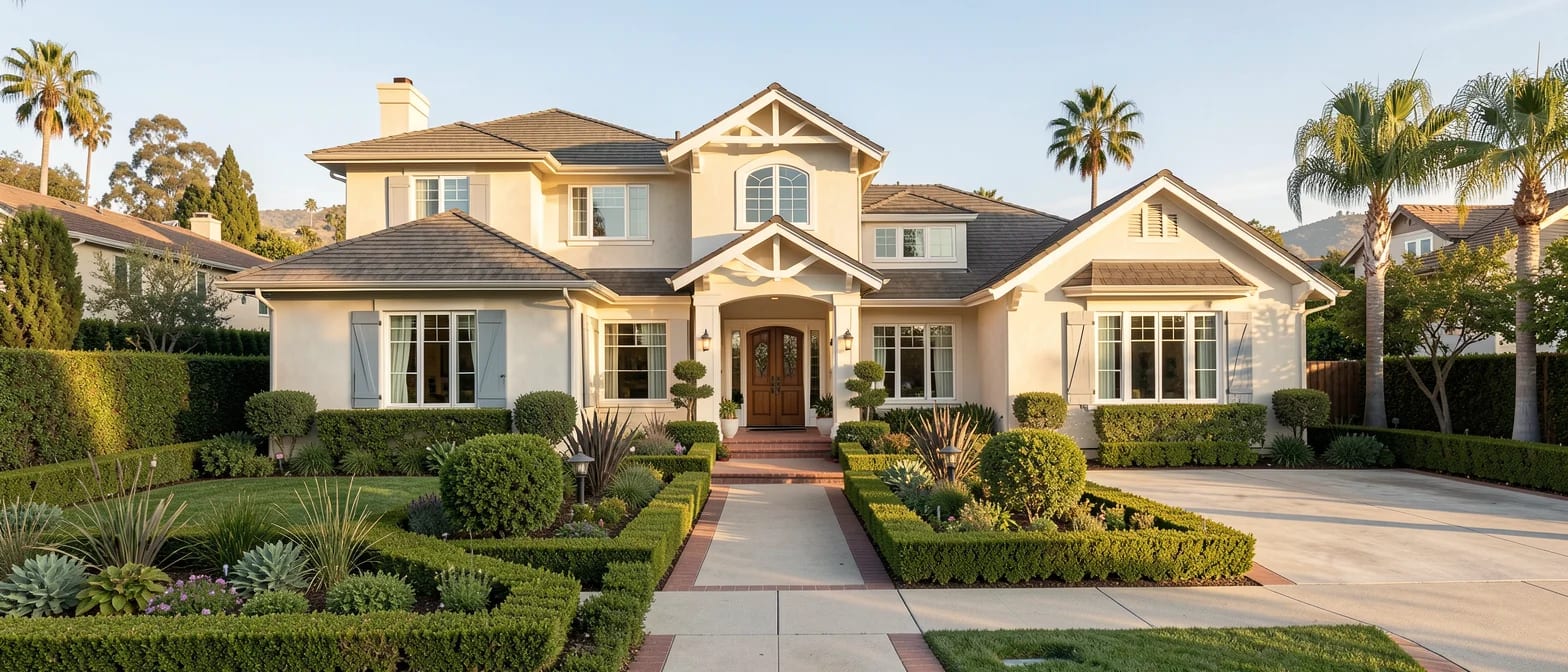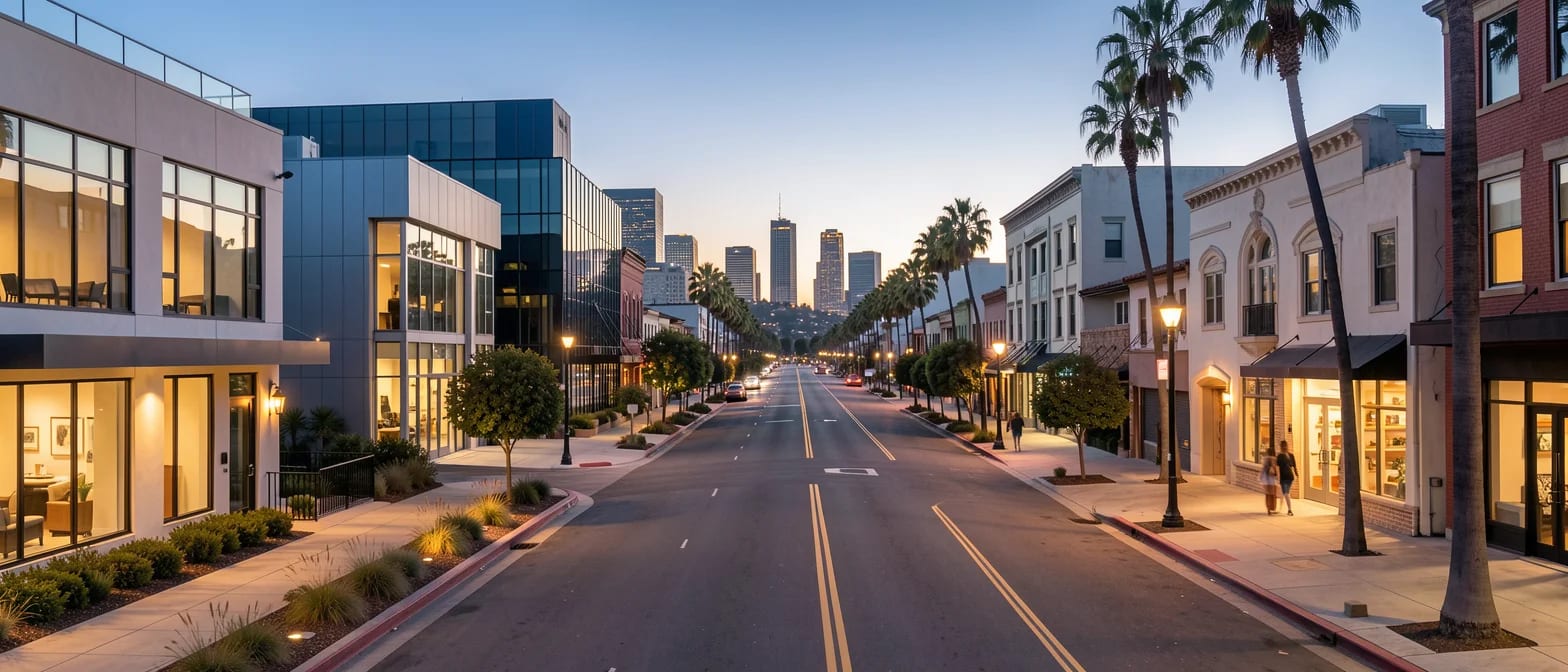

The Sunset Strip is only a short stretch of road, but it has one of the biggest reputations in Los Angeles.
It is not just a street. It is a brand, a nightlife district, a music landmark, a comedy landmark, a billboard corridor, a hotel row, and one of the most recognizable gateways between West Hollywood, Beverly Hills and the Hollywood Hills.
That is what I wanted to focus on in the video. The Sunset Strip has always had a slightly rebellious identity. It was close to Los Angeles, but historically not quite governed like Los Angeles. It was polished enough to attract movie stars, but loose enough to attract gamblers, mobsters, musicians, comedians, promoters, partiers and people who wanted to be seen.
That tension is what made the Strip famous.
The Strip Was Built Outside the Rules
One of the most important things to understand about the Sunset Strip is that its early identity came from being just outside the city limits.
Before West Hollywood incorporated as its own city, this stretch of Sunset Boulevard sat in unincorporated Los Angeles County. That mattered. It meant the Strip was close to Hollywood and Beverly Hills, but it had a different level of oversight than the cities around it.
That is how it became a place for nightclubs, gambling rooms, speakeasies and after-dark entertainment.
In the 1920s and 1930s, the Strip developed a reputation as a place where celebrities could go out, drink, gamble, dance and disappear into a different version of Los Angeles. It was glamorous, but it was not clean-cut. That was the point.
The Strip became famous because it offered access to Hollywood glamour without Hollywood restraint.
Casinos, Clubs and the Old Hollywood Underworld
The early Sunset Strip was not the sanitized luxury corridor people sometimes imagine today.
It had a darker edge. The video touches on how this stretch was once associated with illegal casinos, speakeasies and organized crime. That was part of the original mythology of the Strip. It was a place where money, fame, nightlife and risk all overlapped.
That reputation helped make it magnetic.
People did not come to the Strip because it felt safe and predictable. They came because it felt exciting. It was close to the studios, close to the movie stars, close to Beverly Hills money, and close to the kind of nightlife that made Los Angeles feel like a city with secrets.
That energy never fully went away. It just changed form.
Then Came the Music
By the 1960s, the Sunset Strip had evolved into one of the most important music streets in America.
Clubs like the Whisky a Go Go helped define the Strip as a place where bands could break, scenes could form, and youth culture could take over a stretch of Los Angeles real estate. What had once been a corridor of adult nightlife became a stage for rock and roll, counterculture and rebellion.
The Strip was still about fame and visibility, but the audience had changed.
It was no longer just movie stars and nightclub operators. It was musicians, teenagers, record executives, photographers, writers, fans and everyone trying to be near the next big thing.
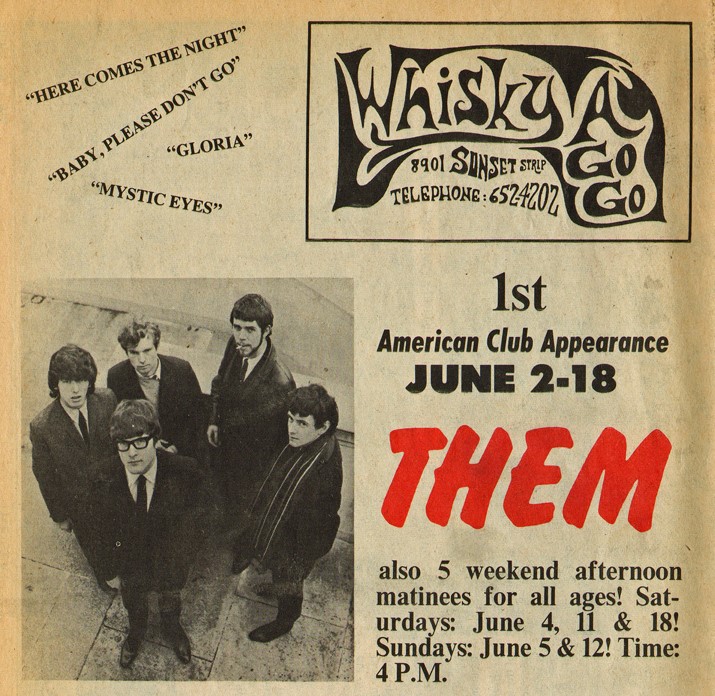
The Strip Became a Cultural Machine
The reason the Sunset Strip matters is not just that famous things happened there. It is that the street itself became part of the performance.
The clubs, signs, marquees, crowds, traffic, billboards and hillside backdrop all worked together. The Strip became a place where culture was marketed in real time. If Hollywood was where movies were made, the Sunset Strip was where image was sold.
That is why it became so powerful.
A club on the Strip was never just a club. A billboard on the Strip was never just an ad. A hotel on the Strip was never just a hotel. Everything had a little more drama because of where it was.
The Sunset Strip understood branding before most neighborhoods even knew they had a brand.
The Roxy and the Performance Corridor
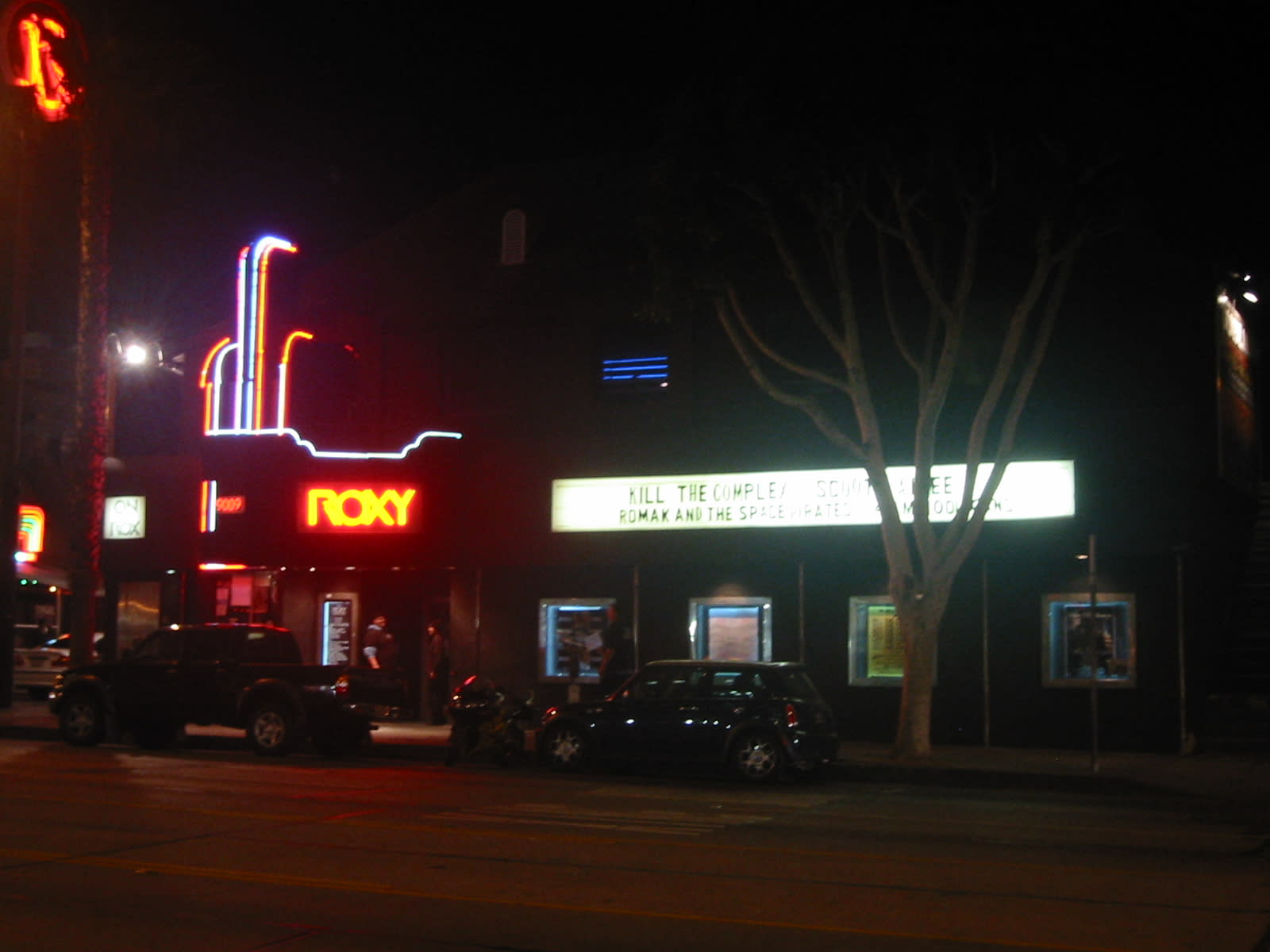
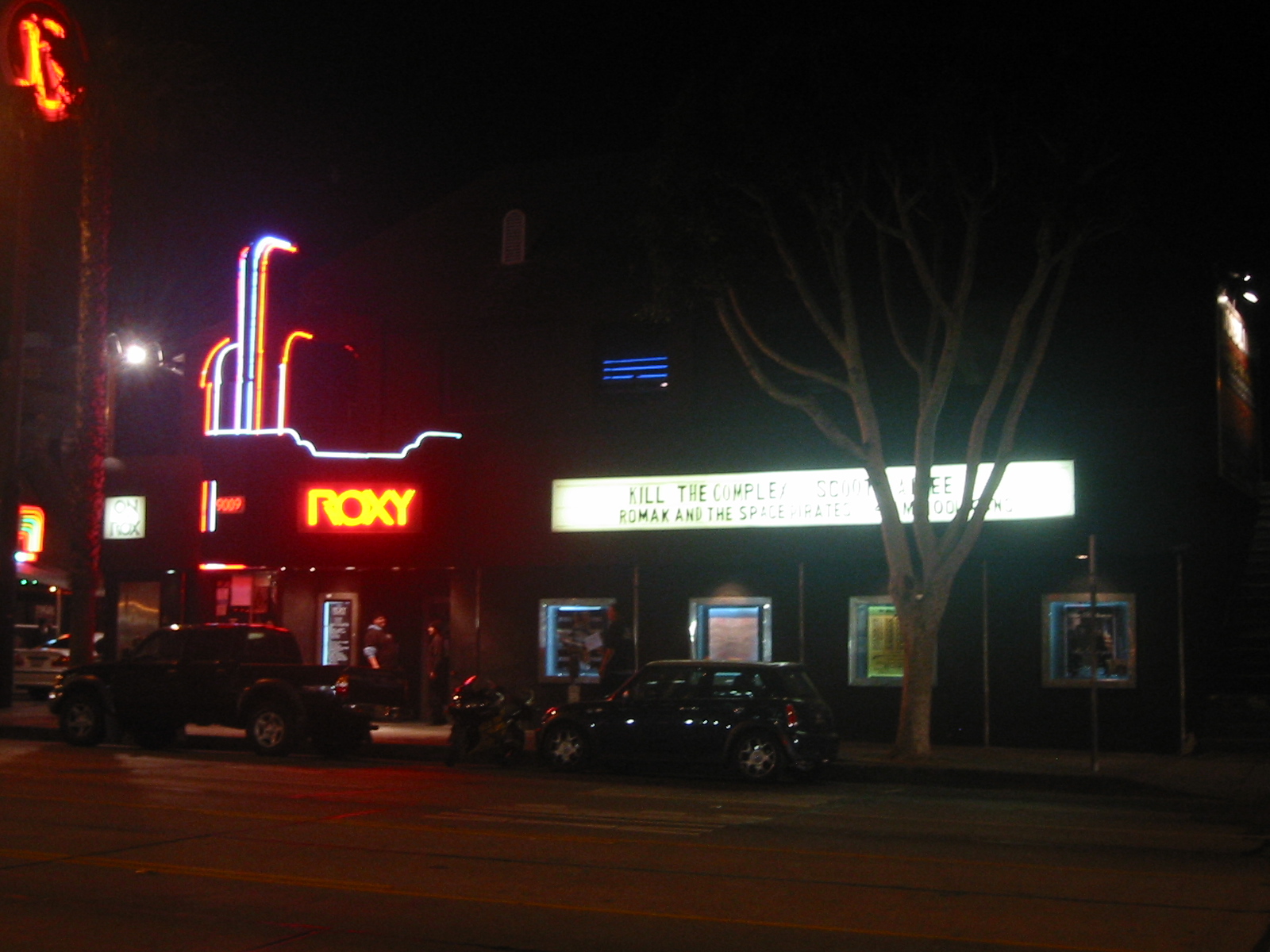
The Roxy is another major part of the Strip’s identity.
Like the Whisky, it helped turn Sunset Boulevard into a performance corridor. The street was no longer just about private clubs or old Hollywood nightlife. It became a place where live entertainment was central to the neighborhood’s identity.
That gave the Strip a rare kind of layered culture.
You had rock clubs, comedy rooms, restaurants, hotels, billboards and hillside homes all compressed into one short stretch. It was loud, flashy, expensive, messy and completely Los Angeles.
Comedy Found a Home Here Too
The Sunset Strip is also central to the history of comedy in Los Angeles.
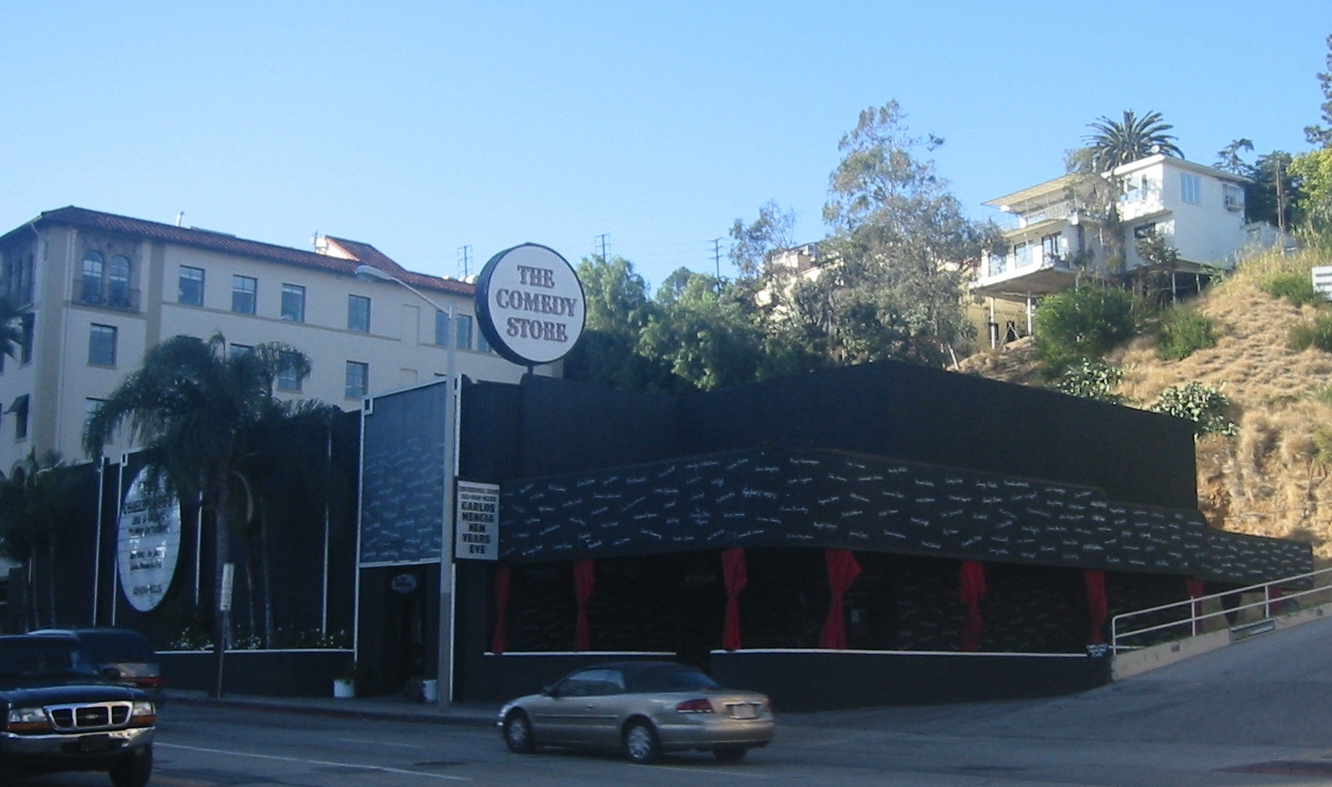
The Comedy Store became one of the most famous comedy rooms in the country, and it added another layer to the Strip’s reputation. This was not just where musicians performed. It was where comedians developed their voices, tested material and built careers.
That is one of the things I love about the Strip.
It is not one-dimensional. It is not just rock history, or old Hollywood, or luxury hotels, or nightlife. It is all of those things layered on top of each other.
That is why the Sunset Strip still feels different from almost anywhere else in LA.
The Billboards Are Part of the Architecture
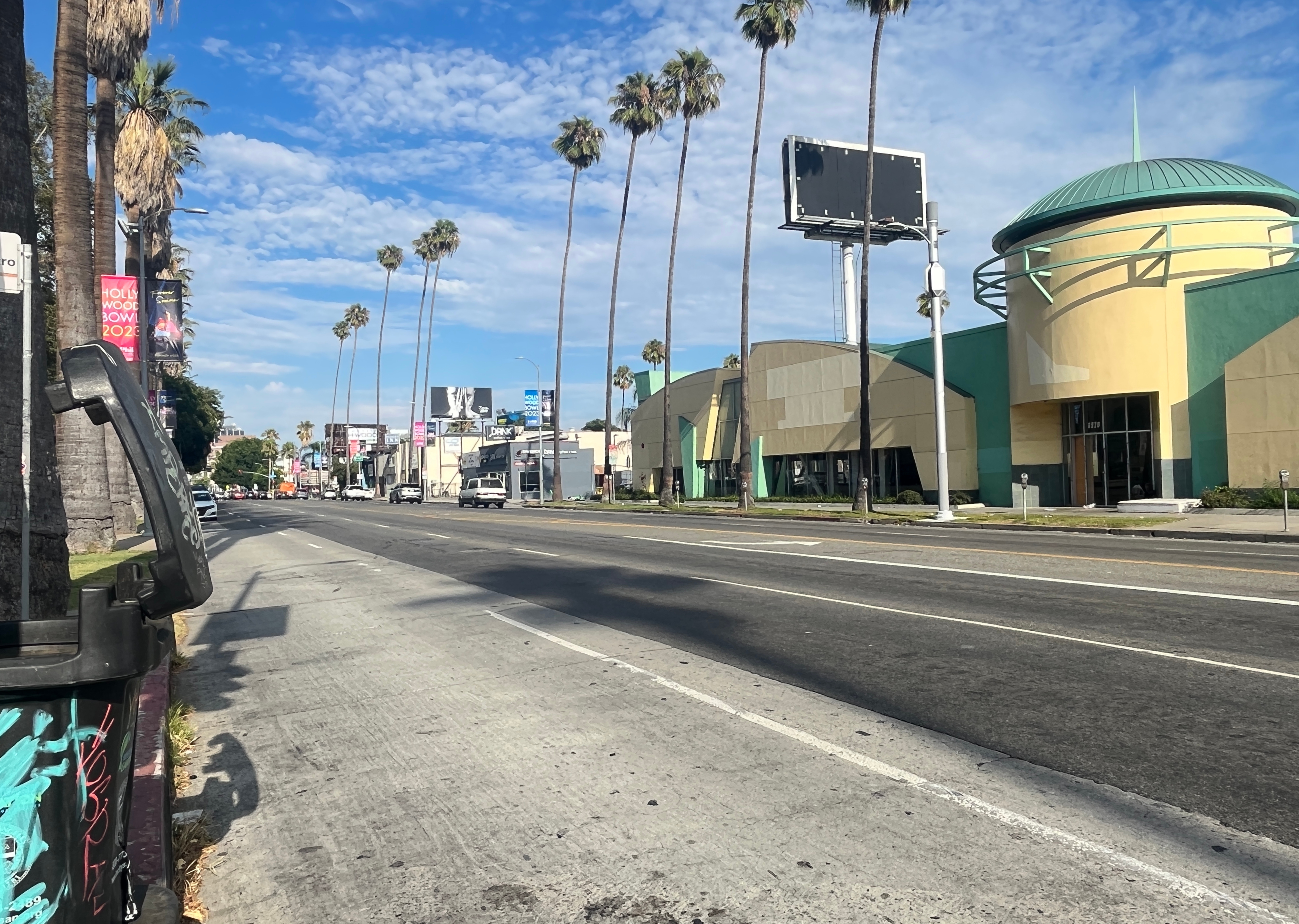
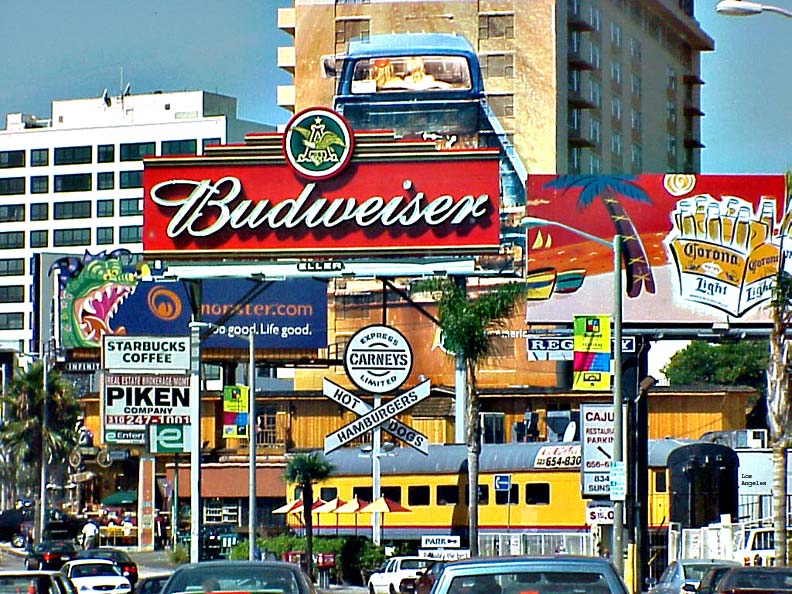
One of the most overlooked parts of the Sunset Strip is the billboards.
In most neighborhoods, billboards are visual clutter. On the Strip, they are part of the identity. They are part of the architecture. They help create the sense that this street is always selling something, announcing something or launching something.
That makes sense because the Strip has always been about visibility.
Music, movies, fashion, television, nightlife, celebrity and real estate all depend on being seen. The Sunset Strip became one of the rare streets where advertising itself became part of the cultural landscape.
It is loud because it is supposed to be loud.
The Sunset Strip and Real Estate
From a real estate perspective, the Sunset Strip is interesting because the value is not just on the boulevard itself.
In fact, many of the most desirable residential properties are not directly on Sunset. They are above it, below it or tucked into the hills around it. Areas like Sunset Plaza, Doheny, the Bird Streets, lower Hollywood Hills and nearby West Hollywood all borrow from the Strip’s energy.
That is the real estate magic.
You can live close enough to the Sunset Strip to access restaurants, hotels, clubs and nightlife, but far enough away to have privacy, views and quiet. That balance is incredibly valuable.
The best properties in this area are often the ones that give you access to the Strip without forcing you to live inside the noise of it.
Why Buyers Want This Area
Buyers are drawn to the Sunset Strip area for a few reasons.
First, the location is extremely central. You are close to Beverly Hills, West Hollywood, Hollywood, the Hollywood Hills, the Valley via Laurel Canyon or Coldwater, and the Westside. For people who move around Los Angeles a lot, that location is hard to beat.
Second, there is lifestyle. Restaurants, hotels, nightlife, gyms, private clubs, music venues and comedy rooms are all nearby. Even buyers who do not go out every night still like knowing that energy is close.
Third, there is status. A Sunset Strip-adjacent address carries weight. Whether it is a hillside architectural home, a view property, a luxury condo or a pied-à-terre near West Hollywood, the area has a built-in identity.
That matters in Los Angeles.
The Tradeoff Is Noise, Traffic and Privacy
Of course, the Sunset Strip is not perfect for everyone.
Traffic can be heavy. Weekend nights can be loud. Parking can be difficult. Some properties are close to nightlife, hotels or commercial activity. Hillside lots can have slope, access and construction challenges.
That is why street-by-street knowledge matters so much here.
A property that looks close on a map can feel completely different in person. One house may feel private and quiet, while another just a few blocks away may feel exposed to traffic and noise. A condo near Sunset may be convenient, but the exact building, orientation and parking situation matter.
In this market, the details are everything.
Sellers Need to Sell the Lifestyle
For sellers near the Sunset Strip, the marketing needs to do more than list square footage and bedroom count.
This is a lifestyle market. Buyers need to understand the setting, the views, the access, the privacy and the connection to one of the most famous streets in Los Angeles. A home here is not just competing on finishes. It is competing on emotion.
Does it feel like a Hollywood Hills retreat?
Does it feel like a West Hollywood pied-à-terre?
Does it feel like a private view home above the action?
Does it feel like a rare architectural property tied to the mythology of LA?
Those questions matter because the Sunset Strip is not a generic market.
It is a story market.
My Take on the Sunset Strip
The Sunset Strip is one of those places that could only exist in Los Angeles.
It is glamorous, chaotic, historic, commercial, creative and a little strange. It has been reinvented over and over again, from speakeasies and casinos to rock clubs, comedy rooms, billboards, boutique hotels and luxury real estate.
That is why it still matters.
Some neighborhoods become valuable because they are quiet and beautiful. The Sunset Strip became valuable because it is unforgettable.
It has never been the calmest street in Los Angeles, and that is not the point. The point is that it carries a kind of cultural charge that very few places have.
For buyers, that energy can be exciting. For sellers, that energy can be a major advantage if the property is marketed correctly.
Final Take
The Sunset Strip is one of LA’s most iconic real estate and culture corridors because it sits at the intersection of entertainment, nightlife, history and luxury hillside living.
It started as a place outside the rules. It became a playground for Old Hollywood. Then it turned into a rock and comedy landmark. Today, it remains one of the most recognizable stretches of Sunset Boulevard and one of the most valuable lifestyle locations in Los Angeles.
For real estate, the key is understanding the difference between being on the Strip and being near the Strip.
The best properties often give you the privacy of the hills with the energy of Sunset just minutes away. That is what makes this area so desirable and so specific.
If you are thinking about buying or selling near the Sunset Strip, West Hollywood, Sunset Plaza, the Bird Streets or the Hollywood Hills, contact me, Tyler Neale. As a local Los Angeles REALTOR®, I can help you understand the market, the micro-locations and what makes each pocket of this area different.