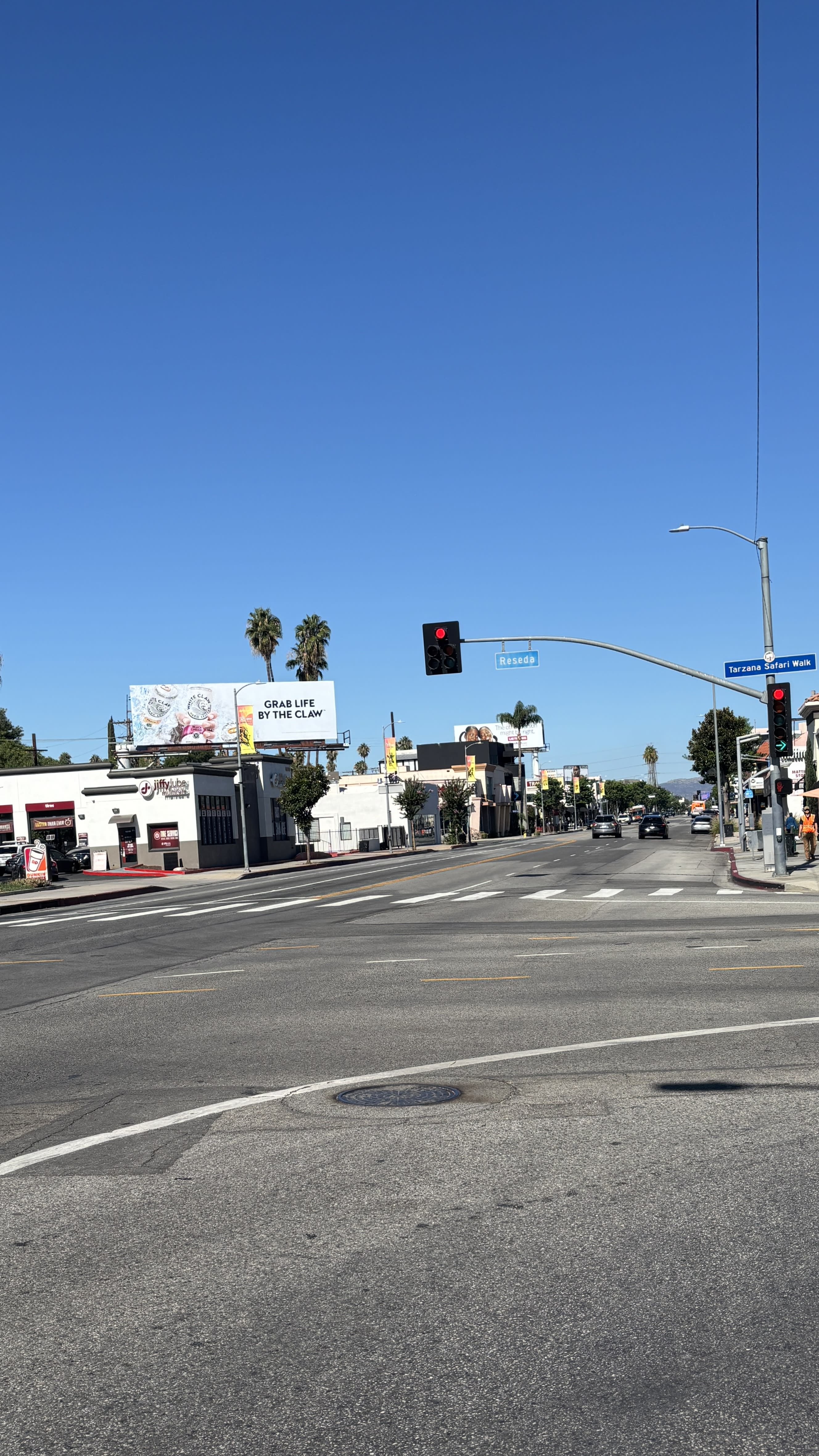

Tarzana is one of those Los Angeles neighborhoods with a name that immediately makes you stop and ask, “Wait, is that really where the name comes from?”
And the answer is yes.
Tarzana is tied directly to Tarzan, the fictional jungle hero created by Edgar Rice Burroughs. In my reel, that is the hook that makes the neighborhood so interesting. This quiet, residential part of the San Fernando Valley has one of the most unusual origin stories in Los Angeles real estate.
Today, Tarzana is known for wide streets, family homes, hillside estates, schools, churches, Ventura Boulevard restaurants and a more suburban Valley lifestyle. But underneath all of that is a name and identity that came from one of the biggest pop culture creations of the early 20th century.
Tarzana Started With a Story
The thing that separates Tarzana from almost every other neighborhood in Los Angeles is that it was not just named after a founder, a ranch, a street or a geographic feature.
It was named after a character.
Edgar Rice Burroughs, the creator of Tarzan, owned land in this part of the Valley, and his connection to the area eventually gave the neighborhood its name. That is such a perfectly Los Angeles story. A writer creates a character, the character becomes famous, the writer buys land, and eventually a real neighborhood inherits the mythology.
Most neighborhoods have history. Tarzana has a backstory.
That gives the area a little extra charm. Even if you know nothing about the Valley, the name Tarzana feels memorable. It sounds fictional, but it is very real.
The Valley Version of Old LA
Tarzana has always felt different from the denser, more urban parts of Los Angeles.
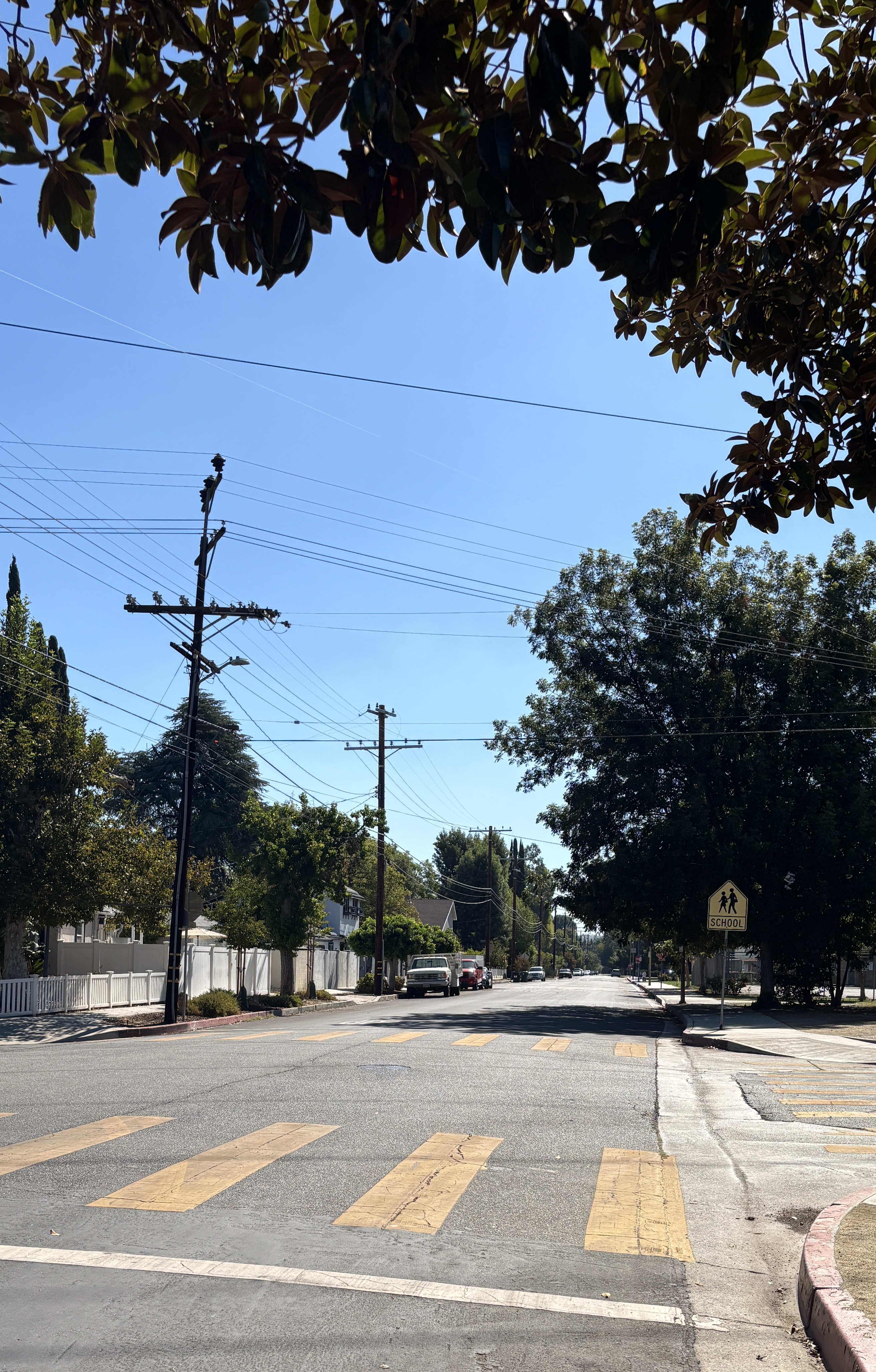
It is still LA, but it has a slower rhythm. The streets are wider. The lots are often larger. The lifestyle is more residential. There is a sense of space here that is harder to find over the hill.
That is why a lot of buyers are drawn to it.
Tarzana gives you access to the city without forcing you to live in the middle of the city. You can be near Ventura Boulevard, close to the 101, near schools and restaurants, and still come home to a quiet street with mature trees and a real neighborhood feel.
Ventura Boulevard Is the Anchor
Like so many neighborhoods in the south Valley, Tarzana’s daily life is organized around Ventura Boulevard.
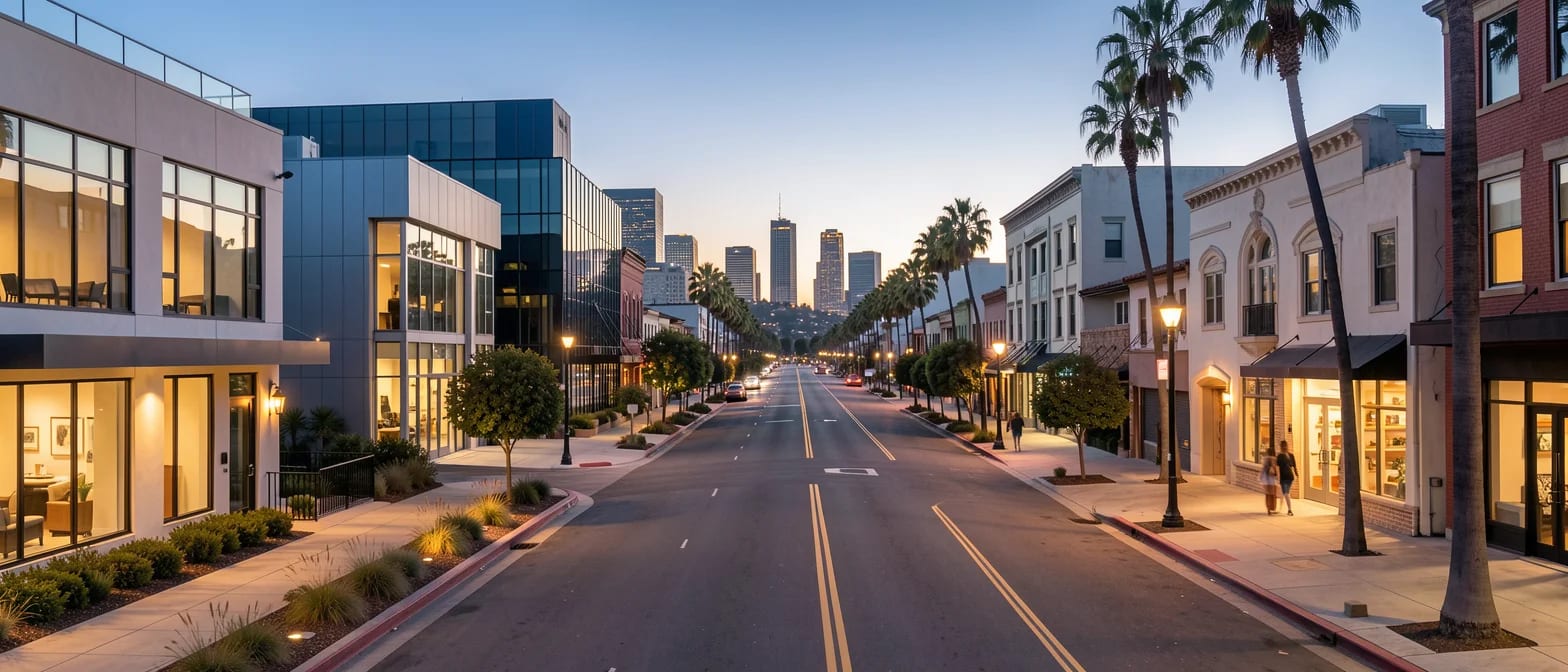
Ventura is where you find restaurants, coffee shops, offices, medical buildings, gyms, retail and local services. It is also what gives Tarzana its connection to Encino, Woodland Hills, Sherman Oaks and Studio City.
In the video, Ventura Boulevard helps show the more everyday side of Tarzana. This is not just a neighborhood of homes hidden south of the boulevard. It is also a functioning Valley community with a commercial corridor that people actually use.
That matters for real estate.
Buyers like neighborhoods that feel residential, but they still want convenience. Tarzana gives you both. You can have a quiet house on a tree-lined street and still be minutes from dinner, coffee, errands and the freeway.
South of the Boulevard Is the Prestige Pocket
When people talk about Tarzana real estate, they often separate it into two broad areas: north of Ventura Boulevard and south of Ventura Boulevard.
That is not unique to Tarzana. It happens throughout the Valley. But in Tarzana, the distinction is especially important.
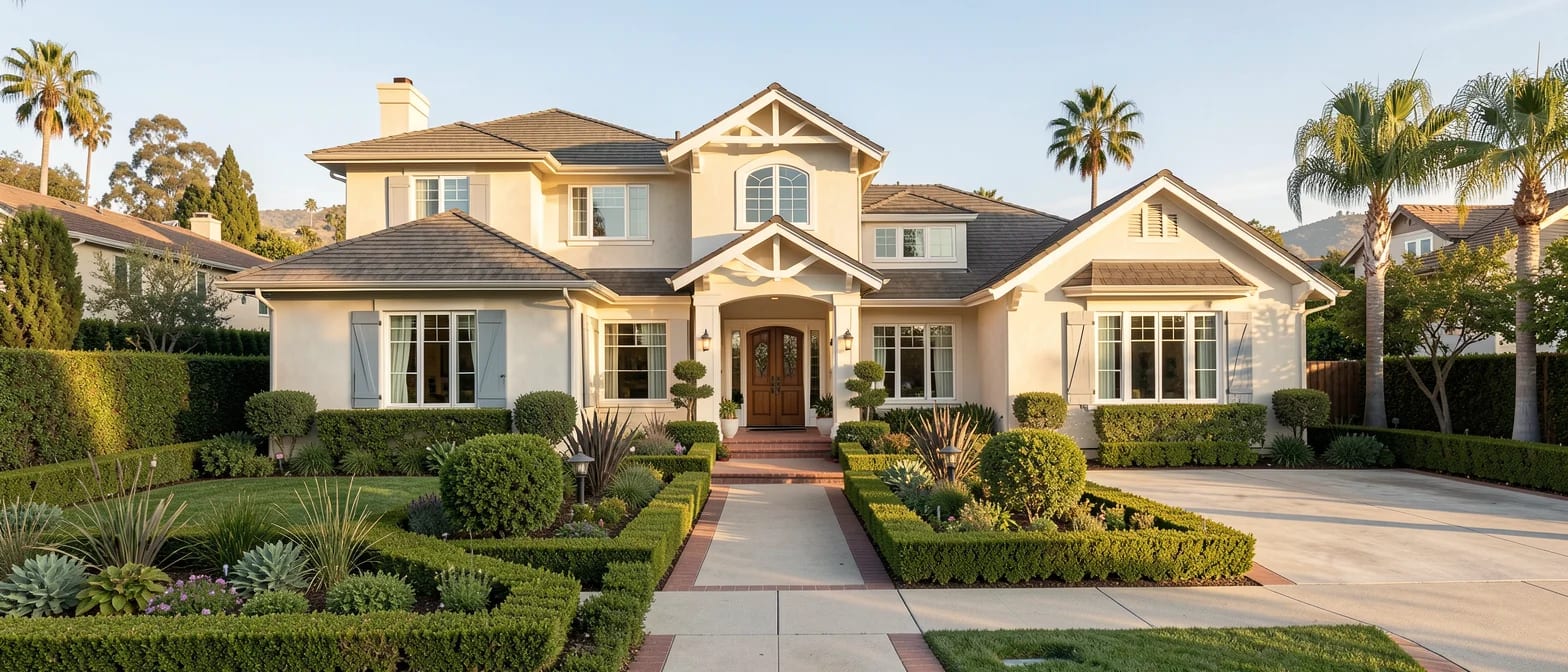
South of the boulevard, the neighborhood begins to climb into the hills. This is where you find larger homes, more privacy, gated properties, views, winding streets and estate-style lots. Some properties feel tucked away and private, while others have big Valley views and a more luxury feel.
This is the Tarzana that appeals to buyers who want space, privacy and a strong Valley location without necessarily going to Encino, Sherman Oaks or Studio City.
North of the Boulevard Has Its Own Appeal
North of Ventura Boulevard, Tarzana tends to feel more approachable and practical.
You will find traditional single-family homes, apartment buildings, condos, schools, churches and everyday neighborhood streets. For many buyers, this part of Tarzana offers a more accessible entry point into the area.
That is one of the strengths of Tarzana as a market. It is not just one thing.
There are luxury hillside estates, mid-century homes, ranch-style homes, traditional Valley houses, condos, townhomes and multifamily properties. The neighborhood has range, and that range makes it appealing to different types of buyers.
A first-time buyer might be looking at a condo near Ventura. A family might want a single-family home near schools. A luxury buyer might want a gated estate south of the boulevard.
Tarzana can serve all of those buyers, but the value changes dramatically depending on the exact location, lot, condition and street.
Schools and Community Institutions Matter Here
Tarzana is also the kind of neighborhood where schools and community institutions play a major role in how people experience the area.
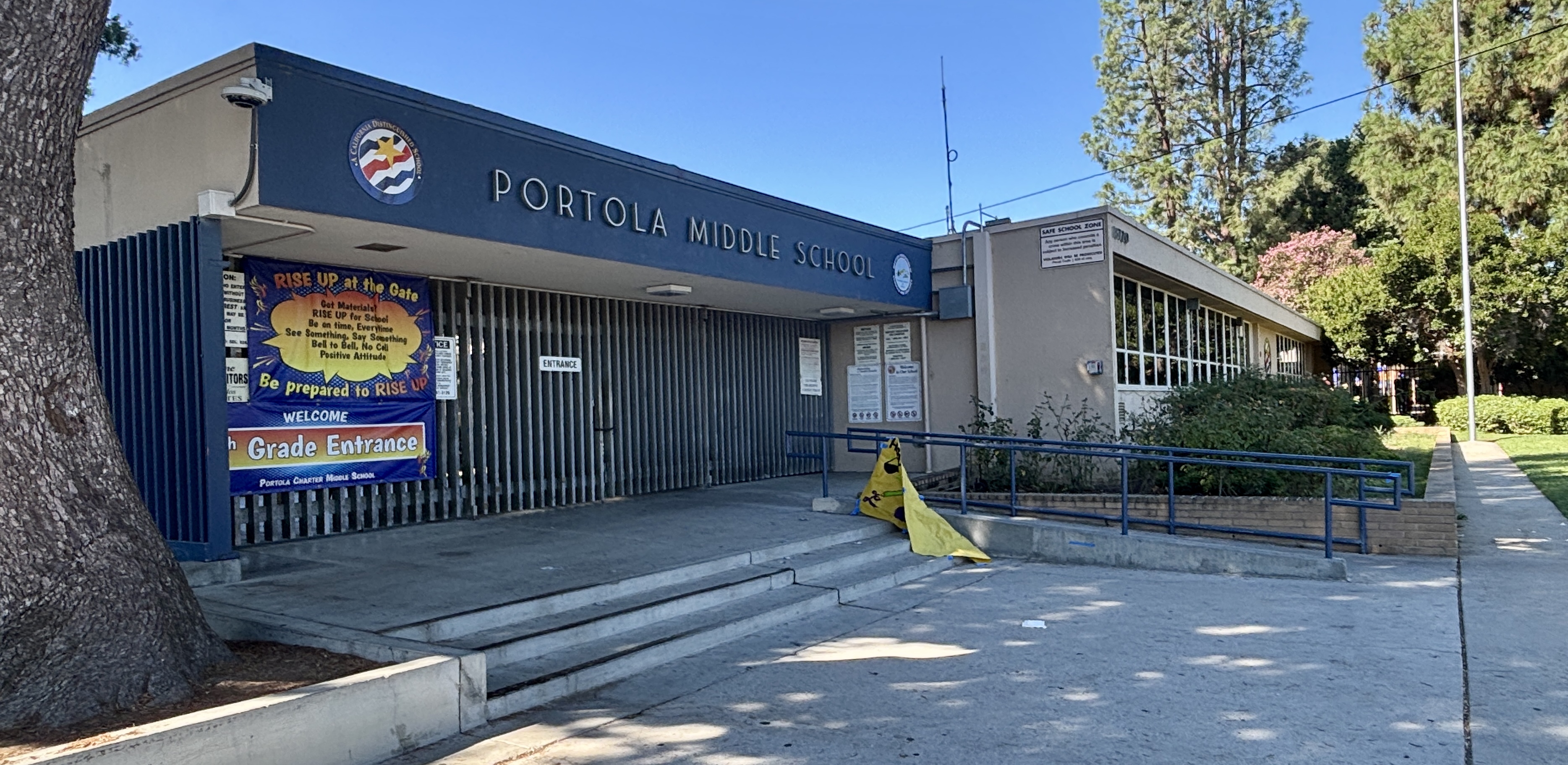
Portola Middle School is one of the recognizable local landmarks, and the neighborhood has a number of churches, community buildings and long-standing institutions that give it a grounded feeling.
That is part of why Tarzana feels less transient than some other parts of Los Angeles.
People put down roots here. Families stay. Homes get passed down. Local institutions become part of the fabric of the neighborhood.
Tarzana Has Layers of LA History
One thing I like about Tarzana is that it has more layers than people expect.
Yes, it has the Tarzan name. But it also has old Valley history, entertainment history, religious landmarks, community institutions and a mix of architectural styles that reflect different eras of Los Angeles growth.
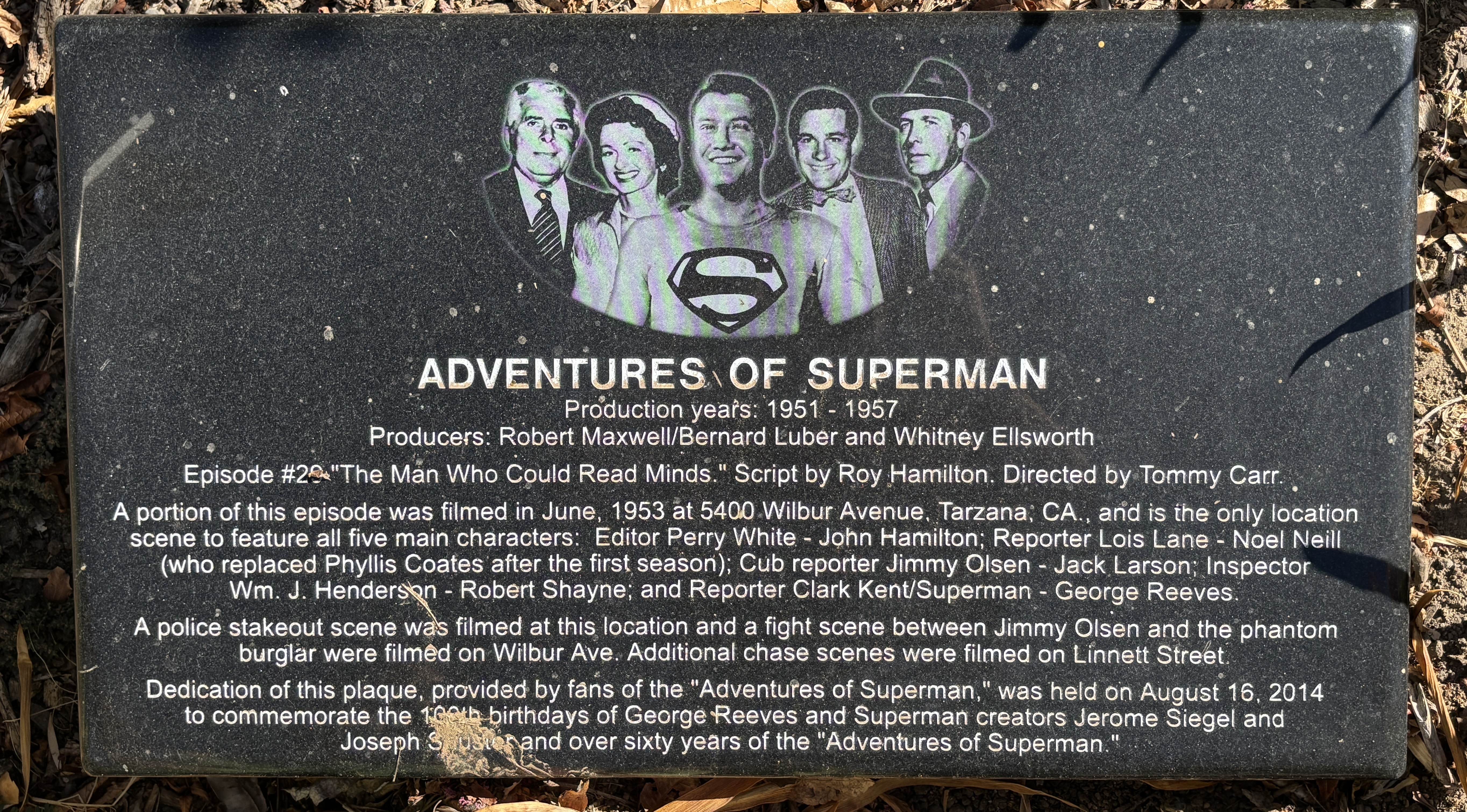
Even something as specific as the Adventures of Superman plaque gives you a glimpse into how often the Valley shows up in film and television history. Tarzana may feel quiet today, but it has been part of the LA entertainment landscape for a long time.
That is one of the recurring themes in Los Angeles real estate: ordinary-looking places often have extraordinary stories attached to them.
The Assyrian Community in Tarzana
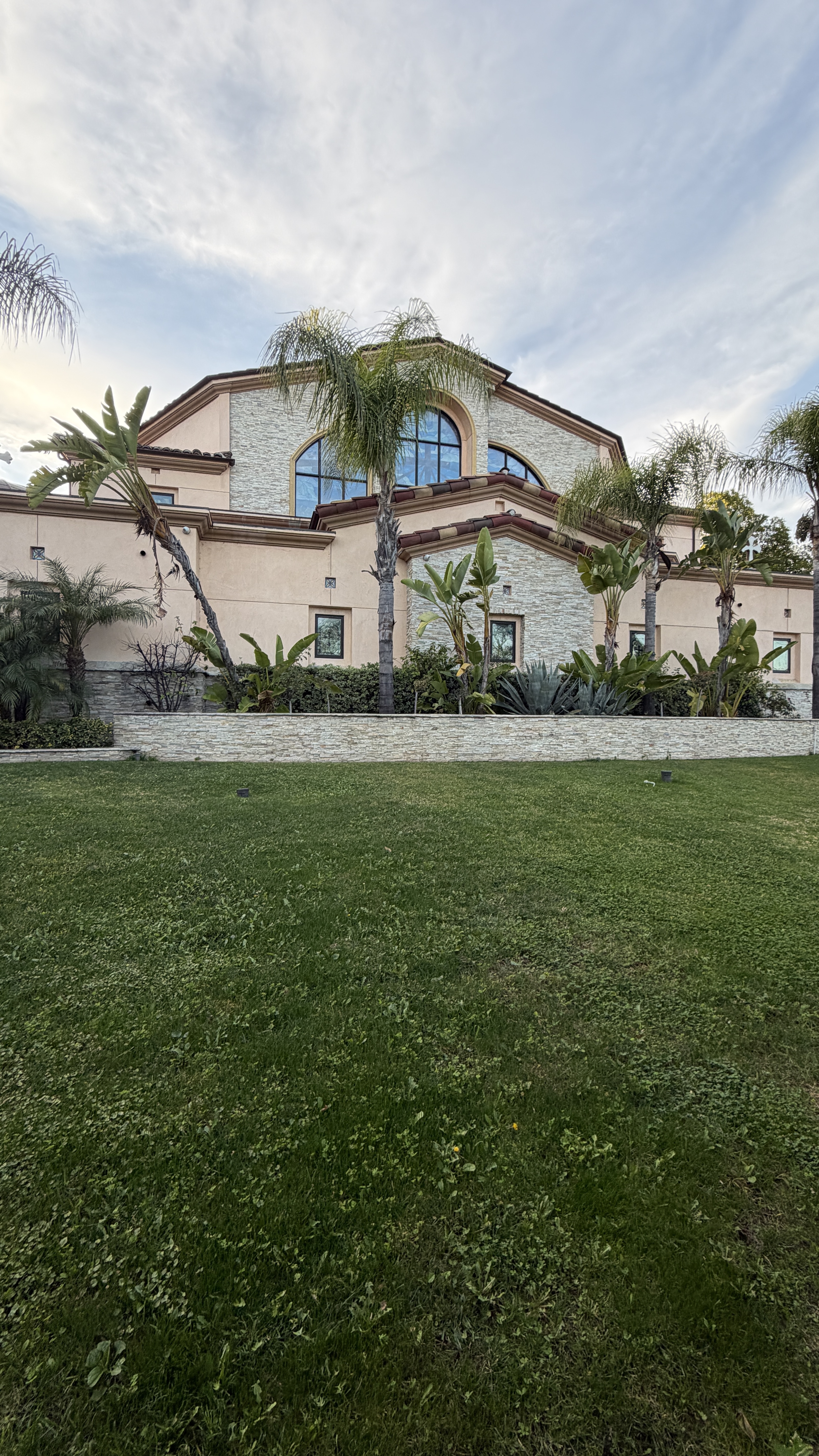
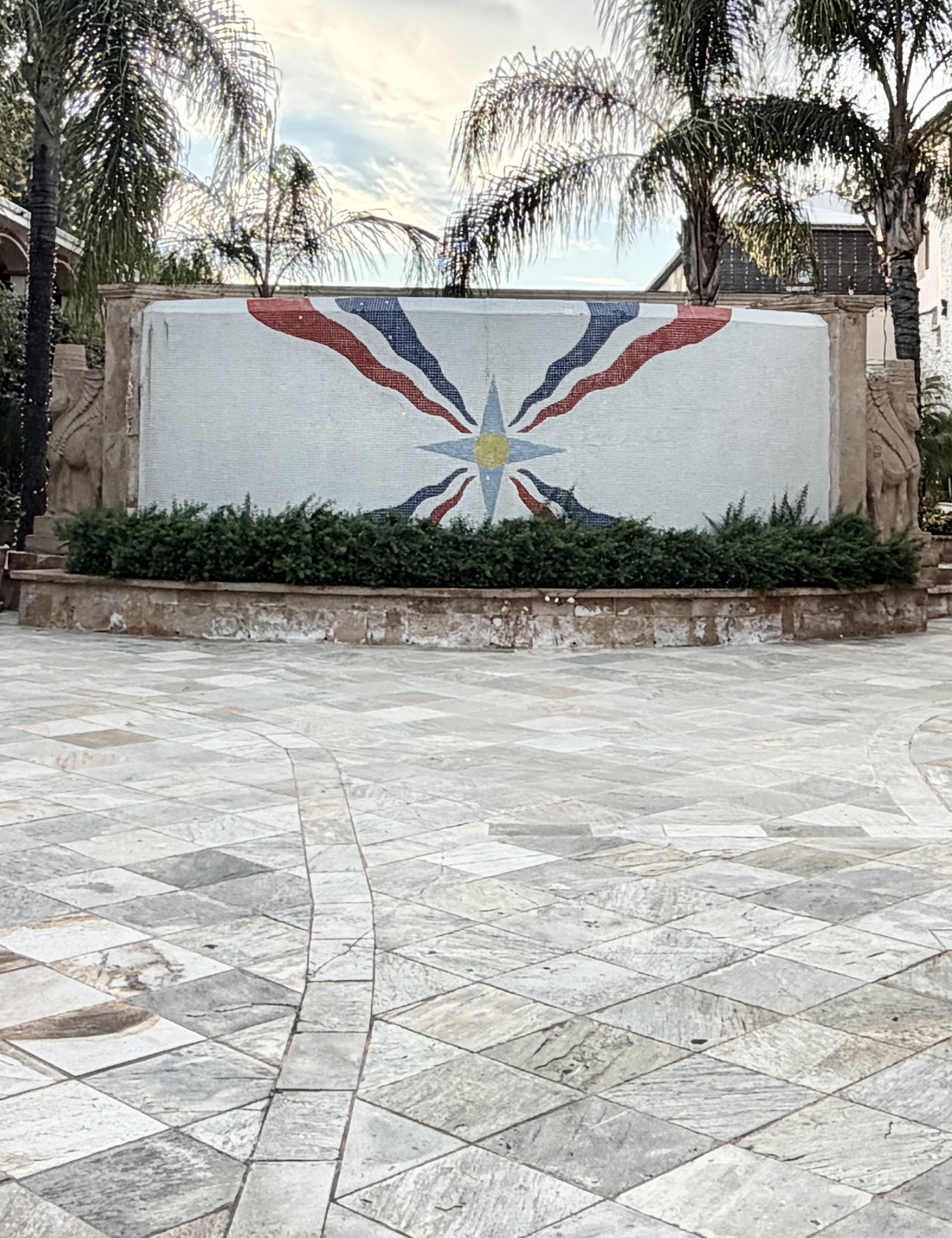
Tarzana is also home to important cultural and religious landmarks, including the Assyrian Genocide Memorial and St. Mary’s Assyrian Church.
This is part of what makes the neighborhood more interesting than just another quiet Valley suburb. Tarzana has a real community identity. It is shaped by families, schools, churches, cultural institutions and long-term residents.
Those layers matter because buyers are not only buying a house. They are buying into a neighborhood ecosystem.
A community with history, institutions and identity tends to feel more stable. That is one of the reasons Tarzana has remained desirable over time.
What Buyers Like About Tarzana
Buyers are usually drawn to Tarzana for a few key reasons.
The first is space. Compared to many parts of central LA, Tarzana often gives buyers more house, more yard and more breathing room.
The second is access. You are close to the 101 freeway, Ventura Boulevard, Encino, Woodland Hills, Sherman Oaks and the Westside through the canyon routes.
The third is lifestyle. Tarzana can feel quiet and suburban, but it is not remote. You still have restaurants, shops, schools, houses of worship, gyms and services nearby.
The fourth is value. Depending on the price point, Tarzana can sometimes offer more square footage or land than neighboring prestige pockets, while still giving buyers a strong south Valley location.
That is why the neighborhood continues to attract families, professionals, move-up buyers and people who want a more relaxed version of Los Angeles.
What Sellers Should Understand
For sellers, Tarzana is a market where location and presentation matter a lot.
A home south of Ventura with views, privacy or a large lot needs to be marketed differently than a traditional single-family home north of the boulevard. A remodeled home near schools needs a different strategy than a fixer with development potential.
Tarzana buyers tend to be practical, but they are also lifestyle-driven.
They want to understand the house, the street, the yard, the school options, the commute, the access to Ventura Boulevard and how the property compares to similar homes in Encino, Woodland Hills, Sherman Oaks or Studio City.
That means sellers cannot rely on generic marketing.
The story of the property matters. The neighborhood context matters. The exact pocket matters.
The Tarzana Tradeoff
Like every neighborhood, Tarzana has tradeoffs.
Some parts can feel car-dependent. Ventura Boulevard can be busy. Freeway proximity may matter depending on the exact location. Homes in the hills may have slope, access, insurance or maintenance considerations. Some properties are older and may need updating.
But for many buyers, the tradeoff is worth it.
They get space, privacy, neighborhood feel and Valley convenience. In a city where so many people are looking for more room and less density, Tarzana makes a lot of sense.
My Take on Tarzana
Tarzana is one of the most underrated neighborhoods in the San Fernando Valley.
It has a name people remember, a real connection to LA entertainment history, strong residential pockets, a useful commercial corridor and a range of housing options. It can feel suburban, but it is still deeply connected to Los Angeles.
What makes Tarzana work is that it does not try to be flashy.
It is not trying to be Beverly Hills. It is not trying to be West Hollywood. It is not trying to be Studio City. Tarzana is comfortable being Tarzana: a quiet, spacious, family-oriented Valley neighborhood with a strange and wonderful origin story.
That is exactly why people like it.
Final Take
Tarzana is one of the Valley’s most distinctive neighborhoods because it combines pop culture history, residential comfort and real estate practicality.
Its name comes with a story. Its streets offer space. Ventura Boulevard gives it convenience. Its schools, churches and community landmarks give it stability. And its hillside homes give it a luxury side that many people outside the Valley overlook.
For buyers, Tarzana can offer a great balance of space, location and value. For sellers, the key is understanding which part of Tarzana you are in and how to position the home against nearby Valley markets.
If you are thinking about buying or selling in Tarzana, Encino, Woodland Hills, Sherman Oaks or anywhere in the San Fernando Valley, contact Tyler Neale. Partnering with Tyler Neale Real Estate gives you clear insight into micro-markets, pricing strategies, and what makes each San Fernando Valley pocket unique.