
The Wilshire Corridor is one of the most unique residential pockets in Los Angeles, because it offers something the city usually does not: true luxury vertical living.
This is not Beverly Hills Flats. It is not Brentwood Park. It is not a neighborhood defined by giant front lawns and long gated driveways. The Wilshire Corridor is different. It is denser, more urban, more vertical, and in a lot of ways, more practical for the kind of buyer who wants prestige without the maintenance burden of a large estate.
In my Wilshire Corridor reel, I talked about how this stretch of Wilshire Boulevard became one of the most distinctive residential enclaves on the Westside — a place where full-service condo towers, panoramic views and central access all came together to create a totally different kind of luxury lifestyle.
And that is really the key to understanding the Corridor.
The Wilshire Corridor is not just a road lined with tall buildings. It is its own micro-market. It is one of the rare places in Los Angeles where affluent buyers have long accepted the idea that luxury does not always have to mean a single-family home. Sometimes it means a secure building, valet parking, hotel-style amenities, a high-floor unit and a view stretching from Century City to the ocean.
That is why the Wilshire Corridor still matters.
What Exactly Is the Wilshire Corridor?
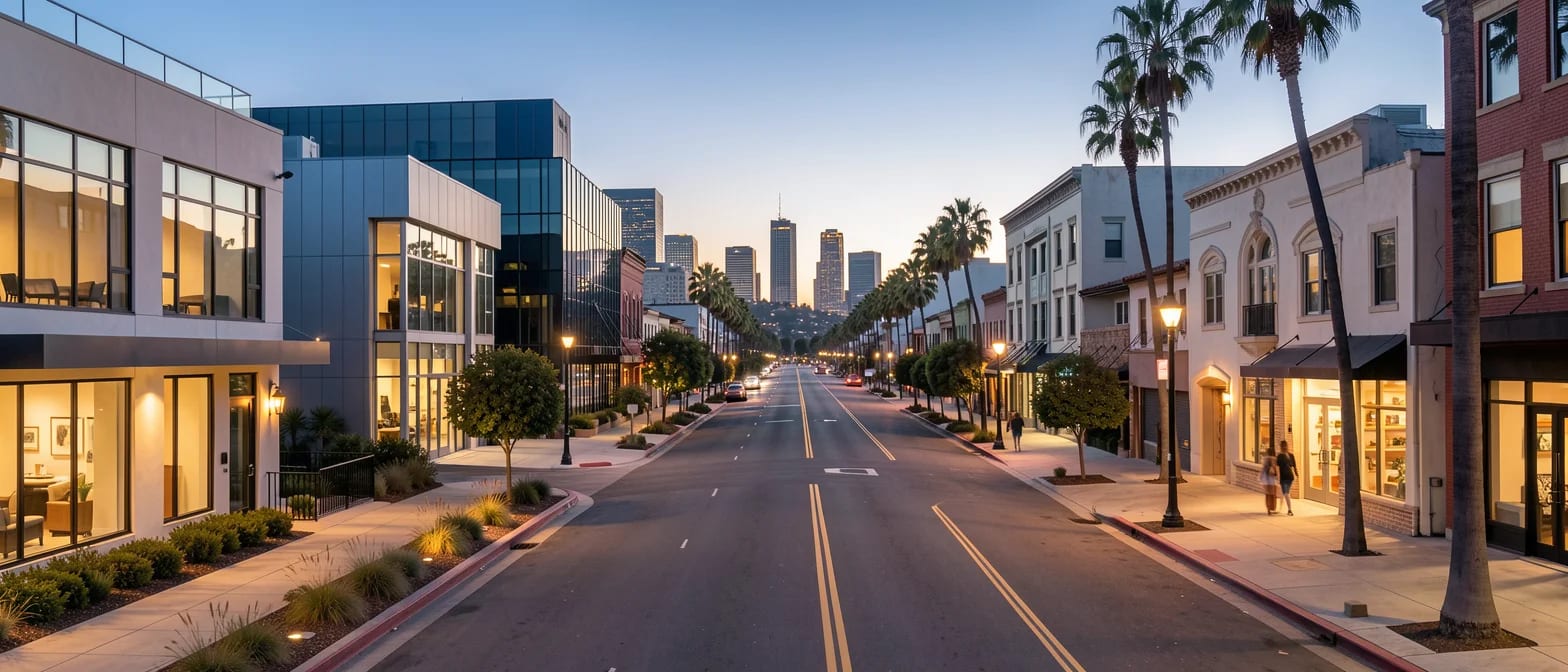
The Wilshire Corridor generally refers to the stretch of Wilshire Boulevard running through Westwood, especially the segment between Beverly Hills and Westwood Village where the concentration of luxury residential towers is highest.
It sits in an extremely strategic location. Beverly Hills is right next door. Century City is close. UCLA and Westwood Village are just to the north. Brentwood is not far away. Santa Monica is reachable without much friction. For buyers who want to live on the Westside and stay connected to everything, it is hard to beat.
That location is a huge part of the value proposition.
But unlike many other prestigious Westside areas, the Corridor feels more like a linear residential district than a traditional neighborhood. It is defined less by leafy side streets and more by building identity, elevation, views, services and convenience.
That is why people either immediately understand it, or they do not.
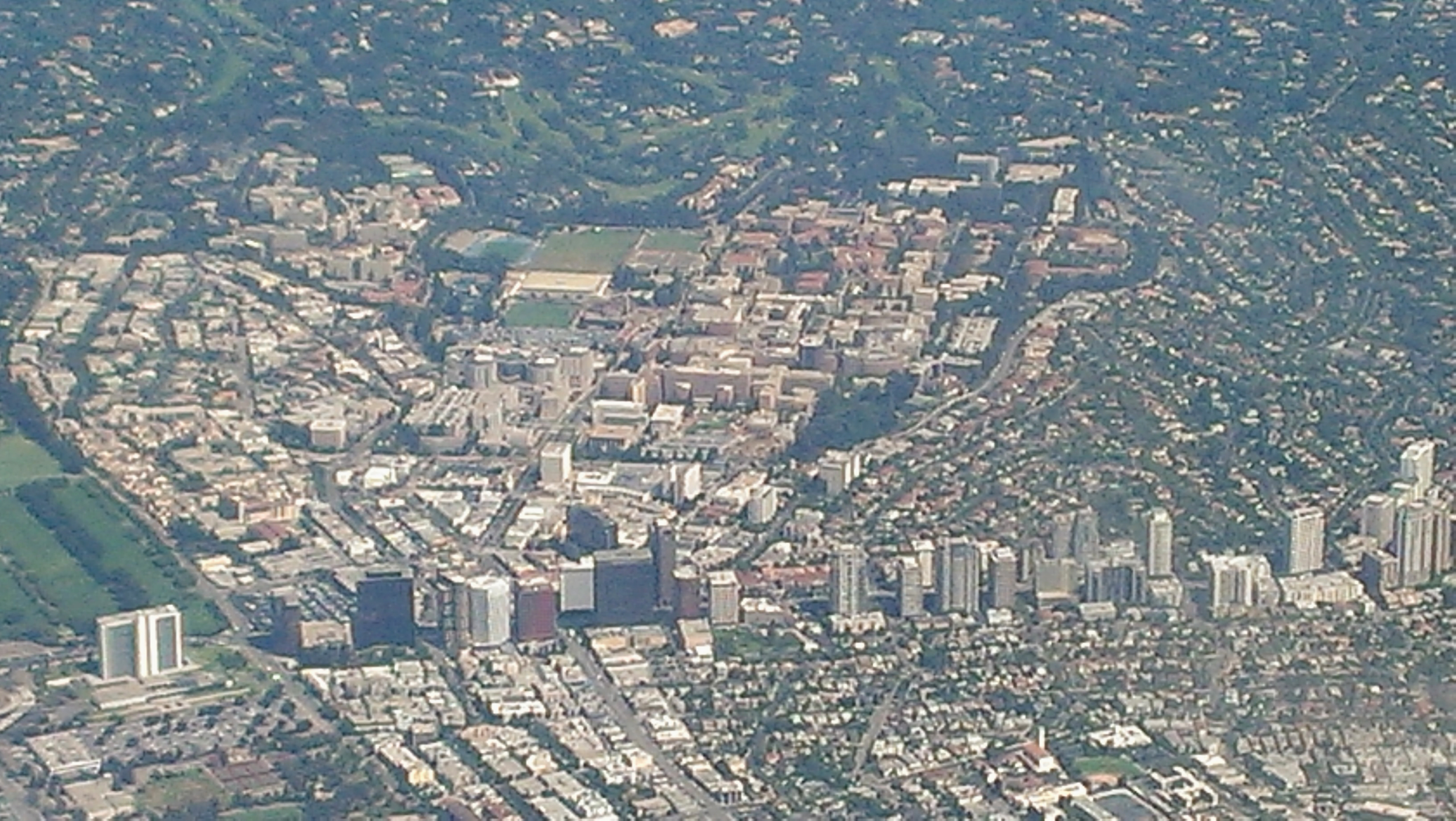
From Westwood’s Early Days to a High-Rise Residential Spine
Before the Wilshire Corridor became known for luxury towers, the broader area was tied to the development of Westwood itself.
Westwood was built out in the early 20th century as Los Angeles expanded westward, and over time it evolved into one of the city’s most important institutional and commercial districts thanks to UCLA, Westwood Village and its central Westside position.
The old images of the area help tell that story. There was a time when this part of Los Angeles still carried traces of its earlier residential and semi-rural identity before it became a dense urban corridor.
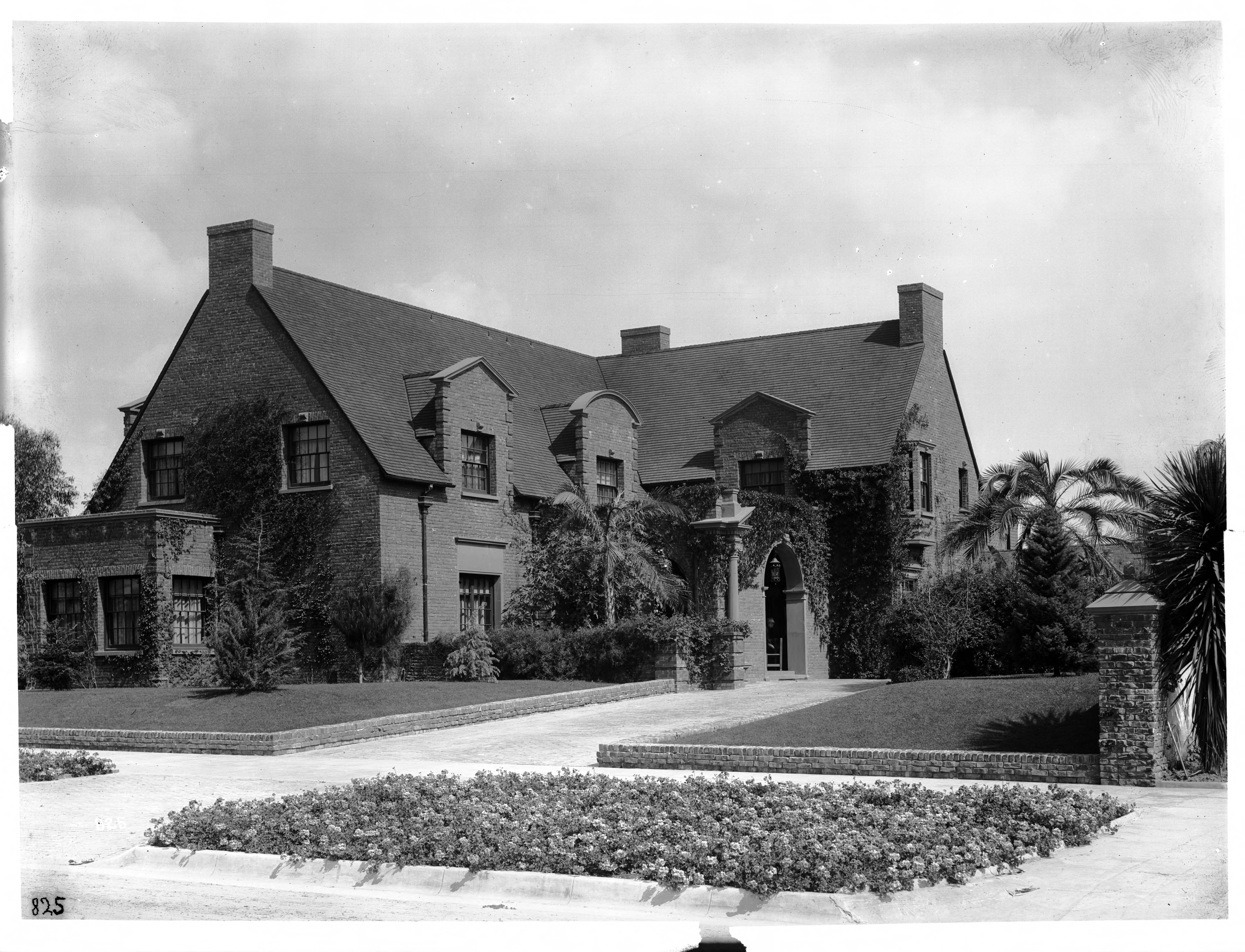
As Wilshire Boulevard matured into one of Los Angeles’ defining east-west arteries, the land along it became increasingly valuable. And because so much of Los Angeles was built around low-rise sprawl, the Wilshire Corridor eventually stood out as one of the few places where height, density and luxury could all coexist at scale.
That development pattern gave the Corridor a completely different feel from nearby neighborhoods. It turned it into one of LA’s original answers to high-rise living.
The Corridor’s Mid-Century Evolution
Part of what makes the Wilshire Corridor interesting is that it did not become glamorous overnight.
Like much of Los Angeles, it evolved in stages. There was an era when roadside lodging, auto-oriented development and mid-century commercial growth still shaped parts of the boulevard. The old Ritz Wilshire Motor Hotel image is a reminder that Wilshire once had a much more transitional and motor-oriented identity than many people would assume today.
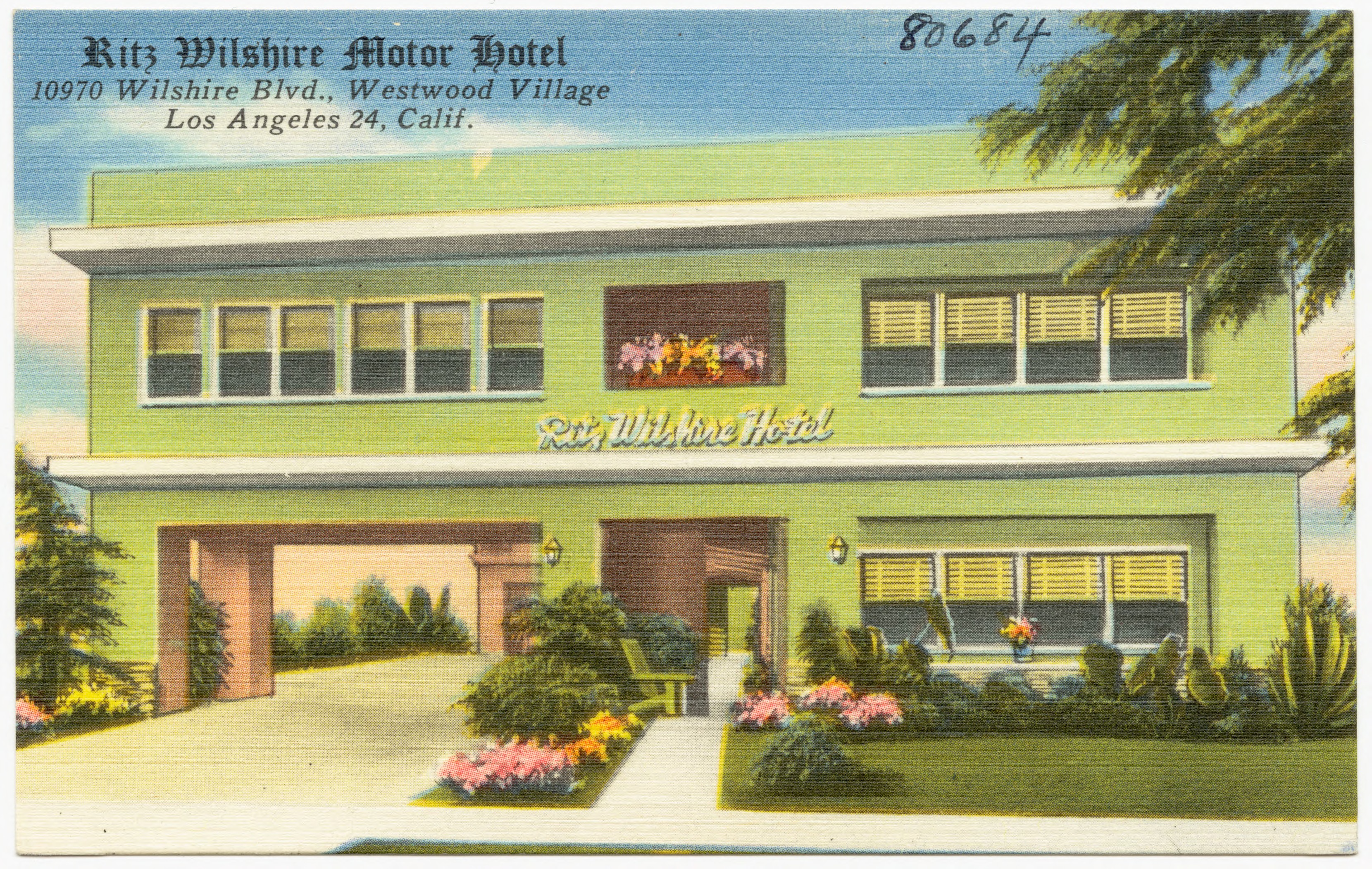
Eventually, though, the area became more defined by residential towers than by motel-style or low-rise uses. As condo living became more accepted among affluent buyers — especially downsizers, international buyers, professionals and entertainment-industry owners who wanted a lock-and-leave lifestyle — the Corridor found its niche.
And once it found that niche, it never really lost it.
Why the Wilshire Corridor Is So Different From the Rest of LA
The easiest way to explain the Wilshire Corridor is this: it gives buyers a New York or Miami style of luxury living, but in a very Los Angeles context.
That means larger units, more light, more width between buildings, more car convenience and often more dramatic views. It also means full-service buildings, security, doormen in some cases, valet, gyms, pools, concierge-style amenities and a strong sense that the building itself is part of the product.
In most LA neighborhoods, the value conversation starts with lot size and land. On the Wilshire Corridor, the conversation often starts with floor, line, building reputation, HOA strength, view orientation and remodeling quality.
That is a very different kind of analysis.
Why People Call It “Condo Canyon”
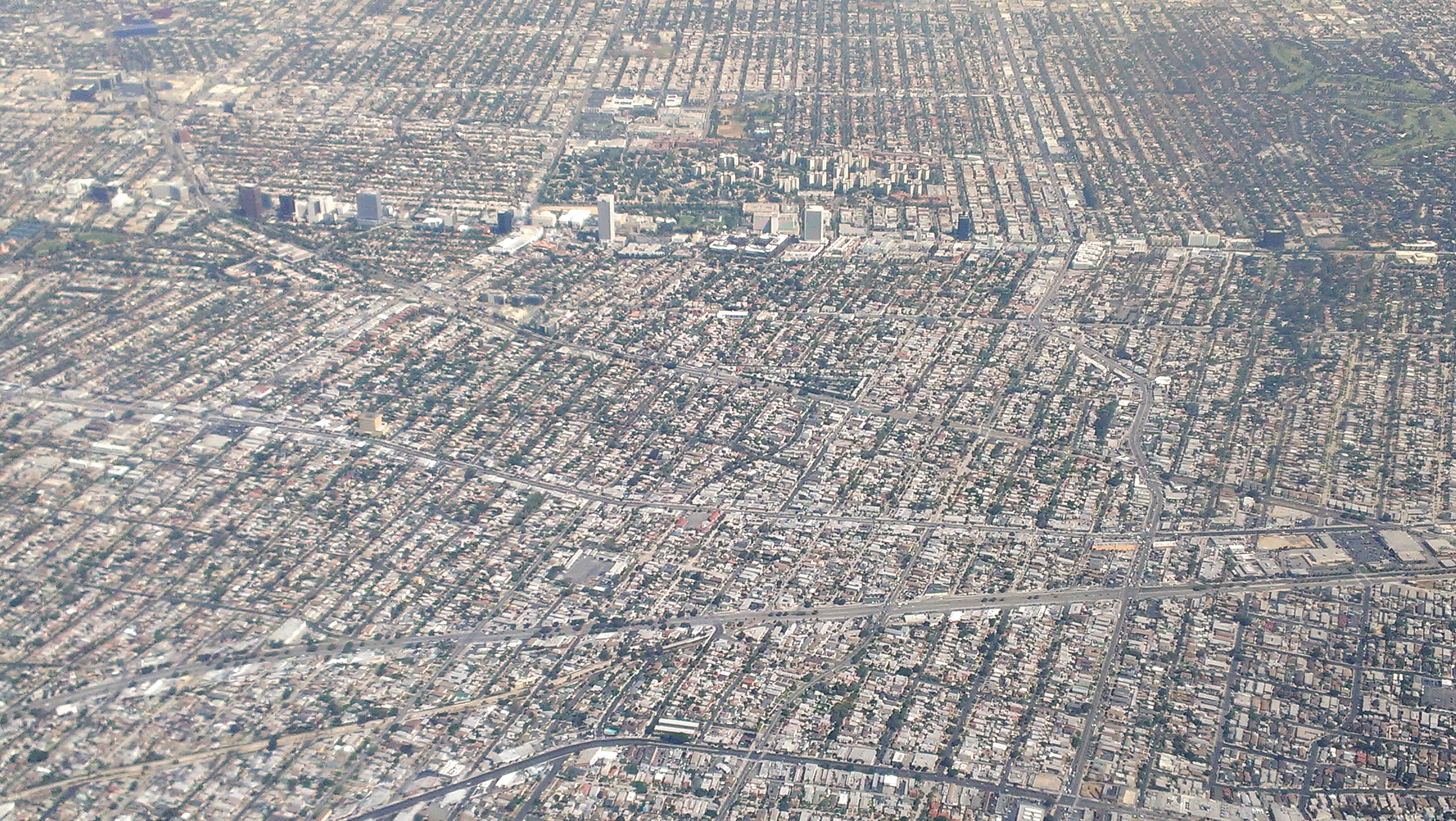
The Wilshire Corridor is sometimes called “Condo Canyon,” and honestly, the nickname fits.
When you look at the area from above, you can see how this dense vertical stretch contrasts with the lower-scale neighborhoods surrounding it. It is not just a tower or two. It is an entire concentration of residential high-rises forming one of the most visible luxury condo corridors in Los Angeles.
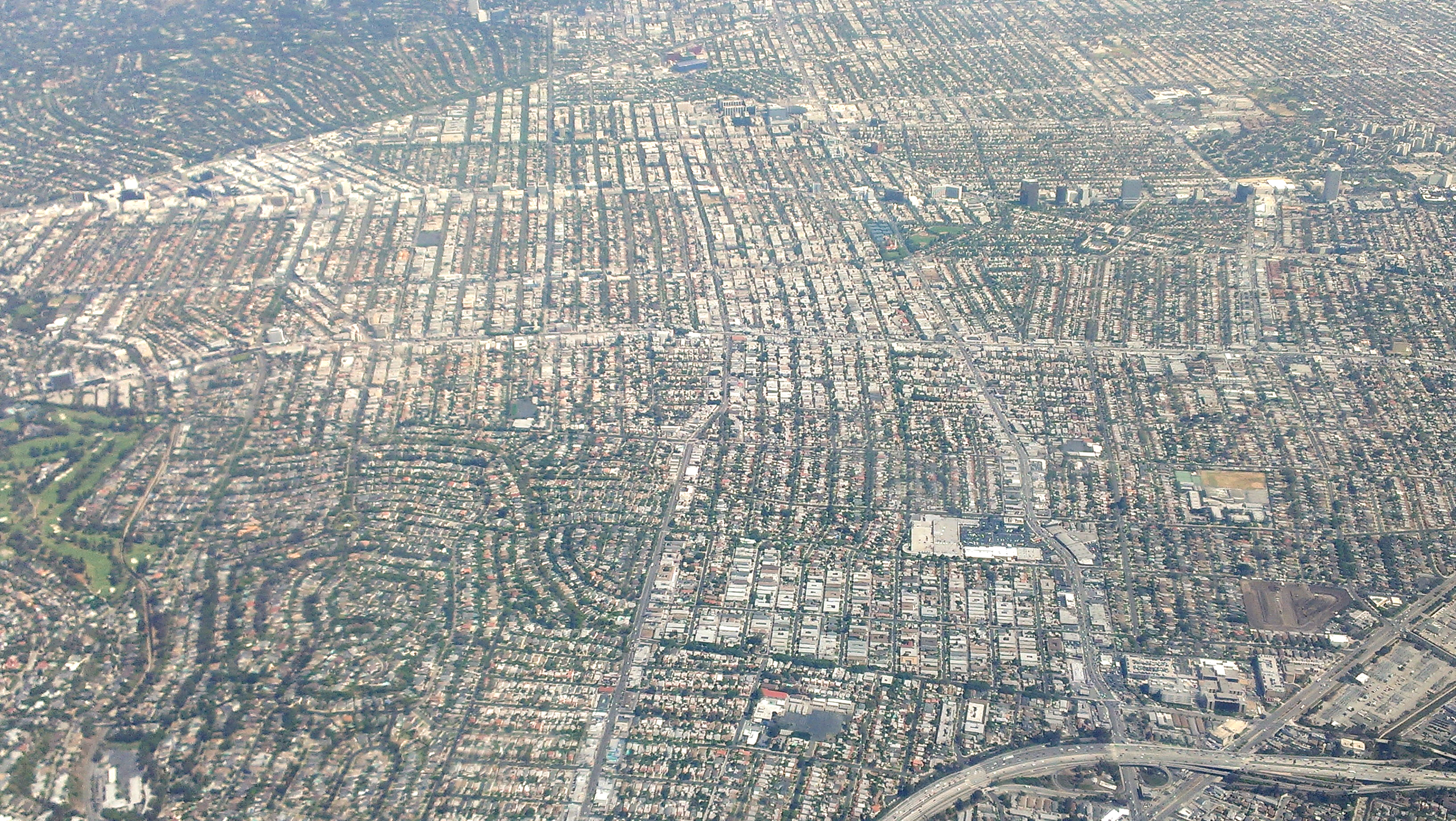
That concentration is part of the appeal. Buyers who want this lifestyle can compare multiple building options in one contained area. Some buildings skew older and more traditional. Others feel more contemporary. Some are known for sweeping golf course or ocean-facing views. Others are prized for security, service or sheer square footage.
The point is: the Corridor is not a one-building story. It is an entire ecosystem.
The View Is a Huge Part of the Lifestyle
One of the best parts of the Wilshire Corridor is that a lot of the value lives above ground.
In single-family neighborhoods, the premium often comes from land, privacy and architecture. On the Corridor, height can be the premium. Higher floors can mean city lights, sunsets, mountain views, golf course outlooks or, on the right day, even a hint of the ocean.
That creates a very specific luxury proposition.
A great Wilshire Corridor unit is not just about square footage. It is about how the unit lives in the sky. Does it face north toward Holmby Hills and Bel Air? South toward Century City? West toward sunset light? Does it capture UCLA, the hills, the skyline? Those things matter a lot.
And unlike a house, where the value can feel rooted in the parcel, Wilshire Corridor value often feels rooted in elevation and outlook.
Who Buys on the Wilshire Corridor?
The buyer pool here is pretty distinct.
Some buyers are downsizing from large homes in Beverly Hills, Holmby Hills or Brentwood and want something easier to manage. Others are second-home buyers who want a secure Westside base. Some are professionals affiliated with UCLA, medicine, law or entertainment who value being central. Others are international or out-of-area buyers who like the simplicity of a full-service building.
And of course, some people simply love condo living.
That matters, because the Wilshire Corridor is not trying to compete with every neighborhood. It is serving a buyer who wants convenience, security and a more turnkey lifestyle, while still staying in a very prestigious part of Los Angeles.
For the right person, that is incredibly compelling.
Why the Corridor Still Works
There are plenty of older condo districts in Los Angeles, but the Wilshire Corridor still works because the location is so durable.
The buildings may vary in age, style and quality, but the location remains elite. You are right in the middle of some of the most valuable and active parts of the Westside. That gives the Corridor staying power.
It also helps that the lifestyle is still relevant. Plenty of affluent buyers do not want the upkeep of a giant house. They do not want to manage landscaping, pools, roofing, gates and all the hidden maintenance that comes with a large estate. They want security, simplicity and service.
The Wilshire Corridor gives them that.
What Buyers Need to Understand
That said, buying on the Wilshire Corridor is not just about choosing a nice unit.
You have to evaluate the building itself.
That means looking at HOA dues, reserves, special assessments, staff quality, amenities, rules, guest parking, renovation standards and the building’s overall reputation in the market. Two similarly sized units in the Corridor can have very different values depending on the building and the floor.
That is why building-by-building knowledge matters so much here.
A buyer also has to accept the reality of the boulevard. This is Wilshire. Traffic is part of life. Noise can vary from unit to unit. Some buildings feel more insulated than others. Some units feel more private and elevated. Some feel more exposed.
The best Wilshire Corridor purchase is usually the one where the building, the unit and the buyer’s lifestyle all line up.
What Sellers Need to Know
If you are selling on the Wilshire Corridor, you are not just marketing an address. You are marketing a combination of building identity, lifestyle and view.
That means the pitch has to be sharper than “luxury condo in Westwood.”
Is the building full-service? Is the unit remodeled? What is the line? What direction does it face? What are the views? How strong is the service culture? Is the unit ideal for a downsizer, a pied-à-terre buyer, a doctor near UCLA, or someone wanting a secure Westside base?
Those details are the story.
Wilshire Corridor buyers tend to be informed. They often know the buildings. They know which ones carry cachet, which ones trade well, which ones feel dated and which ones still command a premium. Good marketing has to meet that sophistication.
My Take on the Wilshire Corridor
I think the Wilshire Corridor is still underrated by people who only think of LA luxury in single-family terms.
Yes, if your dream is a huge yard and a detached home, this is not the answer.
But if you want prime Westside positioning, a prestigious address, strong security, less maintenance and the possibility of a spectacular view, the Corridor makes a lot of sense. It is one of the few places in Los Angeles where condo living has long been normalized at the luxury level.
That gives it staying power.
The Wilshire Corridor is not for everyone, and that is exactly why it works so well for the people who do want it. It knows what it is. It is urban for LA. It is luxurious without being suburban. And it offers a very efficient way to live in one of the city’s best locations.
Final Take
The Wilshire Corridor remains one of Los Angeles’ most important luxury condo markets because it offers a rare combination of prestige, location, views and convenience.
It grew out of the broader rise of Westwood and Wilshire Boulevard, evolved through the city’s auto-era and mid-century growth, and ultimately became one of the defining vertical residential enclaves on the Westside.
For buyers, it offers lock-and-leave living, security and proximity to everything. For sellers, it is a market where building reputation and unit quality matter enormously. And for anyone trying to understand Westside real estate, it is a corridor worth paying close attention to.
If you are thinking about buying or selling on the Wilshire Corridor, in Westwood, Century City, Beverly Hills or anywhere on the Westside, contact me, Tyler Neale. Partnering with Tyler Neale Real Estate gives you clear insight into micro-markets, building differences, and what really drives value.