
There are famous streets in Los Angeles, and then there is Carolwood Drive.
Most celebrity streets are famous because of one house, one movie star, or one scandal. Carolwood is different. This one winding street in Holmby Hills has been connected to Old Hollywood, department store wealth, Walt Disney, Michael Jackson, and some of the most valuable residential real estate in Los Angeles.
In my Carolwood Drive reel, I opened with a simple question: why have so many stars lived on this one street?
The answer is not just celebrity culture. It is land, privacy, history, location, and the way Holmby Hills was designed from the beginning to feel like an estate enclave rather than a typical Los Angeles neighborhood.
Carolwood Drive is not loud. It is not commercial. It does not announce itself the way Rodeo Drive or Sunset Boulevard does. But behind the hedges, gates and long setbacks, it represents one of the clearest examples of how Los Angeles luxury became its own mythology.
The Street Starts With Arthur Letts
To understand Carolwood Drive, you really have to start with Arthur Letts.
Letts was the department store magnate behind The Broadway and Bullock’s, and one of the key figures behind the development of Westwood and Holmby Hills. In the early 20th century, he acquired a large portion of the old Wolfskill Ranch, and Holmby Hills would eventually grow out of that land. The Holmby Hills name itself was inspired by Holdenby, the English village tied to Letts’ background.
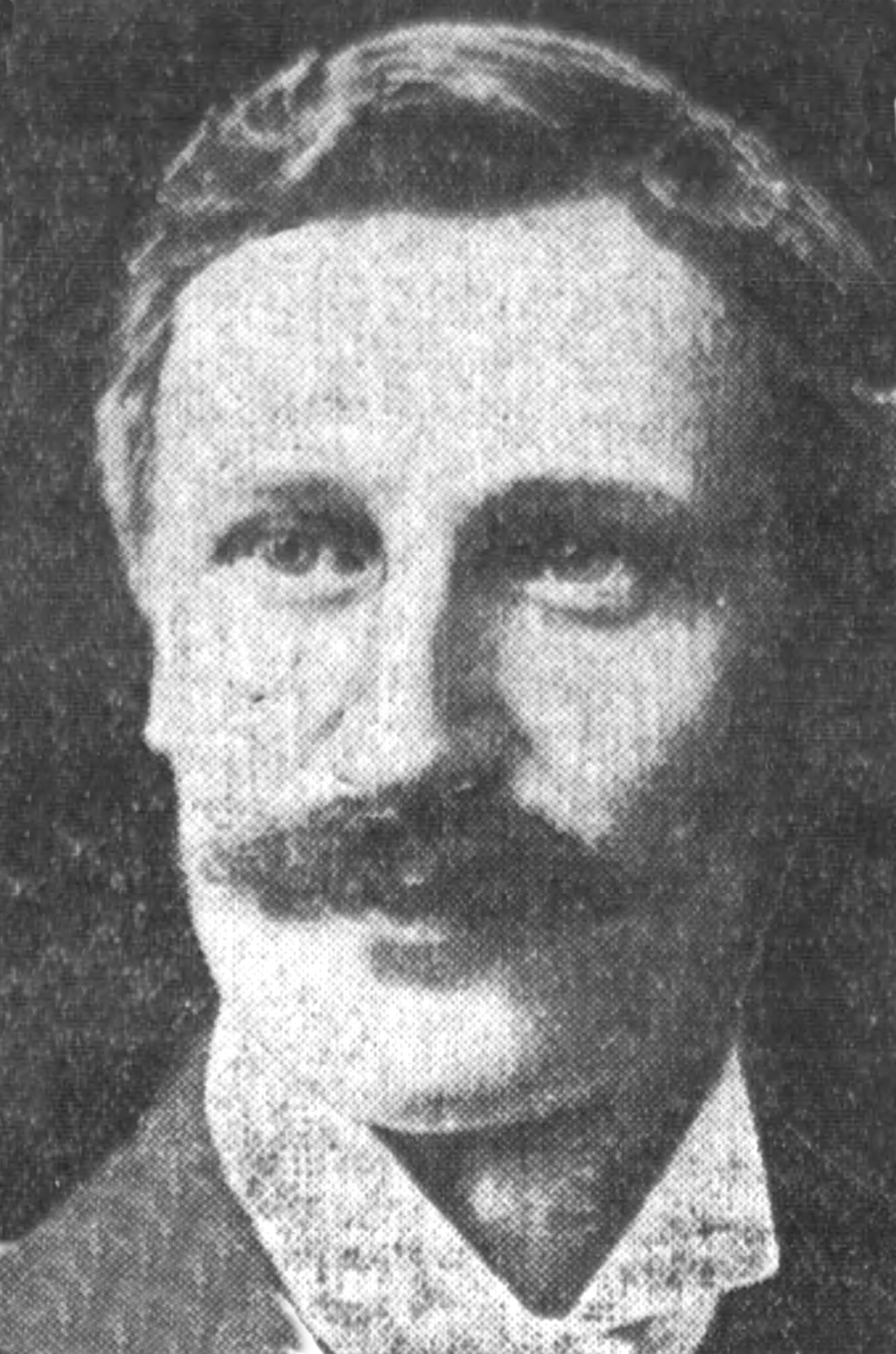
That origin story matters because Holmby Hills was never meant to feel ordinary. It was conceived around large parcels, broad streets, privacy, and an English-inspired sense of residential prestige.
Carolwood Drive inherited that DNA.
It was not just another pretty street in West Los Angeles. It was part of a larger vision for an estate district where wealth could be hidden in plain sight.
Holmby House and the Birth of the Estate Fantasy
Before Carolwood Drive became a celebrity address, Holmby Hills had to become a place people wanted to aspire to.
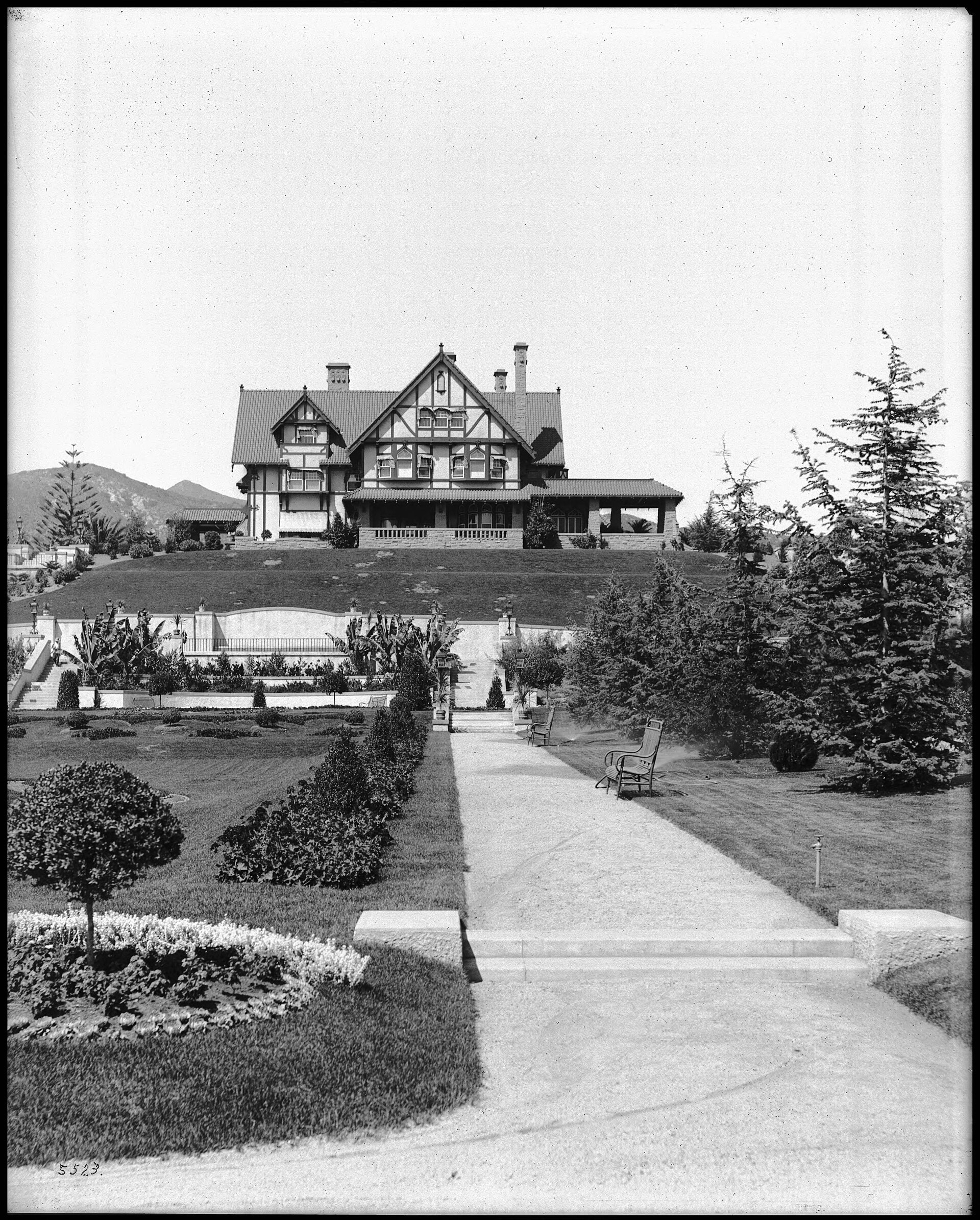
Arthur Letts’ own estate, known as Holmby House, helped establish that tone. Historic descriptions identify the Letts residence as a Gothic-Tudor Revival estate in Holmby Hills, a style that fit perfectly with the area’s early image as an elegant, semi-European retreat on the Westside.
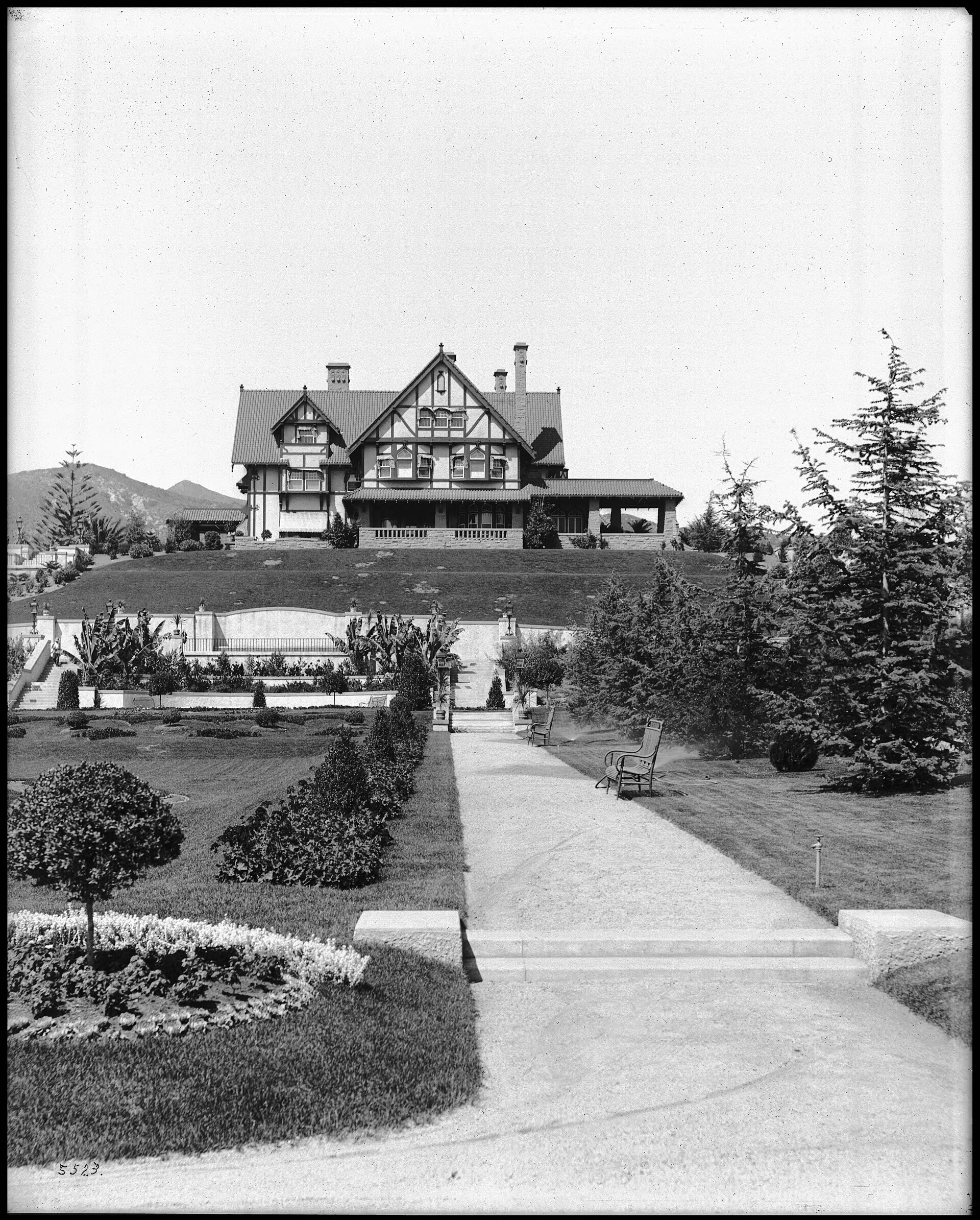
That was the magic of Holmby Hills from the beginning. It gave wealthy Angelenos the feeling of living in the country while still being close to Beverly Hills, Westwood, country clubs, studios, and the growing centers of power in Los Angeles.
Carolwood Drive became one of the streets where that promise felt most complete.
The lots were large. The landscaping was mature. The road curved just enough to feel private. And unlike the more visible parts of Beverly Hills, Carolwood had a quieter kind of glamour.
Why Stars Were Drawn to Carolwood
The celebrities who gravitated toward Carolwood were not just buying houses. They were buying a buffer.
That is one of the most important things to understand about the street. For public figures, privacy is not a luxury feature. It is the product.
Carolwood offered long drives, walls, gates, greenery and the feeling that you could be in the middle of Los Angeles without being fully exposed to it. Over the decades, the street has been associated with names like Walt Disney, Frank Sinatra, Michael Jackson, Clark Gable, Gregory Peck, Barbra Streisand, Elvis Presley, Sonny and Cher, Tony Curtis and others.
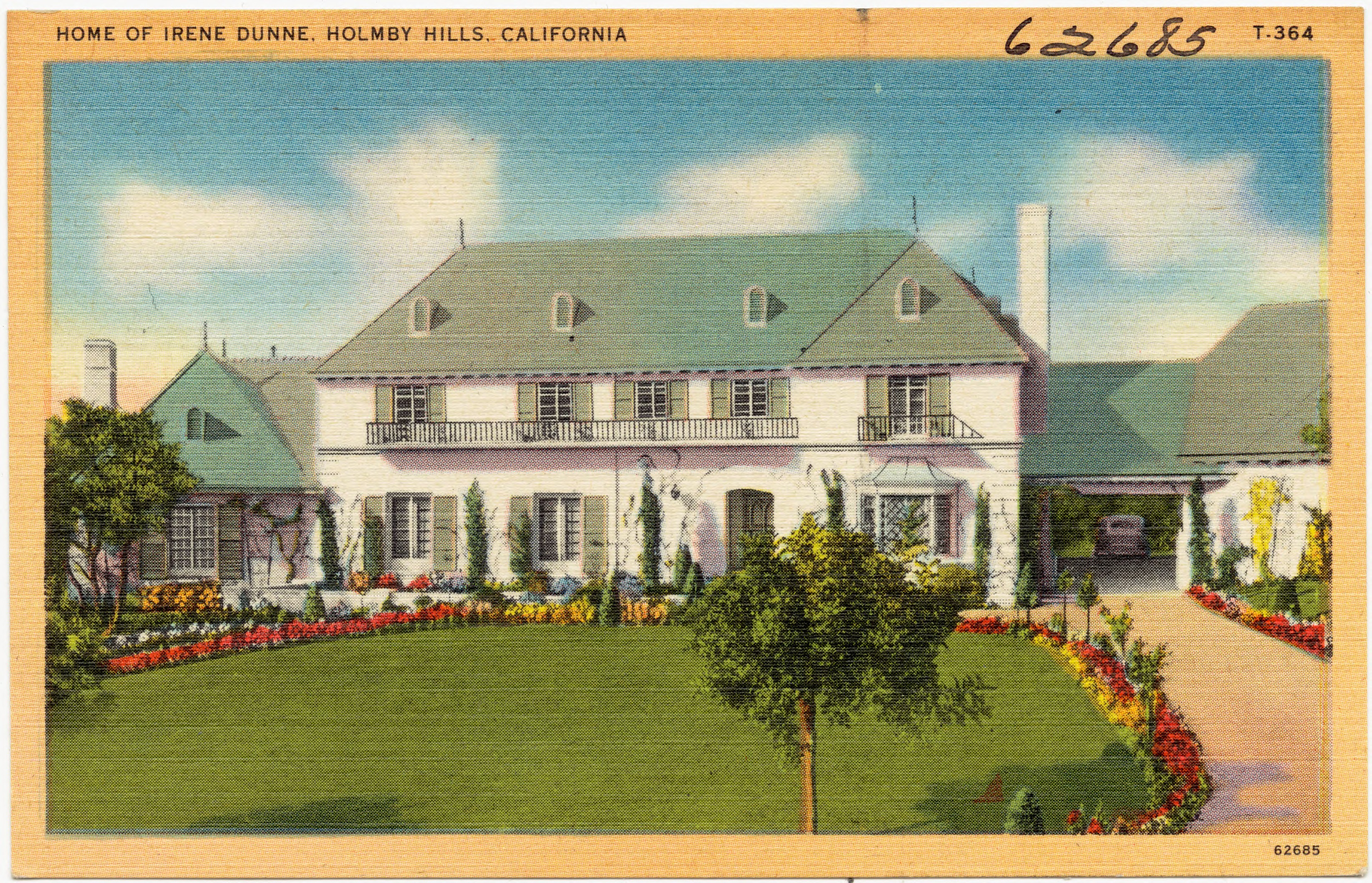
The appeal is obvious. Carolwood is central, but it does not feel exposed. It is prestigious, but not performative. It gives buyers access to Beverly Hills, Bel Air, Century City and Westwood while still feeling residential and secluded.
That combination is rare.
And in Los Angeles real estate, rarity is everything.
The Old Hollywood Layer
Carolwood Drive is part of a larger Holmby Hills story that dates back to the era when movie stars wanted estates that felt grand, private and slightly removed from the chaos of Hollywood.
That is why the old postcard images of Holmby Hills are so useful. They show a version of Los Angeles where the fantasy was not glass walls and infinity pools yet. It was manicured lawns, formal entries, motor courts, gardens, and homes that looked like they belonged to a private world.
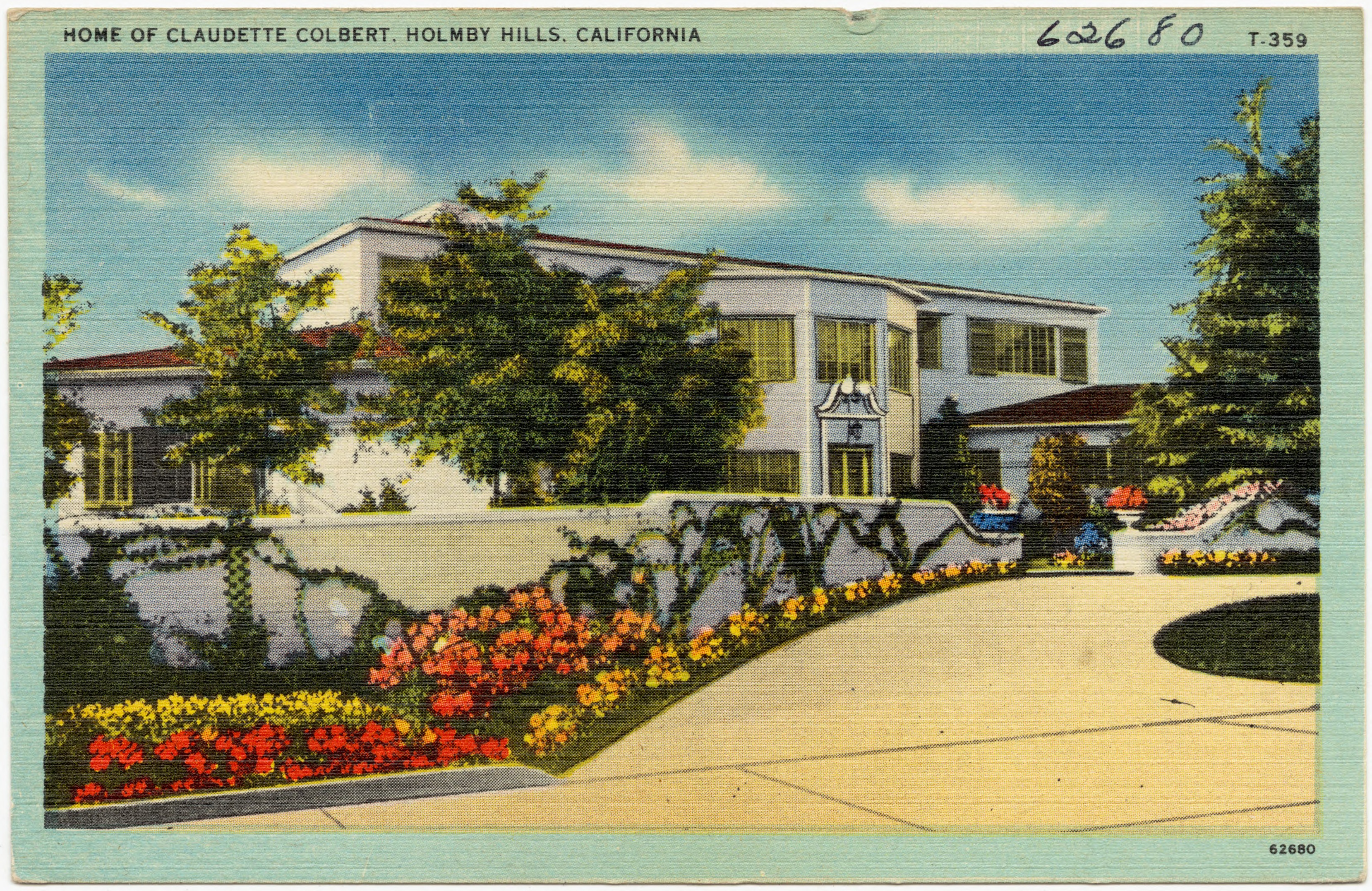
That older layer still affects how people see Carolwood today.
Even when the original homes are gone, the mythology remains. Buyers are not just paying for square footage. They are buying into the idea of Holmby Hills as one of the few Los Angeles neighborhoods where old Hollywood prestige, privacy and land all still intersect.
Walt Disney and the Carolwood Pacific Railroad
No Carolwood Drive story is complete without Walt Disney.
Disney lived at 355 North Carolwood Drive, and the property became famous not only because it was his home, but because of what he built there. In 1950, Disney built the Carolwood Pacific Railroad in the backyard of his Holmby Hills house and named it after the street itself: Carolwood Drive.
That detail is important because it turns Carolwood from just another wealthy street into part of the Disney origin story.
The backyard railroad was not merely a hobby. It was a miniature world, a place where Disney’s love of trains, storytelling, movement and controlled environments came together. In many ways, it foreshadowed the kind of thinking that would later define Disneyland.
That is what makes Carolwood fascinating. Some LA streets are famous because famous people slept there. Carolwood is famous because, in at least one case, a resident imagined something there that changed American entertainment.
Michael Jackson and the Modern Celebrity Era
Carolwood also has a much darker and more modern celebrity association.
Michael Jackson spent his final months in a rented mansion at 100 North Carolwood Drive and died in 2009 after going into cardiac arrest there.
That event added another layer to the street’s public identity. For many people, Carolwood is not just Disney, Sinatra or Old Hollywood. It is also tied to the surreal late-stage celebrity culture of the 2000s, when a private Holmby Hills estate could become the center of a global media story overnight.
That contrast is part of what makes the street so interesting. Carolwood can feel silent, shaded and almost hidden when you drive through it. But the names connected to it are enormous.
Carolwood as Real Estate
From a real estate standpoint, Carolwood Drive is one of those streets where the land often matters as much as the house.
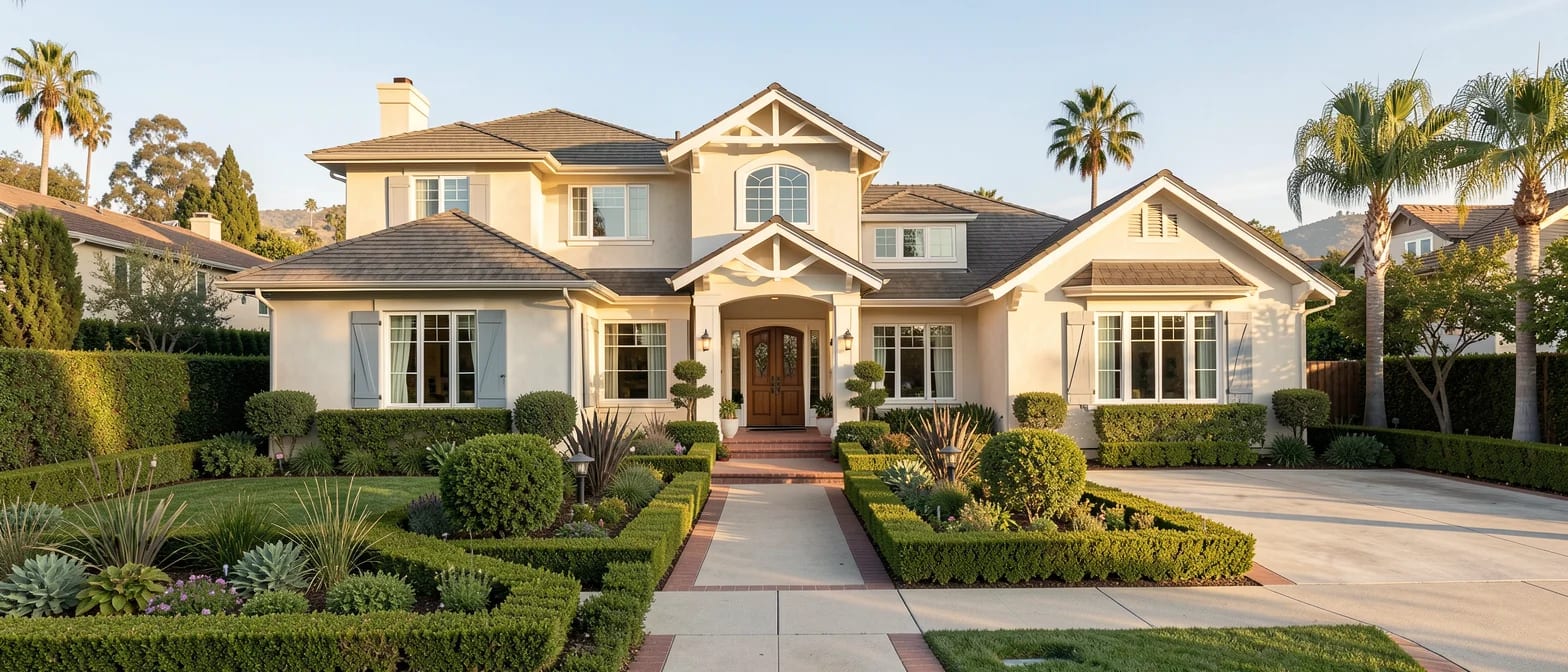
That is because the lots are large by Los Angeles standards, the setting is prestigious, and the address itself carries weight. Buyers at this level are not simply shopping for bedrooms and bathrooms. They are evaluating frontage, privacy, motor court potential, guest houses, lot shape, security, architectural pedigree, and whether the property feels like a true compound.
This is also where the old LA estate model meets the modern mega-mansion market.
Some properties still carry traces of the original Holmby Hills character. Others have been rebuilt, expanded or completely reimagined for today’s billionaire-level buyer. That is why Carolwood can feel like a street of ghosts and spec mansions at the same time.
The past is still there, but the market keeps rewriting it.
Why Carolwood Is Different From Beverly Hills Flats
A lot of people compare Carolwood Drive to Beverly Hills Flats, and that makes sense at first glance. Both are prestigious, central, and filled with major homes.
But they feel very different.
The Flats are more gridded, more walkable and more visibly tied to Beverly Hills proper. Carolwood feels more secluded. It is leafier, quieter and more estate-driven. The experience is less about being in the middle of everything and more about being near everything while remaining protected from it.
That is a major reason why certain buyers prefer Holmby Hills.
They want Beverly Hills access, but they do not necessarily want the Beverly Hills feeling. Carolwood gives them a more hidden version of Westside luxury.
The Power of the Street Name
At the highest end of LA real estate, street names matter.
Carolwood is one of those names that instantly signals a certain level of property. Even people who do not know every estate in Holmby Hills understand that Carolwood is serious. It sits in the same mental category as Mapleton, Delfern, Bellagio and Charing Cross.
That kind of brand value is hard to manufacture.
It comes from decades of real estate history, famous residents, large lots and repeated high-end sales. Once a street becomes part of the luxury vocabulary of Los Angeles, it tends to stay there.
Carolwood has done exactly that.
My Take on Carolwood Drive
What I find most interesting about Carolwood Drive is that it is not flashy in the obvious way.
It is not a street built around retail, nightlife or public spectacle. It is not the kind of place where you go to be seen. In fact, the whole point is the opposite.
Carolwood is about disappearing.
That is why it made sense for movie stars, studio heads, entertainers and ultra-high-net-worth buyers. It gives people a way to live at the center of LA power while still feeling removed from it.
And that is the real story of the street.
It is not just that famous people lived there. It is that the street was built in a way that made famous people want to live there.
Final Take
Carolwood Drive is one of Los Angeles’ most important residential streets because it captures so many layers of the city at once.
It begins with Arthur Letts and the creation of Holmby Hills. It carries the memory of grand estates and Golden Age Hollywood. It includes Walt Disney’s backyard railroad and the imaginative world that helped point toward Disneyland. It includes the celebrity mythology of Frank Sinatra, Michael Jackson and other major names. And today, it remains one of the most prestigious real estate addresses in the Platinum Triangle.
That is why Carolwood Drive still matters.
It is not just a beautiful street. It is a condensed version of Los Angeles luxury history.
If you are thinking about buying or selling in Holmby Hills, Beverly Hills, Bel Air or anywhere on the Westside, contact me, Tyler Neale. Partnering with Tyler Neale Real Estate gives you clear insight into the history, micro-markets and real value behind LA’s most important addresses.