
The Bird Streets are one of those Los Angeles neighborhoods where the name sounds almost too charming for what the area has become.
Blue Jay Way. Oriole Drive. Thrasher Avenue. Nightingale Drive. Warbler Way. Flicker Way.
It sounds whimsical. Almost quaint.
But today, this small hillside pocket above the Sunset Strip is one of the most expensive and celebrity-dense residential areas in Los Angeles. It is the kind of place where privacy, views, architecture and status all collide on steep, winding roads carved into the Hollywood Hills.
What makes the Bird Streets so fascinating is that this was not always an obvious luxury neighborhood. In my reel, the bigger question was: how did rough hillside terrain above Sunset become one of the most desirable places to live in LA?
The answer has a lot to do with timing, topography, Hollywood, and one of the most powerful things in Los Angeles real estate: the view.
Where the Bird Streets Are
The Bird Streets sit in the Hollywood Hills West, just above the Sunset Strip and West Hollywood. They are generally associated with the hills north of Sunset Boulevard, near streets like Blue Jay Way, Oriole Drive, Tanager Way, Thrasher Avenue, Nightingale Drive, Robin Drive, Swallow Drive, Warbler Way and Flicker Way.
That geography is everything.
You are above one of the most famous nightlife corridors in the world, but you are not in it. You are minutes from restaurants, hotels, clubs, Beverly Hills and West Hollywood, but once you climb into the hills, the feeling changes completely.
The neighborhood’s identity comes from its bird-themed street names, and local history accounts trace that theme to developer Cooley Butler, whose wife LaRue Wallace Butler reportedly chose bird names that played off the area’s “bird’s-eye” views over Los Angeles. The area was established in the 1920s, with some accounts tracing the earliest tract to Butler’s 20-acre acquisition in 1922.
That is such an LA story.
A steep hillside becomes a brand. A view becomes a marketing strategy. And a set of bird names eventually becomes shorthand for ultra-luxury.
Why Sunset Strip Mattered
The Bird Streets probably never become what they are without the Sunset Strip below them.
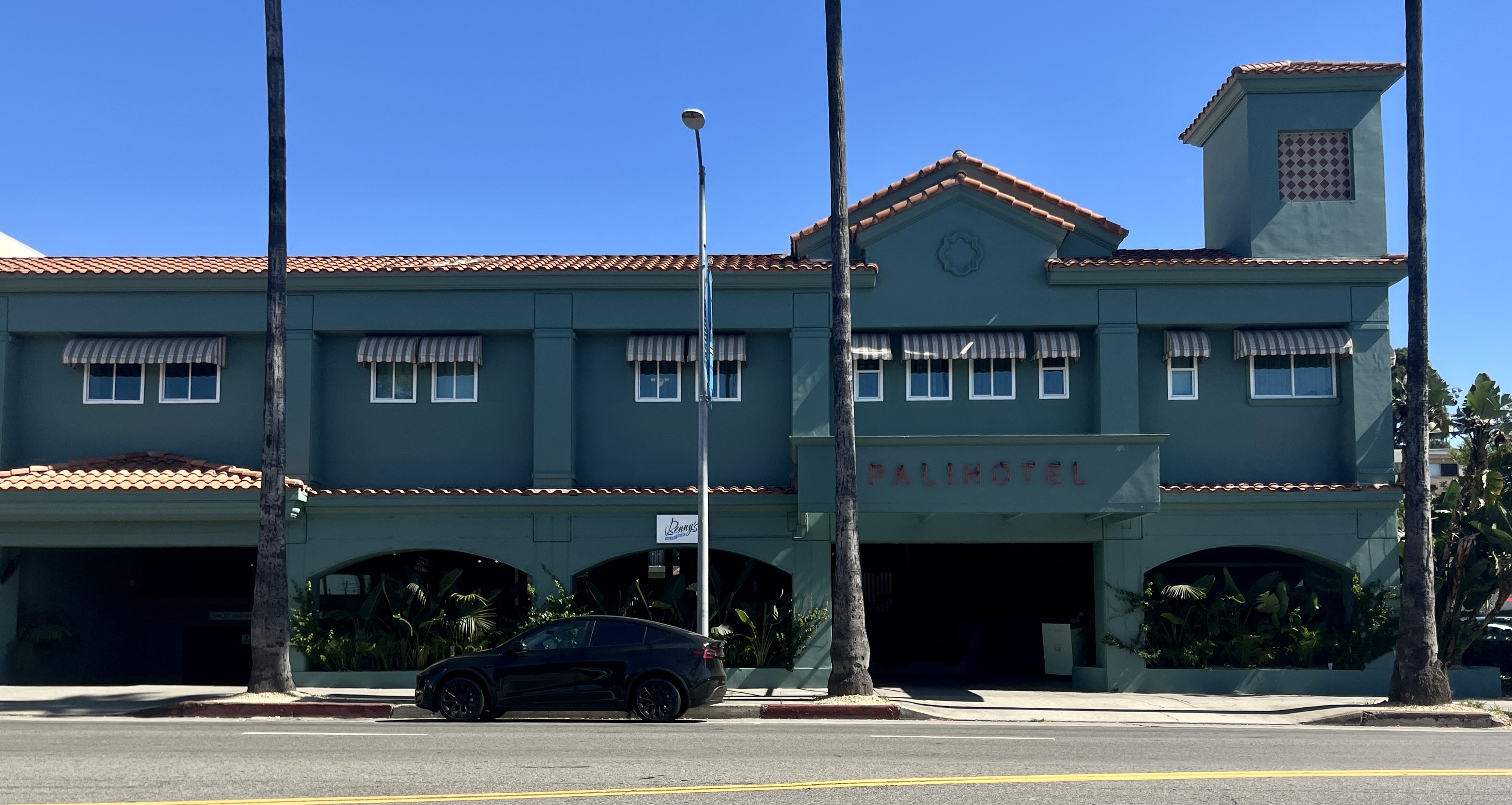
The Strip was already building its mythology in the early 20th century. Before West Hollywood incorporated in 1984, much of the Sunset Strip sat in unincorporated Los Angeles County. That looser regulatory environment helped fuel nightlife, gambling, clubs and celebrity culture in a way that was different from the City of Los Angeles. Visit West Hollywood notes that places like Ciro’s, Trocadero and Mocambo drew Hollywood money, movie stars and nightlife energy.
That matters because the Bird Streets offered something the Strip could not: retreat.
You could go out below, then disappear above. That dynamic became one of the defining luxuries of the neighborhood.
The Bird Streets were never just about big houses. They were about being close to the action while staying removed from it.
That is still the formula today.
The Beatles and Blue Jay Way
One of the most famous pop culture connections to the Bird Streets is Blue Jay Way.
In 1967, George Harrison rented a house at 1567 Blue Jay Way, high in the Hollywood Hills above the Sunset Strip. Forbes notes that this is where Harrison wrote “Blue Jay Way,” after friends had trouble finding the house through the foggy hills.
That story captures something important about the neighborhood.
The Bird Streets are central, but they do not feel easy. They are winding, private, narrow, hillside roads that can feel hidden even when you are minutes from Sunset Boulevard. That difficulty is part of the appeal.
In a flat city, complexity creates privacy.
And in Los Angeles, privacy is a luxury amenity.
From Hillside Lots to Celebrity Real Estate
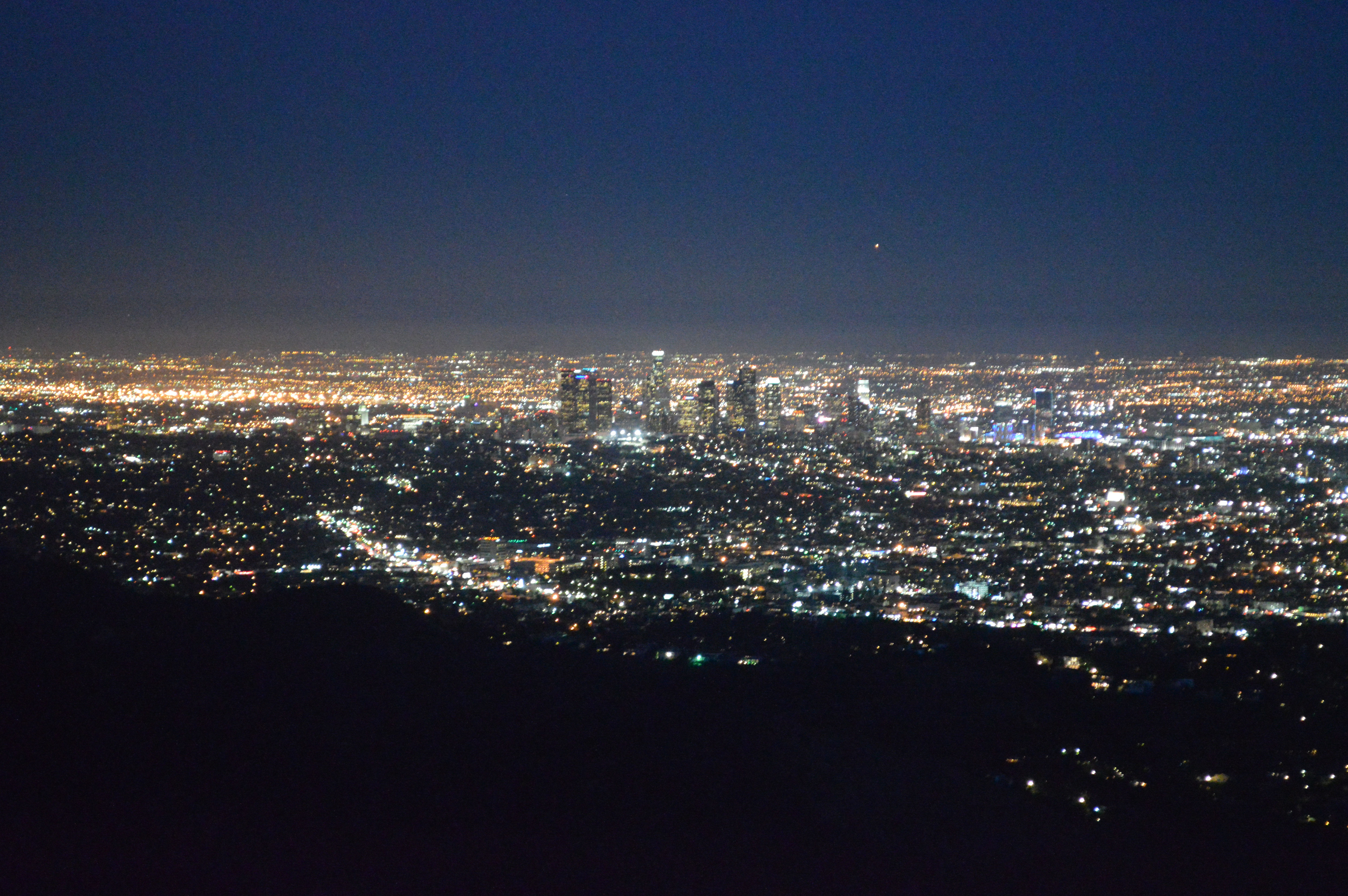
The Bird Streets became especially valuable because the lots do something most LA lots cannot do: they look out.
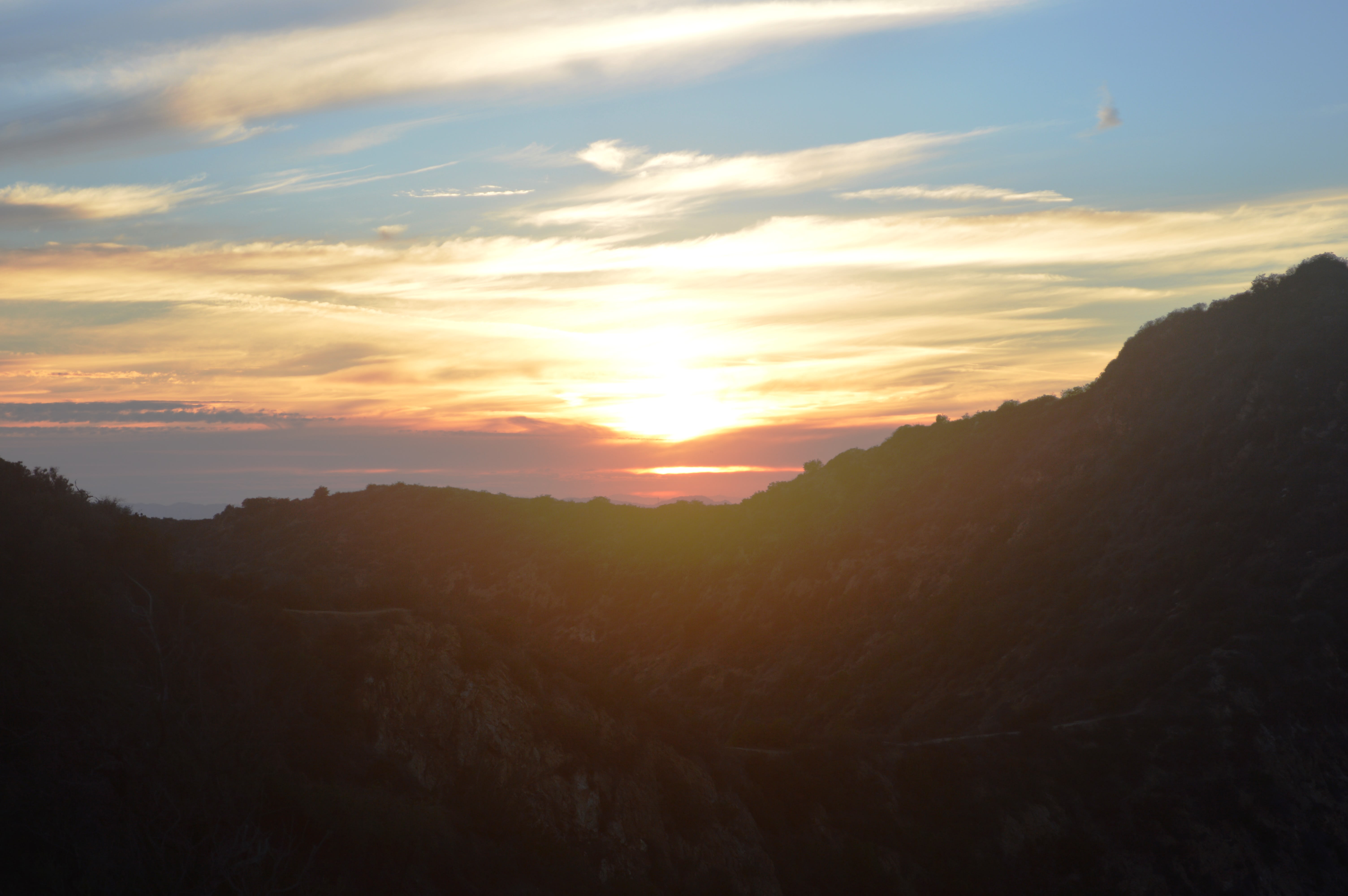
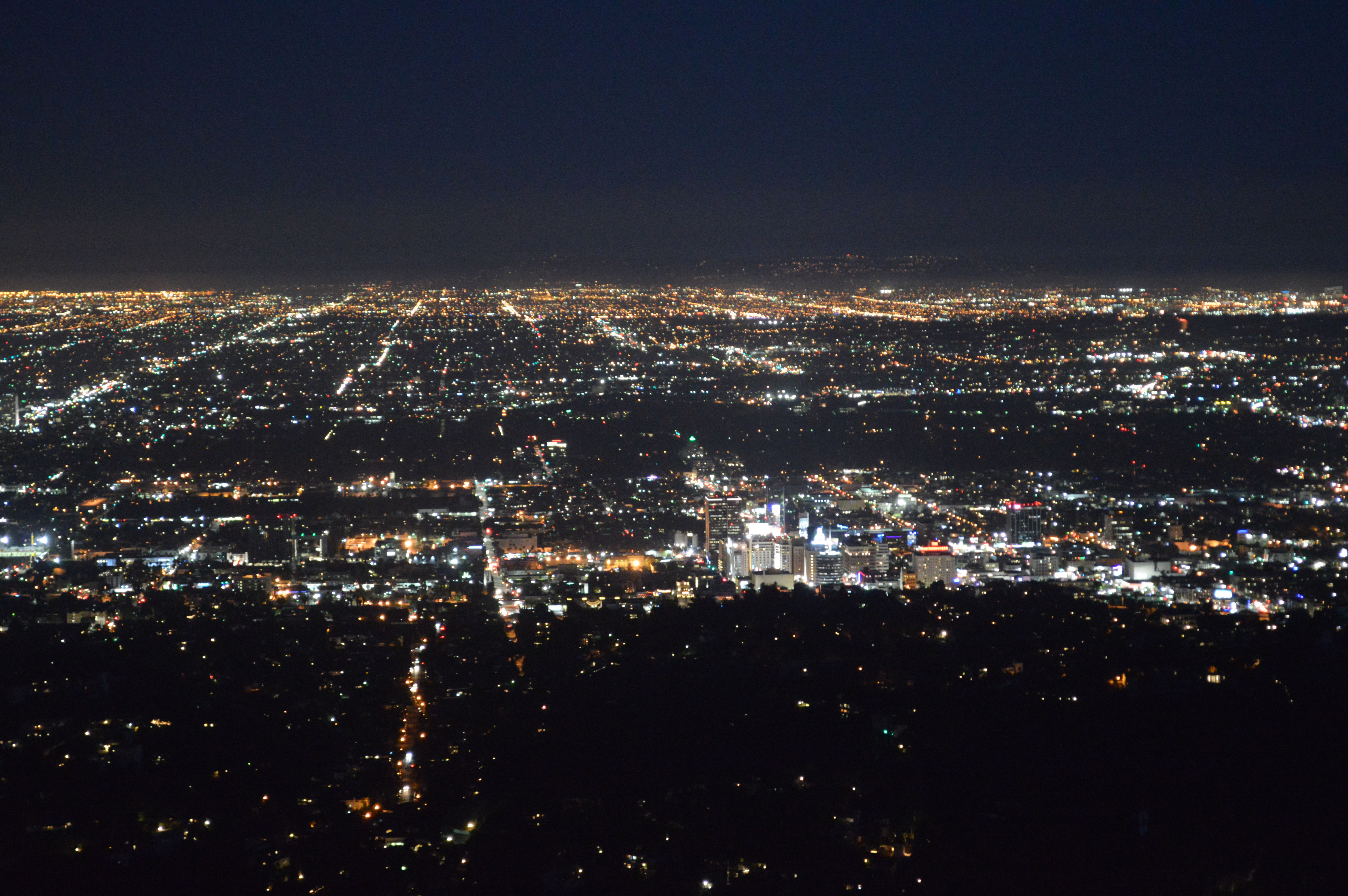
From the best properties, you get sweeping views across the city, from Downtown to Century City, Westwood, the Pacific and the basin below. The best sites are not just homes. They are platforms.
That is why the modern Bird Streets market became so intense.
Older hillside homes, many of them modest by current luxury standards, sat on irreplaceable view lots. Developers realized that a smaller older house on a spectacular lot could be torn down or radically rebuilt into a modern glass-and-stone showpiece.
That created the Bird Streets formula we know now: dramatic architecture, infinity pools, walls of glass, huge entertaining decks, screening rooms, wellness spaces, car galleries and views designed to photograph like a movie poster.
The Real Deal has described the Bird Streets as a celebrity enclave where spec homes and ultra-luxury development reshaped the neighborhood, noting that the area has been “gentrifying from wealthy to uber-wealthy.”
That line is exactly right.
This was already expensive. Then it became a global trophy market.
Why Celebrities Like It
The Bird Streets work for celebrities because they offer four things at once.
Location. Privacy. Views. Status.
You can be close to West Hollywood, Beverly Hills, the Sunset Strip, studios, restaurants, clubs and hotels. But the streets themselves are tucked into the hills, with gated driveways, hedges, blind curves and homes that often turn inward toward the view instead of outward toward the street.
That is the difference between a famous address and a livable famous address.
Some prestigious neighborhoods are visible by design. Beverly Hills announces itself. Trousdale has a certain architectural confidence. Holmby Hills has old-money scale. But the Bird Streets are more secretive. They are not about grand boulevards or formal gates into a master-planned neighborhood.
They are about the feeling of being hidden above the city.
That is why the neighborhood keeps attracting actors, musicians, tech money, entertainment executives and developers. It gives people the LA fantasy without making them live inside the public version of Los Angeles.
The Modern Bird Streets House
The modern Bird Streets house is almost its own architectural category.
It usually starts with a difficult hillside lot. Then comes the engineering: caissons, retaining walls, grading, parking, excavation, and maximizing the buildable envelope. After that, the architecture is designed around one central idea: frame the view.
You see it again and again.
Open-plan living rooms that disappear into outdoor decks. Pools that seem to fall into the skyline. Primary suites facing the city. Lower levels built for theaters, gyms, wellness rooms, bars, offices and guest suites. Everything is oriented toward spectacle.
In the reel, I referenced the kind of extreme listing that defines the current Bird Streets market. One example is 9330 Flicker Way, which public listing sites have shown at $68 million, with 9 bedrooms, 14 baths, a nearly 0.9-acre lot and sweeping views in a Bird Streets enclave.
That is not a normal house. That is a statement property.
And that is what the Bird Streets market has become at the top end.
The Real Estate Lesson
The Bird Streets are a reminder that Los Angeles real estate is not only about the house.
It is about the land.
More specifically, it is about what the land can do.
Can it create privacy? Can it capture a view? Can it hold a major architectural statement? Can it feel removed while still being minutes from everything? Can it give a buyer something they cannot easily replicate somewhere else?
That is why hillside land above Sunset became so valuable.
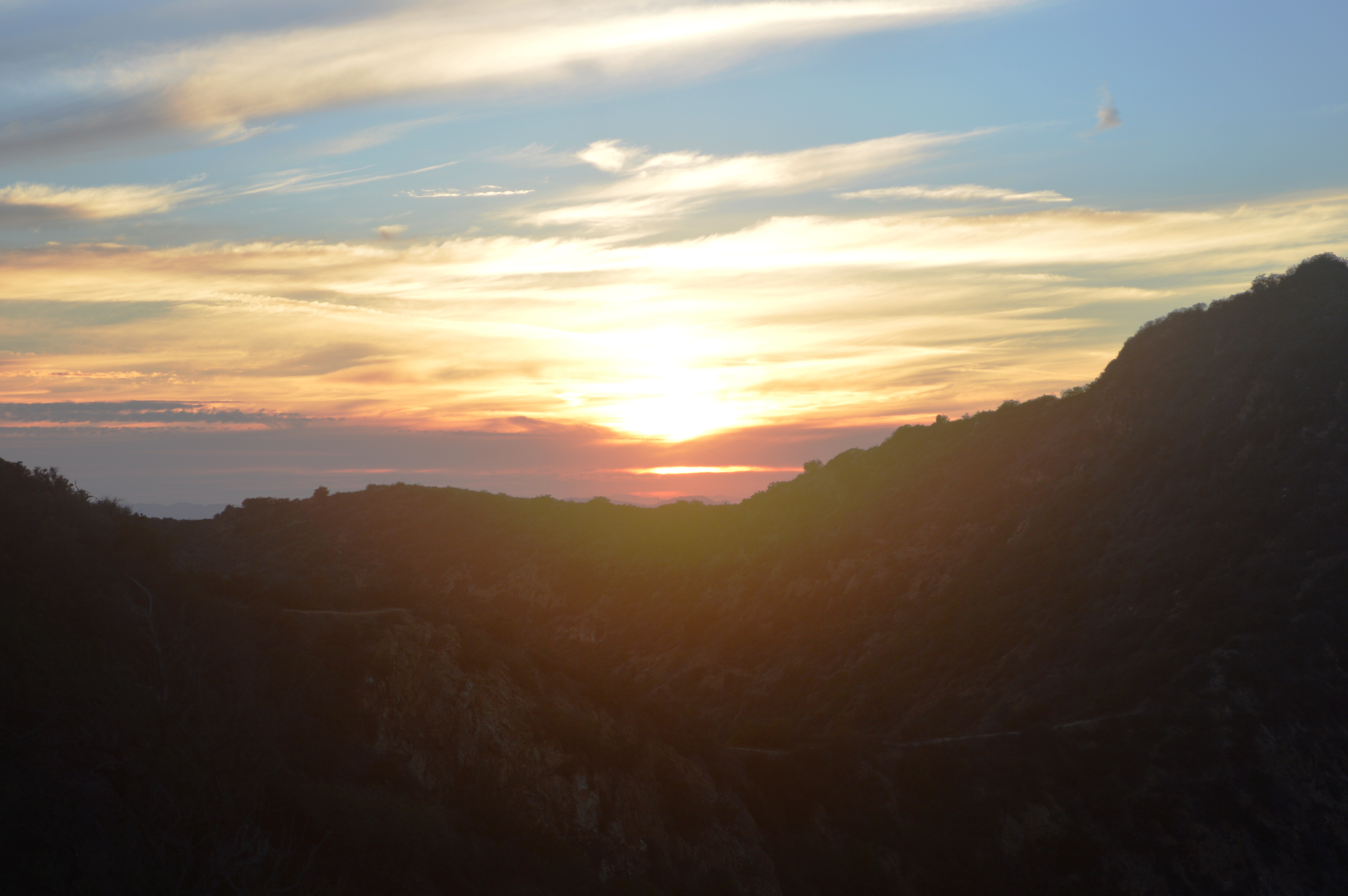
The houses will change. Styles will change. The market will go up and down. Some spec homes will hit the right buyer immediately, while others will sit because the pricing gets too ambitious.
But the underlying reason people want the Bird Streets does not really change.
There are only so many lots above the Sunset Strip with privacy, views and this level of cultural cachet.
That scarcity is the real asset.
What Buyers Should Know
For buyers, the Bird Streets are not a casual market.
You are buying into a hillside environment, and that means the glamorous part of the listing is only one side of the story. The less glamorous side is just as important: access, slope, geology, drainage, retaining walls, fire risk, insurance, construction history, permits and how usable the property actually feels day to day.
A house can have a spectacular view and still be difficult to live in if the layout is awkward, parking is limited, outdoor space is compromised or the drive up feels exhausting.
My advice to buyers is to look beyond the photos.
A Bird Streets property should be evaluated like architecture, land and engineering all at once. The value is not just the finish level. It is the lot, the exposure, the privacy, the view corridor and the difficulty of recreating that same experience somewhere else.
What Sellers Should Know
For sellers, the Bird Streets are a market where presentation matters enormously.
You are not just selling bedrooms and bathrooms. You are selling a lifestyle mythology: the Sunset Strip below, the city lights beyond, the privacy of the hills, and the prestige of one of LA’s most recognizable luxury enclaves.
But that does not mean every Bird Streets property can command a fantasy price.
The best listings make the case clearly. They show the view. They explain the lot. They position the architecture. They understand who the buyer is. And they do not pretend that every hillside property is equal.
In this neighborhood, two houses a few turns apart can have completely different values because one has an unobstructed city-to-ocean view and the other does not.
That is why local nuance matters.
Final Take
The Bird Streets are one of the best examples of how Los Angeles turns geography into identity.
What began as difficult hillside terrain became a branded enclave because the views were too good, the location was too powerful and the culture below the hill was too magnetic.
The bird names made it memorable. The Sunset Strip made it relevant. Hollywood made it famous. And modern luxury real estate turned it into one of the most coveted hillside markets in the country.
That is the story of the Bird Streets.
It is not just where people live above Los Angeles.
It is where they buy the fantasy of being above it all.
If you are thinking about buying or selling in the Bird Streets, the Hollywood Hills, Sunset Strip or anywhere else in Los Angeles, contact Tyler Neale. I can help you understand the property, the neighborhood, the views, the risks and the real market position before you make your next move.