
Altadena has always been one of the most quietly fascinating communities in Los Angeles County.
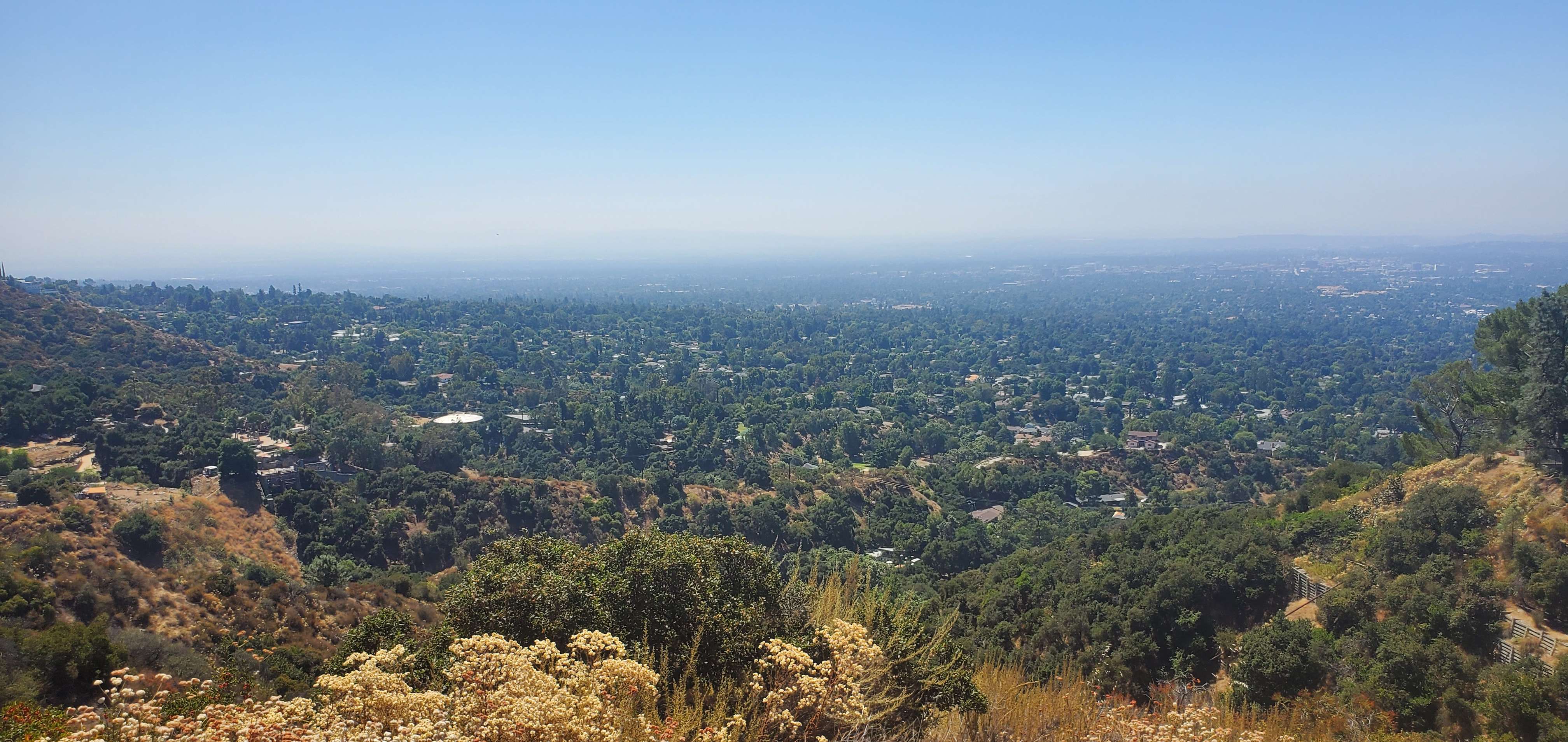
It sits just above Pasadena, pressed against the San Gabriel Mountains, with canyon views, older homes, leafy streets and a sense of independence that feels different from the polished cities around it. It is not Pasadena. It is not La Cañada. It is not Sierra Madre. Altadena has always had its own identity.
And after the Eaton Fire, that identity is now at the center of one of the most important Los Angeles real estate questions: who gets to come back?
That is what makes Altadena’s story so powerful. This is not just a story about a fire. It is a story about land, race, homeownership, generational wealth, mountain mythology and whether a historic community can rebuild without being replaced.
The Eaton Fire started on January 7, 2025, and affected Altadena and nearby areas. By January 22, Los Angeles County reported 9,418 structures destroyed in the Eaton Fire.
My take is that Altadena may become one of the defining post-fire real estate stories in Southern California. Not because the land is valuable, although it is. But because the value of Altadena was never only in the land. It was in the people who built a life there when so many other places in Los Angeles were closed to them.
Altadena Was Built Above Pasadena, But Not Beneath It
Altadena’s name says a lot. It literally suggests a place above Pasadena, and geographically that is exactly what it is. But culturally, Altadena was never just Pasadena’s uphill neighbor.
In the late 19th century, this area attracted wealthy Angelenos, entrepreneurs and visionaries who wanted mountain air, open land and views. Before modern subdivisions filled the foothills, Altadena had the feel of a rural retreat. Large homes, orchards, ranches and resort culture all helped shape its early identity.
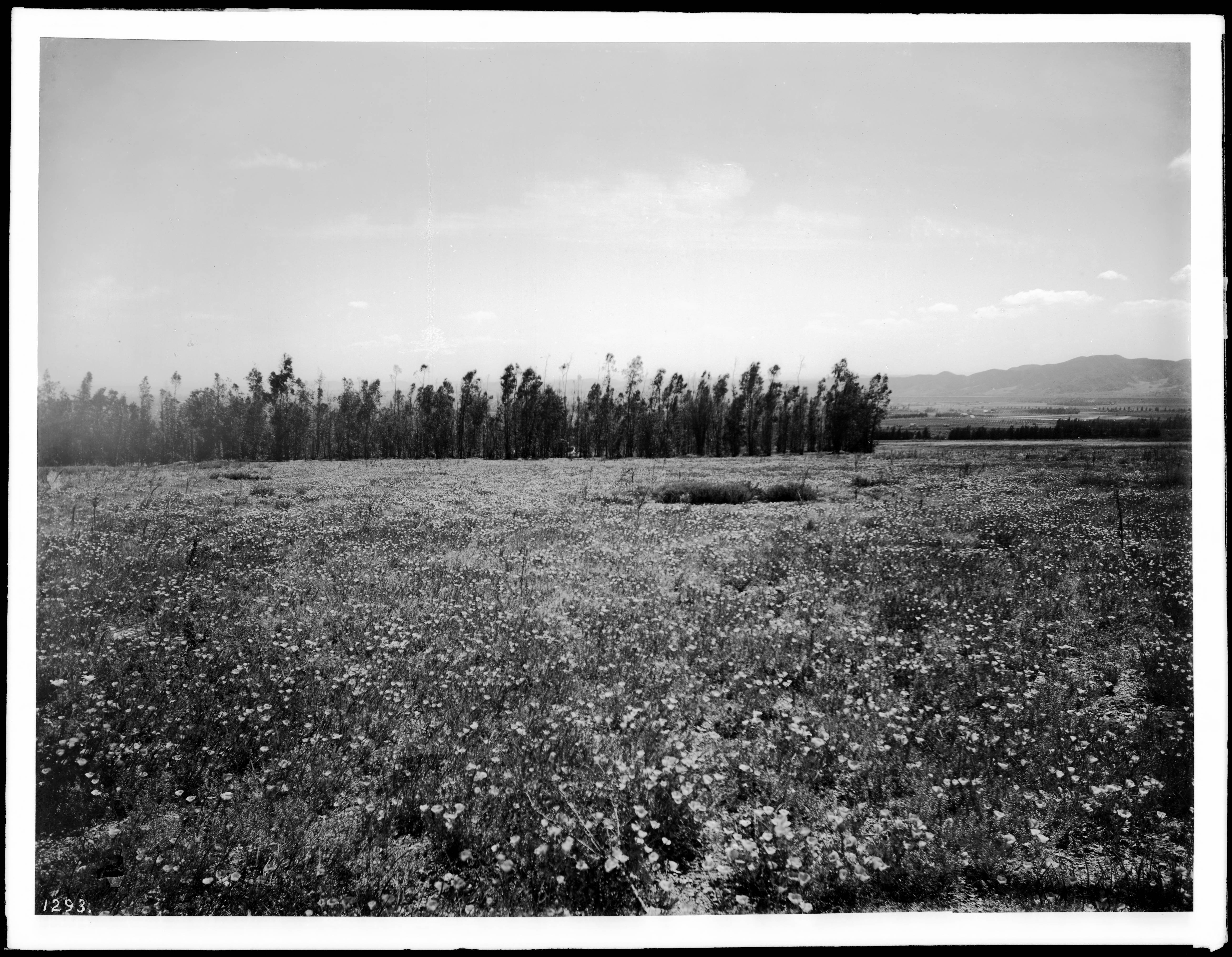
The mountains were always part of the appeal. You could live close to Pasadena and Los Angeles, but still feel attached to the wilderness. That mix is still one of Altadena’s greatest strengths. It has always been residential, but not generic. It has always been suburban, but not sterile.
That is a rare combination in Los Angeles.
The Mountain Dream
One of the most remarkable chapters in Altadena’s early history was the Mount Lowe Railway.
In the 1890s, Professor Thaddeus Lowe and engineer David Macpherson helped create a mountain railway that turned the San Gabriel foothills into a national attraction. The Altadena Historical Society notes that Altadena Junction served as a key access point for visitors heading toward Rubio Canyon and the Mount Lowe Railway, with passengers transferring to electric cars that carried them toward the incline.
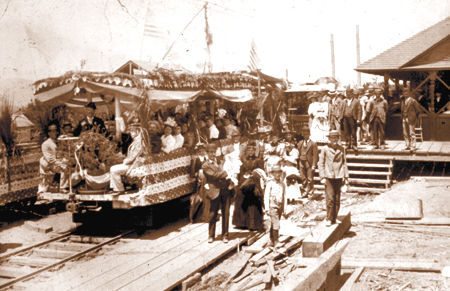
This is one of those pieces of Los Angeles history that sounds almost fictional now. A railway climbing into the mountains above Altadena. A grand resort in the clouds. Tourists coming from across the country to experience the view.
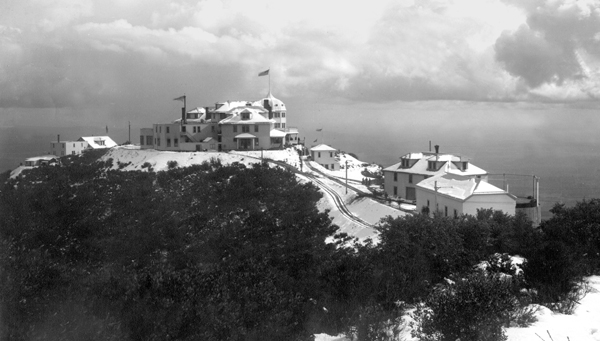
The Echo Mountain House and related resort buildings became symbols of a very specific kind of Southern California ambition. People were not just building homes here. They were selling a dream of climate, elevation, health, leisure and escape.
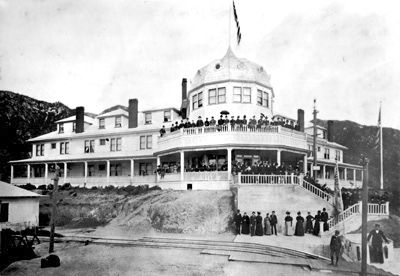
That history still matters because Altadena has never been an ordinary foothill community. It has always had a little bit of myth attached to it.
Estates, Craftsman Homes and the Altadena Character
As Altadena developed, it attracted wealthy residents who built substantial homes with space, privacy and mountain views. One of the most important was Andrew McNally, co-founder of Rand McNally, whose Altadena estate helped establish the area as a place where prominent families could create private foothill compounds.
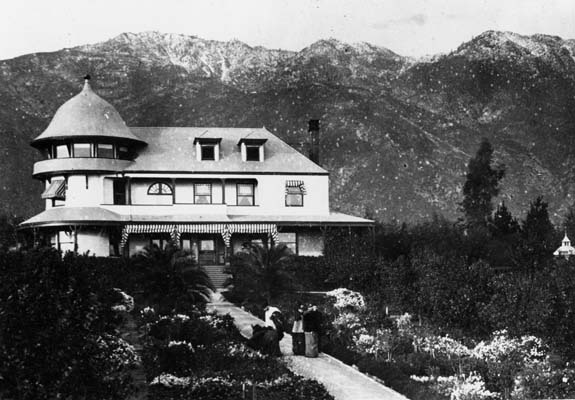
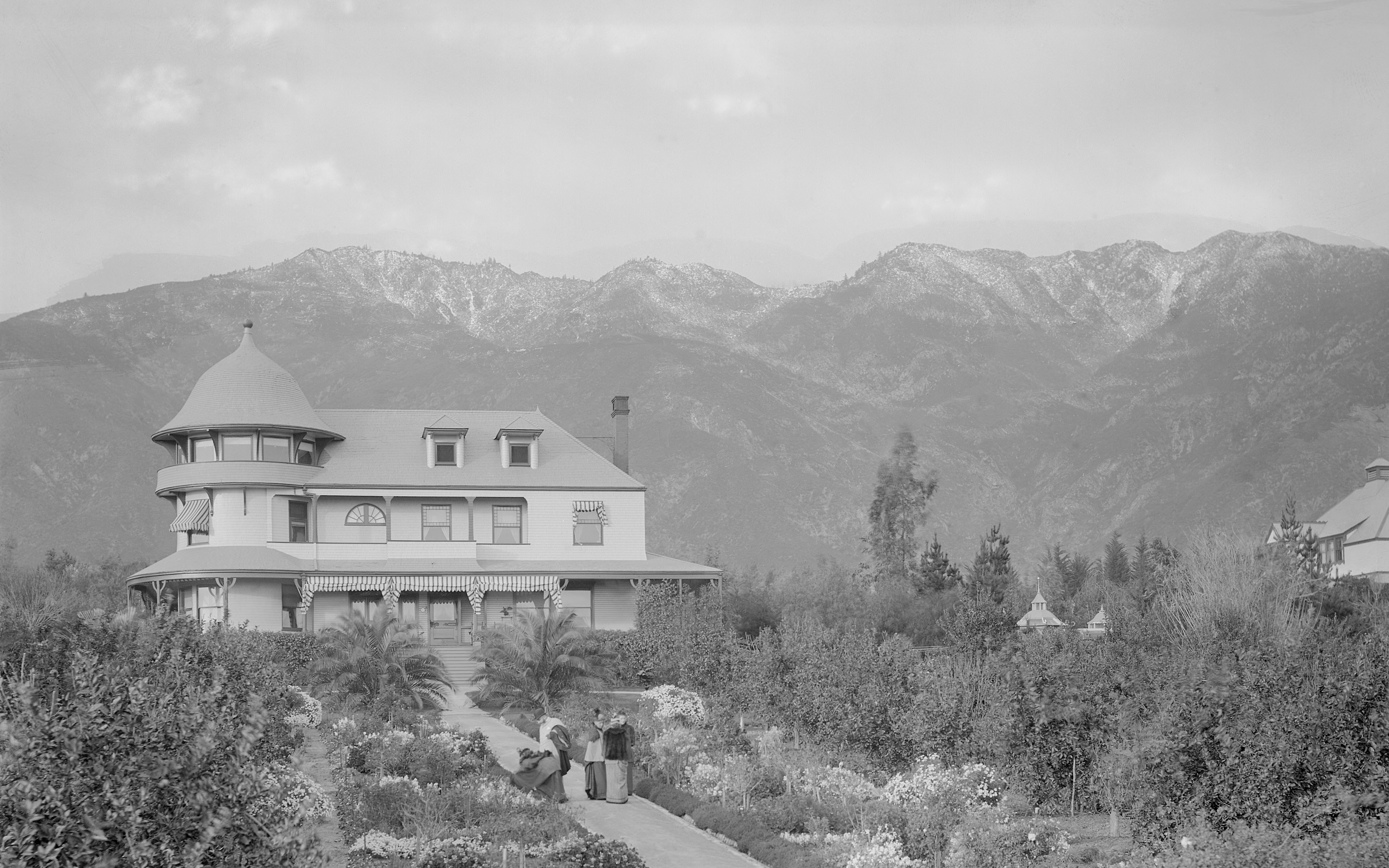
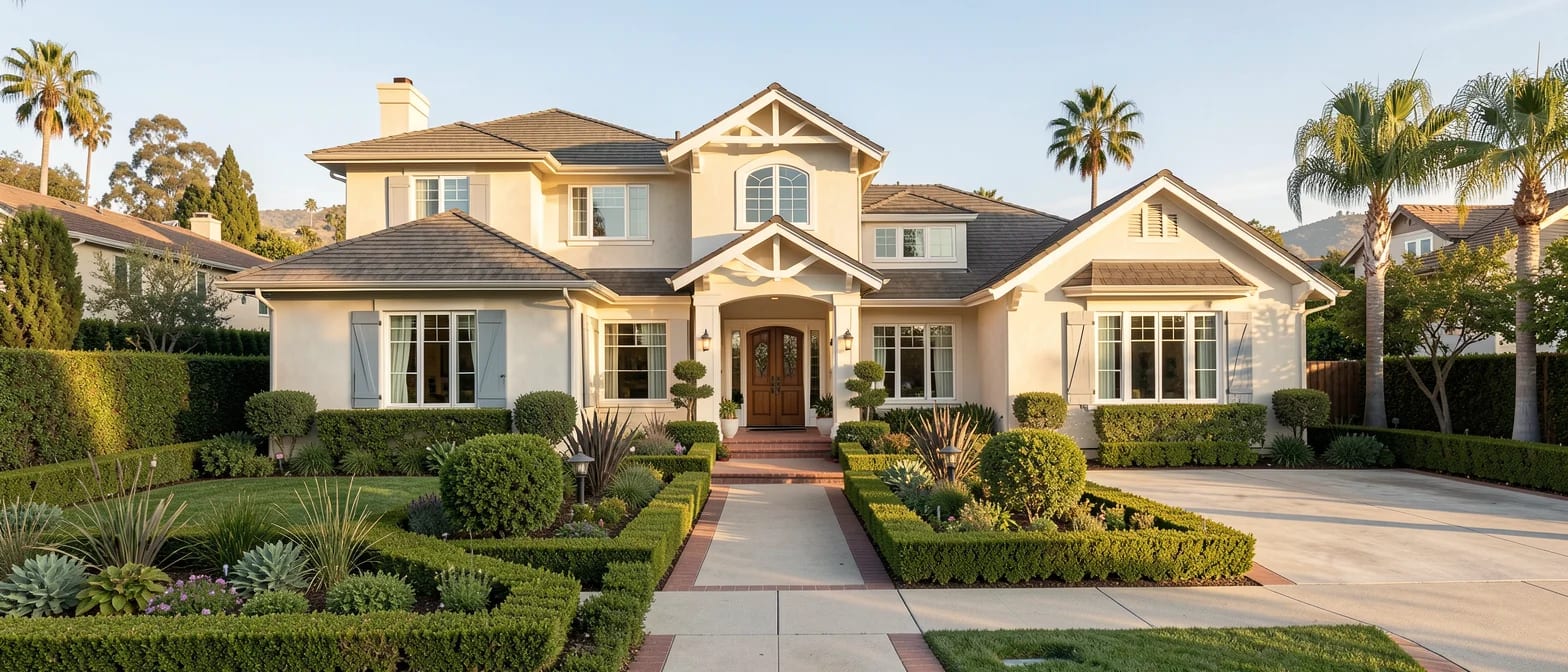
But Altadena’s beauty is not only in its grand estates. A lot of the neighborhood’s character comes from smaller homes, bungalows, Craftsman details, mature trees, deep lots and streets that feel lived in rather than master planned.
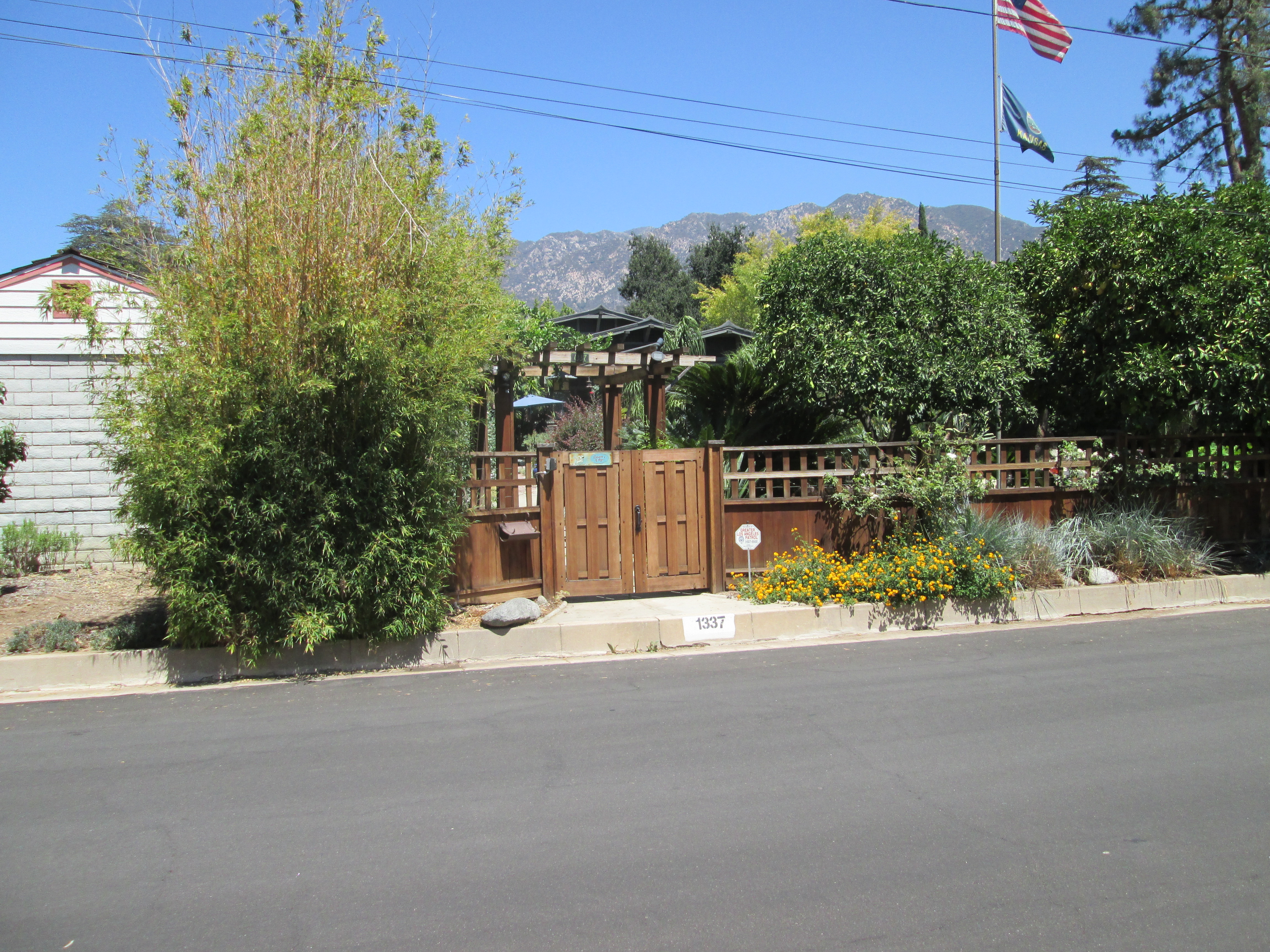
That is what buyers have historically loved about Altadena. It offers a kind of real Los Angeles foothill living that is increasingly hard to find. Not every home is perfect. Not every block is the same. But the neighborhood has texture, and texture is valuable.
In real estate, that is often what separates a place people merely buy in from a place people feel loyal to.
Altadena Became a Rare Place for Black Homeownership
The most important chapter in Altadena’s modern history may be its role as a center of Black middle-class homeownership.
During the 20th century, racist housing practices and redlining blocked Black families from buying in many Los Angeles neighborhoods. Altadena was not free from discrimination, but parts of the community became more accessible than many surrounding areas. UCLA researchers found that areas west of Lake Avenue were historically ranked lower by Home Owners’ Loan Corporation maps, which contributed to lower home values and created openings for Black families to buy homes despite systemic barriers.
That history matters because homeownership is not just shelter. It is stability. It is equity. It is inheritance. It is the ability to stay in place and pass something on.
By 1970, UCLA found that 70 percent of Black households in Altadena were homeowners, nearly double the Black homeownership rate for Los Angeles County overall at the time.
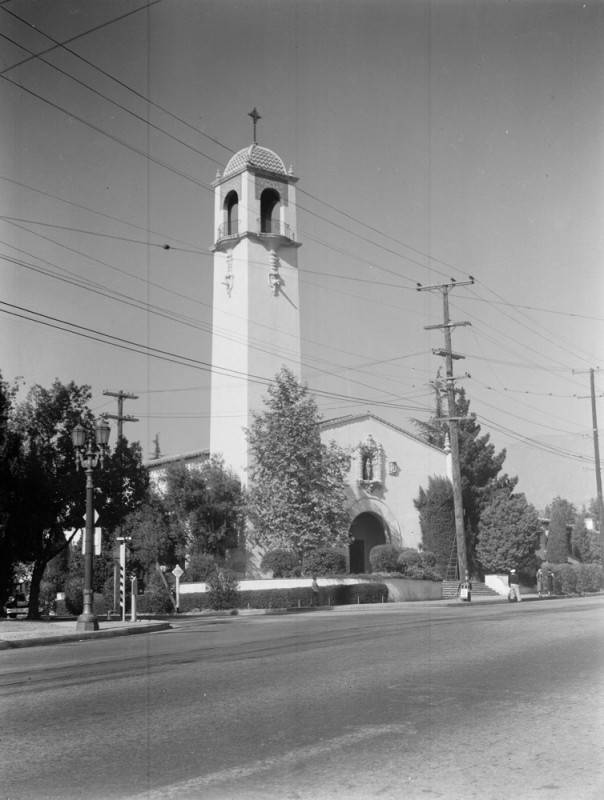
That is why Altadena’s Black history is not just symbolic. It is material. Families built wealth here. Children grew up here. Homes stayed in families. Neighborhood institutions mattered. People had yards, views, neighbors and a sense of belonging.
Altadena became home to remarkable figures, including Jackie Robinson and Octavia Butler, but the deeper story is not only about famous residents. It is about ordinary families who were able to do something extraordinary in a segregated housing market: buy property, keep it and build a community.
Lake Avenue and the Line Through the Community
Lake Avenue is one of the defining corridors of Altadena. It connects Pasadena to the mountains and helps organize the geography of the community. But historically, it also helps explain how opportunity and vulnerability were unevenly distributed.
UCLA’s research on the Eaton Fire shows that Black households in Altadena were disproportionately likely to experience damage or destruction. The report found that 48 percent of Black households or units were destroyed or majorly damaged, compared with 37 percent for non-Black households.
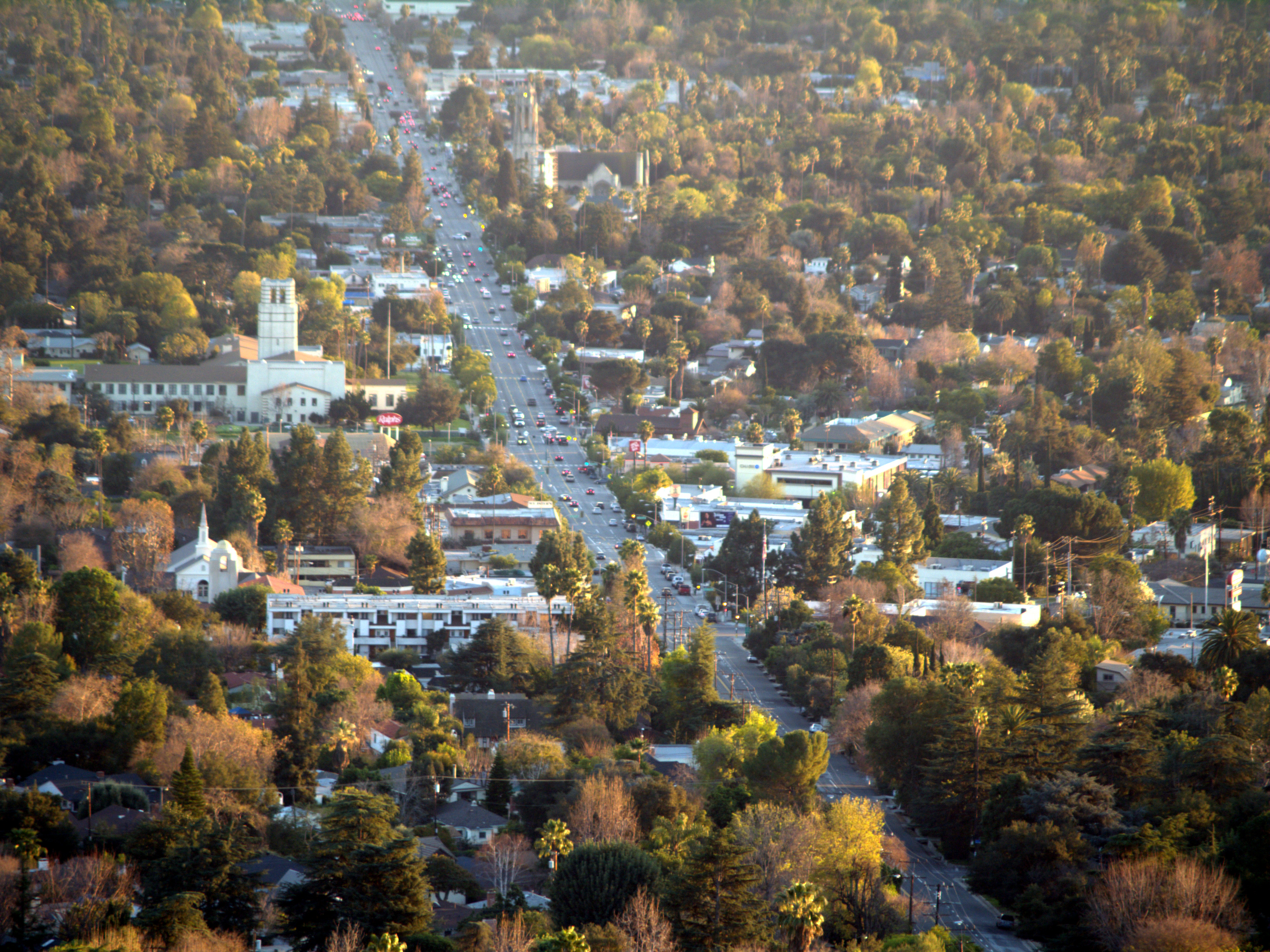
That is what makes the fire so devastating beyond the physical destruction. The Eaton Fire did not just burn buildings. It hit a community where homeownership had represented decades of struggle, perseverance and generational progress.
When a home burns in a place like this, the loss is not only the structure. It is the family history, the equity, the neighborhood memory and sometimes the only realistic foothold a family had in Los Angeles real estate.
The Fire Did Not Create the Pressure. It Accelerated It.
Altadena was already changing before the fire.
Rising home values had made it harder for younger families to buy back into the community. Longtime owners were sitting on valuable property, but that does not mean they had unlimited cash. Many were older. Many were dealing with fixed incomes, insurance gaps, maintenance costs and the reality that rebuilding in Los Angeles can be brutally expensive.
UCLA found that 57 percent of Black homeowners in Altadena were 65 or older, which made recovery especially complicated because older homeowners can be more vulnerable to underinsurance, financial pressure and predatory offers.
Then came the fire.
Suddenly, families were forced to decide whether to rebuild, sell, wait, fight with insurance, move temporarily or leave permanently. And once vacant lots started hitting the market, investors and developers began circling.
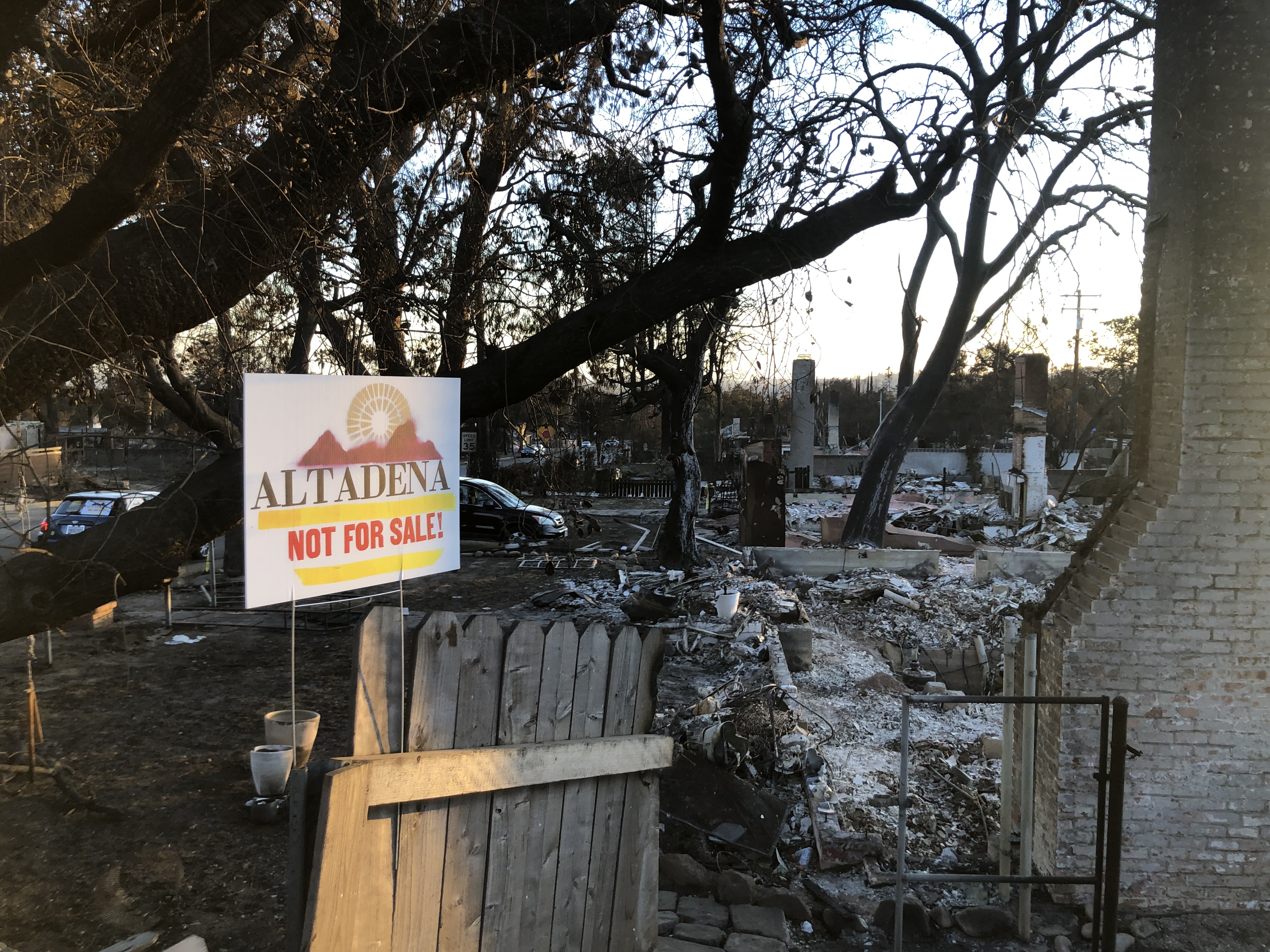
LAist reported that “Altadena Not For Sale” signs appeared throughout the community as corporate developers purchased lots and residents worried about the neighborhood’s future. The same reporting noted that western Altadena, historically home to many Black and brown families, suffered heavy losses and became a major focus of post-fire lot sales.
That is why the phrase “Altadena Not For Sale” lands so strongly. It is not anti-real estate. It is anti-erasure.
Rebuilding Is More Complicated Than Wanting to Come Back
This is where the real estate conversation has to be honest.
A lot of people want to rebuild. But wanting to rebuild and being able to rebuild are two different things.
Construction costs are high. Insurance proceeds may not be enough. Temporary housing is expensive. Permitting takes time. Fire hardening requirements matter. Utilities, debris removal, financing and design decisions can overwhelm even experienced property owners.
Los Angeles County Planning notes that like-for-like replacement structures after the Eaton Fire must generally match the same size, location and land use as the legally established damaged or destroyed structure, with some allowed modifications that do not exceed certain size thresholds. Larger changes can trigger current development standards.
For homeowners, that means every decision matters. Do you rebuild what was there? Do you expand? Do you add an ADU? Do you sell part of the lot? Do you wait for neighbors to come back before committing? Do you take an investor offer because you cannot afford years of uncertainty?
There is no easy answer.
My view is that people should be very careful judging anyone who decides to sell. For some families, selling may be the only financially realistic path. The problem is not that burned lots are selling. The problem is what happens if the people with the most patience and capital are outsiders, while the people with the deepest roots are forced out by cost, delay and exhaustion.
What Altadena Buyers Should Understand Now
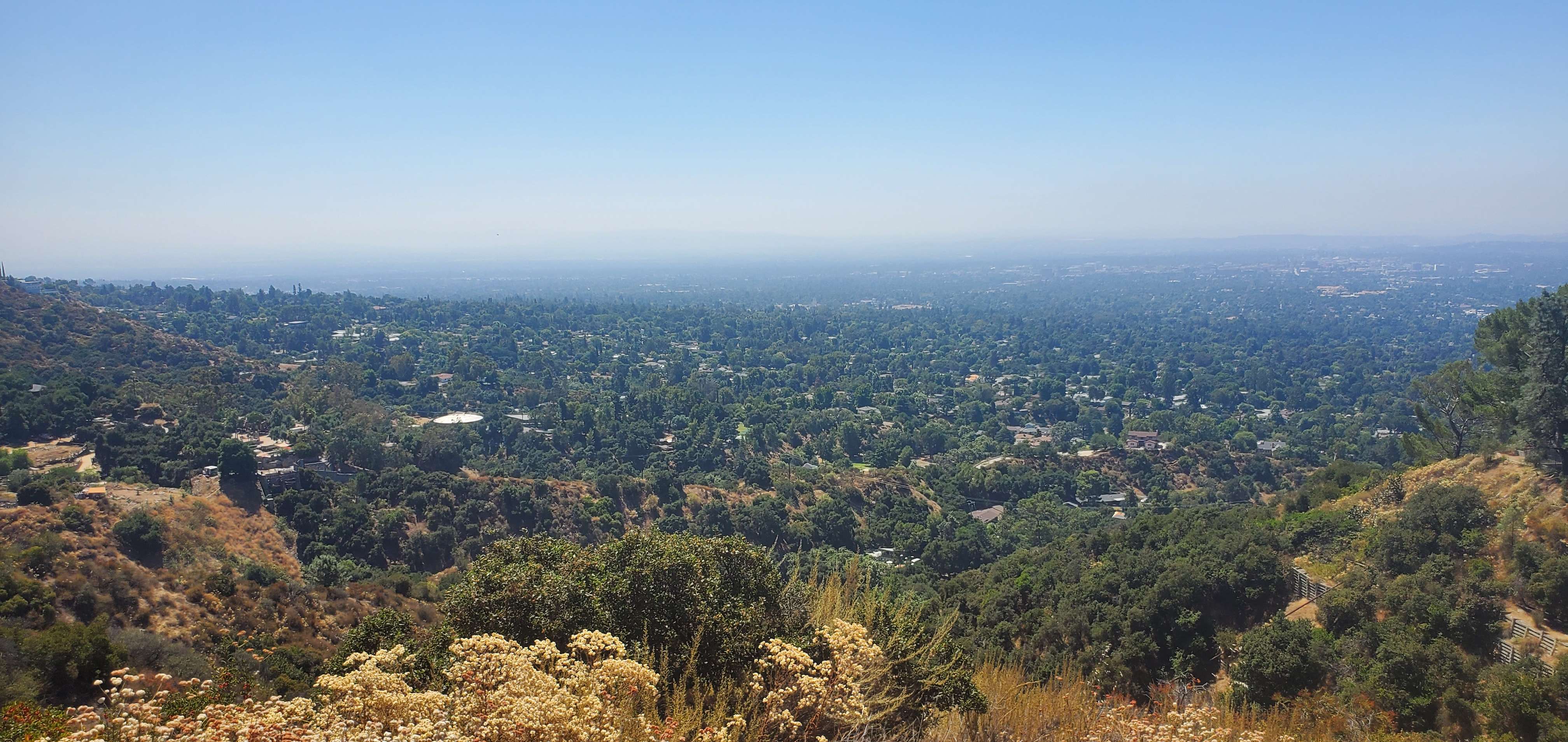
For buyers, Altadena remains incredibly compelling. The location is beautiful. The mountain setting is rare. The community identity is strong. The architecture and lot patterns offer something different from much of Los Angeles.
But this is not a market where buyers should only look at price per square foot.
You need to understand fire history, insurance availability, rebuilding rules, hillside and canyon risk, lot conditions, utility status, historic resources and the difference between buying a finished home and buying a project. A vacant lot may look like an opportunity, but the true cost is not just the land. It is the cost of building, carrying, insuring, permitting and waiting.
You also need to understand the emotional context. Altadena is not just a place where inventory appeared because of market churn. Much of the available land exists because people lost homes. That calls for a level of respect that ordinary dealmaking does not always require.
What Sellers Should Understand
For sellers, the key is strategy.
A burned lot, a damaged home and an intact home in Altadena are three completely different products. Each one needs a different pricing strategy, buyer pool and disclosure approach.
An intact home may carry a premium because some buyers want Altadena without taking on a rebuild. A damaged home may appeal to contractors or highly informed buyers. A cleared lot may attract investors, builders or displaced residents trying to remain in the community.
The challenge is not simply getting the highest offer. It is understanding the terms, the timeline, the buyer’s actual ability to close and what the sale means for your own next chapter.
This is especially true for families who have owned for decades. A developer may understand the land value. But the family also needs advice on taxes, replacement housing, timing and whether selling now captures the best value or merely solves the most immediate pain.
The Real Meaning of Altadena’s Future
Altadena is not frozen in time. It has changed before, and it will change again.
The question is whether the next version of Altadena still includes the people who made it matter.
That is the real issue. Not whether new homes get built. They will. Not whether property values recover. Over time, they likely will. The question is whether the recovery protects community memory, generational ownership and the unusual mix of people that made Altadena special in the first place.
Altadena’s history has always been about elevation. Physical elevation, yes. But also social elevation. Families who were denied access elsewhere found a foothold here. Artists, professionals, teachers, church families, entrepreneurs and longtime residents built something that was never just another foothill suburb.
The fire threatened that. The market may threaten it again.
But Altadena is not only vulnerable. It is also deeply rooted.
If you are considering buying, selling or rebuilding in Altadena, this is not a neighborhood to approach casually. You need to understand the history, the fire recovery process, the block-by-block differences, the insurance realities and the responsibility that comes with entering a community at such a sensitive moment.
If you are thinking about buying or selling in Altadena or anywhere else in Los Angeles, contact Tyler Neale. I can help you evaluate not just the property, but the neighborhood story, market positioning and long-term value behind it.