
Mulholland Drive is not just a road.
It is one of the best ways to understand Los Angeles.
In my Mulholland Drive reel, I focused on what makes this stretch of road so iconic: the views, the curves, the celebrity mythology, the hillside homes, and the way it divides two completely different versions of LA. On one side, you have the city basin, Hollywood, Beverly Hills, Westside towers and the Pacific beyond. On the other, you have the San Fernando Valley, long suburban grids, studio history and the mountains stretching west toward Malibu.
That is the magic of Mulholland.
It is a scenic drive, a real estate boundary, a Hollywood symbol, a weekend cruise, a lookout point, and a piece of Los Angeles infrastructure all at once.
The Road Along the Spine of LA
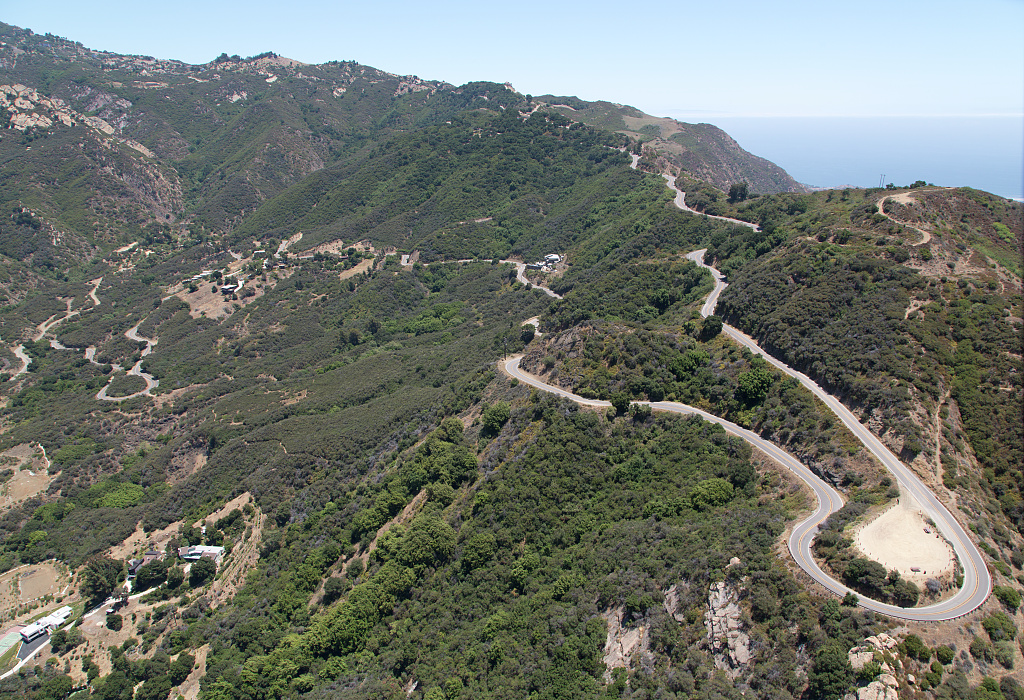
Mulholland Drive runs along the crest of the Santa Monica Mountains, which is why the views feel so dramatic. The Mountains Recreation and Conservation Authority describes the Mulholland Scenic Parkway and Corridor as a roughly 55-mile scenic corridor, with Mulholland Drive in the City of Los Angeles forming the eastern portion of that experience. (MRCA)
That location is everything.
Mulholland sits above the city, but it is not detached from it. It moves through the Hollywood Hills, Studio City, Beverly Hills Post Office, Bel Air, Sherman Oaks, Encino, Tarzana and eventually into the wilder stretches of the Santa Monica Mountains. Depending on where you are, Mulholland can feel urban, glamorous, rural, dangerous, peaceful or cinematic.
Sometimes it feels like a road.
Sometimes it feels like a movie set.
And sometimes it feels like the edge of the city.
The William Mulholland Connection
Mulholland Drive is named for William D. Mulholland, the powerful Los Angeles water engineer whose aqueduct helped transform LA from a growing city into a sprawling metropolis. The road was completed in the 1920s and was envisioned as a scenic route that would bring Angelenos into the mountains and toward the beaches.
That history gives the road an almost mythological quality.
William Mulholland is one of the most important and controversial figures in Los Angeles history. His name is tied to water, expansion, ambition and the complicated story of how LA became LA. So it makes sense that the road bearing his name is not subtle.
It is dramatic.
It is engineered into the mountains.
It is beautiful, but also a little dangerous.
It gives you the city as a panorama, which is exactly how Los Angeles has always wanted to see itself.
A Road Built for Views
The real reason people love Mulholland Drive is simple: the views.
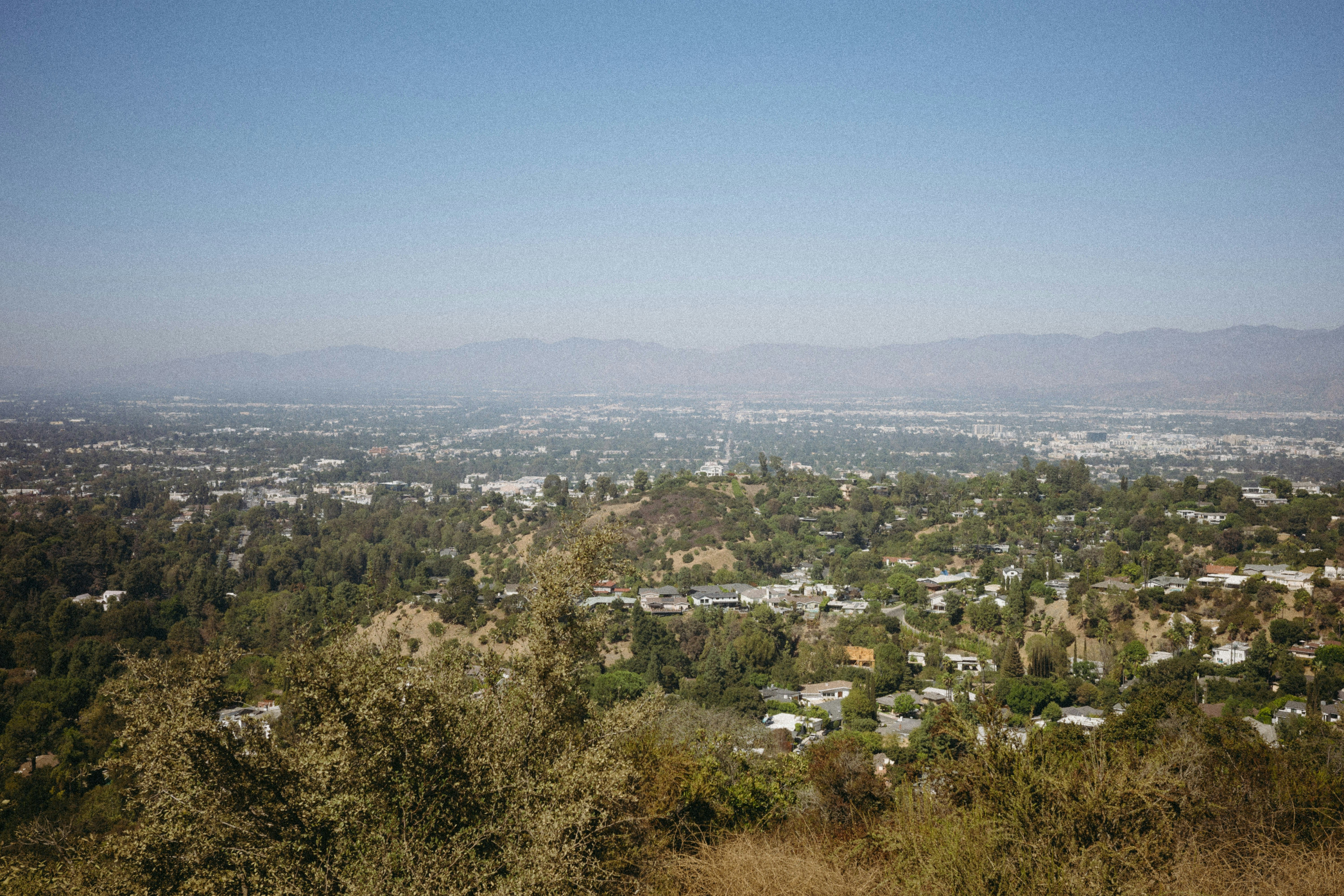
From certain stretches, you can see Downtown Los Angeles, the Hollywood Bowl, Griffith Park, the 101 Freeway, the Westside, Century City, the Pacific Ocean, the Valley, and the Santa Monica Mountains all from one ridgeline.
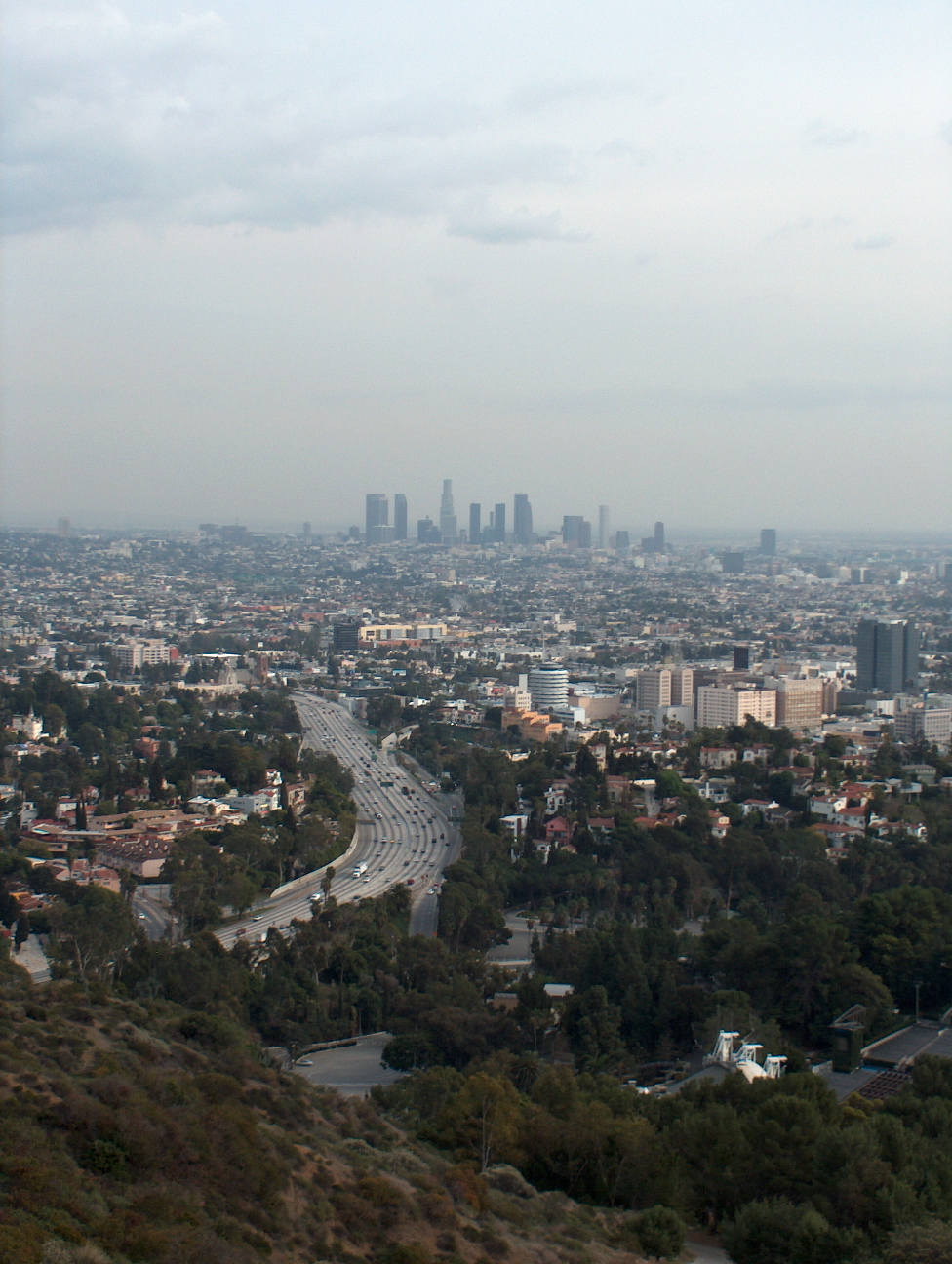
This is one of the reasons Mulholland became so famous.
It offers the fantasy version of Los Angeles: the entire city below you, the mountains around you, and the feeling that you are somehow above the chaos. It is the kind of view that makes people fall in love with LA even when they are stuck in traffic the rest of the day.
For real estate, views are one of the biggest drivers of value in the hills. A home on or near Mulholland with protected city, canyon, ocean or Valley views can command a premium because the experience is so specific. You are not just buying square footage. You are buying orientation, elevation and drama.
The Valley Side of Mulholland
One of the most interesting things about Mulholland is that it is not only about looking south toward the city.
The north-facing side gives you the San Fernando Valley.

That contrast is part of the road’s identity.
The city side feels cinematic and vertical. The Valley side feels wide, suburban and expansive. From one turnout, you might see Downtown LA through haze. From another, you might see Studio City, Sherman Oaks, Encino and the Valley floor stretched out like a grid.
That duality is pure Los Angeles.
Mulholland is where the two LAs meet: the fantasy city of Hollywood and the lived-in city of neighborhoods, freeways, schools, studios and homes.
The Hollywood Mythology
Mulholland Drive has also become one of the most mythic roads in American pop culture.
It is tied to celebrity homes, late-night drives, movie history, overlooks, scandals, crashes, rock stars, film directors and that classic LA feeling of glamour mixed with danger. David Lynch’s Mulholland Drive helped cement the road as a symbol of Hollywood dreams, identity, illusion and darkness.
That is why the road works so well on camera.
It is beautiful, but never totally comfortable.
The curves are tight. The drop-offs can be steep. The views are spectacular, but the road itself demands attention. It is not a casual boulevard. It is a place where LA becomes vertical and psychological.
That is also why it keeps showing up in stories about Los Angeles. Mulholland feels like a border between reality and fantasy.
Real Estate Along Mulholland Drive
From a real estate perspective, Mulholland Drive is not one single market.
That is important.
“Mulholland” can mean very different things depending on the location. A property near Mulholland in the Hollywood Hills is not the same as one near Mulholland in Bel Air, Beverly Hills Post Office, Sherman Oaks, Encino or Tarzana. The road touches multiple submarkets, and each one has its own buyer pool, price points and lifestyle.
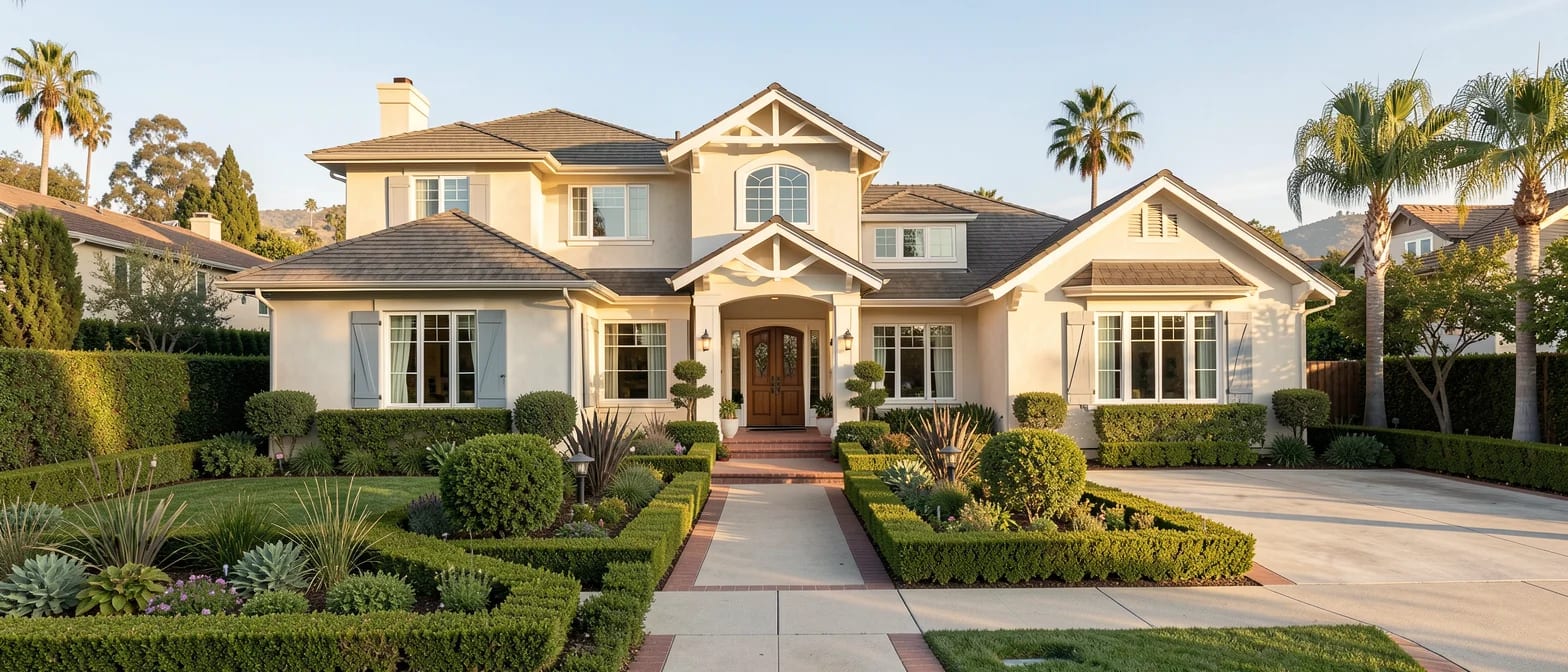
In the Hollywood Hills, Mulholland often means proximity to nightlife, views, architectural homes and a more creative buyer. Around Beverly Hills Post Office and Bel Air, it can mean larger estates, privacy, gates and big-ticket luxury. On the Valley side, it can mean hillside homes with more space, canyon settings and access to Studio City, Sherman Oaks, Encino or Tarzana.
That is why you cannot evaluate a Mulholland property by the name alone.
You have to know which stretch you are talking about.
The Tradeoffs of Living Near Mulholland
Living near Mulholland can be incredible, but it is not for everyone.
The upside is obvious: views, privacy, character, prestige and access to both sides of the hill. You can be minutes from the Valley and still feel connected to the city. You can live in a quiet canyon setting and still be close to restaurants, studios, schools and major employment centers.
But the tradeoffs are real.
Hillside homes can come with narrow roads, limited parking, older infrastructure, retaining walls, drainage issues, slope concerns, fire-zone considerations and insurance questions. Some homes feel private because they are hard to access. That privacy is part of the appeal, but it can also complicate daily life.
For buyers, this is where due diligence matters.
You want to understand the lot, the slope, the access, the foundation, the fire risk, the insurance picture, the sewer or septic setup, and whether the view is protected. In the hills, the land often matters as much as the house.
Why Mulholland Still Feels Special
Mulholland Drive still feels special because it gives you something rare in LA: perspective.
Most of the time, Los Angeles is experienced from inside the sprawl. You are on the freeway, in traffic, on surface streets, moving from neighborhood to neighborhood without ever seeing the whole thing.
Mulholland changes that.
It lifts you above the city and lets you see how the pieces connect. Hollywood to the Valley. Downtown to the ocean. Canyon roads to celebrity estates. Freeways to ridgelines. Urban life to wild mountain terrain.
That is why people still drive it even when they have nowhere to go.
Mulholland is not just transportation. It is orientation.
My Take
What I love about Mulholland Drive is that it captures the contradiction of Los Angeles better than almost anywhere else.
It is glamorous and rugged. Public and private. Beautiful and dangerous. Famous and oddly quiet. It connects some of the most expensive real estate in the city, but it also belongs to anyone willing to drive the road and pull over for the view.
That is why it has endured.
Mulholland is not just a scenic route. It is one of LA’s great storytelling devices.
It tells the story of water, ambition, engineering, Hollywood, hillside architecture, celebrity culture and the city’s obsession with views. And in real estate, it remains one of the most powerful names you can attach to a property, as long as you understand exactly which version of Mulholland you are buying into.
If you are thinking about buying or selling a home near Mulholland Drive, in the Hollywood Hills, Beverly Hills Post Office, Bel Air, Sherman Oaks, Encino, Tarzana or anywhere along the Santa Monica Mountains, contact me, Tyler Neale. Partnering with Tyler Neale Real Estate can help you understand not just the comps, but the history, location and real value behind the property.